How to Fix Driver Restraint System Malfunction in BMW
A driver restraint system malfunction in your BMW is a serious warning you should never ignore. This guide walks you through the most common causes, diagnostic steps, and practical fixes to get your BMW safety systems working correctly again. We cover everything from seat belt sensors to airbag modules so you can drive with confidence.
Your BMW dashboard just lit up with a scary warning. The driver restraint system malfunction light is glowing, and you are not sure what to do. First, take a deep breath. This is a common issue that many BMW owners face. And the good news is that you can often fix it without spending a fortune. This guide will show you exactly how to diagnose and resolve the problem step by step.
The driver restraint system in your BMW includes the seat belts, airbags, crash sensors, and pre-tensioners. These components work together to keep you safe during a collision. When something goes wrong, your BMW activates a warning light to alert you. Ignoring this light is not an option. A malfunctioning restraint system may not deploy properly when you need it most. So let us dive into what causes this issue and how you can fix it.
Key Takeaways
- Understand the problem: A driver restraint system malfunction means your BMW has detected an issue with the seat belt, airbag, or crash sensor system.
- Common causes include: Faulty seat belt sensors, damaged crash sensors, worn pre-tensioners, and airbag module errors.
- DIY fixes are possible: Simple steps like checking connections, resetting the system, and inspecting seat belt buckles can resolve the issue.
- Professional help matters: Complex issues like airbag module replacement or crash sensor repair require a certified BMW technician.
- Safety comes first: Never ignore the warning light, as a malfunctioning restraint system puts you at risk during a collision.
- Prevent future issues: Regular maintenance, keeping connections clean, and addressing warning lights early can prevent costly repairs.
- Cost varies widely: Fix costs range from under $100 for simple fixes to over $1000 for airbag module replacement.
📑 Table of Contents
- What Does Driver Restraint System Malfunction Mean in a BMW?
- Common Causes of Driver Restraint System Malfunction
- How to Diagnose the Problem Yourself
- DIY Fixes for Common Restraint System Issues
- When to Take Your BMW to a Professional
- Cost of Fixing a Driver Restraint System Malfunction in BMW
- Preventing Future Restraint System Malfunctions
- Final Thoughts
What Does Driver Restraint System Malfunction Mean in a BMW?
The driver restraint system malfunction warning means your BMW has detected a fault in the safety restraint network. This network covers the seat belt mechanisms, airbag modules, crash sensors, and related wiring. When the BMW computer spots an anomaly, it triggers the dashboard light to let you know something needs attention.
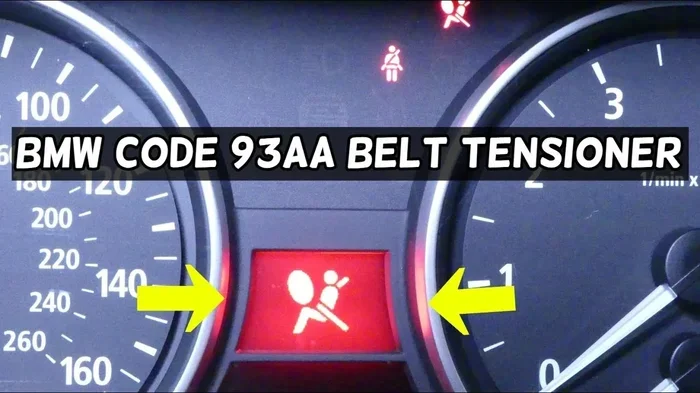
The warning may appear as a text message on your dashboard display or as a red or yellow warning symbol. Some BMW models show a seat belt icon with an exclamation mark. Others display a more generic airbag or restraint warning. Regardless of how it appears, the message is clear. Your safety system needs inspection.
Common Symptoms of a Restraint System Malfunction
Here are the signs you might notice when your BMW has a restraint system issue:
- The seat belt warning light stays on even when the belt is fastened.
- The airbag light illuminates on the dashboard.
- A chime or beeping sound comes from the instrument cluster.
- The seat belt does not retract properly or feels loose.
- The pre-tensioner does not engage during a test cycle.
- You see a message on the iDrive screen about the restraint system.
If you notice any of these symptoms, do not delay. Addressing the issue early can save you money and keep you safe on the road. Sometimes a simple loose connection causes all of these problems. Other times, a more serious component has failed. Either way, a proper diagnosis is essential.
Common Causes of Driver Restraint System Malfunction
Understanding what triggers the warning is the first step toward fixing it. Several components can cause the driver restraint system malfunction light to come on. Let us look at the most common culprits.
Faulty Seat Belt Buckle Sensor
The seat belt buckle contains a small sensor that tells the BMW computer the belt is fastened. Over time, this sensor can wear out or get dirty. When the sensor fails, the system thinks the belt is unbuckled all the time. This triggers the warning light and may disable certain features. A quick inspection of the buckle area often reveals the problem. Dirt, debris, or a bent sensor pin can all cause this issue.
Damaged Crash Sensors
Crash sensors are located in the front of the BMW, often near the bumper or radiator support. These sensors detect sudden deceleration during a collision. If a sensor gets damaged from road debris, moisture, or a minor accident, it can send false signals to the BMW computer. This causes the restraint system warning to activate. In some cases, a previous accident that was not properly repaired can leave behind a faulty sensor.
Worn Seat Belt Pre-Tensioner
The pre-tensioner is a device that tightens the seat belt during a crash. It removes slack so the occupant stays in the correct position. Pre-tensioners are single-use components. Once deployed, they must be replaced. Even if a pre-tensioner has not deployed, the mechanism can wear out over time. A worn pre-tensioner may trigger the malfunction light without any visible damage.
Airbag Module Issues
The airbag control module manages the entire airbag system. If this module develops a fault, it can trigger the restraint system warning. Module issues can stem from water damage, electrical surges, or simple age-related wear. In some BMW models, the airbag module stores crash data that needs to be cleared after a repair. A corrupted module can keep the warning light on even after the actual problem is fixed.
Wiring and Connector Problems
BMW vehicles have extensive wiring harnesses that connect the restraint system components. A loose connector, corroded wire, or damaged harness can interrupt the signal between sensors and the control module. This is especially common in older BMWs where wiring insulation can become brittle over time. Rodent damage is another frequent cause of wiring issues in parked cars.
Battery Voltage Problems
Low battery voltage can cause all sorts of strange warning lights in your BMW. If your battery is weak or failing, the restraint system may not receive consistent power. This can trigger the malfunction light even when all the hardware is working fine. If you have noticed other electrical gremlins in your BMW, a weak battery could be the hidden cause. Sometimes a simple battery test can save you hours of unnecessary diagnostics.
How to Diagnose the Problem Yourself
Before you take your BMW to a shop, there are several diagnostic steps you can perform at home. These steps can help you narrow down the cause and potentially save on diagnostic fees.
Step 1: Check the Seat Belt and Buckle
Start with the simplest check. Unbuckle your seat belt and inspect the buckle for dirt or debris. Use a small brush or compressed air to clean it out. Then buckle and unbuckle the belt several times. Listen for a clicking sound that indicates the latch is engaging properly. If the buckle feels loose or sticky, that could be your problem.
Next, pull the seat belt all the way out and let it retract slowly. It should retract smoothly and evenly. If it bunches up, jerks, or does not retract at all, the retractor mechanism may need attention. A stuck retractor can confuse the restraint system sensor.
Step 2: Inspect the Dashboard Warning
Pay close attention to when the warning light appears. Does it come on when you start the car and then go off? Or does it stay on constantly? A light that stays on indicates a persistent fault. A light that goes off after a few seconds may be a temporary glitch. If the light flashes in a specific pattern, note the pattern. This can help a technician diagnose the issue faster.
If you have noticed other warning lights alongside the restraint system message, write them down. Multiple warning lights can point to a shared root cause, such as a low battery or a grounding issue.
Step 3: Use an OBD2 Scanner
An OBD2 scanner is one of the best tools for DIY diagnostics. You can plug it into the diagnostic port under your BMW dashboard. The scanner will read fault codes stored in the BMW computer. These codes tell you exactly which component or system has triggered the warning.
Look for codes starting with the letter “B” for body-related faults. Codes like B1000 or B1A0F often relate to the restraint system. Once you have the codes, you can look them up online or share them with a mechanic. This gives you a clear direction for your repair.
Step 4: Check the Battery
Use a multimeter to test your BMW battery voltage. A fully charged battery should read around 12.6 volts when the car is off. When the engine is running, it should read between 13.7 and 14.7 volts. If your readings are low, try charging the battery fully and then clearing the warning codes. Sometimes a low battery causes a temporary fault that resolves once the battery is charged.
Keep in mind that if your battery is weak, it can cause multiple warning lights to activate across different systems, not just the restraint system. A simple battery replacement might clear up several problems at once.
DIY Fixes for Common Restraint System Issues
Once you have identified the likely cause, you can try some DIY fixes. These solutions work for many common restraint system problems.
Fix 1: Clean and Reset the Seat Belt Buckle
Remove the seat belt buckle cover if possible. Use electrical contact cleaner to spray inside the buckle mechanism. Work the buckle several times to distribute the cleaner. Then let it dry completely before reassembling. This simple step can fix sensor misreads caused by dirt or corrosion.
After cleaning, buckle the seat belt and start the car. If the warning light does not return, the problem is solved. This fix works surprisingly often and costs almost nothing.
Fix 2: Reset the Restraint System After Repair
If you have recently worked on your BMW, such as replacing a seat belt or bumper, the restraint system may need a reset. Sometimes after a repair, the system retains old fault codes even though the actual issue is resolved. Using an OBD2 scanner, you can clear these codes and let the system relearn the current state.
After clearing the codes, drive your BMW for a few minutes. The system will run a self-check. If everything is working correctly, the warning light should stay off. However, if the light comes back, there is still an underlying issue that needs attention.
Fix 3: Repair or Replace Damaged Wiring
If you have identified a wiring issue, inspect the harness carefully. Look for frayed wires, corroded connectors, or melted insulation. A small wire repair can often be done with solder and heat shrink tubing. For more extensive damage, you may need to replace a section of the harness.
Always disconnect the battery before working on any wiring. This prevents electrical shorts and protects the sensitive electronics in your BMW. Take photos before disconnecting anything so you can remember how it all goes back together.
Fix 4: Replace a Faulty Crash Sensor
Crash sensors are usually located in the front of the vehicle. Accessing them may require removing a cover panel or even the front bumper. If you have replaced a bumper recently, the sensor may have been damaged during the process. Replacing a crash sensor is a straightforward job if you have basic mechanical skills.
Make sure to use OEM or high-quality aftermarket sensors. Cheap sensors may not meet the precision standards required by your BMW. After installing a new sensor, clear the fault codes and test drive the vehicle to confirm the fix.
When to Take Your BMW to a Professional
Not every restraint system issue is a DIY job. Some repairs require specialized tools, advanced knowledge, or factory-level diagnostics. Here are situations where you should seek professional help.
Airbag Module Replacement
Replacing or reprogramming the airbag control module is a complex task. The module stores crash data that must be handled carefully. Improper handling can disable the airbag system entirely. A professional technician has the tools and training to safely replace and program the module. If your bumper has been replaced and the restraint system light persists, the airbag module may need professional attention.
Seat Belt Pretensioner Replacement
Pre-tensioner replacement involves working with explosive components. These devices use a small explosive charge to tighten the seat belt during a crash. This is not a repair for beginners. A certified technician can safely handle the replacement and ensure the system is properly calibrated.
Persistent Warning Light After All Fixes
If you have tried all the DIY fixes and the warning light is still on, it is time to visit a professional. A persistent light usually indicates a deeper issue that requires advanced diagnostic equipment. BMW dealerships and independent specialists both have access to the proprietary diagnostic tools needed to read BMW-specific codes.
It is also worth noting that some repairs need to be registered with the BMW system. Simply replacing a part may not be enough. The new component often needs to be programmed into the car’s computer. This is another reason professional help can be valuable.
Electrical System Diagnosis
If the restraint system issue is caused by a broader electrical problem, a professional can trace the wiring and identify the root cause. Electrical gremlins in BMWs can be tricky. A technician with experience in BMW electrical systems can save you hours of frustration and guesswork.
Cost of Fixing a Driver Restraint System Malfunction in BMW
The cost to fix a driver restraint system malfunction in a BMW varies widely depending on the root cause. Here is a general breakdown of what you can expect to pay.
| Repair | Estimated Cost | Difficulty Level |
|---|---|---|
| Seat belt buckle sensor cleaning | $0 (DIY) | Easy |
| Seat belt buckle sensor replacement | $100 – $300 | Moderate |
| Crash sensor replacement | $150 – $400 | Moderate |
| Seat belt pre-tensioner replacement | $300 – $800 | Difficult |
| Airbag module replacement | $500 – $1500 | Difficult |
| Wiring harness repair | $100 – $500 | Moderate |
| Full diagnostic scan at a shop | $100 – $200 | N/A |
These costs can vary based on your BMW model, year, and location. Luxury vehicles like BMWs tend to have higher parts and labor costs. However, many of the simpler fixes can be done at home, saving you significant money. Always get a detailed quote before approving any major repair.
Preventing Future Restraint System Malfunctions
Once you have fixed the issue, you want to make sure it does not come back. Here are some tips to keep your BMW restraint system in top shape.
- Keep seat belt buckles clean. Regularly inspect and clean the buckle area to prevent sensor misreads.
- Address warning lights promptly. Do not ignore any dashboard warning, even if the car seems to drive fine.
- Maintain your battery. A healthy battery ensures all systems, including the restraint system, receive consistent power.
- Inspect wiring after any body work. If you have had any accident repair or bumper work, check that all connectors are secure.
- Follow BMW maintenance schedules. Regular service helps catch small issues before they become big problems.
- Avoid water exposure. Standing water under the seats or in the cabin can damage sensors and wiring over time.
Taking these simple precautions can extend the life of your BMW restraint system and keep you safe on every drive. Prevention is always cheaper and easier than repair.
Final Thoughts
A driver restraint system malfunction in your BMW can feel overwhelming, but it is often a manageable fix. Start with the simple checks, work through the diagnostic steps, and try the DIY solutions we have outlined. Most of the time, the issue is something straightforward like a dirty sensor or a loose connection.
Remember that your safety is the top priority. If you are ever unsure about a repair, do not hesitate to consult a professional. A properly functioning restraint system is one of the most important safety features in your vehicle. Taking the time to fix it correctly is always worth the effort.
Stay proactive with your BMW maintenance and keep an eye on those dashboard warnings. A little attention today can prevent a big problem tomorrow. Drive safely and enjoy the confidence that comes with a well-maintained restraint system.
Frequently Asked Questions
Can a dead battery cause the driver restraint system warning light?
Yes, a weak or dead battery can cause the restraint system warning light to illuminate. Low voltage disrupts the communication between sensors and the control module. If your battery is more than three years old, have it tested to rule out voltage issues before investigating other causes.
Is it safe to drive my BMW with the driver restraint system warning light on?
It is not recommended. The warning light indicates that part of your safety system may not function correctly in a collision. While your car may still drive, the airbags and seat belt pre-tensioners might not deploy properly. Have the issue diagnosed and repaired as soon as possible.
How much does it cost to fix a driver restraint system malfunction in a BMW?
The cost depends on the root cause. Simple fixes like cleaning a seat belt sensor cost nothing. More complex repairs like airbag module replacement can range from $500 to $1500. A diagnostic scan typically costs between $100 and $200 at a shop.
Can I reset the driver restraint system light myself?
Yes, if the underlying issue has been fixed, you can use an OBD2 scanner to clear the fault codes. After clearing the codes, drive the car for a few minutes while the system runs its self-check. If the problem is truly resolved, the light will stay off.
What BMW models are most affected by restraint system malfunctions?
While the issue can affect any BMW model, certain models from the 2010-2020 range are more prone to seat belt sensor and airbag module issues. The BMW 3 Series, 5 Series, and X5 models are frequently reported with restraint system warnings. However, any BMW can develop this problem over time.
How long does it take to fix a driver restraint system malfunction?
Simple fixes like cleaning a sensor or resetting the system can take less than an hour. More complex repairs like replacing an airbag module or crash sensor may take several hours depending on the BMW model and part availability. A professional diagnosis typically takes one to two hours.