How to Reset Your Nissan Throttle Body the Right Way
Resetting your Nissan throttle body is a simple DIY fix that can restore smooth engine performance and eliminate rough idle or stalling issues. This guide walks you through every step, from preparation to the relearn procedure, so you can get back on the road with confidence. Whether you drive a Nissan Altima, Rogue, or another model, these methods work across most Nissan vehicles.
Have you ever been driving your Nissan and suddenly noticed the engine idling rough, stalling at stoplights, or throwing a warning light on the dash? These frustrating symptoms often point to one culprit: a throttle body that needs a reset. Learning how to reset Nissan throttle body components is a skill every car owner should have in their toolkit.
The good news is that you do not need to be a professional mechanic to handle this job. With the right tools and a little patience, you can reset your throttle body in under an hour. This guide breaks down the entire process into clear, easy-to-follow steps that anyone can follow. We will cover what a throttle body does, why it needs resetting, and exactly how to do it on your Nissan.
Whether you are dealing with a stubborn check engine light or just want to perform routine maintenance, this article has you covered. Let us dive in and get your Nissan running like new again.
Key Takeaways
- A throttle body reset clears error codes and recalibrates the electronic throttle system on your Nissan for smooth engine operation.
- You will need basic tools like a wrench, a diagnostic scanner, and about 30 minutes to complete the reset safely.
- Common signs your throttle body needs a reset include rough idle, stalling, and a check engine light.
- Avoid common mistakes like disconnecting the battery while the engine is running to prevent ECU damage.
- Regular throttle body maintenance keeps your Nissan running at peak performance and extends engine life.
- The relearn procedure is critical after any reset, or your Nissan may not idle properly.
📑 Table of Contents
- What Is a Throttle Body and Why Does It Need Resetting?
- Signs Your Nissan Throttle Body Needs a Reset
- Tools and Preparation You Will Need
- Step-by-Step Guide to Resetting Your Nissan Throttle Body
- Common Mistakes to Avoid When Resetting Your Throttle Body
- When Should You Seek Professional Help?
- Maintaining Your Throttle Body for Long-Term Performance
- Final Thoughts
What Is a Throttle Body and Why Does It Need Resetting?
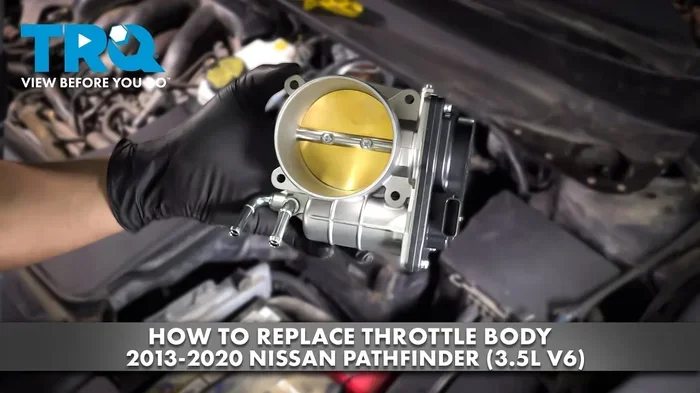
The throttle body is a small but important part of your Nissan’s engine. It controls how much air flows into the engine based on how much you press the gas pedal. Modern Nissans use electronic throttle control, which means there is no physical cable connecting the pedal to the throttle. Instead, sensors and the engine computer manage everything.
Over time, carbon buildup and grime can accumulate inside the throttle body. This buildup restricts airflow and confuses the sensors. When that happens, your engine may idle roughly, hesitate when you accelerate, or stall completely. A throttle body reset clears these error codes and tells the engine computer to relearn the correct idle settings.
Think of it like restarting your phone when it starts acting glitchy. Sometimes the system just needs a fresh start to work properly again. Resetting the throttle body gives your Nissan’s engine a clean slate so it can calibrate itself correctly.
How the Electronic Throttle System Works
Your Nissan uses a drive by wire throttle system. When you press the accelerator pedal, a pedal position sensor sends a signal to the engine control unit (ECU). The ECU then tells the throttle body how far to open. This entire process happens in milliseconds.
Because everything is electronic, the system relies on accurate sensor data. If the throttle body gets dirty or the sensors drift out of calibration, the ECU receives wrong information. That is when you start noticing problems like engine stalling, rough idle, or poor acceleration. Resetting the throttle body forces the ECU to recalibrate and start fresh.
Signs Your Nissan Throttle Body Needs a Reset
Not sure if your throttle body needs attention? Watch for these common warning signs. Catching them early can save you from bigger problems down the road.
- Rough or uneven idle — The engine shakes or RPMs fluctuate when stopped.
- Engine stalling — The car dies at idle or when coming to a stop.
- Check engine light — The dashboard warning light stays on with throttle-related codes.
- Hesitation during acceleration — The engine feels sluggish or unresponsive when you press the gas.
- Poor fuel economy — You notice you are filling up more often than usual.
- Throttle body warning message — Some Nissans display a specific warning on the dashboard.
- Difficulty starting the engine — The car cranks but struggles to start smoothly.
If you notice any of these symptoms, it is a good idea to check your throttle body before the problem gets worse. Ignoring these signs can lead to more serious engine issues over time.
Common Throttle Body Error Codes
When the check engine light comes on, your Nissan stores a specific trouble code. Common throttle body codes include P2110, P2111, P2112, and P0505. These codes relate to throttle actuator malfunction, throttle position range, and idle control issues. You can use a diagnostic scanner to read these codes before starting the reset process.
Knowing the code helps you confirm that the throttle body is the actual problem and not something else. This saves time and prevents unnecessary work.
Tools and Preparation You Will Need
Before you start, gather everything you need. Having the right tools makes the job faster and safer.
- Basic wrench set — For removing the air intake duct if needed.
- OBD2 diagnostic scanner — To read and clear error codes. You can also learn how to read ABS codes without a scanner using alternative methods, though a scanner is best for throttle body resets.
- Clean cloth or paper towels — For wiping down the throttle body.
- Throttle body cleaner spray — A safe, residue-free cleaner designed for electronic components.
- Socket set — In case you need to remove bolts holding the air intake.
- Owner’s manual for your Nissan model — Specific procedures can vary by model and year.
Before you begin any work under the hood, make sure your engine is completely cool. Working on a hot engine can cause burns. Also, consider how to open an exterior bonnet safely on your specific Nissan model, as the release mechanism varies between years and trims.
Safety First
Always disconnect the negative battery terminal before working on any electrical component. This prevents accidental shorts and protects your Nissan’s computer systems. Keep your workspace well-lit and ventilated. Wear gloves and safety glasses to protect your hands and eyes from cleaner spray and debris.
Step-by-Step Guide to Resetting Your Nissan Throttle Body
Now for the main event. Follow these steps carefully to reset your Nissan throttle body the right way. Each step builds on the previous one, so do not skip ahead.
Step 1: Prepare the Vehicle
Park your Nissan on a flat surface and turn off the engine. Let it cool for at least 15 minutes. Open the hood using the interior release lever and prop it securely with the hood rod. Locate the throttle body, which sits on top of the engine near the air intake manifold.
Take a moment to visually inspect the area. Look for any loose hoses, cracked connections, or obvious damage. If everything looks intact, you are ready to move to the next step.
Step 2: Disconnect the Battery
Using your wrench, loosen the nut on the negative battery terminal. Carefully remove the cable and tuck it away from the battery so it cannot accidentally reconnect. Wait at least 10 to 15 minutes to allow the ECU to fully discharge its memory.
This step is essential because it clears all stored error codes and resets the throttle body adaptations. Without this step, the reset will not fully take effect.
Step 3: Clean the Throttle Body
While waiting, take the opportunity to clean the throttle body. Spray throttle body cleaner onto a clean cloth and gently wipe the inside of the throttle plate. Do not use excessive force, and avoid touching the electronic sensors.
Remove any visible carbon deposits or grime. A clean throttle body allows the reset to work more effectively. Let the throttle body dry completely before moving on.
Step 4: Reconnect the Battery
After waiting at least 15 minutes, reconnect the negative battery cable. Tighten the nut securely but do not overtighten. Turn the ignition to the ON position without starting the engine. Wait 30 seconds for the ECU to begin its relearning process.
You may notice the check engine light come on briefly. This is normal. It means the ECU is recalibrating.
Step 5: Run the Throttle Body Relearn Procedure
This is the most important step. Without the relearn procedure, your Nissan will not know the correct idle position for the throttle body.
- Turn the ignition to the OFF position and wait 5 seconds.
- Turn the ignition to the ON position (do not start the engine) and wait 3 seconds.
- Press the accelerator pedal slowly to the floor and hold it for 5 seconds.
- Release the pedal completely and wait 5 seconds.
- Turn the ignition to the OFF position and wait 5 seconds.
- Start the engine and let it idle for 20 minutes without touching the accelerator.
During this idle period, do not touch the gas pedal. The ECU is learning the new throttle body position. If you accidentally press the pedal, the relearn process will fail and you will need to start over.
Step 6: Verify the Reset
After 20 minutes, turn off the engine and restart it. The idle should be smooth and steady. Use your diagnostic scanner to check if the error codes have been cleared. Take your Nissan for a short test drive and pay attention to how the engine responds when you press the accelerator.
If the rough idle or stalling continues, you may need to repeat the process or investigate further. Sometimes a dirty throttle body needs more than one cleaning and reset to fully resolve the issue.
Common Mistakes to Avoid When Resetting Your Throttle Body
Even a simple job like a throttle body reset can go wrong if you make careless mistakes. Here are the most common errors people make and how to avoid them.
- Skipping the battery disconnect. This is the most common mistake. Without clearing the ECU memory, the reset will not work properly.
- Using harsh chemicals to clean the throttle body. Always use a cleaner specifically designed for electronic throttle bodies. Harsh solvents can damage sensors and seals.
- Touching the accelerator during the relearn procedure. This resets the relearn process and forces you to start over.
- Not waiting long enough between steps. Each waiting period serves a purpose. Rushing through them can cause the ECU to miss calibration data.
- Ignoring underlying problems. A reset fixes symptoms but not root causes. If your throttle body is physically damaged, a reset alone will not solve the problem.
- Working on a hot engine. This can cause burns and may also affect the accuracy of the reset.
Taking your time and following each step carefully is the best way to ensure a successful reset. Do not rush through the process just to get it done.
When Should You Seek Professional Help?
Most Nissan owners can handle a throttle body reset on their own. However, there are situations where professional help is the better choice.
If you have completed the reset and the problem persists, there may be a deeper issue at play. A damaged throttle body, failing throttle position sensor, or ECU problems require professional diagnosis. A mechanic with a Nissan diagnostic tool can pinpoint the exact cause quickly.
Also, if you are not comfortable working with electrical components or do not have the basic tools, there is no shame in visiting a trusted repair shop. A professional throttle body reset typically costs between $100 and $300, which includes labor and any necessary cleaning supplies.
Regular maintenance can help you avoid major throttle body problems. Keep your Nissan running well by following the manufacturer’s recommended service schedule and addressing small issues before they become big ones.
Maintaining Your Throttle Body for Long-Term Performance
Once you have successfully reset your throttle body, you want to keep it in great shape. Regular maintenance is the key to preventing future problems.
- Clean your throttle body every 30,000 to 50,000 miles. This prevents carbon buildup that causes idle and throttle issues.
- Use quality fuel. Cleaner fuel produces fewer deposits inside the engine and throttle body.
- Replace air filters regularly. A clogged air filter allows more debris into the throttle body area.
- Address check engine lights promptly. Ignoring warning lights can lead to more serious and expensive repairs.
- Keep your engine cool. Overheating can damage electronic components including the throttle body. Learn how to prevent a car from overheating in summer with simple tips like checking your coolant levels and monitoring the temperature gauge.
Taking a proactive approach to maintenance saves you time, money, and frustration in the long run. A well-maintained throttle body keeps your Nissan running smoothly for years to come.
How Often Should You Reset Your Throttle Body?
You typically only need to reset the throttle body when you notice symptoms like rough idle or stalling. There is no need to reset it as part of routine maintenance. If you clean the throttle body during a service interval, a reset ensures the ECU recalibrates properly after the cleaning.
Some Nissan owners also perform a throttle body reset after replacing the part. This allows the new throttle body to learn the correct idle settings from the start.
Final Thoughts
Resetting your Nissan throttle body is one of the most satisfying DIY repairs you can do at home. It costs almost nothing, takes less than an hour, and can solve frustrating engine problems like rough idle, stalling, and hesitation. With the steps outlined in this guide, you have everything you need to tackle the job with confidence.
Remember to follow each step carefully, do not rush the relearn procedure, and always prioritize safety. If the problem persists after a reset, do not hesitate to consult a professional mechanic who can diagnose deeper issues with the right tools.
Your Nissan is a well-engineered machine, and with a little regular care, it will keep running smoothly for many miles to come. Now that you know how to reset Nissan throttle body components, you are better equipped to handle this common maintenance task on your own. Grab your tools, get under the hood, and give your Nissan the fresh start it deserves.
Frequently Asked Questions
Can I reset my Nissan throttle body without a diagnostic scanner?
Yes, you can perform the battery disconnect method without a scanner. However, a scanner is helpful for reading and clearing error codes before and after the reset. It confirms whether the throttle body was the actual problem or if there is another issue at play.
How long does it take to reset a Nissan throttle body?
The entire process takes about 30 to 60 minutes. This includes disconnecting the battery, cleaning the throttle body, reconnecting the battery, and running the 20-minute relearn procedure. The actual hands-on work takes less than 15 minutes.
Will resetting the throttle body erase other error codes on my Nissan?
Yes, disconnecting the battery clears all stored error codes in the ECU. This includes codes unrelated to the throttle body. You may need to address other issues separately if additional codes come back after the reset.
How often should I clean my Nissan throttle body?
Most Nissan owners should clean their throttle body every 30,000 to 50,000 miles. However, if you drive in dusty conditions or notice idle problems earlier, cleaning it more frequently is a good idea.
Can a dirty throttle body cause my Nissan to stall?
Absolutely. Carbon buildup inside the throttle body restricts airflow and confuses the ECU. This can cause rough idle, hesitation, and stalling, especially at stoplights or when starting the engine.
Is it safe to drive my Nissan immediately after a throttle body reset?
Yes, but you should let the engine idle for the full 20 minutes during the relearn procedure before driving. After that, take it easy for the first few miles and avoid aggressive acceleration until the ECU fully recalibrates.