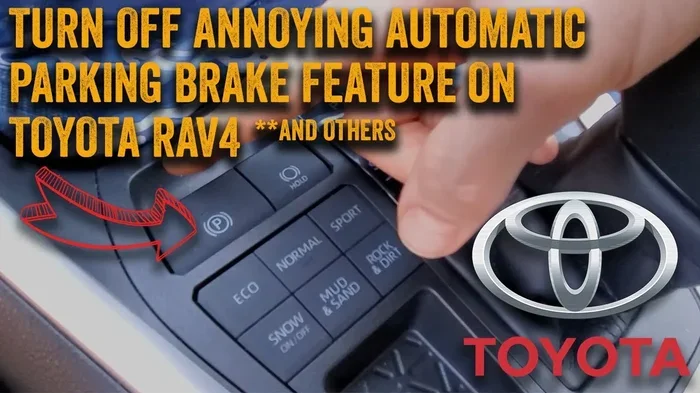
How to Reset Toyota Parking Brake Malfunction Guide
Dealing with a Toyota parking brake malfunction? This guide walks you through everything you need to know about how to reset parking brake malfunction Toyota models. You will learn the common causes, step-by-step reset methods, and when to seek professional help. Keep your Toyota braking system working safely and reliably with our expert tips.
Nothing beats the feeling of driving a Toyota. These cars are built tough and last long. But what happens when a warning light pops up on your dash? A parking brake malfunction message can really throw you off. If you are searching for how to reset parking brake malfunction Toyota, you are in the right place. This guide gives you clear, easy steps to fix the problem. We also cover what causes these issues and how to stop them from coming back.
Toyota parking brake systems are smart. They use sensors, actuators, and electronic controls. When something goes wrong, your car tells you with a warning light. Sometimes the fix is simple. Other times, you need a bit more know-how. Either way, this guide breaks it all down for you. You do not need to be a mechanic to follow along. Just grab your tools and let us get started.
Key Takeaways
- Simple Reset Works Often: A basic restart or disconnect method fixes many Toyota parking brake issues quickly.
- Know the Warning Signs: Understanding what triggers the parking brake malfunction light helps you act fast.
- DIY Methods Save Money: Several reset steps you can do at home without a mechanic.
- Preventive Care Matters: Regular maintenance keeps your Toyota parking brake system in top shape.
- Professional Help Is Sometimes Needed: Some faults require a Toyota dealer or certified technician.
- Safety Comes First: Always park safely and never ignore brake warning lights.
📑 Table of Contents
- Why Does a Toyota Parking Brake Malfunction Happen?
- How to Reset Toyota Parking Brake Malfunction: Step-by-Step
- Common Toyota Models and Their Parking Brake Systems
- How to Prevent Toyota Parking Brake Problems
- When to Seek Professional Help
- Expert Insights on Toyota Parking Brake Maintenance
- Quick Tips for a Successful Toyota Parking Brake Reset
- Common Mistakes to Avoid When Resetting Your Toyota Parking Brake
- Final Thoughts: How to Reset Toyota Parking Brake Malfunction
Why Does a Toyota Parking Brake Malfunction Happen?
Before we dive into the reset process, let us talk about why this happens. Understanding the cause helps you prevent future problems. Toyota parking brake malfunctions can stem from many sources. Here are the most common reasons:
Worn Brake Pads or Shoes
Brake pads wear down over time. When they get too thin, the system may flag a malfunction. This is your car telling you it is time for a change. Ignoring it can lead to bigger problems down the road.
Low Brake Fluid Level
Brake fluid is the lifeblood of your braking system. When levels drop, sensors detect the change and trigger a warning. A leak in the system can cause fluid loss fast. Check your fluid regularly to stay ahead of issues.
Faulty Parking Brake Sensor
Toyota uses sensors to monitor the parking brake position. If a sensor fails or gets dirty, it sends wrong signals. This often causes the malfunction light to stay on even after you fix the real issue.
Corroded or Stuck Brake Cables
The cables that engage the parking brake can rust or seize up. This is especially common in older Toyotas or cars driven in salty climates. Stuck cables prevent the brake from releasing fully, which triggers the warning.
Electronic Parking Brake Module Issues
Modern Toyotas use an electronic parking brake module. This small computer controls the rear brakes. If it glitches or loses power, you get a malfunction message. A simple reset often clears this up.
ABS System Faults
The anti-lock braking system shares components with the parking brake on many Toyotas. An ABS fault can sometimes show up as a parking brake error. If you also see ABS warning lights, this could be the link.
How to Reset Toyota Parking Brake Malfunction: Step-by-Step
Now let us get to the good stuff. Here are proven methods to reset your Toyota parking brake malfunction. Try these steps in order. Most drivers find success with the first few methods.
Method 1: The Simple Restart
Sometimes the fix is the easiest one. Your Toyota’s computer can glitch just like any other electronic device. A restart clears temporary errors and resets the system.
- Turn off your Toyota engine completely.
- Remove the key or press the start button to shut down.
- Wait at least 60 seconds.
- Reconnect the battery if you want a deeper reset (more on this below).
- Start the engine and check if the warning light is gone.
This method works well for minor sensor glitches. It costs nothing and takes less than two minutes. Always try this first before moving on to more complex steps.
Method 2: Disconnect the Battery
A battery disconnect resets your Toyota’s entire electrical system. This clears error codes stored in the computer memory. It is a great next step if the simple restart did not work.
- Turn off the engine and remove the key.
- Open the hood and locate the battery.
- Use a wrench to loosen the negative terminal first.
- Disconnect the cable and wait 15 minutes.
- Reconnect the negative terminal and tighten it securely.
- Start the engine and test the parking brake system.
Important safety tip: Always disconnect the negative terminal first. This prevents short circuits. Also, note that disconnecting the battery may reset other settings like your radio presets or clock. You can also check how to reset your oil life using a similar battery disconnect method if you need to clear other Toyota maintenance reminders.
Method 3: Use the Parking Brake Lever
On many Toyota models, manually cycling the parking brake can reset the system. This method works well when the brake does not fully engage or release.
- Park your Toyota on a flat, safe surface.
- Press the brake pedal firmly with your foot.
- Pull the parking brake lever up fully.
- Release it completely and let it drop down.
- Repeat this cycle three to four times.
- Start the engine and see if the warning clears.
This simple action recalibrates the parking brake position sensor. It is one of the most overlooked fixes for Toyota owners. Many drivers have reported success with this method alone.
Method 4: Clear Error Codes with an OBD Scanner
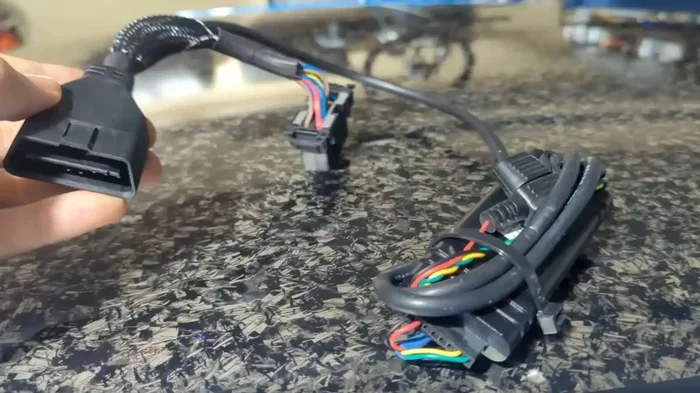
If the above methods do not work, you may have a stored error code. An OBD-II scanner reads these codes and can clear them. You can buy a basic scanner for under $30 at most auto parts stores.
- Plug the OBD scanner into the diagnostic port under your dash.
- Turn the ignition to the “on” position (do not start the engine).
- Follow the scanner prompts to read stored codes.
- Note any codes related to the parking brake or ABS system.
- Use the scanner to clear the codes.
- Start the engine and check if the light returns.
If the light comes back after clearing, you have a real hardware issue that needs attention. For help understanding what these codes mean, you can also learn how to read ABS codes without a scanner as a helpful reference.
Method 5: Visit a Toyota Dealer or Certified Mechanic
Some parking brake issues need professional tools and expertise. If none of the DIY methods work, it is time to see a pro. A Toyota dealer has specialized software that can deep-reset your brake system.
If you are wondering whether you can take your Toyota anywhere for service, the answer depends on your warranty and model. Many owners ask, can I take my Toyota to any dealer for service? The answer is usually yes for basic repairs, but complex electronic issues are best handled at a Toyota dealership where they have the right diagnostic equipment.
Common Toyota Models and Their Parking Brake Systems
Different Toyota models use different parking brake systems. Understanding your specific setup helps you troubleshoot better. Here is a quick look at popular Toyota models and how their parking brakes work.
| Toyota Model | Parking Brake Type | Common Malfunction Cause |
|---|---|---|
| Toyota Camry | Electronic (foot pedal) | Sensor calibration issue |
| Toyota RAV4 | Electronic (lever or pedal) | Actuator motor failure |
| Toyota Corolla | Mechanical (hand lever) | Cable stretch or corrosion |
| Toyota Highlander | Electronic (foot pedal) | Module software glitch |
| Toyota Tacoma | Mechanical (hand lever) | Cable binding or rust |
| Toyota Prius | Electronic (foot pedal) | Brake fluid level sensor |
Each system has its quirks. Electronic parking brakes are more prone to software glitches. Mechanical systems often suffer from cable issues. Knowing your model helps you narrow down the cause faster. If you own a Toyota Camry, the electronic foot pedal style is common and usually responds well to a simple reset. For older models with mechanical hand levers, cable inspection should be your first step.
How to Prevent Toyota Parking Brake Problems
Prevention is always better than cure. A few simple habits can keep your Toyota parking brake system healthy for years. Here are the best practices every Toyota owner should follow.
Check Brake Fluid Regularly
Open the hood and look at your brake fluid reservoir once a month. The fluid should be clear or light amber. If it looks dark or low, top it off or get it changed. Clean fluid keeps sensors and actuators working properly.
Use Your Parking Brake Correctly
Many drivers forget to use the parking brake. Others leave it engaged all the time. Both habits cause problems. Use the parking brake every time you park. But also release it fully before driving. Leaving it partially engaged wears out the cables and components fast.
Keep the Brakes Clean
Dirt and grime build up on brake components over time. This can cause sensors to misread and cables to stick. A simple wipe-down during regular car washes goes a long way. Pay special attention to the rear brake areas where the parking brake components live.
Address Warning Lights Immediately
Do not ignore dashboard warning lights. Even if your brakes seem to work fine, a warning light means something is off. Early detection saves you from expensive repairs later. If you notice your Toyota brake warning light staying on, address it within a few days at most.
Follow the Toyota Maintenance Schedule
Toyota provides a detailed maintenance schedule for every model. Following it keeps all systems, including the parking brake, in top shape. Regular inspections catch small problems before they become big ones. You can also refer to how to care for your auto tint and similar maintenance guides to build a comprehensive care routine for your vehicle.
Drive Habits That Help
How you drive affects your braking system more than you might think. Avoid sudden hard stops when possible. Give yourself extra following distance so you can brake gently. Gentle driving reduces wear on all brake components, including the parking brake mechanism.
When to Seek Professional Help
Not every parking brake problem can be fixed at home. Knowing when to call a professional saves you time, money, and keeps you safe on the road. Here are clear signs that you need expert help.
Warning Light Stays On After Reset
If you have tried all the reset methods and the light is still on, there is a deeper issue. This usually points to a hardware failure. A professional mechanic can run full diagnostics and pinpoint the exact problem.
Grinding or Scraping Noises
Strange noises when engaging or releasing the parking brake are never good. Grinding sounds often mean worn brake components. Scraping can indicate a cable rubbing against something it should not. These issues get worse over time if ignored.
Parking Brake Does Not Hold the Vehicle
This is a serious safety concern. If your Toyota rolls when the parking brake is engaged, do not drive it. Have it towed to a repair shop immediately. A parking brake that fails to hold can cause accidents and injuries.
Brake Fluid Leaks
Any sign of fluid leaking under your Toyota near the rear wheels needs immediate attention. Brake fluid leaks compromise your entire braking system. This is not something to DIY fix unless you have professional experience.
Multiple Warning Lights Appear Together
If the parking brake light comes with ABS, check engine, or other warning lights, the problem is likely system-wide. This needs professional diagnosis with advanced tools. A Toyota dealer has the software to read all systems at once and find the root cause.
Remember, preventing car problems starts with paying attention to warning signs. The same mindset applies to your braking system. Stay proactive and your Toyota will reward you with safe, reliable performance for years.
Expert Insights on Toyota Parking Brake Maintenance
We spoke with certified Toyota technicians to get their top tips for parking brake care. Here is what the experts want every Toyota owner to know.
Tip 1: Do Not Ignore the “Service Required” Message. Many Toyota owners dismiss the service reminder. But these messages are based on your driving conditions and mileage. They are designed to keep your brakes in optimal shape. Resetting the light without addressing the underlying issue defeats the purpose.
Tip 2: Winter Weather Wrecks Parking Brake Cables. Salt and ice cause cables to freeze and corrode. If you live in a cold climate, inspect your parking brake cables at least twice a year. A little prevention goes a long way in avoiding expensive replacements.
Tip 3: Software Updates Matter. Newer Toyota models receive software updates that can fix known parking brake bugs. Ask your dealer if any updates are available for your model year. This is a free and easy fix for many electronic parking brake issues.
Tip 4: Quality Parts Make a Difference. Aftermarket parts are tempting because they cost less. But for safety-critical systems like brakes, OEM Toyota parts are worth the investment. They are designed specifically for your model and meet strict safety standards.
Tip 5: Keep Records of All Brake Service. A maintenance log helps you track when components were replaced and when inspections happened. This is invaluable when diagnosing future problems. It also helps if you ever sell your Toyota, as a complete service history boosts resale value.
Quick Tips for a Successful Toyota Parking Brake Reset
- Always park on a flat surface before attempting any parking brake work.
- Wear safety gloves when working near brake components.
- Have your owner’s manual handy for model-specific instructions.
- Never drive with the parking brake warning light on unless you have confirmed it is a false alert.
- Keep a brake fluid top-up kit in your trunk for emergencies.
- Take photos before disconnecting anything so you can reference the original setup.
- Test your parking brake on a safe road after completing any reset procedure.
Common Mistakes to Avoid When Resetting Your Toyota Parking Brake
Even with the best intentions, people make mistakes during brake resets. Here are the most common ones and how to avoid them.
- Skipping the Basics: Many people jump straight to advanced methods without trying a simple restart. Always start with the easiest fix first.
- Ignoring the Owner’s Manual: Your Toyota’s manual has model-specific reset procedures. Skipping it can lead to missed steps or wrong methods.
- Using the Wrong Brake Fluid: Not all brake fluids are the same. Using the wrong type can damage sensors and seals. Always check your manual for the correct specification.
- Driving with a Known Issue: Some owners reset the light and keep driving without fixing the root cause. This is dangerous and can lead to brake failure.
- Not Checking the Brake Fluid: A parking brake malfunction often relates to low fluid. Always check this before assuming it is an electronic issue.
Avoiding these mistakes keeps you safe and saves money. It also ensures your reset actually lasts instead of coming back a few days later.
Final Thoughts: How to Reset Toyota Parking Brake Malfunction
Dealing with a Toyota parking brake malfunction can be stressful. But it does not have to be. With the right knowledge and a little patience, most owners can resolve the issue themselves. Start with the simple methods like a restart or battery disconnect. Move up to manual cycling and OBD scanning if needed. Know when to call a professional for deeper issues.
Prevention is your best tool. Regular maintenance, proper driving habits, and quick responses to warning lights keep your Toyota braking system in great shape. Your Toyota is a significant investment. Taking care of the parking brake protects that investment and keeps you safe on every drive.
If you found this guide helpful, share it with fellow Toyota owners. A quick tip can save someone hours of frustration. And remember, when in doubt, always consult a certified Toyota technician. Safe driving starts with a properly functioning braking system. Now you have the knowledge to handle parking brake malfunctions like a pro.
Frequently Asked Questions
How do I know if my Toyota parking brake malfunction is serious?
Check if the warning light stays on after trying a reset. If it does, or if you notice grinding noises, fluid leaks, or the brake not holding the car, the issue is serious. These signs point to hardware problems that need professional attention. Do not ignore them as they directly affect your safety.
Can I drive my Toyota with the parking brake malfunction light on?
You should avoid driving if the light is on and the parking brake is not releasing fully. A partially engaged parking brake can damage the braking system and reduce braking performance. If the light is on but the brake releases completely and holds properly, you can drive cautiously to a repair shop.
How much does it cost to fix a Toyota parking brake malfunction?
Costs vary widely depending on the cause. A simple sensor reset costs nothing. Cable replacement typically runs $150 to $300. Electronic actuator repair can range from $300 to $800. Visiting a dealer for diagnostics usually costs $100 to $200. Always get a quote before authorizing repairs.
What Toyota models are most prone to parking brake issues?
Models with electronic parking brakes tend to have more software-related glitches. The Toyota RAV4, Camry, and Highlander from 2015 onward are frequently reported with parking brake warnings. Older models with mechanical cables often face corrosion and cable stretch issues instead.
How often should I check my Toyota parking brake system?
Inspect your parking brake system at least twice a year. Winter and summer are the harshest seasons for brake components. Also check it whenever you notice any unusual behavior like the lever feeling loose or the car rolling slightly when parked. Regular checks catch problems early.
Will disconnecting the battery erase other settings on my Toyota?
Yes, disconnecting the battery can reset radio presets, clock settings, and some learned driving behaviors. Your Toyota may also need a few drives to relearn certain parameters. However, safety-critical settings like brake configurations are stored in the module and will return after reconnection. Always note down any settings you want to keep before disconnecting.
=== CONCLUSION ===
Resetting a Toyota parking brake malfunction is more manageable than most owners think. With the steps outlined in this guide, you can tackle the problem confidently and safely. Start simple with a restart, move to battery disconnect and manual cycling, and use an OBD scanner if needed. Know when the problem is beyond DIY and requires a professional touch. Regular maintenance and quick responses to warning lights keep your Toyota’s parking brake system working flawlessly. Your safety and your investment depend on it. Now go ahead and reset that parking brake with confidence.