Is the Volvo Penta 57 a Good Engine for Your Next Build
The Volvo Penta 5.7 is a solid choice for boat builders looking for a dependable V8 sterndrive engine with strong horsepower and torque. It has a proven track record in marine applications, but like any engine, it comes with its own set of maintenance needs and potential issues. This guide breaks down everything you need to know before choosing this engine for your next build.
The Volvo Penta 5.7 has been a popular choice among boat builders and marine enthusiasts for decades. If you are planning a build or a repower project, you might be wondering whether this engine is the right fit. The short answer is yes, but with some important caveats. In this article, we will dive deep into what makes the Volvo Penta 5.7 tick, where it falls short, and how it stacks up against the competition.
Choosing the right engine is one of the most important decisions you will make for your boat. The engine affects everything from performance to maintenance costs to resale value. The Volvo Penta 5.7 is a V8 sterndrive engine that has powered countless boats on lakes, rivers, and coastal waters. But is it truly a good engine for your next build? Let us find out.
Key Takeaways
- Reliable Workhorse: The Volvo Penta 5.7 has earned a reputation as a dependable marine engine with solid performance.
- Strong Specs: It delivers impressive horsepower and torque, making it suitable for a wide range of boating applications.
- Maintenance Matters: Regular upkeep is essential to keep this engine running at its best for years.
- Common Issues Exist: Knowing the potential problems helps you avoid costly surprises down the road.
- Good Value: Compared to competitors, the Volvo Penta 5.7 offers a strong balance of power and price.
- Best for Certain Builds: It shines in specific applications but may not be ideal for every boat or use case.
📑 Table of Contents
What Is the Volvo Penta 5.7 Engine?
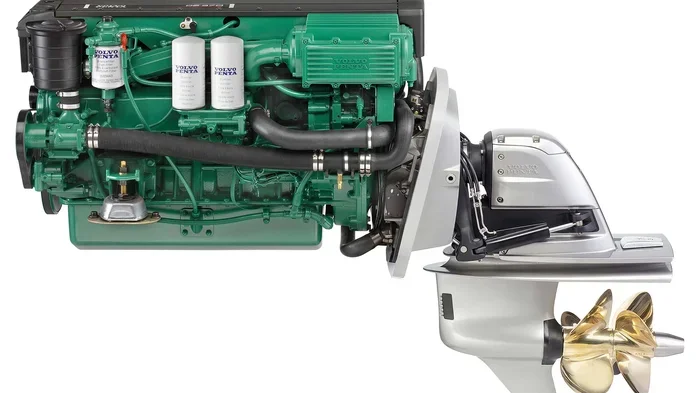
The Volvo Penta 5.7 is a gasoline-powered V8 marine engine designed for sterndrive applications. It belongs to the Volvo Penta 5.7 Series, which has been a staple in the recreational boating world since the 1990s. This engine is known for its robust construction and reliable performance in moderate to high-performance boating scenarios.
Volvo Penta is a Swedish manufacturer with a long history of producing marine and industrial engines. The Volvo Penta 5.7 shares design lineage with their automotive engines, which gives it a solid engineering foundation. It is a naturally aspirated engine, meaning it does not use forced induction like a turbocharger or supercharger.
Key Features of the Volvo Penta 5.7
- V8 Configuration: Eight cylinders arranged in a V shape for smooth power delivery.
- Displacement: 5.7 liters, providing a good balance of power and efficiency.
- Sterndrive Compatible: Designed to work with Volvo Penta sterndrive systems.
- Electronic Fuel Injection: Modern fuel delivery for better performance and efficiency.
- Freshwater Cooling: Standard cooling system for marine use.
- Horsepower Range: Typically outputs between 250 and 350 horsepower depending on the model year and configuration.
The Volvo Penta 5.7 is not the most powerful engine on the market, but it is far from weak. It provides enough grunt for water skiing, cruising, and light offshore fishing. Its reputation for durability has made it a go-to choice for many boat owners.
Engine Specifications and Performance
Understanding the numbers behind the Volvo Penta 5.7 helps you decide if it matches your boating needs. Let us look at the key specifications and what they mean in real-world performance.
Horsepower and Torque
The Volvo Penta 5.7 typically produces around 250 to 350 horsepower. Torque figures range from approximately 330 to 385 lb-ft. These numbers make it a strong performer for recreational boating. The engine delivers power smoothly across the RPM range, which is important for a comfortable ride.
When you compare the Volvo Penta 5.7 to other engines in its class, it holds its own. It may not match the top-end output of some larger V8 or V10 marine engines, but it offers a great balance of power and reliability. For most weekend boaters, the performance of the Volvo Penta 5.7 is more than adequate.
Fuel Economy
Fuel economy is always a consideration for boat owners. The Volvo Penta 5.7 is not the most fuel-efficient engine, but it is reasonable for a V8 sterndrive. Expect average fuel consumption of around 20 to 25 gallons per hour at wide-open throttle. At cruise speeds, consumption drops significantly.
Here are some general fuel economy benchmarks for the Volvo Penta 5.7:
- Idle: 1 to 2 gallons per hour
- Cruising (3,000 RPM): 8 to 12 gallons per hour
- Wide-Open Throttle: 20 to 25 gallons per hour
These figures can vary based on the boat, load, and conditions. Keeping your engine properly tuned and propeller matched helps improve efficiency.
Reliability and Longevity
One of the biggest questions any boat builder asks is: how long will this engine last? The Volvo Penta 5.7 has a solid reputation for reliability when properly maintained. Many owners report tens of thousands of hours of service before major issues arise.
Compared to other marine engines, the Volvo Penta 5.7 holds up well. It is not immune to problems, but its build quality gives it an edge over many competitors. The engine block, cylinder heads, and internal components are designed to handle the demands of marine use.
However, longevity depends heavily on maintenance. An engine that sits for long periods without use can develop issues just like any other machine. If you are someone who only boats occasionally, you need to be extra diligent about storage and maintenance. The Volvo Penta 5.7 does not like to sit idle for months at a time without proper preparation.
Factors That Affect Engine Longevity
- Regular Oil Changes: Stick to the manufacturer recommended intervals.
- Freshwater Flushing: Always flush the engine with fresh water after use in saltwater.
- Proper Storage: Use fuel stabilizer and fog oil when storing the engine.
- Timely Repairs: Address small issues before they become big problems.
- Quality Fuel: Use clean, high-quality marine gasoline.
Following these simple steps can help your Volvo Penta 5.7 last for many years. Think of it like maintaining any vehicle. The care you put in directly affects how long the engine performs well.
Common Issues and Maintenance Needs
No engine is perfect, and the Volvo Penta 5.7 is no exception. Understanding the common issues helps you stay ahead of potential problems. Here are some of the most frequently reported concerns among owners.
Overheating Problems
Overheating is one of the most common issues with the Volvo Penta 5.7. This can happen due to clogged raw water intake screens, faulty thermostats, or water pump failures. If your engine temperature gauge starts climbing, address it immediately. Continued overheating can cause serious internal damage.
Some owners have also reported issues with the engine warning lights. The difference between a check engine light and maintenance required light is important to understand. A check engine light signals a serious problem that needs attention, while a maintenance required light is more of a service reminder. Ignoring either one can lead to bigger issues over time.
Electrical Gremlins
Like many modern engines with electronic fuel injection, the Volvo Penta 5.7 can be prone to electrical issues. Faulty sensors, corroded connections, and wiring problems can trigger warning lights and affect performance. If your wrench light comes on, it could be related to a bad battery or a sensor malfunction. Always start with the basics when diagnosing electrical issues.
Regular Maintenance Schedule
Staying on top of maintenance is the best way to avoid major problems with the Volvo Penta 5.7. Here is a basic maintenance schedule:
- Every 100 Hours: Check and replace engine oil and filter. Inspect the raw water pump.
- Every 200 Hours: Replace the fuel filter. Check the cooling system. Inspect the drive oil.
- Every 500 Hours: Perform a major service including spark plug replacement and valve adjustment.
- Annually: Inspect the entire engine, including hoses, clamps, and electrical connections.
Sticking to this schedule keeps your Volvo Penta 5.7 running strong. It also helps maintain your warranty and preserves resale value.
How Does the Volvo Penta 5.7 Compare to Competitors?
The marine engine market is competitive, and the Volvo Penta 5.7 faces stiff competition from several brands. Let us look at how it stacks up against some popular alternatives.
Volvo Penta 5.7 vs. Mercury MerCruiser
Mercury MerCruiser engines are the biggest rival to the Volvo Penta 5.7. Both are V8 sterndrive engines with similar horsepower ranges. Mercury engines are often praised for their smooth operation and widespread dealer network. Volvo Penta engines tend to have a slight edge in durability and long-term reliability.
Volvo Penta 5.7 vs. Ilmor Marine
Ilmor Marine engines are known for their high-performance capabilities. They often outperform the Volvo Penta 5.7 in raw power. However, Ilmor engines come at a premium price. The Volvo Penta 5.7 offers better value for recreational boaters who do not need extreme performance.
In terms of real-world reliability, the Volvo Penta 5.7 competes well. While some brands may offer more horsepower or better fuel economy, the overall package of the Volvo Penta 5.7 is hard to beat for the price. It is a well-rounded engine that excels in the areas that matter most to most boat owners.
Is the Volvo Penta 5.7 Right for Your Build?
The Volvo Penta 5.7 is best suited for certain types of builds. It works great for recreational boats, fishing boats, and bowriders. If you are building a high-performance race boat or a large cruiser, you may want to look at bigger engine options.
Consider your specific needs before choosing the Volvo Penta 5.7. Think about the type of boating you do, the size of your boat, and your budget. For most weekend warriors and casual boaters, this engine is an excellent choice.
Expert Tips for Getting the Most Out of Your Volvo Penta 5.7
If you have decided to go with the Volvo Penta 5.7 for your build, here are some expert tips to help you get the best results.
- Buy from a Reputable Dealer: Make sure you purchase from an authorized Volvo Penta dealer. This ensures proper installation and warranty coverage.
- Invest in Quality Parts: Use genuine Volvo Penta parts or high-quality aftermarket alternatives. Cheap parts can lead to premature failures.
- Keep Detailed Records: Document every service, repair, and inspection. This history is valuable for resale and troubleshooting.
- Monitor Your Gauges: Pay attention to temperature, RPM, and oil pressure. Catching problems early saves money and prevents breakdowns.
- Join Online Communities: There are many forums and groups dedicated to Volvo Penta owners. These communities are great resources for tips and troubleshooting advice.
The Volvo Penta 5.7 is a proven engine that rewards proper care and attention. Follow these tips and you will enjoy many years of reliable service on the water.
Conclusion
So, is the Volvo Penta 5.7 a good engine? The answer is a resounding yes for most boat builders and recreational boaters. It offers strong performance, solid reliability, and good value for the money. Like any engine, it requires proper maintenance and care, but the rewards are well worth the effort.
The Volvo Penta 5.7 may not be the most powerful or the most fuel-efficient engine on the market, but it delivers where it counts. It is dependable, relatively easy to maintain, and backed by a strong manufacturer support network. If you are planning your next boat build, the Volvo Penta 5.7 deserves a serious look.
Take the time to research, talk to other owners, and consult with your dealer before making a final decision. The right engine makes all the difference in your boating experience, and the Volvo Penta 5.7 is a strong contender in that regard.
Frequently Asked Questions
How many horsepower does the Volvo Penta 5.7 produce?
The Volvo Penta 5.7 typically produces between 250 and 350 horsepower depending on the specific model year and configuration. Always check the exact specs for the engine you are considering.
Is the Volvo Penta 5.7 a good engine for saltwater use?
Yes, the Volvo Penta 5.7 can be used in saltwater, but you must flush the engine with fresh water after every use. Saltwater exposure without proper flushing can cause corrosion and premature wear.
How often should I change the oil in my Volvo Penta 5.7?
Oil changes should be performed every 100 hours of operation or at least once per year, whichever comes first. Use the manufacturer recommended oil grade for best results.
What is the average lifespan of a Volvo Penta 5.7 engine?
With proper maintenance, a Volvo Penta 5.7 can last for thousands of hours of operation. Many owners report 1,500 to 3,000 hours or more before needing major engine work.
Can I use a Volvo Penta 5.7 in a freshwater boat?
Absolutely. The Volvo Penta 5.7 works well in freshwater applications. In fact, freshwater use is easier on the engine since there is less risk of corrosion compared to saltwater.
What should I do if my Volvo Penta 5.7 overheats?
If your engine overheats, stop immediately and let it cool down. Check the raw water intake for debris, inspect the thermostat, and verify the water pump is functioning. If you cannot identify the issue, contact a certified Volvo Penta technician.