O2 Sensor in Car Price How Much Does Replacement Cost
The O2 sensor in car price typically ranges from $20 to $100 for the part alone, while professional replacement costs between $150 and $550 depending on your vehicle model and sensor location. Understanding the factors that drive the O2 sensor replacement cost can save you hundreds of dollars and keep your car running smoothly. This guide breaks down everything you need to know about oxygen sensor pricing, symptoms of failure, and whether you can DIY the repair.
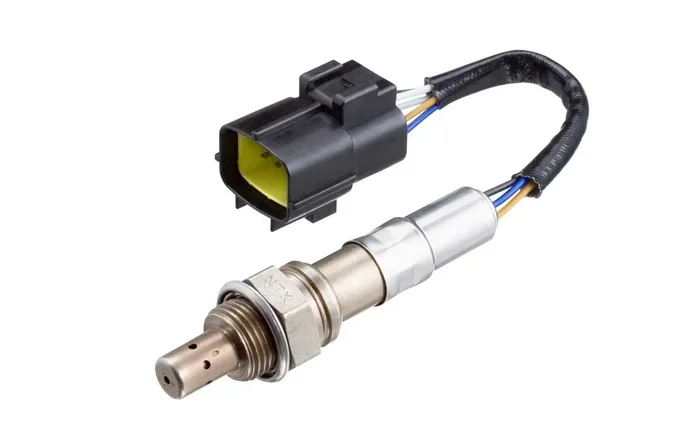
Your car has a small but mighty component that keeps everything running right. The oxygen sensor, also known as the O2 sensor, monitors the amount of unburned oxygen in your exhaust. It sends real-time data to your engine control unit so the fuel mix stays balanced. When this little part goes bad, your car suffers in more ways than one.
So what does an O2 sensor in car price actually look like? The answer depends on several factors. Your vehicle make and model, the sensor location, whether you choose OEM or aftermarket parts, and whether you do the work yourself all play a role. This guide walks you through every cost factor, tells you how to spot a failing sensor, and helps you decide the best path forward.
Let’s be honest. Nobody wants to spend money on car repairs they don’t understand. But the O2 sensor replacement cost is one of those repairs you should not skip. A bad oxygen sensor can tank your gas mileage, cause rough idling, and even lead to expensive catalytic converter damage. The good news? It is one of the more affordable fixes you can make.
Whether you drive a compact sedan or a full-size truck, the oxygen sensor price will vary. But in most cases, you are looking at a relatively simple and inexpensive repair. Let us break down exactly what to expect.
Key Takeaways
- Part costs vary widely: O2 sensor prices range from $20 to $100 per unit depending on brand and vehicle type.
- Labor adds significant cost: Professional replacement typically costs $100 to $350 in labor alone.
- Location matters: Upstream sensors are usually cheaper and easier to replace than downstream sensors.
- DIY can save big: Replacing an O2 sensor yourself can cut total costs by 50% or more.
- Ignoring a bad sensor hurts: A failing oxygen sensor reduces fuel economy and can damage your catalytic converter.
- Multiple sensors add up: Some vehicles have up to four O2 sensors, so costs multiply if more than one fails.
- Quality matters: OEM sensors cost more but offer better reliability than budget aftermarket options.
📑 Table of Contents
- What Is an O2 Sensor and Why Does It Matter?
- O2 Sensor in Car Price Breakdown
- What Affects the O2 Sensor Price
- Can You Replace an O2 Sensor Yourself?
- Common Mistakes When Replacing O2 Sensors
- How to Save Money on O2 Sensor Replacement
- How Often Do O2 Sensors Need Replacement?
- The Environmental Impact of a Bad O2 Sensor
- When to Replace vs Repair
- Final Thoughts on O2 Sensor Replacement Cost
What Is an O2 Sensor and Why Does It Matter?
The oxygen sensor sits in your exhaust system and measures how much oxygen is left in your exhaust gases. Your car’s computer uses this data to adjust the air-fuel mixture. Think of it as the brain’s fuel calculator. Without accurate readings from the O2 sensor, your engine runs too rich or too lean.
How the O2 Sensor Works
Here is a simple way to think about it. Your engine needs the perfect blend of fuel and air to run efficiently. Too much fuel and you waste gas. Too little and the engine struggles. The oxygen sensor checks the exhaust output and reports back. Your ECU then adjusts the fuel injection accordingly. This happens thousands of times per minute.
Most modern vehicles have at least two oxygen sensors. The upstream sensor sits before the catalytic converter. The downstream sensor sits after it. Together, they help your car meet emissions standards and run smoothly.
Symptoms of a Failing Oxygen Sensor
How do you know your O2 sensor is going bad? Watch for these warning signs:
- Check engine light: This is the most common indicator. A faulty sensor triggers the OBD-II code P0135 or similar.
- Poor fuel economy: A bad sensor causes your engine to burn more fuel than needed.
- Rough idle or stalling: An imbalanced fuel mix makes your engine run unevenly.
- Failed emissions test: Your car may not pass a smog check with a malfunctioning O2 sensor.
- Rotten egg smell: Excess fuel in the exhaust creates a sulfur-like odor.
- Engine misfires: A rich fuel mixture can cause sputtering or hesitation.
If you notice any of these symptoms, get your oxygen sensor checked right away. Ignoring the problem only makes it worse and more expensive.
O2 Sensor in Car Price Breakdown
Now let us get to the numbers. The O2 sensor in car price depends on several key factors. Understanding these helps you budget and avoid surprises at the repair shop.
Part Cost: OEM vs Aftermarket
The sensor itself is the biggest variable. OEM (original equipment manufacturer) sensors cost more but are designed specifically for your vehicle. Aftermarket sensors from brands like Denso, Bosch, or NTK offer solid alternatives at lower prices.
Here is a quick look at typical part costs:
- Budget aftermarket sensors: $20 to $45 per unit
- Mid-range aftermarket sensors: $45 to $75 per unit
- OEM sensors: $75 to $120 per unit
- Direct-fit premium sensors: $100 to $150 per unit
As you can see, the oxygen sensor replacement cost for the part alone varies quite a bit. The brand you choose and your vehicle type make a big difference.
Labor Cost for O2 Sensor Replacement
Labor is the other half of the equation. Most shops charge between $80 and $150 per hour. The actual replacement usually takes 30 minutes to an hour for an accessible sensor. But if the sensor is stuck or hard to reach, labor time increases.
Here is what to expect for labor costs:
- Easy access sensors: $50 to $100 in labor
- Moderately difficult sensors: $100 to $200 in labor
- Hard-to-reach sensors (rear bank): $150 to $350 in labor
Downstream sensors near the catalytic converter often cost more to replace. They are harder to reach and may require removing heat shields or exhaust components.
Total Replacement Cost by Vehicle Type
Your vehicle type has a huge impact on the overall O2 sensor price. Here is a comparison table showing typical total costs:
| Vehicle Type | Part Cost | Labor Cost | Total Cost |
|---|---|---|---|
| Compact Car (Honda Civic, Toyota Corolla) | $25 – $60 | $50 – $100 | $75 – $160 |
| Mid-Size Sedan (Camry, Accord) | $30 – $80 | $60 – $120 | $90 – $200 |
| SUV (RAV4, Explorer) | $40 – $100 | $80 – $200 | $120 – $300 |
| Truck (F-150, Silverado) | $50 – $100 | $100 – $350 | $150 – $450 |
| Luxury Vehicle (BMW, Mercedes) | $80 – $150 | $150 – $400 | $230 – $550 |
As you can see, luxury vehicles and trucks tend to cost more. The sensors are pricier, and the labor is more involved. But even the highest O2 sensor in car price range is still one of the more affordable repairs you can do.
Cost by Sensor Location
Not all oxygen sensors are created equal when it comes to replacement cost. Where the sensor sits in your exhaust system matters a lot.
Upstream O2 Sensor (Bank 1 Sensor 1): This sensor sits before the catalytic converter. It is usually the easiest to access and replace. The O2 sensor price for upstream sensors tends to be lower, with total costs often under $200.
Downstream O2 Sensor (Bank 1 Sensor 2): This sensor sits after the catalytic converter. It is harder to reach and may require more labor. Replacement costs run higher, especially on trucks and SUVs.
Bank 2 Sensors: If your engine has multiple banks, Bank 2 sensors are on the opposite side from Bank 1. These can be tricky to access depending on your engine layout, adding to the labor cost.
What Affects the O2 Sensor Price
Several factors influence the final oxygen sensor replacement cost. Knowing these helps you make smart decisions and avoid overpaying.
Vehicle Make and Model
This is the single biggest factor. A Honda Civic O2 sensor costs much less than a Mercedes-Benz sensor. Import vehicles sometimes have pricier sensors than domestic brands. And luxury brands often use proprietary sensors that carry a premium price tag.
When shopping for parts, always confirm the correct part number for your specific vehicle year, make, and model. Using the wrong sensor can lead to poor performance and wasted money.
Number of Sensors
Modern cars can have two, three, or even four oxygen sensors. If more than one sensor fails, your total cost goes up. Some vehicles have dual exhaust systems, which means double the sensors and double the labor.
Before committing to replacement, have a mechanic run a diagnostic scan. This tells you exactly which sensor is causing the problem and whether more than one needs attention.
Sensor Quality and Brand
Not all O2 sensors are built the same. Cheap sensors may save money upfront but can fail prematurely. Premium sensors from trusted brands like Bosch, Denso, and NTK offer better durability and more accurate readings.
Here is a quick tip: spend a little more on a quality sensor. It will last longer and perform better. The extra $20 or $30 is worth it compared to replacing a cheap sensor again in six months.
Age and Condition of the Vehicle
Older vehicles sometimes have corroded or seized sensor threads. Removing a stuck sensor requires extra labor, penetrating oil, and sometimes even exhaust tool kits. This can add $50 to $150 to the labor cost.
If your vehicle has high mileage, it is worth checking all sensors at once. When one goes bad, others may not be far behind.
Can You Replace an O2 Sensor Yourself?
Absolutely. Replacing an oxygen sensor is one of the easier DIY car repairs. If you have basic tools and a little mechanical experience, you can save a significant amount on labor costs.
What You Need for a DIY Replacement
Here is what you will need:
- New O2 sensor: Make sure it matches your vehicle specifications.
- Oxygen sensor socket: Usually a 7/8 inch or 22mm socket.
- Ratchet and extension: For reaching sensors in tight spaces.
- Penetrating oil: PB Blaster or WD-40 helps loosen stuck sensors.
- Anti-seize compound: Apply to the threads for easier removal next time.
- OBD-II scanner: To clear error codes after replacement.
Steps to Replace the Sensor
Follow these steps for a smooth replacement:
- Locate the sensor: Refer to your vehicle service manual for the exact location.
- Apply penetrating oil: Spray the sensor threads and let it sit for 10 to 15 minutes.
- Disconnect the wiring: Unplug the sensor connector carefully.
- Remove the old sensor: Use the oxygen sensor socket and ratchet to unscrew it.
- Apply anti-seize: Coat the new sensor threads lightly with anti-seize compound.
- Install the new sensor: Hand-thread it first, then tighten with the socket.
- Reconnect the wiring: Plug the connector back in securely.
- Clear error codes: Use your OBD-II scanner to reset the check engine light.
- Test drive: Take the car for a short drive and monitor performance.
Quick Tip: Never apply torque to the sensor connector. Always grip the sensor body when removing it. Applying force to the wiring can damage the sensor and create additional repair costs.
DIY replacement can cut your total O2 sensor in car price by 50% or more. You pay only for the part and save the entire labor charge. For most people, this is the smartest way to handle an oxygen sensor replacement.
Common Mistakes When Replacing O2 Sensors
Even simple repairs come with pitfalls. Here are the most common mistakes to avoid:
- Replacing the wrong sensor: Always confirm the exact sensor code before buying a replacement. Using the wrong sensor wastes money and time.
- Skipping the diagnostic scan: A check engine light does not always mean a bad O2 sensor. Other issues like vacuum leaks or fuel injector problems can cause similar symptoms.
- Using cheap sensors: Budget sensors may fail within months. Investing in a quality part from a reputable brand saves money in the long run.
- Over-tightening the sensor: Oxygen sensors are threaded into the exhaust. Over-tightening can strip the threads or crack the sensor body.
- Ignoring the wiring harness: Corroded or damaged wiring can cause the same problems as a bad sensor. Always inspect the connector and harness before replacing the sensor.
- Not clearing error codes: After replacement, always use a scanner to clear codes. Otherwise the check engine light stays on even after the fix.
Expert Insight: Many car owners replace an O2 sensor only to find the check engine light comes back on. This usually means the underlying problem was not the sensor at all. Always get a proper diagnosis before replacing any part.
How to Save Money on O2 Sensor Replacement
Nobody wants to overpay for car repairs. Here are proven ways to keep your O2 sensor replacement cost as low as possible.
Compare Parts Prices Online
Before visiting a repair shop, check online retailers like RockAuto, Amazon, and AutoZone. You can often find the same sensor for 30% to 50% less than what the shop charges. Bring the part to a shop and ask them to install it. Many mechanics will do this for a lower labor rate since they do not need to source the part.
Get Multiple Repair Quotes
Do not settle for the first quote you get. Visit two or three shops or use online platforms like RepairPal or YourMechanic to compare O2 sensor price estimates. The difference between shops can be $100 or more for the same repair.
Address the Problem Early
A failing O2 sensor is a cheap fix when caught early. If you ignore it, you risk damaging your catalytic converter. Replacing a catalytic converter costs $1,000 to $2,500 or more. That is a lot more expensive than a $150 oxygen sensor replacement.
Use Quality Aftermarket Parts
You do not always need OEM sensors. High-quality aftermarket sensors from Denso, Bosch, or NTK perform just as well at a fraction of the cost. Look for sensors with good warranty coverage, typically 1 to 3 years.
How Often Do O2 Sensors Need Replacement?
Oxygen sensors are designed to last a long time. Most OEM sensors have a lifespan of 60,000 to 100,000 miles. Aftermarket sensors may last a similar range depending on quality.
However, several factors can shorten sensor life:
- Contaminated fuel: Poor quality fuel or excessive oil consumption can foul the sensor.
- Coolant leaks: Coolant entering the exhaust system damages the sensor element.
- Oil leaks: Excessive oil consumption from worn valve seals or piston rings coats the sensor.
- Age and mileage: Like all car parts, sensors wear out over time and need replacement eventually.
If your vehicle has over 80,000 miles and you notice any symptoms of a bad O2 sensor, it is worth getting the sensor checked. Preventive replacement is always cheaper than fixing the damage caused by a failed sensor.
The Environmental Impact of a Bad O2 Sensor
Beyond the cost to your wallet, a failing oxygen sensor hurts the environment. A bad sensor causes your engine to run rich, meaning it burns more fuel than necessary. This produces higher levels of harmful emissions including carbon monoxide, nitrogen oxides, and unburned hydrocarbons.
Your O2 sensor plays a critical role in helping your car pass emissions testing. If the sensor is malfunctioning, your vehicle may not meet state or federal emissions standards. Replacing a bad sensor is one of the simplest ways to keep your car environmentally friendly and legally road-worthy.
So the O2 sensor in car price is really an investment. A relatively small repair now prevents bigger problems later and keeps your car running clean and efficient.
When to Replace vs Repair
Sometimes the problem is not the sensor itself but the wiring or connector. Before you buy a new O2 sensor, have a mechanic inspect the following:
- Connector condition: Look for corrosion, melted pins, or loose connections.
- Wiring harness: Check for frayed wires, chafing, or heat damage.
- Exhaust leaks: A leak near the sensor can cause inaccurate readings.
- ECU issues: In rare cases, the problem lies with the engine control unit itself.
If the sensor wiring or connector is the issue, you may only need a simple repair instead of a full sensor replacement. This can save you significant money on the O2 sensor price.
Key Takeaway: Always get a proper diagnosis before replacing any part. A $50 wiring repair beats a $150 sensor replacement every time.
Final Thoughts on O2 Sensor Replacement Cost
The O2 sensor in car price is one of the more affordable repairs you will face as a car owner. In most cases, you are looking at $100 to $300 for a complete replacement including parts and labor. Even for luxury vehicles, costs rarely exceed $550.
The key is to act quickly when you notice symptoms. Ignoring a bad oxygen sensor leads to wasted fuel, poor performance, and potential damage to expensive components like the catalytic converter. The longer you wait, the more it costs.
Whether you choose a professional shop or a DIY approach, the fix is straightforward. Buy the right sensor for your vehicle, follow proper installation steps, and clear any error codes afterward. Your car will run better, use less fuel, and pass emissions tests with ease.
Take care of your oxygen sensor, and your car takes care of you. It is a small part that makes a big difference.
Frequently Asked Questions
How much does it cost to replace an O2 sensor?
The total O2 sensor in car price typically ranges from $150 to $550 including both parts and labor. The part alone costs $20 to $150 depending on brand and vehicle type. Labor charges add $80 to $350 depending on the sensor location and your local shop rates.
Can I drive with a bad O2 sensor?
Yes, you can drive short distances with a failing oxygen sensor. However, doing so reduces fuel economy, increases emissions, and risks damaging your catalytic converter. It is best to replace the sensor as soon as possible to avoid more expensive repairs down the road.
How long does O2 sensor replacement take?
A professional mechanic usually takes 30 minutes to one hour per sensor. DIY replacements take about the same amount of time for accessible sensors. Hard-to-reach downstream sensors may take longer, especially if the sensor is stuck or corroded.
What happens if I don’t replace a bad O2 sensor?
A neglected bad sensor causes poor fuel economy, rough idling, engine misfires, and failed emissions tests. Over time, the rich fuel mixture can damage your catalytic converter, which costs $1,000 or more to replace. Addressing the problem early saves significant money.
Are aftermarket O2 sensors as good as OEM?
High-quality aftermarket sensors from brands like Denso, Bosch, and NTK perform just as well as OEM sensors at a lower price. Look for sensors with good warranty coverage and positive customer reviews. Avoid the cheapest no-name options, as they tend to fail prematurely.
How often should I replace my O2 sensor?
Most oxygen sensors last 60,000 to 100,000 miles. However, sensors can fail earlier due to contamination, oil leaks, or coolant entering the exhaust. If you notice symptoms like poor fuel economy or a check engine light, get the sensor inspected regardless of mileage.
=== CONCLUSION ===
The O2 sensor in car price is one of the most reasonable repairs you can make. With part costs starting as low as $20 and total replacement costs typically under $300 for most vehicles, it is a smart investment in your car’s health and performance. Whether you choose professional installation or tackle the job yourself, addressing a bad oxygen sensor quickly saves fuel, reduces emissions, and prevents costly downstream damage.
Remember to diagnose the problem correctly, choose a quality sensor, and act before the issue escalates. Your car, your wallet, and the environment will all thank you.