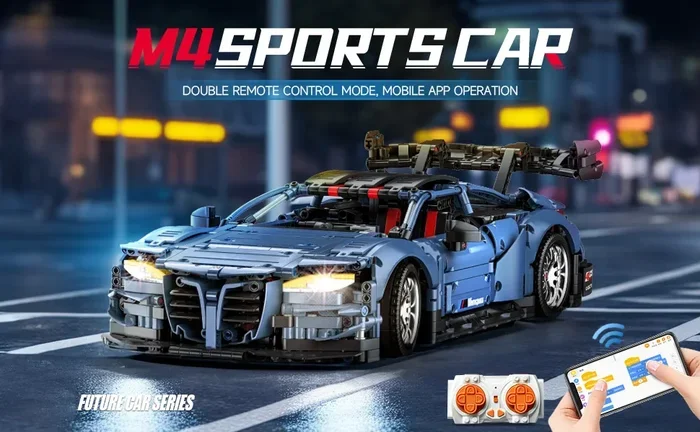
Build Your Dream Remote Control Car With This Assembly Kit Guide
Building a remote control car from a remote control car assembly kit is one of the most rewarding hobbies you can start. This guide walks you through every step, from choosing the right RC car kit to finishing your DIY RC car with confidence. You will learn about essential remote control car parts, assembly techniques, and maintenance tips. Whether you are a complete beginner or a seasoned hobbyist, this guide has something valuable for you. By the end, you will feel ready to build and enjoy your very own radio controlled car.
Key Takeaways
- Choose the right kit: Match your RC car assembly kit to your skill level and budget for the best experience.
- Know your components: Understanding the remote control car parts makes assembly faster and more enjoyable.
- Follow step-by-step instructions: A methodical approach prevents mistakes and saves time during RC car building.
- Start simple: Beginner-friendly hobby-grade RC car kits build confidence before tackling advanced projects.
- Maintain your car: Regular care keeps your remote control vehicle running smoothly for years.
- Upgrade as you go: Start with a basic electric RC car kit and add features over time.
- Join a community: Connecting with other RC car enthusiasts boosts your skills and fun.
📑 Table of Contents
What Is a Remote Control Car Assembly Kit?
A remote control car assembly kit is a box full of parts, tools, and instructions that let you build a working radio controlled car from scratch. Think of it as a puzzle where every piece matters. You get the RC car chassis, motor, wheels, body shell, and electronics all in one package.
These kits come in many shapes and sizes. Some are simple electric RC car builds for kids. Others are complex nitro RC car setups for serious hobbyists. The beauty of a DIY RC car kit is that you control every choice. You decide what goes where, how fast it goes, and what it looks like.
Unlike buying a ready-to-run car, building from a remote control car parts kit teaches you how things work. You learn about gears, circuits, and suspension systems. This hands-on knowledge makes you a better builder and driver over time.
Types of RC Car Assembly Kits
Not all kits are the same. Here are the main types you will find when shopping for a remote control car assembly kit:
- Electric kits: Battery-powered and clean. Great for indoor use and beginners.
- Nitro kits: Use fuel engines for realistic engine sounds and more speed.
- Gas kits: Larger scale models that run on gasoline mixtures.
- Toy-grade kits: Affordable and simple, perfect for first-time builders.
- Hobby-grade kits: Higher quality, more customizable, and built to last.
Each type has its own charm. Electric RC car kits are the most popular starting point. They are quiet, easy to maintain, and fast to assemble. Nitro and gas kits offer a more realistic experience but need more care and knowledge.
Why Build Your Own RC Car?
You might wonder why anyone would build a car from a kit when you can buy one already assembled. The answer is simple: building your own remote control car is a completely different experience. It is creative, educational, and deeply satisfying.
When you finish a DIY RC car, you feel a sense of pride that no store-bought model can match. You know every screw, every wire, and every gear inside your machine. That knowledge gives you confidence when something goes wrong. You can fix it yourself.
Here are some top reasons people love RC car building:
- Creativity: You choose the colors, the body style, and the upgrades.
- Learning: You understand how remote control vehicles actually work.
- Cost savings: Building kits often cost less than ready-made models.
- Customization: You can upgrade parts as your skills grow.
- Bonding: It is a great activity to share with family and friends.
- Problem-solving: Every build teaches you new RC car assembly skills.
Many people start with a simple hobby-grade RC car kit and quickly move to more advanced projects. The hobby has no ceiling. There is always something new to learn, a new RC car motor to try, or a new RC car body shell design to explore.
Key Components of an RC Car Assembly Kit
Before you start building, it helps to know what is inside your remote control car assembly kit. Understanding each remote control car part makes the process smoother and more enjoyable. Let us break down the main components.
The Chassis
The RC car chassis is the skeleton of your vehicle. It holds everything together. Most kits include a chassis made from plastic or aluminum. The chassis determines how stable your car feels on different surfaces. A wider chassis offers better stability, while a lighter one moves faster.
The Motor and Drivetrain
The RC car motor is the heart of your build. Electric kits use small DC motors powered by rechargeable batteries. Nitro kits use small combustion engines. The drivetrain includes gears and shafts that transfer power from the motor to the wheels. The RC car gearbox plays a big role in how fast and how strong your car performs.
The Suspension System
A good RC car suspension absorbs bumps and keeps your car steady. Most kits include shock absorbers, springs, and linking arms. Adjusting the suspension changes how your car handles turns and rough terrain. This is one of the most fun parts of RC car building because small changes make a big difference.
The Transmitter and Receiver
The RC car transmitter is the handheld controller you hold in your hand. The RC car receiver sits inside the car and picks up signals from the transmitter. Together, they let you steer, accelerate, and brake. Most basic kits use a simple two-channel system for steering and speed.
The Body Shell and Wheels
The RC car body shell is the outer covering that gives your car its look. You can choose from cars, trucks, buggies, and more. The RC car wheels and tires affect grip and speed. Soft tires work well on rough terrain, while hard tires slide better on smooth surfaces.
The Battery and Electronics
For electric kits, the RC car battery powers everything. Most modern kits use lithium-polymer or nickel-metal hydride batteries. The electronic speed controller manages how much power reaches the motor. This small but important part lets you control speed smoothly and safely.
Step-by-Step Assembly Guide for Your Remote Control Car
Now comes the fun part. Building your remote control car from a kit is easier than you might think. Follow these steps carefully, and you will have a working car in no time.
Step 1: Unbox and Organize
Open your RC car kit and lay out all the parts on a clean table. Check the instruction manual for a parts list. Make sure nothing is missing. Organize small parts like screws and gears into small containers. This simple step saves you from frustration later.
Step 2: Build the Chassis and Drivetrain
Start with the RC car chassis. Attach the motor mount and install the RC car motor. Connect the drivetrain components, including the RC car gearbox and drive shafts. Tighten all screws firmly but do not overtighten, as this can strip the threads.
Step 3: Install the Suspension
Mount the shock absorbers and suspension arms to the chassis. Connect the springs and adjust them to your preference. The suspension should feel firm but flexible. This step is crucial for a smooth ride, especially if you plan to drive your remote control vehicle off-road.
Step 4: Wire the Electronics
Connect the RC car receiver to the electronic speed controller and steering servo. Follow the wiring diagram in your manual carefully. Double-check every connection before moving on. A loose wire here can cause big problems later.
Step 5: Attach the Body Shell and Wheels
Mount the RC car body shell onto the chassis using the provided clips or screws. Attach the RC car wheels and tires to all four hubs. Make sure the wheels spin freely and are aligned properly. Misaligned wheels cause your car to pull to one side.
Step 6: Test and Adjust
Turn on your RC car transmitter and the car. Test the steering and throttle gently. Make small adjustments to the suspension, wheels, or electronics as needed. This testing phase is where you really learn your remote control car assembly kit inside and out.
Quick Tips for a Smooth Build
- Work on a clean, well-lit surface to avoid losing small parts.
- Keep the instruction manual open and visible at all times.
- Use the right-sized screwdrivers to avoid stripping screws.
- Take photos during assembly to help with troubleshooting later.
- Do not rush. Patience leads to a better finished product.
- Test each subsystem before moving to the next step.
Choosing the Right RC Car Kit for Your Skill Level
Not every remote control car assembly kit is right for everyone. Picking the wrong one leads to frustration and disappointment. Matching your kit to your skill level is the key to enjoying RC car building from day one.
Beginner Kits
If you have never built an RC car before, start with a simple electric kit. Look for kits labeled “beginner-friendly” or “easy assembly.” These kits have fewer parts, clear instructions, and basic electronics. A good beginner RC car building experience builds confidence and teaches fundamentals.
Popular beginner options include 1/10 scale electric buggies and touring cars. They are affordable, durable, and fun to drive right out of the box after assembly.
Intermediate Kits
Once you have built a few cars, try an intermediate kit. These often include adjustable suspension, better electronics, and more customization options. You might explore a hobby-grade RC car kit with a brushless motor for improved performance.
Intermediate kits introduce you to concepts like gear ratios, tire selection, and suspension tuning. They challenge your skills without overwhelming you.
Advanced Kits
Experienced builders often seek out advanced nitro RC car or gas-powered kits. These require more knowledge and patience. They offer the most realistic driving experience but demand careful maintenance. Advanced kits are perfect for those who want to master RC car assembly at the highest level.
Comparison Table: Kit Types by Skill Level
| Skill Level | Kit Type | Power Source | Difficulty | Cost Range |
|---|---|---|---|---|
| Beginner | Toy-grade electric | Battery | Easy | $30 – $80 |
| Beginner | Hobby-grade electric | Battery | Moderate | $80 – $200 |
| Intermediate | Hobby-grade electric | Battery | Moderate | $150 – $350 |
| Intermediate | Nitro buggy | Nitro fuel | Challenging | $200 – $400 |
| Advanced | Nitro/gas truck | Fuel | Difficult | $300 – $600+ |
Use this table as a starting point. Prices vary by brand and features. The best RC car kit is the one that matches where you are right now and where you want to grow.
Maintenance Tips for Your Newly Built RC Car
Congratulations, you built your remote control car! But the work does not stop there. Proper maintenance keeps your DIY RC car running strong for months and years.
Clean After Every Session
Dirt, dust, and debris can damage your remote control vehicle over time. After each drive, wipe down the chassis and check the wheels. Use a soft brush to clean hard-to-reach areas around the motor and electronics.
Check the Battery Regularly
Your RC car battery needs proper care. Never overcharge it, and never run it completely dead. Store batteries in a cool, dry place. A well-maintained battery lasts many more charge cycles and keeps your electric RC car performing at its best.
Lubricate Moving Parts
The RC car gearbox and suspension joints need regular lubrication. Apply a small amount of silicone-based grease to gears and shock absorbers. This reduces wear and keeps everything moving smoothly.
Inspect Screws and Connections
Vibration from driving loosens screws over time. Every few sessions, check all bolts and connections. Tighten anything that feels loose. This simple habit prevents parts from falling off during a drive.
Store Properly
When not in use, store your remote control car assembly kit components in a protective case. Keep the body shell separate to avoid scratches. Proper storage protects your investment and keeps everything ready for the next build or race.
Common Mistakes to Avoid
- Skipping the manual: The instruction guide exists for a reason. Follow it closely.
- Overtightening screws: This strips threads and damages plastic parts.
- Using the wrong battery: Always match your battery to the motor and electronics specifications.
- Ignoring alignment: Misaligned wheels cause uneven tire wear and poor handling.
- Rushing the build: Patience leads to better results and fewer mistakes.
Expert Insights on RC Car Building
Experienced RC car enthusiasts agree that the learning curve is part of the fun. You will make mistakes, and that is okay. Every error teaches you something valuable about RC car assembly and how remote control vehicles work. Many builders say their first car was imperfect, but each build improved their skills.
One pro tip from seasoned builders: always buy spare parts with your kit. Tires, screws, and gears wear out over time. Having extras on hand means you can fix problems immediately and keep driving without long waits.
Conclusion
Building a remote control car from a remote control car assembly kit is one of the most fulfilling hobbies you can pursue. You learn real mechanical and electrical skills. You create something with your own hands. And you end up with a DIY RC car that is truly yours.
Start with a kit that matches your level. Take your time with each step. Enjoy the process of RC car building as much as the driving. Whether you choose a simple electric RC car kit or dream of a roaring nitro RC car, the journey of building is where the magic happens.
Now that you have this guide, you have everything you need to get started. Open that kit, follow the steps, and bring your remote control car to life. The road ahead is full of speed, creativity, and countless hours of fun.
Frequently Asked Questions
What is a remote control car assembly kit?
A remote control car assembly kit is a package that contains all the parts, tools, and instructions you need to build a working RC car from scratch. It includes the chassis, motor, wheels, electronics, and body shell.
Do I need any special tools to build an RC car kit?
Most kits include the basic tools you need, such as screwdrivers and pliers. However, having a small wrench set and a hobby knife on hand makes the RC car assembly process smoother and more enjoyable.
Can beginners build a remote control car from a kit?
Absolutely. Many RC car kits are designed specifically for beginners. Look for electric kits with clear instructions and fewer parts. You will learn RC car building skills quickly and confidently.
How long does it take to assemble an RC car kit?
A beginner kit typically takes 2 to 4 hours to complete. More advanced hobby-grade RC car kits may take a full day or longer. The time depends on your experience level and the complexity of the remote control vehicle.
What is the difference between electric and nitro RC car kits?
Electric RC car kits use batteries and are clean, quiet, and easy to maintain. Nitro RC car kits use fuel and offer realistic engine sounds and more speed. Electric kits are best for beginners, while nitro kits suit more experienced builders.
How do I maintain my newly built RC car?
Clean your car after each drive, check the RC car battery regularly, lubricate moving parts, and inspect screws for looseness. Proper maintenance keeps your DIY RC car running smoothly for a long time.
=== END ===