Remote Control Kit for Toy Car How to Pick the Best
Choosing the right remote control kit for toy car can be exciting and a little overwhelming. This guide walks you through everything you need to know, from key features to top picks. You will learn how to match the kit to your skill level, budget, and fun goals.
Have you ever wanted to build your own remote control kit for toy car from scratch? Maybe you already have a box of parts sitting on a shelf and you are not sure what to do with them. Either way, you have come to the right place. This guide is here to help you find the perfect kit for your needs.
Building or upgrading a toy car with a remote control kit for toy car is one of the most fun projects you can do. It does not matter if you are a kid or a kid at heart. The thrill of watching your car zoom across the floor after you put it together is hard to beat. But with so many options out there, picking the right one can feel confusing.
That is exactly why we wrote this guide. We will walk you through every important detail. You will learn what parts matter, how to choose the right RC car kit, and what mistakes to avoid. By the end, you will feel confident and ready to make a great choice.
Key Takeaways
- Match the kit to your skill level: Beginners should start with simple plug-and-play kits, while advanced users can enjoy full assembly sets.
- Check the frequency and range: A good 2.4GHz radio system gives you a reliable signal with no interference from other cars.
- Battery life matters a lot: Look for kits that use rechargeable lithium polymer batteries for longer run times and better performance.
- Build quality counts: Durable chassis materials like aluminum or reinforced plastic help your toy car last longer through crashes and rough play.
- Speed and control go hand in hand: A good speed controller and responsive steering servo make the driving experience much more fun.
- Read reviews before buying: Real user feedback helps you avoid common problems and find kits that deliver the best value.
📑 Table of Contents
- What Is a Remote Control Kit for Toy Car?
- Key Features to Look For in a Remote Control Kit
- How to Choose the Right Kit for Your Skill Level
- Top Things to Consider Before Buying
- Common Mistakes to Avoid
- Quick Tips for Getting the Most Out of Your Kit
- How to Assemble Your Remote Control Kit for Toy Car
- Where to Buy the Best Remote Control Kits
- Maintenance Tips to Keep Your RC Car Running Strong
- Conclusion
What Is a Remote Control Kit for Toy Car?
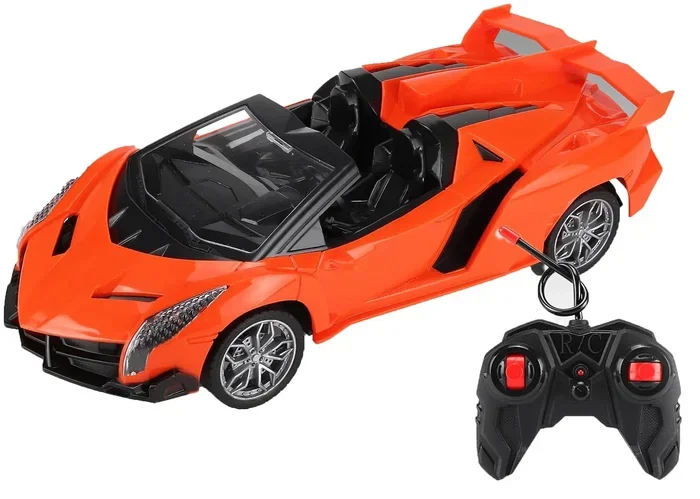
A remote control kit for toy car is a collection of parts that lets you build or upgrade a radio controlled car. These kits usually include a transmitter, a receiver, a motor, a speed controller, and sometimes a chassis. Think of it as a puzzle where every piece has a job to do.
The RC car kit world is huge. Some kits are simple and come ready to use right out of the box. Others are full build kits that require some assembly and even some soldering skills. The type of kit you pick depends on your experience level and what you want to achieve.
Types of Remote Control Car Kits
There are a few main types of radio controlled car kits you should know about. Each one serves a different purpose and fits a different kind of builder.
- Ready-to-Run Kits: These come almost fully assembled. You just add batteries and you are good to go. They are perfect for beginners who want fast fun without the hassle.
- Build-Your-Own Kits: These give you all the parts and let you assemble the car step by step. They are great for learning how RC car electronics work.
- Upgrade Kits: If you already have a toy car, an upgrade kit can add better speed, range, or control. It is a smart way to breathe new life into an older model.
- Custom Chassis Kits: These focus on the frame and body of the car. They let you design a unique look and improve durability.
Key Features to Look For in a Remote Control Kit
Not all remote control kit for toy car options are created equal. Some have features that make them stand out from the rest. Here are the most important things to check before you buy.
Frequency and Signal Range
The radio frequency car system inside your kit determines how far you can drive and how stable the connection is. Most modern kits use 2.4GHz technology. This frequency gives you a long range and almost no signal interference. Older kits sometimes use 27MHz or 49MHz, which can be affected by other devices nearby.
For indoor play, a range of about 30 to 50 feet is usually plenty. For outdoor fun, look for a kit with a range of at least 100 feet. The better the signal, the more enjoyable your driving experience will be.
Motor and Speed Controller
The remote control car motor is the heart of your kit. It is what makes the wheels spin. There are two main types you will see in most RC car kit options: brushed motors and brushless motors.
- Brushed Motors: These are affordable and easy to maintain. They work well for basic toy cars and beginners. They are a solid starting point.
- Brushless Motors: These are faster, more efficient, and last longer. They are a great choice if you want serious speed and performance from your toy car remote control build.
The speed controller, also called an ESC (Electronic Speed Controller), manages how fast the motor runs. A good controller gives you smooth acceleration and responsive braking. Look for one that matches the power of your motor for the best results.
Steering and Servo Quality
Steering is what makes your car feel alive. The RC car servo is the small motor that turns the front wheels. A cheap servo can make steering feel slow and sloppy. A quality servo gives you precise, responsive turns that make driving much more fun.
When you look at a remote control kit for toy car, check the servo specifications. Look for a servo with at least 6kg of torque for a toy-sized car. Higher torque means stronger and more accurate steering. This is one detail that makes a big difference in how the car handles.
Battery and Power System
Nothing kills the fun faster than a dead battery. Most DIY RC car kit options use rechargeable batteries. The two most common types are nickel metal hydride (NiMH) and lithium polymer (LiPo).
- NiMH Batteries: These are safer and more beginner-friendly. They are a great choice for kids and first-time builders.
- LiPo Batteries: These are lighter, hold more charge, and deliver better performance. They do require more careful handling and charging.
Check the battery capacity, measured in milliamp hours (mAh). A higher mAh number means longer run times. For a good balance of playtime and performance, look for batteries in the 1500mAh to 3000mAh range.
Chassis and Build Quality
The chassis is the skeleton of your car. It holds everything together. A strong RC car chassis made from aluminum or reinforced plastic can survive crashes and rough handling. Cheap plastic chassis break easily and need constant replacements.
When you compare remote control car parts, pay attention to the materials used. A well-built chassis also helps with weight distribution, which affects speed and stability. A heavier car tends to be more stable, while a lighter car can be faster and more agile.
How to Choose the Right Kit for Your Skill Level
Picking the right remote control kit for toy car depends a lot on your experience. Let us break it down by skill level so you can find the perfect match.
For Beginners
If you are new to the world of toy car remote control, start simple. Look for a kit that is labeled “beginner friendly” or “ready to run.” These kits come with clear instructions and minimal assembly. You will not need any special tools or technical knowledge.
A good beginner kit should include everything in the box. You should not need to buy extra remote control car parts separately. Focus on kits with a 2.4GHz system, a reliable motor, and a rechargeable battery pack. These basics will give you hours of fun while you learn the ropes.
For Intermediate Builders
If you have some experience and want to learn more, a build-your-own RC car kit is a great next step. These kits require more assembly and give you a deeper understanding of how RC car electronics work together.
At this level, you can start experimenting with different motors, servos, and battery types. You might also want to try building a car with a custom body shell. This is where the hobby really starts to feel personal and creative.
For Advanced Builders
Experienced builders often look for full custom hobby grade RC car kits. These kits offer the most flexibility and performance. You can choose every component, from the chassis material to the type of motor and speed controller.
Advanced kits often require soldering and wiring knowledge. They also give you the freedom to upgrade individual parts over time. If you love the technical side of things, this is where the real fun begins.
Top Things to Consider Before Buying
Before you pull the trigger on any remote control kit for toy car, there are a few more things to think about. These details can make or break your experience.
Budget and Value
Set a budget before you start shopping. RC car kit prices can range from under 20 dollars to over 200 dollars. You do not need to spend a fortune to have fun. But spending a little more often gets you better quality parts and a longer-lasting build.
Think of it this way. A cheap kit might save you money upfront, but it could cost more in the long run if parts break or need replacing. A mid-range kit usually offers the best balance of quality and price.
Compatibility with Existing Cars
If you already own a toy car, check if the remote control car parts in the kit are compatible. Some kits use standard sizes and connectors that work with many different models. Others are designed for specific brands or chassis types.
Always check the product description for compatibility details. Look for information about wheel size, mounting holes, and connector types. A little research upfront can save you a lot of frustration later.
Brand Reputation and Reviews
Buying from a trusted brand gives you peace of mind. Look for brands that specialize in radio control car products and have a history of quality. Read customer reviews carefully. Pay attention to comments about durability, ease of assembly, and customer support.
Do not just look at the star rating. Read the actual reviews to understand what real users experienced. A kit with many detailed positive reviews is usually a safe bet.
Common Mistakes to Avoid
Even experienced builders sometimes make mistakes when picking a remote control kit for toy car. Here are the most common ones and how to avoid them.
- Skipping the Manual: Always read the instruction manual before you start building. Skipping this step often leads to missing parts or incorrect assembly.
- Ignoring Battery Safety: LiPo batteries can be dangerous if handled incorrectly. Always use the correct charger and never leave batteries charging unattended.
- Choosing the Wrong Frequency: Make sure your transmitter and receiver are on the same frequency. A mismatch means your car will not respond to your controller.
- Overlooking Weight: A car that is too heavy or too light will not drive well. Pay attention to the total weight of your build and adjust as needed.
- Buying the Cheapest Option: The lowest price often means lower quality parts. Your car may not perform well or could break quickly. Spending a bit more usually pays off.
Quick Tips for Getting the Most Out of Your Kit
Once you have your remote control kit for toy car ready, these tips will help you get the best experience.
- Test each part individually before full assembly. This helps you catch problems early and saves time later.
- Keep your workspace clean and organized. Small parts like screws and wires are easy to lose.
- Charge your battery fully before the first run. A full charge gives you the best initial performance and helps the battery last longer.
- Practice in a wide open area. A large room or a flat driveway is perfect for getting comfortable with your new car.
- Join an online community. Forums and social media groups for radio controlled car enthusiasts are full of helpful advice and inspiration.
- Keep spare parts on hand. Tires, screws, and gears wear out over time. Having extras means you can keep playing without waiting for replacements.
How to Assemble Your Remote Control Kit for Toy Car
Assembling a remote control kit for toy car is a rewarding process. It does not have to be complicated if you follow the right steps. Here is a simple guide to get you started.
First, lay out all the parts on a clean, flat surface. Check the parts list in the manual to make sure everything is included. This is the time to catch any missing pieces before you start building.
Next, attach the motor to the chassis. Most kits use screws or mounting brackets. Tighten them firmly but do not overtighten, as this can strip the threads. After the motor is secured, connect the speed controller to the motor wires.
Then, install the receiver and connect it to the speed controller and servo. The receiver is the part that picks up signals from your transmitter. Make sure all plugs are firmly connected and seated properly.
Finally, mount the wheels and attach the body shell. Install the battery, turn on your transmitter, and test the controls. If everything responds correctly, you are ready to hit the road. If something does not work, double-check all connections and refer to the manual.
Take your time with the assembly process. Rushing through it can lead to mistakes. A careful and patient approach gives you a better result and a more enjoyable experience.
Where to Buy the Best Remote Control Kits
You can find remote control kit for toy car options in many places. Online marketplaces offer the widest selection and often the best prices. Specialty hobby shops carry high-quality kits and can give you expert advice.
When shopping online, look for sellers with good ratings and clear return policies. Read product descriptions carefully and compare features across different kits. Some brands also sell directly through their websites, which can give you access to exclusive models and support.
Before you buy, make a short list of what you need. Match the kit features to your skill level and goals. This simple step helps you avoid impulse purchases and find the kit that is truly right for you.
Maintenance Tips to Keep Your RC Car Running Strong
Once your remote control kit for toy car is built and running, regular maintenance keeps it in great shape. A little care goes a long way in extending the life of your car.
- Clean the chassis after each use. Dust and dirt can build up and affect performance. A soft cloth and mild cleaner work well.
- Check screws and connections regularly. Vibrations from driving can loosen parts over time. Tighten anything that feels wobbly.
- Inspect the tires for wear. Worn tires reduce grip and speed. Replace them when the treads start to smooth out.
- Store batteries properly. Never store LiPo batteries in hot or humid places. A cool, dry location helps maintain battery health.
- Lubricate moving parts. A small drop of oil on gears and bearings keeps everything running smoothly.
Following these simple steps means your toy car remote control build will stay in top shape for many months of fun. Maintenance is a small effort that pays big rewards.
Conclusion
Finding the right remote control kit for toy car does not have to be a stressful experience. With the right information and a clear idea of what you want, you can pick a kit that brings hours of joy. Remember to consider your skill level, your budget, and the features that matter most to you.
Whether you choose a simple ready-to-run kit or a full custom build, the experience of building and driving your own RC car kit is truly special. Take your time, enjoy the process, and do not be afraid to learn as you go. The world of toy car remote control is wide open and full of possibilities.
Start with a solid kit, follow the tips in this guide, and you will be on your way to building a car you can be proud of. Happy building and happy driving!
Frequently Asked Questions
What is the best remote control kit for toy car for beginners?
A ready-to-run kit with a 2.4GHz system and a brushed motor is the best starting point. These kits require minimal assembly and come with clear instructions. They give you a great first experience without any technical headaches.
How much should I spend on a remote control kit for toy car?
Good kits range from 25 to 150 dollars for most hobbyists. A mid-range kit in the 50 to 80 dollar range usually offers the best value. Spending more gets you better motors, longer battery life, and higher quality parts.
Can I use a remote control kit for toy car indoors?
Yes, many kits work well indoors. Look for a car with a lightweight chassis and good tires for indoor surfaces. Avoid kits designed only for outdoor rough terrain, as they can damage floors and furniture.
How long does it take to assemble a remote control kit for toy car?
Most beginner kits take about 30 to 60 minutes to assemble. Intermediate and advanced kits can take several hours. The assembly time depends on the complexity of the kit and your experience level.
Are LiPo batteries safe for toy RC cars?
Yes, LiPo batteries are safe when handled correctly. Always use the charger designed for LiPo batteries and never overcharge them. Store them in a cool, dry place and avoid puncturing or damaging the battery cells.
What makes a hobby grade RC car kit different from a toy grade kit?
Hobby grade kits use higher quality motors, better receivers, and more durable materials. They also offer more customization options and better performance. Toy grade kits are simpler and more affordable but usually have lower quality components and shorter lifespans.