Steel Rims for Cars That Boost Performance and Style
Steel rims for cars are a smart choice for drivers who want durability, better handling, and a classic look without breaking the bank. Whether you drive a daily commuter or a weekend cruiser, the right set of steel rims for cars can transform your ride. In this guide, we break down everything you need to know about choosing, installing, and maintaining steel rims that boost both performance and style.
Not everyone thinks about rims when they picture a car upgrade. But here is the truth. The wheels on your car do more than just roll. They affect how your car handles, how safe it feels on the road, and yes, how good it looks. Steel rims for cars have been around for decades, and they are still one of the most popular choices for drivers worldwide. Whether you are replacing worn-out wheels or upgrading your ride, steel rims offer a blend of strength, value, and style that is hard to beat.
So why do so many people stick with steel? The answer is simple. They work. Steel wheel rims handle potholes, rough roads, and harsh weather like champions. They are affordable, easy to fix, and available in designs that suit almost any car. In this article, we are going to dive deep into everything you need to know about steel rims for cars. From performance benefits to style tips, we have you covered.
If you have ever wondered whether steel rims are right for your vehicle, this guide is for you. We will walk you through the pros, the cons, the different types, and how to choose the perfect set. Let us get into it.
Key Takeaways
- Durability First: Steel rims for cars handle tough road conditions better than most alternatives.
- Performance Boost: The added weight of steel rims improves traction and stability at high speeds.
- Cost-Effective: Steel rims cost less than alloy wheels while offering long-lasting value.
- Easy to Repair: Dented steel rims can often be hammered back into shape, saving you money.
- Style Options Abound: Modern steel rims come in sleek designs that rival the look of alloy wheels.
- Winter Driving Advantage: Steel rims for cars are ideal for snowy and icy conditions due to their strength.
- Simple Maintenance: With basic care, steel wheel rims stay looking great for years.
📑 Table of Contents
- What Are Steel Rims for Cars and Why Do They Matter?
- How Steel Rims for Cars Boost Performance
- Style Options and Design Trends for Steel Rims
- Steel vs Alloy Rims: Which Is Right for Your Car?
- How to Choose the Best Steel Rims for Your Vehicle
- Maintaining and Caring for Steel Rims
- Expert Insights on Steel Rims for Cars
- Common Mistakes to Avoid When Buying Steel Rims
- Conclusion
What Are Steel Rims for Cars and Why Do They Matter?
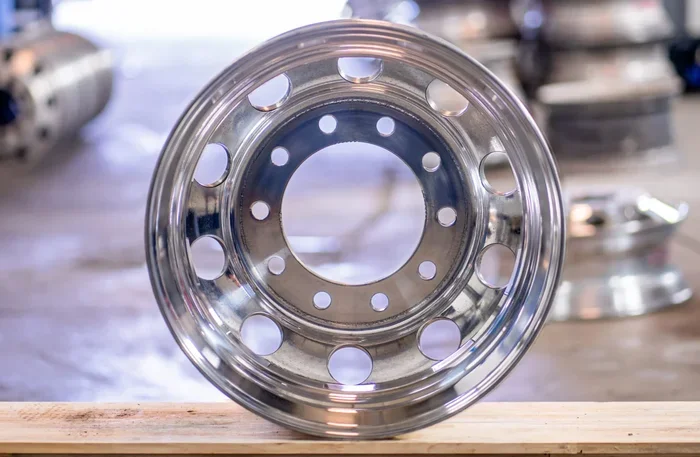
Steel rims are wheels made from stamped and welded steel. They are the traditional choice for most passenger vehicles. Unlike alloy wheels, which are made from aluminum or magnesium, steel rims are built from solid metal. This gives them a unique set of advantages that make them a top pick for many drivers.
When we talk about steel rims for cars, we are talking about the outer wheel assembly that holds your tire in place. The rim sits between the tire and the hub of your car. It supports the weight of the vehicle and absorbs road impacts. Without a strong rim, your ride would feel rough, and your tires would wear out fast.
The Role of Rims in Vehicle Performance
Your car’s rims do a lot more than just look good. They play a big role in how your car drives. The rim weight affects acceleration, braking, and fuel economy. Heavier rims like steel can improve traction, especially in wet or icy conditions. Lighter rims might help with speed, but they can sacrifice stability. This is why many truck and SUV owners prefer steel wheel rims for their daily driving.
The rim width and rim size also matter. Wider rims give your tires more surface area on the road. This means better grip and safer cornering. When choosing steel rims for cars, you want to make sure the size matches your tires and your vehicle’s specifications.
Understanding Rim Construction
Steel rims are made through a process called stamping. Sheets of steel are pressed into shape and then welded together. The result is a strong, heavy wheel that can take a beating. Some steel rims are also coated with chrome or paint to prevent rust and improve appearance.
Here are the key parts of a steel rim you should know:
- The Barrel: The main body of the rim that holds the tire.
- The Flange: The outer edge that keeps the tire bead in place.
- The Hub Face: The center part that connects to the car’s hub.
- The Bolt Holes: The openings where lug nuts secure the rim to the car.
- The Spokes: The structural supports between the hub and the outer edge.
Understanding these parts helps you choose the right steel rims for cars with confidence. Each component plays a role in how the rim performs on the road.
How Steel Rims for Cars Boost Performance
One of the biggest reasons drivers choose steel rims is performance. And it is not just about looks. Steel rims offer real, measurable benefits that can change the way your car drives.
Better Traction and Stability
Steel rims are heavier than alloy wheels. This extra weight pushes the car down onto the road. The result is better traction, especially during acceleration and cornering. If you live in an area with rain, snow, or ice, this added grip can make a big difference in safety.
Many drivers who use their cars for work, towing, or hauling swear by steel rims for cars. The weight of the rim helps keep the vehicle stable under heavy loads. It also reduces the risk of the rim bending or cracking on rough terrain.
Improved Braking and Handling
Because steel rims are sturdy, they provide a solid base for your brakes. The rim does not flex under heavy braking, which means your stops are more consistent. This is especially important for larger vehicles like trucks and SUVs that carry heavy cargo.
Handling also improves with steel rims. The rigid construction keeps the tire shape consistent at high speeds. You get a smoother, more predictable ride. This is why many commercial fleets and police vehicles rely on steel wheel rims for their daily operations.
Road Hazard Protection
Potholes, curbs, and debris are a fact of life on the road. Steel rims handle these hazards much better than thin alloy wheels. When you hit a pothole, the steel flexes just enough to absorb the impact without cracking. This makes steel rims for cars a great choice for drivers who deal with rough or poorly maintained roads.
Here is a quick comparison of how steel and alloy rims handle common road hazards:
- Potholes: Steel bends and recovers. Alloy can crack or chip.
- Curb Scrapes: Steel dents but stays functional. Alloy often cracks or breaks.
- Gravel Roads: Steel holds up well. Alloy may suffer surface damage.
- Snow and Ice: Steel’s weight adds traction. Alloy is lighter and less stable.
Tire Wear and Longevity
Steel rims provide a stable, even surface for your tires. This means your tires wear more evenly and last longer. When a rim is bent or warped, it causes uneven tire wear. Steel’s rigidity helps prevent this problem. Over time, you save money on tire replacements just by choosing the right steel rims for cars.
Style Options and Design Trends for Steel Rims
Some people think steel rims are boring. That could not be further from the truth. Modern steel rims come in a wide range of designs that look great on any car. The days of ugly, plain steel wheels are long gone.
Classic Steel Rim Designs
Many drivers love the classic look of steel rims. They give a car a rugged, dependable feel. Classic steel wheel rims often feature a simple spoke design with a chrome or silver finish. These look especially good on trucks, SUVs, and vintage cars.
Some popular classic styles include:
- Five-Spoke Designs: Clean and timeless. These fit almost any vehicle.
- Six-Spoke Designs: A sporty look that adds visual interest.
- Solid Disc Covers: Full coverage for a sleek, polished appearance.
- Chrome-Plated Steel: High shine for a premium look without the high cost.
Modern Steel Rim Trends
Today’s steel rims have evolved. Manufacturers now use advanced coatings and finishes that resist scratches and corrosion. Matte black steel rims are very popular right now. They give a car a modern, aggressive look while keeping all the benefits of steel construction.
Some brands also offer steel rims for cars with simulated alloy faces. These give you the look of alloy with the strength and durability of steel. It is the best of both worlds.
Choosing the Right Finish
The finish on your steel rim matters for both looks and durability. Here are the most common options:
- Chrome: Shiny and eye-catching. Requires regular cleaning to prevent spotting.
- Painted: Comes in many colors. Good for matching your car’s body color.
- Matte Black: Modern and sleek. Hides dirt and brake dust well.
- Silver/Polished: Clean and classic. Easy to maintain.
When picking a finish, think about your driving conditions. If you deal with salt and road grime in winter, a matte black or painted finish might be easier to keep looking good.
Steel vs Alloy Rims: Which Is Right for Your Car?
This is the question most drivers ask when shopping for new rims. Both steel and alloy have their strengths. The right choice depends on your needs, your budget, and how you use your car.
Head-to-Head Comparison
Let us break down the key differences between steel and alloy rims. This comparison table covers the most important factors:
- Durability: Steel wins here. It bends instead of cracking. Alloy is lighter but more prone to damage.
- Weight: Alloy is lighter, which can improve fuel economy slightly. Steel is heavier, which adds traction.
- Cost: Steel rims are more affordable. Alloy wheels can cost two to three times more.
- Repairability: Steel dents can be hammered out. Alloy cracks often require full replacement.
- Aesthetics: Alloy has a more modern, sporty look. Steel is more utilitarian but has improved in style.
- Corrosion Resistance: Both can rust if the finish is damaged. Alloy is slightly more resistant.
- Winter Performance: Steel’s weight gives better traction in snow and ice.
When to Choose Steel Rims for Cars
You should choose steel rims for cars if any of these apply to you:
- You drive in harsh winter conditions with snow and ice.
- You use your car for work, towing, or hauling heavy loads.
- You want affordable rims that are easy to replace or repair.
- You drive on rough roads with potholes and debris.
- You prefer a classic, rugged look for your vehicle.
- You want rims that last a long time with minimal care.
When Alloy Might Be Better
Alloy wheels are not all bad. They are lighter, which can improve acceleration and fuel economy. They also look great on sports cars and luxury vehicles. If you mostly drive on paved roads and care about a sporty appearance, alloy might be the better choice. But for most everyday drivers, steel rims offer more practical benefits.
How to Choose the Best Steel Rims for Your Vehicle
Picking the right steel rims for cars is not just about picking a design you like. There are several technical factors you need to consider. Getting these right ensures a safe and proper fit.
Understanding Rim Sizes
The first thing to check is your vehicle’s recommended rim size. This information is in your owner’s manual or on the sticker inside the driver’s door. The size is written as a diameter in inches, like 16-inch or 18-inch steel rims for cars.
Never install a rim that is too large or too small for your vehicle. The wrong size can affect your speedometer, handling, and tire wear. Always stick with the recommended size or consult a tire professional.
Rim Width and Offset
Rim width is the distance between the inner and outer edges of the rim. It is measured in inches. Wider rims can improve grip, but too wide can cause rubbing against the fender. The right width depends on your tire size and vehicle model.
Offset is the distance between the hub mounting surface and the center of the rim. Positive offset pushes the rim inward. Negative offset pushes it outward. Getting the offset right ensures the rim sits flush with the fender and does not interfere with steering.
Bolt Pattern and Load Rating
The bolt pattern is the arrangement of lug holes on the rim. It must match your car’s hub exactly. Common patterns include 5×114.3 and 5×112. If the bolt pattern does not match, the rim will not fit.
Load rating is how much weight the rim can safely support. This is especially important for trucks and SUVs. Check the load rating on the rim’s sidewall and make sure it meets or exceeds your vehicle’s requirements.
Quick Tips for Choosing Steel Rims
- Always measure your current rim size before shopping.
- Check your vehicle’s bolt pattern and offset specifications.
- Buy from a reputable dealer to ensure quality and safety.
- Look for rims with a good warranty for peace of mind.
- Consider buying a second set for winter driving.
Maintaining and Caring for Steel Rims
Steel rims for cars are tough, but they still need regular care to look their best. Proper maintenance extends the life of your rims and keeps your car looking great.
Cleaning Tips
Road salt, brake dust, and dirt can damage steel rims over time. Clean them regularly with warm water and a mild soap. Use a soft brush to remove grime from the spokes and the barrel of the rim. Avoid harsh chemicals or abrasive cleaners, as these can strip the protective coating.
For stubborn brake dust, use a dedicated rim cleaner that is safe for steel. Apply it, let it sit for a minute, and then rinse thoroughly. Dry the rims with a soft cloth to prevent water spots.
Preventing Rust and Corrosion
Steel rims can rust if the finish gets scratched or chipped. To prevent this, apply a coat of wax or rim sealant every few months. This creates a barrier against moisture and road salt. If you notice any chips or scratches, touch them up with paint designed for rims as soon as possible.
In winter, try to wash your rims regularly, especially after driving on salted roads. Road salt is one of the biggest enemies of steel wheel rims. A quick rinse after each winter drive can make a big difference.
Dealing with Dents and Damage
One of the great things about steel rims is that they are easy to repair. If you get a dent from a pothole or curb, a tire shop can often hammer it back into shape. This is much cheaper than replacing a cracked alloy rim.
For small dents, you can try a DIY repair kit from an auto parts store. For deeper dents or bends, it is best to visit a professional. They have the tools and experience to restore your steel rims for cars to their original shape safely.
When to Replace Your Steel Rims
Even with good care, steel rims eventually wear out. Here are signs it is time for a replacement:
- Cracks or deep grooves that cannot be repaired.
- The rim is bent and cannot be straightened.
- Corrosion has eaten through the metal.
- The rim is no longer holding air properly.
- The load rating is no longer safe for your vehicle.
When it is time to replace, you have plenty of options. Many tire shops carry a wide selection of steel rims for cars in different sizes and styles. You can also find great deals online from reputable retailers.
Expert Insights on Steel Rims for Cars
We asked a few automotive experts what they think about steel rims for cars. Their insights reinforce what we have covered in this guide.
From the Mechanic’s Perspective
“I see a lot of cars come in with damaged alloy rims,” says Jake Morrison, a certified mechanic with over 15 years of experience. “Steel rims are so much easier to work with. When a customer hits a pothole, a steel rim might dent, but it is usually still safe to drive on. An alloy rim often cracks and needs to be replaced entirely. For my money, steel is the smarter choice for most drivers.”
From the Car Enthusiast’s View
“People underestimate steel rims,” adds Dana Torres, a car enthusiast and blogger. “I run steel on my daily driver because I do a lot of winter driving. The extra weight keeps me stable on icy roads. And with modern designs, they look great too. I get compliments on my rims all the time.”
From the Tire Professional
“The biggest mistake drivers make is not checking the rim size and bolt pattern before buying,” warns Sam O’Brien, a tire specialist. “Even the best steel rims for cars will not work if they do not fit properly. Always double-check your specifications before making a purchase.”
Common Mistakes to Avoid When Buying Steel Rims
Buying new rims is exciting, but it is easy to make mistakes. Here are some common errors to avoid:
- Ignoring the Bolt Pattern: Even one wrong bolt hole means the rim will not fit safely.
- Guessing the Size: Always measure or check your owner’s manual. Guessing can lead to a poor fit.
- Skipping the Load Rating: If you haul heavy loads, the rim’s load rating is critical for safety.
- Choosing Style Over Function: A pretty rim that does not fit your driving conditions is a waste of money.
- Buying Cheap Without Research: Very low-priced rims may be poorly made. Stick with trusted brands.
- Forgetting About Tire Compatibility: The rim must match your tire size. Mismatched rims and tires are dangerous.
Avoiding these mistakes ensures you get the best steel rims for cars that are safe, functional, and great-looking.
Conclusion
Steel rims for cars are a smart, practical, and stylish choice for any driver. They offer durability, performance, and value that few other options can match. Whether you are replacing worn rims, upgrading your vehicle, or adding a second set for winter driving, steel rims deliver real results.
The key is to choose the right size, width, and style for your vehicle. Maintain them properly, and they will serve you well for years to come. With so many designs available today, there is no reason to compromise on looks either.
Take the time to research your options. Check your vehicle’s specifications. And invest in a set of quality steel rims for cars that will boost both performance and style. Your car and your wallet will thank you.
Start your search today. The perfect set of steel rims is waiting to transform your ride.
Frequently Asked Questions
Are steel rims for cars better than alloy rims?
It depends on your needs. Steel rims are more durable, easier to repair, and better for winter driving. Alloy rims are lighter and look more sporty. For most everyday drivers, steel rims offer more practical benefits.
Can steel rims rust?
Yes, steel rims can rust if the protective coating is damaged. Regular cleaning and waxing help prevent rust. Touch up any chips or scratches promptly to keep moisture out.
How do I know what size steel rims fit my car?
Check your owner’s manual or the sticker inside the driver’s door. It lists the recommended rim size, bolt pattern, and offset. Always match these specifications when buying new steel rims for cars.
Do steel rims affect fuel economy?
Steel rims are heavier than alloy, which can slightly reduce fuel economy. However, the difference is usually small. The added traction and durability often outweigh the minor fuel cost difference.
Can I use steel rims for winter driving?
Absolutely. Steel rims are an excellent choice for winter driving. Their weight improves traction on snow and ice, and they handle road salt and harsh conditions better than alloy.
How long do steel rims for cars last?
With proper care, steel rims can last 10 years or more. Regular cleaning, waxing, and prompt repair of any dents or scratches will extend their lifespan significantly.