Types of Auto Tint Films Compared to Find Your Best Match
Choosing the right auto tint films can transform your driving experience by reducing heat, blocking UV rays, and adding privacy. This guide compares the five main tint types — ceramic, carbon, dyed, metallic, and hybrid — so you can make a confident, informed choice. We break down costs, benefits, and drawbacks in plain language.
Key Takeaways
- Ceramic tint leads in performance: It offers the best heat rejection and UV protection without signal interference.
- Carbon tint is a strong runner-up: It provides excellent fading resistance and a matte finish at a mid-range price.
- Dyed tint is the budget-friendly option: It costs the least but fades faster and offers less heat reduction.
- Metallic tint looks great but has downsides: It can interfere with electronic signals and is banned in some areas.
- Hybrid tint blends the best of both worlds: It combines dye and metal for balanced performance at a fair cost.
- Know your local laws: Window tint laws vary by state and can affect your choice significantly.
- Professional installation matters: A proper install prevents bubbling, peeling, and early failure.
📑 Table of Contents
- Types of Auto Tint Films Compared to Find Your Best Match
- What Are Auto Tint Films and Why Does It Matter?
- The Main Types of Auto Tint Films
- How to Compare Auto Tint Films Side by Side
- Benefits of Each Tint Type
- Common Mistakes When Choosing Auto Tint Films
- How to Choose the Right Tint for Your Vehicle
- Key Takeaways
- Conclusion
Types of Auto Tint Films Compared to Find Your Best Match
You love your car. You want it to look great, stay cool inside, and protect you from the harsh sun. Auto tint films do all of that and more. But with so many options on the shelf, picking the right one can feel overwhelming. That is exactly why we put this guide together.
In this article, we compare every major type of auto tint film side by side. You will learn what each tint does well, where it falls short, and how much it costs. By the end, you will know exactly which car window tint matches your needs, your budget, and your style. No guesswork. No confusion. Just clear, honest info.
Whether you want maximum heat rejection, a sleek matte look, or the cheapest fix for glare, we have you covered. Let us dive into the world of window tint percentage options and find your perfect match.
What Are Auto Tint Films and Why Does It Matter?
Auto tint films are thin layers of film applied to your car windows. They come in different materials and shades. Each type offers a unique mix of benefits. Some block heat. Some block UV rays. Some add privacy or reduce glare.
Why does this matter so much? Because your choice affects comfort, safety, and even your health. UV protection from quality tints can shield your skin during long drives. Heat rejection keeps your car cooler on hot days. Glare reduction makes night driving safer and less tiring.
Not all tints are created equal, though. A cheap dyed film might save you money upfront but fade within a year. A premium ceramic tint can last a decade or more. Understanding the differences helps you avoid costly mistakes. It also ensures you get the best value for your money.
The Main Types of Auto Tint Films
There are five major types of auto tint films on the market today. Each one uses a different material and technology. Let us walk through each type in detail so you understand what sets them apart.
1. Ceramic Auto Tint Films
Ceramic tint is widely considered the gold standard of window tinting. It uses nano-ceramic particles embedded in the film. These particles block heat and UV rays without adding color or metal. The result is a crystal-clear, high-performance tint.
Here are the key features of ceramic auto tint films:
- Heat rejection: Blocks up to 80% of solar heat.
- UV protection: Blocks 99% of harmful UV rays.
- Signal interference: None. It does not affect GPS, phone, or radio signals.
- Fade resistance: Extremely durable. Color stays true for years.
- Appearance: Natural, non-reflective look.
- Cost: Highest price point, usually $200-$500 per vehicle.
If budget is not your main concern, ceramic is the way to go. It delivers the best infrared rejection and visible light transmission balance available today. Many car enthusiasts and daily drivers choose this option for long-term value.
2. Carbon Auto Tint Films
Carbon tint uses carbon fiber particles to achieve its dark, matte finish. It does not contain metal, so it also avoids signal interference. Carbon films are known for their rich black color that does not fade over time.
Here is what you get with carbon auto tint films:
- Heat rejection: Blocks up to 70% of solar heat.
- UV protection: Blocks up to 99% of UV rays.
- Signal interference: None, similar to ceramic.
- Fade resistance: Excellent. The matte black color stays bold.
- Appearance: Matte, non-reflective, and sleek.
- Cost: Mid-range, typically $150-$400 per vehicle.
Carbon tint is a fantastic middle-ground option. It offers most of the benefits of ceramic at a lower price. The matte finish also gives your car a sophisticated, modern look. For many drivers, carbon hits the sweet spot between performance and cost.
3. Dyed Auto Tint Films
Dyed tint is the most affordable option available. It uses a layer of dye sandwiched between adhesive and protective layers. The dye absorbs solar heat and reduces light transmission. This is the classic, budget-friendly tint you see on many older cars.
Here are the key characteristics of dyed auto tint films:
- Heat rejection: Moderate. Blocks about 50-55% of solar heat.
- UV protection: Limited. Blocks around 50-70% of UV rays.
- Signal interference: None, since there is no metal.
- Fade resistance: Poor. The dye can fade and turn purple over time.
- Appearance: Dark, but can look uneven or bubbly if poorly installed.
- Cost: Lowest, usually $50-$150 per vehicle.
Dyed tint works well if you need a quick, inexpensive fix. It adds some privacy and reduces a bit of glare. However, it does not last as long as ceramic or carbon. The fading is the biggest drawback. Many car owners find themselves replacing dyed tint within two to three years.
4. Metallic Auto Tint Films
Metallic tint contains tiny metal particles embedded in the film. These particles reflect heat and give the tint a shiny, mirror-like appearance. It is one of the most visually striking options available.
Here is what you should know about metallic auto tint films:
- Heat rejection: Strong. Blocks up to 70-75% of solar heat.
- UV protection: Good. Blocks up to 90-95% of UV rays.
- Signal interference: Yes. The metal can disrupt GPS, Bluetooth, and cell signals.
- Fade resistance: Good. The metallic layer holds up well over time.
- Appearance: Reflective, shiny, and eye-catching.
- Cost: Mid-range, around $150-$350 per vehicle.
Metallic tint looks amazing on many vehicles. The mirror effect adds a sporty, custom feel. But there is a catch. The signal interference can be annoying if you rely heavily on navigation or hands-free calling. Also, some window tint laws restrict metallic tint because of its reflectivity.
5. Hybrid Auto Tint Films
Hybrid tint combines dye and metal in a single layer. The goal is to get the best of both worlds. You get the heat absorption from the dye layer and the heat reflection from the metal layer. The result is a balanced, versatile film.
Here are the highlights of hybrid auto tint films:
- Heat rejection: Good. Blocks around 60-65% of solar heat.
- UV protection: Decent. Blocks up to 85-90% of UV rays.
- Signal interference: Minimal. Less than pure metallic, but some effect possible.
- Fade resistance: Moderate. Better than dyed, not as good as carbon.
- Appearance: Natural, non-reflective or slightly reflective.
- Cost: Mid-range, typically $150-$300 per vehicle.
Hybrid tint is a solid choice for drivers who want good performance without the premium price tag of ceramic. It offers a nice balance of heat rejection, privacy tint levels, and durability. If you are not sure which type to pick, hybrid is a safe and reliable option.
How to Compare Auto Tint Films Side by Side
Now that you know the five main types, let us put them head to head. A side-by-side comparison makes it much easier to see which auto tint films suit your needs best.
| Feature | Ceramic | Carbon | Dyed | Metallic | Hybrid |
|---|---|---|---|---|---|
| Heat Rejection | Excellent (80%) | Very Good (70%) | Moderate (50%) | Very Good (75%) | Good (65%) |
| UV Protection | 99% | 99% | 50-70% | 90-95% | 85-90% |
| Signal Interference | None | None | None | Yes | Minimal |
| Fade Resistance | Excellent | Excellent | Poor | Good | Moderate |
| Appearance | Natural | Matte Black | Dark | Reflective | Natural/Slight |
| Cost Range | $200-$500 | $150-$400 | $50-$150 | $150-$350 | $150-$300 |
| Durability | 10+ years | 8-10 years | 2-3 years | 5-8 years | 5-7 years |
This comparison table gives you a clear picture. Ceramic and carbon lead in performance. Dyed wins on price. Metallic stands out for looks. Hybrid offers a balanced compromise.
Quick Tips for Comparing Tint Films
Here are some fast tips to keep in mind while comparing auto tint films:
- Check your local laws first. Every state has different rules about window tint percentage and reflectivity.
- Think about your climate. Hot, sunny climates benefit most from ceramic or carbon tints with high heat rejection.
- Consider your electronic needs. If you use GPS, Bluetooth, or dash cams, avoid metallic tint.
- Ask about warranties. Quality auto tint installation shops offer lifetime or multi-year warranties.
- Do not just look at price. The cheapest option often costs more in the long run due to fading and replacement.
Benefits of Each Tint Type
Each type of auto tint film brings something unique to the table. Let us highlight the standout benefits so you can see the real value in each option.
Ceramic Tint Benefits
Ceramic tint delivers top-tier UV protection and heat rejection. It keeps your car interior from fading and cracking. The non-conductive nature means your electronics work flawlessly. It also has the longest lifespan of any tint type.
Carbon Tint Benefits
Carbon tint gives you that premium matte look without the ceramic price tag. It resists fading beautifully. The matte finish also reduces glare more effectively than glossy films. It is a favorite among car owners who want style and substance.
Dyed Tint Benefits
Dyed tint is the most accessible option. It is perfect for renters, older vehicles, or anyone on a tight budget. It provides basic privacy and a noticeable reduction in interior heat. It is also the easiest to replace if it wears out.
Metallic Tint Benefits
Metallic tint offers a bold, custom appearance. The reflective surface adds a layer of security by making it harder for others to see inside. It also provides strong heat rejection and durability. It is a great choice for show cars or trucks.
Hybrid Tint Benefits
Hybrid tint balances performance and affordability. It avoids the worst drawbacks of both dyed and metallic films. It offers decent heat rejection, good durability, and a natural appearance. It is an excellent starter tint for first-time tint buyers.
Common Mistakes When Choosing Auto Tint Films
Even informed buyers can make mistakes. Here are the most common errors people make when selecting auto tint films. Avoid these, and you will save time, money, and frustration.
Mistake 1: Ignoring Local Tint Laws
Every state and even some cities have rules about window tint percentage and reflectivity. Choosing a tint that is too dark or too reflective can lead to fines and forced removal. Always check your local window tint laws before buying.
Mistake 2: Choosing Price Over Quality
The cheapest auto tint film often costs the most in the long run. Dyed films fade, bubble, and peel. You end up paying for removal and reinstallation. Investing in a higher-quality film like ceramic or carbon saves money over time.
Mistake 3: Skipping Professional Installation
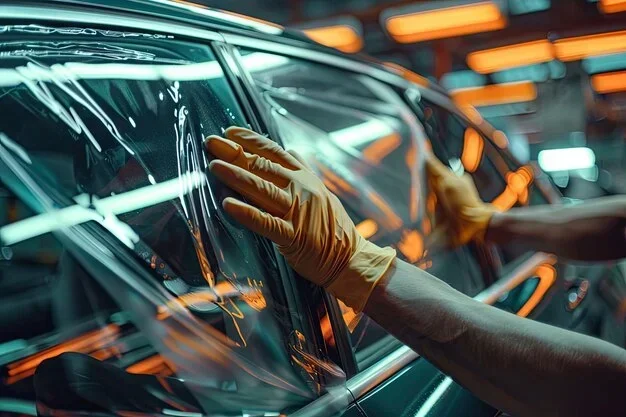
DIY tint kits might seem tempting, but they often lead to bubbles, dust particles, and uneven edges. Professional auto tint installation ensures a clean, bubble-free finish. It also usually comes with a warranty that DIY kits do not offer.
Mistake 4: Not Considering Your Climate
Living in Arizona means you need different tint than someone in Washington state. Heat rejection and UV protection matter more in hot, sunny climates. Choosing a tint without considering your environment can leave you disappointed.
Mistake 5: Overlooking Signal Interference
If you rely on your phone for navigation or your car has advanced driver-assistance features, metallic tint can cause problems. Always ask about signal compatibility before choosing a metal-based film.
How to Choose the Right Tint for Your Vehicle
So how do you make the final decision? It comes down to three factors: your budget, your priorities, and your vehicle type.
Budget-conscious drivers should look at hybrid or dyed options. They offer decent performance at an affordable price. Just remember that dyed tint will need replacement sooner.
Performance-focused drivers should invest in ceramic or carbon tint. The superior heat rejection and UV protection pay for themselves in comfort and interior preservation.
Style-conscious drivers might prefer metallic or carbon tint. The reflective or matte finish adds a custom, personalized look to any vehicle.
Tech-heavy drivers should avoid metallic tint entirely. Ceramic and carbon are the safest choices for maintaining clear GPS, Bluetooth, and cell signals.
Here are some expert insights to guide your final decision:
- Start with your windshield. The windshield gets the most sun exposure. A high-quality ceramic or carbon tint here makes the biggest difference.
- Match tint levels across windows. Using different tints on different windows can look uneven and may violate local laws.
- Ask about the visible light transmission rating. This number tells you how much light passes through the film. Lower numbers mean darker tint.
- Request a sample before committing. Many shops let you hold up a sample to your window. This helps you see the actual color and shade.
At the end of the day, the best auto tint films are the ones that match your specific needs. There is no single “best” tint for everyone. The right tint is the one that fits your lifestyle, budget, and vehicle.
Key Takeaways
- Ceramic tint delivers the best overall performance: top heat rejection, UV protection, and zero signal interference.
- Carbon tint is the best value premium option: excellent durability and a sleek matte finish at a fair price.
- Dyed tint is the budget entry point: affordable but fades faster and offers less protection.
- Metallic tint looks bold but can interfere with electronics: check your signal needs before choosing.
- Hybrid tint offers a balanced middle ground: good performance without the premium cost.
- Always check local window tint laws before purchasing: compliance saves you from fines and rework.
- Professional installation extends tint life: a proper job prevents bubbling and peeling.
Conclusion
Choosing the right auto tint films does not have to be complicated. Now you know the five main types, their strengths, and their weaknesses. You understand how to compare them side by side. You also know the common mistakes to avoid and the questions to ask your installer.
The best car window tint for you depends on your priorities. Want maximum performance? Go ceramic. Want a great balance of cost and quality? Choose carbon or hybrid. Need a quick, affordable fix? Dyed tint gets the job done. Want a bold, custom look? Metallic tint delivers.
Take your time. Do your research. And talk to a professional installer who can walk you through your options. The right auto tint film will keep your car cooler, your interior protected, and your driving experience more comfortable for years to come. Start your search today and enjoy the road ahead with confidence.
Frequently Asked Questions
What is the best type of auto tint film for heat rejection?
Ceramic tint is the clear winner for heat rejection. It blocks up to 80% of solar heat without interfering with electronic signals. If you live in a hot climate, ceramic is the best investment you can make for your car.
Is metallic tint legal everywhere?
No, window tint laws vary by state and municipality. Many areas restrict metallic or reflective tint on front side windows. Always check your local regulations before choosing a metallic film to avoid fines or removal.
How long does auto tint film typically last?
Durability varies by type. Ceramic and carbon tints can last 8 to 10 years or more. Hybrid tints last about 5 to 7 years. Dyed tints typically fade within 2 to 3 years. Professional installation also plays a big role in longevity.
Does tinting your car windows really block UV rays?
Yes, quality auto tint films block a significant amount of UV radiation. Ceramic and carbon tints block up to 99% of UV rays. This protects your skin and prevents your car interior from fading and cracking over time.
Can I tint my car windows myself?
You can, but it is not recommended for beginners. DIY kits often result in bubbles, dust pockets, and uneven edges. Professional auto tint installation ensures a clean, durable finish and usually comes with a warranty that DIY kits do not include.
What does window tint percentage mean?
The window tint percentage refers to visible light transmission (VLT). A 5% tint allows only 5% of light through and is very dark. A 70% tint is nearly clear. The right percentage depends on your style preference, local laws, and how much privacy you want.