What Is the All-Wheel-Drive Symbol and What It Means
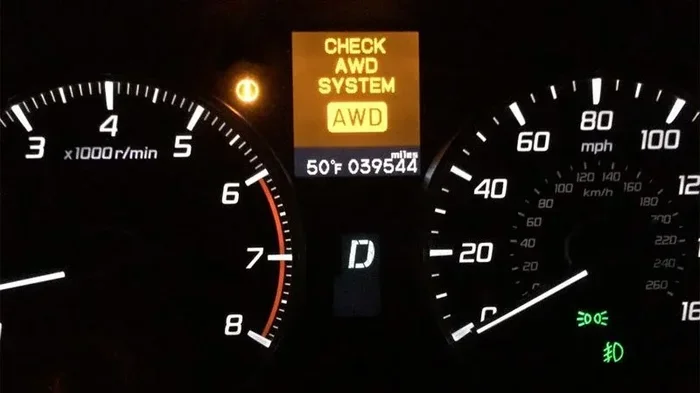
The all-wheel-drive symbol is a dashboard icon that tells you your AWD system is active or has a problem. It usually looks like a car with all four wheels marked. When this AWD indicator lights up, it means your vehicle is sending power to all wheels for better traction and stability. Understanding this AWD warning light helps you stay safe and avoid costly repairs.
You are driving down a wet road. Rain is pouring. Your hands grip the steering wheel a little tighter. Then you notice a small symbol light up on your dashboard. It looks like a car with all four wheels connected. You wonder, what is that? That is the all-wheel-drive symbol, and it plays a bigger role in your safety than you might think.
The AWD symbol is one of the most important dashboard warning lights on modern vehicles. Whether you drive a sedan, SUV, or truck, understanding what this AWD indicator means can save you from expensive repairs and keep you safe on the road. In this guide, we will break down everything you need to know about the all-wheel-drive symbol. We will cover what it looks like, why it lights up, what to do when it does, and how to keep your drivetrain running strong.
By the end of this article, you will never look at that little icon the same way again. You will know exactly what it means when the AWD warning light turns on. You will understand how your all-wheel drive system works under the hood. And you will feel confident the next time that symbol appears on your dash. So let us dive right in.
Key Takeaways
- The AWD symbol looks like a car with all four wheels connected: It is one of the most common dashboard warning lights you will see in modern vehicles.
- A solid AWD light means the system is working normally: A blinking or red light often signals a problem with your drivetrain or differential system.
- Low fluid, bad sensors, or overheating can trigger the AWD warning light: These are the most common reasons the light comes on unexpectedly.
- All-wheel drive and four-wheel drive are not the same: AWD works automatically, while 4WD usually requires driver input.
- Ignoring the AWD symbol can lead to serious drivetrain damage: Always address a persistent AWD indicator as soon as possible.
- Regular maintenance keeps your AWD system healthy: Check fluid levels, inspect drivetrain components, and follow your owner’s manual schedule.
📑 Table of Contents
- What Does the All-Wheel-Drive Symbol Look Like?
- Why Does the AWD Symbol Light Up on Your Dashboard?
- Common Reasons the AWD Warning Light Activates
- How the All-Wheel-Drive System Actually Works
- What to Do When the AWD Light Comes On
- All-Wheel Drive vs. Four-Wheel Drive: What’s the Difference?
- Quick Tips for Maintaining Your AWD System
- Expert Insights: What Mechanics Wish You Knew
- Key Takeaways
- Frequently Asked Questions
- Conclusion
What Does the All-Wheel-Drive Symbol Look Like?
The all-wheel-drive symbol is easy to spot once you know what to look for. It usually appears as a small picture of a car with lines or arrows coming from all four wheels. Some car brands make it look like a trapezoid with lines extending outward. Others use a simpler design with a car outline and dotted lines connecting all wheels.
Where to Find the AWD Symbol on Your Dash
The AWD symbol lives in the cluster of dashboard warning lights behind your steering wheel. Most cars place it on the left side of the instrument cluster. It lights up briefly when you start your engine. This is normal. It is just a quick system check. If the light stays on or starts flashing while you drive, that is when you need to pay attention.
Different Styles of the AWD Icon
Every car brand designs its AWD indicator a little differently. Here are some common styles you might see:
- Audi and Subaru: These brands often use a car outline with arrows pointing outward from all four wheels.
- BMW and Mercedes: They tend to use a simplified icon with a car shape and small lines near each wheel.
- Toyota and Honda: Their AWD symbol often looks like a car with a “wavy” line connecting the front and rear axles.
- Ford and Chevy: These brands sometimes use a trapezoid shape with lines extending from the sides.
No matter the style, the core idea is the same. The all-wheel-drive symbol tells you that power is going to all four wheels. It is a simple but powerful piece of vehicle technology that helps you maintain traction and stability on tricky roads.
Why Does the AWD Symbol Light Up on Your Dashboard?
The AWD symbol can light up for two very different reasons. Understanding the difference is crucial. One reason is completely normal. The other means something needs your attention.
Normal AWD Indicator vs. Warning Light
A solid green or white AWD indicator usually means everything is working as it should. Your all-wheel drive system is active and distributing power to all four wheels. This is great. You have full traction and your vehicle handles better on wet or icy roads.
A yellow, orange, or red AWD warning light is a different story. This usually means something is wrong. The light might flash, stay solid, or behave differently depending on the problem. Here are the most common reasons a warning AWD light shows up:
- Low differential fluid: Your center differential needs proper fluid levels to work correctly.
- Faulty wheel speed sensors: These sensors tell your drivetrain how fast each wheel is spinning.
- Overheated AWD system: Pushing your vehicle too hard on rough terrain can cause overheating.
- Transfer case issues: The transfer case splits power between the front and rear axles.
- Electrical problems: Wiring or module failures can disrupt AWD engagement.
When the All-Wheel-Drive Symbol Means Business
Sometimes the AWD symbol lights up because the system is actively working hard. For example, when you hit a slippery road, your car automatically sends power where it is needed most. The AWD indicator stays on during these moments. This is normal behavior. Once road conditions improve, the light usually turns off on its own.
However, if the light stays on for a long time or keeps coming back, that is a red flag. Do not ignore it. A persistent AWD warning light could mean your drivetrain is not functioning properly. Ignoring it can lead to bigger problems down the road.
Common Reasons the AWD Warning Light Activates
When your AWD warning light comes on, it is trying to tell you something. Let us look at the most common causes in detail.
Low Differential Fluid
Your all-wheel drive system relies on special fluid to keep everything running smoothly. This fluid lubricates the differential system and helps transfer power evenly. When fluid levels drop, the system cannot work properly. The AWD symbol will light up to warn you. This is one of the most common and easiest problems to fix. A simple fluid top-off or change can do the trick.
Faulty Wheel Speed Sensors
Each wheel has a speed sensor that monitors how fast it is spinning. These sensors feed data to your car’s traction control and stability control systems. When a sensor fails or gets dirty, the AWD indicator often comes on. You might also notice other warning lights at the same time, like the traction control light. Replacing a sensor is usually affordable and straightforward.
Overheated AWD System
Driving through deep water, mud, or steep hills puts a lot of stress on your drivetrain. All that work generates heat. If the system gets too hot, it will shut down and light up the AWD warning light. This is a protective feature. It prevents damage to critical components. Let your car cool down, then drive gently for a while to see if the light goes off.
Transfer Case Problems
The transfer case is the brain of your all-wheel drive system. It sends power to both the front and rear axles. When the transfer case fails or develops leaks, the AWD symbol will appear. You might also hear strange noises like grinding or whining. Transfer case repairs can be expensive, so early detection is key.
Electrical or Software Issues
Modern vehicles rely heavily on computers and sensors. A glitch in the AWD control module can trigger the AWD indicator even when nothing is physically wrong. Sometimes a simple reset or software update fixes the problem. Other times, you need a mechanic to diagnose the electrical issue.
How the All-Wheel-Drive System Actually Works
Understanding how your all-wheel drive system works helps you appreciate the AWD symbol more. It is not just a little icon on your dash. It represents a complex drivetrain system that keeps your vehicle stable and safe.
The Role of the Center Differential
At the heart of most AWD systems is the center differential. This clever component splits engine power between the front and rear wheels. On dry roads, it might send most power to just two wheels for efficiency. On slippery roads, it automatically shifts power to all four wheels for better traction and stability. The center differential makes all of this happen seamlessly. You do not have to lift a finger.
Torque Distribution Explained
Torque distribution is how power gets divided among the wheels. Some AWD systems send a fixed 50/50 split between front and rear. Others are “on-demand” and only send power to the rear wheels when needed. Advanced systems can even send power to individual wheels for maximum vehicle stability. The AWD symbol lets you know when the system is actively managing this power distribution.
Front and Rear Differentials
Your vehicle has differentials at both the front and rear axles. These components allow the wheels on each axle to spin at different speeds. This is essential when you turn a corner. The outside wheel needs to spin faster than the inside wheel. Without differentials, your tires would scrub and wear out quickly. The all-wheel-drive symbol reminds you that all four differentials are part of the AWD engagement process.
What to Do When the AWD Light Comes On
Seeing the AWD warning light can be stressful. But staying calm and taking the right steps makes all the difference. Here is a simple guide for handling this situation.
Step-by-Step Response Guide
- Do not panic: A steady yellow or orange light usually means the system is still working but has a minor issue.
- Check your surroundings: If you are on a slippery road, drive cautiously. Your vehicle might still have some traction control even with the light on.
- Find a safe place to pull over: Stop in a secure spot and turn off the engine.
- Check your owner’s manual: Every car has specific guidance for AWD warning lights. The manual will tell you what each light means for your exact model.
- Inspect fluid levels: Open the hood and check the differential fluid. Low fluid is a common and easy fix.
- Visit a mechanic: If the light stays on or flashes, get professional help. A mechanic can run diagnostics and find the exact problem.
Common Mistakes Drivers Make
Many drivers make mistakes when the AWD symbol appears. Avoid these common errors:
- Ignoring the light: Thinking it will go away on its own. Small problems can become big, expensive repairs if you wait too long.
- Continuing to drive aggressively: Pushing your drivetrain hard when the light is on can cause further damage.
- Assuming it is just a sensor error: While sometimes it is a sensor issue, it could also be a mechanical problem that needs immediate attention.
- Not checking the owner’s manual: Your manual has specific information about the AWD indicator for your exact vehicle.
All-Wheel Drive vs. Four-Wheel Drive: What’s the Difference?
People often confuse AWD with 4WD or four-wheel drive. They are not the same thing. Understanding the difference helps you make better decisions about your vehicle.
All-wheel drive works automatically. The system constantly monitors road conditions and adjusts torque distribution without any input from you. The AWD symbol on your dash reflects this automatic behavior. You can drive in AWD mode all the time. It is great for everyday driving in rain, snow, or on uneven surfaces.
Four-wheel drive is different. Most 4WD systems require you to manually engage them. You typically flip a switch or shift a lever to activate 4WD mode. This is designed for serious off-roading or extreme conditions. Some 4WD systems have a 4WD symbol that looks different from the AWD symbol. Always check your owner’s manual to know which system your vehicle uses.
Both systems improve vehicle stability and traction. But they serve different purposes. AWD is for everyday safety and comfort. 4WD is for heavy-duty off-road performance. Knowing which one your vehicle has helps you understand what the corresponding symbol on your dash means.
Quick Tips for Maintaining Your AWD System
Keeping your all-wheel drive system in good shape is easier than you think. A little regular care goes a long way. Here are some quick tips to keep your AWD system healthy and your AWD symbol off when it should be.
- Change differential fluid on schedule: Check your owner’s manual for the recommended interval. Fresh fluid keeps the differential system running smoothly.
- Inspect drivetrain components regularly: Look for leaks, unusual noises, or worn parts during routine maintenance checks.
- Avoid overloading your vehicle: Too much weight puts extra strain on the transfer case and differentials.
- Drive gently on rough terrain: Aggressive off-roading can overheat the AWD system and trigger the AWD warning light.
- Keep wheel sensors clean: Dirt and debris can interfere with wheel speed sensors, causing false AWD indicator alerts.
- Address warning lights promptly: The earlier you fix a problem, the cheaper and easier the repair will be.
Expert Insights: What Mechanics Wish You Knew
We asked experienced mechanics about the all-wheel-drive symbol. Here is what they want every driver to know.
“The AWD light is your car’s way of talking to you. When it comes on, listen. Most drivers ignore it until something breaks. By then, the repair bill is much higher.” Mike R., ASE Certified Mechanic
“The biggest mistake is assuming AWD means your car can stop faster on ice. AWD helps you go, but it does not help you stop. You still need good tires and safe driving habits.” Sarah T., Master Technician
“Check your differential fluid every oil change. It is cheap maintenance that prevents expensive repairs. A lot of AWD problems start with old or low fluid.” David L., Drivetrain Specialist
These insights highlight a key point. The AWD symbol is not just a dashboard decoration. It is a communication tool between your car and you. Learning to read it properly keeps your vehicle safe and reliable.
Key Takeaways
Let us quickly recap the most important points about the all-wheel-drive symbol:
- The AWD symbol is a dashboard icon that shows your all-wheel drive system is active or has a problem.
- A solid green or white light is normal. A flashing or red light needs your attention.
- Common causes include low fluid, bad sensors, overheating, and electrical issues.
- AWD works automatically, while 4WD usually requires manual engagement.
- Regular maintenance like fluid changes and sensor checks keeps your drivetrain healthy.
- Never ignore a persistent AWD warning light. Early action saves money and keeps you safe.
Frequently Asked Questions
Is it safe to drive with the AWD warning light on?
It depends on the situation. If the light is solid yellow or orange and your vehicle drives normally, you can usually drive to a repair shop safely. However, if the light is red or flashing, or if you notice handling problems, pull over and get help. Driving with a serious AWD system issue can cause further damage to your drivetrain and compromise your safety on the road.
How much does it cost to fix an AWD system problem?
Costs vary widely depending on the issue. A simple differential fluid change might cost between $100 and $200. Replacing a wheel speed sensor could run $150 to $400. But major repairs like a failed transfer case or center differential can cost $1,000 or more. The best way to avoid high costs is to address the AWD warning light as soon as it appears. Early diagnosis prevents small problems from becoming big expenses.
Can low tire pressure cause the AWD symbol to light up?
Yes, it can. Uneven tire pressure affects how each wheel spins, which can confuse your vehicle’s traction control and AWD system. Some cars have a tire pressure monitoring system that works closely with the AWD indicator. Always keep your tires properly inflated. This simple habit helps your all-wheel drive system work correctly and can prevent unnecessary warning lights.
Does the AWD symbol come on during normal driving?
Yes, it can. Many vehicles activate the all-wheel drive system automatically when road conditions require extra traction. You might see the AWD symbol light up on wet roads, icy highways, or gravel paths. As conditions improve, the light should turn off. If it stays on or keeps coming back, that is a sign something needs attention. A brief flash during system startup is completely normal and nothing to worry about.
What is the difference between the AWD symbol and the traction control light?
The AWD symbol specifically indicates the status of your all-wheel drive system and power distribution to all four wheels. The traction control light relates to your vehicle’s stability control system, which prevents wheel spin during acceleration. They are related systems but serve different purposes. Sometimes both lights appear together when there is a shared sensor or module issue. Your owner’s manual can help you distinguish between the two symbols clearly.
How often should I service my AWD system?
Most manufacturers recommend servicing the AWD system every 30,000 to 60,000 miles. This typically includes changing the differential fluid and inspecting drivetrain components. However, if you drive in harsh conditions like mud, snow, or steep terrain, you may need service more often. Always follow the maintenance schedule in your owner’s manual. Regular service keeps the AWD symbol off and your vehicle performing at its best.
Conclusion
The all-wheel-drive symbol is one of the most important icons on your dashboard. It tells you when your AWD system is working hard to keep you safe. It also warns you when something needs attention. Understanding this symbol gives you confidence and control every time you drive.
Whether the AWD indicator lights up for normal reasons or signals a problem, you now know what to do. You know how to read the symbol. You understand the common causes behind a glowing AWD warning light. And you know how to maintain your all-wheel drive system for long-term reliability.
Do not let that little icon on your dash confuse you anymore. The next time the all-wheel-drive symbol appears, you will know exactly what it means and how to respond. Stay proactive with your vehicle maintenance, drive safely, and enjoy the confidence that comes with understanding your car inside and out. Your AWD system works hard for you. Now you know how to take care of it in return.