So What Is the Life Expectancy of a Transmission
The life expectancy of a transmission depends on its type, driving habits, and maintenance schedule. Most automatic transmissions last between 150,000 and 200,000 miles, while manual transmissions can often reach 300,000 miles or more. Regular transmission fluid changes and proper driving habits are the two biggest factors that determine whether your transmission lasts a long time or fails early.
Your car’s transmission is one of the most important parts under the hood. It makes sure power flows from the engine to the wheels smoothly. Without it, your vehicle simply cannot move. So what is the life expectancy of a transmission, and how can you make yours last longer?
This is a question every car owner should know the answer to. Whether you drive a brand-new SUV or a used sedan with high mileage, understanding your transmission’s lifespan helps you plan for the future. Transmission life expectancy varies a lot depending on the type of transmission, how you drive, and how well you maintain it.
In this guide, we will break down everything you need to know. We will cover average lifespans for both automatic and manual transmissions. We will also look at the warning signs of a failing transmission, ways to extend its life, and common mistakes that shorten it. By the end, you will have a clear picture of what to expect and how to protect your investment.
Key Takeaways
- Automatic transmissions typically last 150,000 to 200,000 miles with proper care.
- Manual transmissions can last 300,000 miles or more if maintained well.
- Transmission fluid changes are the single most important maintenance task for longevity.
- Driving habits like aggressive shifting and towing reduce transmission life significantly.
- Warning signs like slipping gears and strange noises should never be ignored.
- Regular servicing at qualified shops helps catch small problems before they become big expenses.
- You can often extend transmission life well beyond the average with simple care steps.
📑 Table of Contents
- What Is the Average Life Expectancy of a Transmission?
- Factors That Affect Transmission Life Expectancy
- Common Signs Your Transmission Is Failing
- How to Extend the Life of Your Transmission
- Transmission Repair vs. Replacement: What You Need to Know
- Common Mistakes That Shorten Transmission Life
- Expert Insights on Transmission Longevity
- Final Thoughts
What Is the Average Life Expectancy of a Transmission?
The short answer is that most transmissions last somewhere between 150,000 and 200,000 miles. But that is just an average. Some transmissions fail well before 100,000 miles. Others keep running strong past 300,000 miles. The wide range comes down to several key factors that we will explore below.
When people ask about how long does a transmission last, the answer always depends on the type of transmission. Here is a quick look at what you can expect from each type:
- Automatic transmissions: Typically last 150,000 to 200,000 miles with regular maintenance.
- Manual transmissions: Often last 300,000 miles or more. Some go well beyond that.
- Continuously Variable Transmissions (CVT): Usually last around 100,000 to 150,000 miles.
- Dual-clutch transmissions: Can last 150,000 to 200,000 miles depending on the design.
These numbers are general guidelines. Your actual results may vary based on how you use your vehicle and how well you take care of it. The transmission mileage lifespan is not set in stone. It is more of a range that shifts based on real-world conditions.
Why Do Automatic and Manual Transmissions Differ in Lifespan?
Automatic transmissions have more moving parts and rely on complex hydraulic systems. All of those parts create more opportunities for wear and tear. Manual transmissions, on the other hand, use a simpler mechanical design. The driver controls the gear changes, which puts less stress on internal components.
This is one reason why manual transmission durability tends to be higher. Fewer complex parts means fewer things that can go wrong. However, a poorly driven manual transmission can still fail early. Riding the clutch, for example, is one of the fastest ways to wear out a manual gearbox.
Factors That Affect Transmission Life Expectancy
Several factors play a big role in determining how long your transmission will last. Some you can control, and some you cannot. Let us look at the most important ones.
Driving Habits
How you drive matters more than most people realize. Aggressive driving puts extra stress on every part of your car, and the transmission is no exception. Jackrabbit starts, hard braking, and shifting gears while the car is still moving all take a toll.
Here are some driving habits that can shorten your transmission life expectancy:
- Shifting from drive to reverse before the car fully stops.
- Riding the clutch pedal in a manual transmission vehicle.
- Aggressive acceleration that forces the transmission to work harder.
- Towing heavy loads without the proper cooling equipment.
- Idling the car for long periods, which causes fluid breakdown.
On the flip side, smooth and predictable driving helps your transmission last much longer. Gentle starts, gradual shifts, and giving yourself extra stopping time all add up over the years.
Maintenance Schedule
Maintenance is the single biggest factor you can control. A transmission that gets regular care can easily outlast one that is neglected. The most important maintenance task for any transmission is the fluid change.
Transmission fluid lubricates all the internal parts. It also helps cool the transmission and provides the hydraulic pressure needed for smooth shifting. Over time, this fluid breaks down and becomes contaminated. Old, dirty fluid causes extra friction and heat, which leads to premature wear.
Most manufacturers recommend changing your transmission fluid change interval every 30,000 to 60,000 miles. However, if you tow frequently or drive in stop-and-go traffic, you may need to change it more often. Always check your owner’s manual for the specific recommendation for your vehicle.
Vehicle Usage and Load
How you use your vehicle has a direct impact on transmission longevity. If you regularly tow trailers, carry heavy loads, or drive in mountainous terrain, your transmission works harder. This extra workload accelerates wear on internal components like clutch packs, bands, and bearings.
Towing is one of the biggest culprits when it comes to early transmission failure. The extra weight generates more heat, and heat is the enemy of transmission fluid. If you tow often, consider installing an auxiliary transmission cooler. This simple upgrade can make a big difference in your drivetrain longevity.
Climate and Driving Environment
Where you live and drive also matters. Hot climates cause transmission fluid to break down faster. Stop-and-go city driving creates more heat than steady highway cruising. If you live in a warm climate or spend a lot of time in traffic, your transmission may need more frequent service.
Cold climates pose a different challenge. Thick, cold fluid does not flow as well, which means the transmission has to work harder during the first few minutes of driving. In very cold areas, letting the car warm up for a minute or two before driving can help protect the transmission.
Common Signs Your Transmission Is Failing
Catching transmission problems early can save you thousands of dollars. The longer you ignore warning signs, the worse the damage becomes. Here are the most common indicators that your transmission may be failing.
Slipping Gears
If your transmission unexpectedly shifts out of gear or slides between gears, this is a clear sign of trouble. Gear slipping often feels like the engine is revving higher without a corresponding increase in speed. This happens when the internal clutches or bands wear out and can no longer hold the gears properly.
If you experience slipping, get your vehicle inspected right away. Continuing to drive with a slipping transmission can cause complete failure. In many cases, you can drive a car with transmission problems for a short distance, but it is risky and can cause further damage.
Delayed or Rough Shifting
A healthy transmission shifts smoothly and promptly. If you notice a delay when moving from park to drive, or if the shifts feel harsh and jerky, something is wrong. Rough shifting can indicate low fluid levels, worn clutch packs, or failing solenoids.
Strange Noises
Unusual sounds are one of the easiest ways to detect transmission trouble early. Listen for grinding, whining, or buzzing noises, especially when the car is in gear. A healthy transmission should be mostly quiet. Any new or persistent noise deserves attention.
Fluid Leaks and Discoloration
Transmission fluid should be reddish in color and relatively clear. If you see red or brown fluid pooling under your car, you have a leak. Dark brown or black fluid means the fluid has overheated and broken down. Both situations require immediate attention.
Warning Lights on the Dashboard
Modern vehicles have sensors that detect transmission problems. If you see a check engine light or a transmission warning light, do not ignore it. These lights are designed to alert you early, before a small issue becomes a major repair. Sometimes a simple sensor failure triggers the light, but it is always worth getting checked out.
How to Extend the Life of Your Transmission
The good news is that you can take steps to help your transmission last well beyond the average lifespan. Most of these steps are simple and affordable. Here is what you can do starting today.
Stick to a Regular Service Schedule
Regular servicing is the foundation of long transmission life. This includes fluid changes, filter replacements, and inspections. A qualified technician can spot small issues during a routine service before they turn into expensive problems. If you are unsure where to take your car, you can take a Toyota to any Toyota dealership or visit a trusted independent mechanic.
Check Your Fluid Levels Regularly
Low transmission fluid is one of the most common causes of premature failure. Get in the habit of checking your fluid level at least once a month. The process is usually simple. With the engine warm and running, pull out the transmission dipstick, wipe it clean, reinsert it, and check the level.
If the fluid level is low, top it off with the type of fluid recommended in your owner’s manual. Using the wrong fluid can cause serious damage, so always double-check before adding anything.
Avoid Overheating
Heat is the number one killer of transmissions. Overheating breaks down the fluid and warps internal components. To avoid overheating, do not overload your vehicle beyond its rated capacity. If you tow frequently, consider installing an external cooler. Also, give your transmission a break during long drives by pulling over periodically to let it cool down.
Warm Up Your Car Before Driving
Letting your car idle for 30 to 60 seconds before driving gives the transmission fluid time to circulate and warm up. Cold fluid is thicker and does not lubricate as effectively. A short warm-up period helps reduce wear on internal parts, especially during cold weather months.
Address Small Problems Immediately
Small transmission issues can become big problems fast. A slight delay in shifting or a faint whining noise might seem minor, but these are early warning signs. Addressing them quickly can prevent the need for a full transmission replacement cost, which can range from $1,800 to $3,500 or more depending on the vehicle.
Do Not Ignore the Check Engine Light
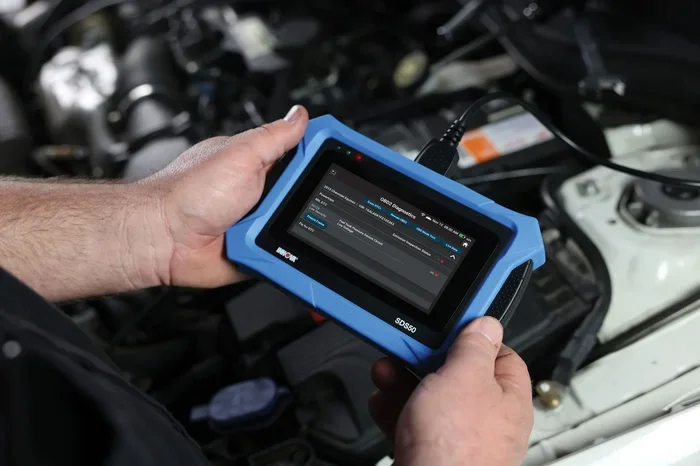
Modern cars are smart. When something goes wrong with the transmission, the computer will often flag it with a warning light. Ignoring this light is one of the biggest mistakes car owners make. A quick diagnostic scan at a repair shop can reveal the problem early and save you a lot of money.
Transmission Repair vs. Replacement: What You Need to Know
When a transmission fails, you generally have two options: repair it or replace it. The right choice depends on the severity of the damage and the age of your vehicle.
Transmission Repair
A repair typically involves fixing or replacing specific components, such as a solenoid, clutch pack, or torque converter. Repairs are less expensive than a full replacement and can extend the life of your transmission significantly. Common transmission repair cost ranges from $300 to $1,500 depending on the part and labor involved.
Repairs work best when the damage is localized. For example, a faulty solenoid or a leaking seal can often be fixed without rebuilding the entire transmission.
Transmission Rebuild
A rebuild involves taking the transmission apart, inspecting all components, and replacing the worn ones. This is more extensive than a simple repair but less expensive than a full replacement. A rebuild can give your transmission a second life and is often a smart choice for vehicles with high mileage.
Transmission Replacement
A full replacement is the most expensive option. It involves either installing a remanufactured transmission or a used one from a salvage yard. The transmission replacement cost can be substantial, but it is sometimes the only option when the transmission is completely worn out or severely damaged.
Before committing to a replacement, always get a second opinion. Some shops may recommend a replacement when a rebuild or repair would suffice. Understanding your options empowers you to make the best decision for your budget and your vehicle.
Common Mistakes That Shorten Transmission Life
Many car owners unknowingly shorten the life of their transmission through simple daily habits. Here are the most common mistakes to avoid.
- Ignoring fluid changes: Old fluid loses its ability to lubricate and cool. This is the fastest route to transmission failure.
- Riding the clutch: In manual vehicles, keeping your foot on the clutch pedal wears out the clutch disc and pressure plate quickly.
- Shifting while moving: Going from drive to reverse before the car stops puts enormous stress on the gears.
- Overlooking leaks: Even a small fluid leak can lead to low fluid levels, which causes overheating and damage.
- Using the wrong fluid: Not all transmission fluids are the same. Using the wrong type can cause slipping and premature wear.
- Neglecting the cooling system: Your car’s cooling system also helps cool the transmission. A malfunctioning cooling system can lead to overheating.
Avoiding these mistakes alone can add tens of thousands of miles to your transmission’s life. Prevention is always cheaper and easier than repair.
Expert Insights on Transmission Longevity
Automotive experts agree that maintenance is the key to a long-lasting transmission. According to most seasoned mechanics, the vehicles that last the longest in terms of transmission life are the ones that get regular fluid changes and are driven with care. Here are a few expert tips to keep in mind.
Tip 1: Do not skip the fluid flush. A fluid change drains some of the old fluid, but a full flush removes nearly all of it. Many experts recommend a flush every 60,000 miles for vehicles that see normal use.
Tip 2: Monitor your temperature. Some aftermarket gauges let you keep an eye on your transmission temperature in real time. If the temperature climbs above 200 degrees Fahrenheit consistently, you should investigate the cause.
Tip 3: Address electrical issues promptly. Modern transmissions rely on sensors and solenoids controlled by the car’s computer. An electrical problem can mimic transmission failure and cause shifting issues. A quick diagnostic can save you from an unnecessary rebuild.
Tip 4: Choose quality parts for repairs. If your transmission does need work, insist on quality replacement parts. Cheap parts may save money upfront but often fail sooner, leading to repeat repairs and higher costs in the long run.
Final Thoughts
Understanding the life expectancy of a transmission helps you take control of your vehicle’s maintenance. Most transmissions last between 150,000 and 200,000 miles, but with proper care, many go well beyond that. The key is consistent maintenance, smart driving habits, and addressing problems early.
Your transmission is a complex but resilient part of your vehicle. Treat it well, and it will serve you for hundreds of thousands of miles. Neglect it, and you could face a costly repair or replacement much sooner than expected. The choice is really in your hands, and the steps you take today will determine how long your transmission lasts tomorrow.
Start by checking your transmission fluid this week. Schedule a service if it is due. And pay attention to any unusual sounds or behaviors your car shows. These small actions add up to big savings and a much longer lifespan for your transmission. Your future self will thank you when your car keeps running smoothly mile after mile.
Frequently Asked Questions
Can you drive with a bad transmission?
It is not recommended. Driving with a bad transmission can cause further damage and lead to a complete breakdown. If you notice symptoms like slipping gears or rough shifting, have your vehicle inspected as soon as possible. In some cases you may be able to drive a short distance, but it is risky and could turn a small repair into a major one.
How often should you change transmission fluid?
Most manufacturers recommend changing transmission fluid every 30,000 to 60,000 miles. However, if you tow frequently or drive in heavy traffic, you may need to change it more often. Always refer to your vehicle’s owner manual for the specific interval recommended for your model.
What is the average transmission replacement cost?
The average cost to replace a transmission ranges from $1,800 to $3,500 for most vehicles. The exact cost depends on the make and model of your car, the type of transmission, and whether you choose a new, remanufactured, or used unit. Labor costs also vary depending on your location and the shop you choose.
Can you add transmission fluid instead of changing it?
Topping off fluid is better than driving with low levels, but it is not a substitute for a full fluid change. Old fluid breaks down over time and loses its effectiveness. A complete fluid change or flush removes contaminated fluid and replaces it with fresh, clean fluid that properly lubricates and cools the transmission.
Do manual transmissions last longer than automatic transmissions?
Generally, yes. Manual transmissions have fewer complex parts and a simpler design, which means they tend to last longer. A well-maintained manual transmission can often reach 300,000 miles or more, while an automatic typically lasts 150,000 to 200,000 miles. However, driving habits play a big role in both cases.
What causes a transmission to fail early?
The most common causes of early transmission failure include neglected fluid changes, overheating, aggressive driving, towing beyond the vehicle’s capacity, and ignoring warning signs like slipping or rough shifting. Regular maintenance and careful driving can prevent most of these issues.