What Is the TPMS System on a Jeep and Why It Matters
The TPMS system on a Jeep monitors your tire pressure in real time and alerts you when levels drop too low. It is a vital safety feature that helps prevent blowouts, improves fuel economy, and extends tire life. Understanding how your TPMS works can save you time, money, and stress on the road.
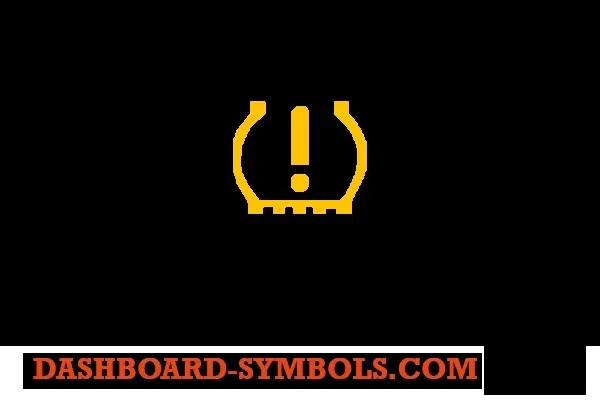
Have you ever been driving your Jeep down a dusty trail or cruising the highway when a small light pops up on your dashboard? That little symbol shaped like a horseshoe with an exclamation point in the middle is your TPMS system trying to tell you something important. If you have ever wondered what it means or why it matters, you are in the right place.
TPMS stands for Tire Pressure Monitoring System. It is a smart feature built into your Jeep that keeps an eye on your tire pressure at all times. When the pressure in one or more tires drops below a safe level, the system triggers a warning light on your dashboard. This simple feature can save you from blowouts, uneven tire wear, and even accidents on the road.
In this guide, we will break down exactly what the TPMS system on a Jeep is, how it works, what the different lights mean, and what you should do when that warning shows up. Whether you drive a Jeep Wrangler, a Jeep Grand Cherokee, or any other model, this information will help you stay safe and keep your tires in great shape.
Your tires are the only part of your Jeep that touches the road. Keeping them properly inflated is one of the simplest and most important things you can do for your vehicle. Let us dive in and learn everything you need to know about TPMS.
Key Takeaways
- TPMS stands for Tire Pressure Monitoring System: It is a safety feature that tracks your tire pressure and warns you of low levels.
- Two types exist: Direct TPMS uses sensors inside each tire, while indirect TPMS uses wheel speed sensors.
- The TPMS light looks like a horseshoe with an exclamation mark: If it stays on, your tire pressure is too low or a sensor may be failing.
- You can reset the system yourself: Most Jeeps let you recalibrate TPMS after inflating tires or replacing sensors.
- Driving with the TPMS light on is risky: It can lead to poor handling, reduced fuel economy, and tire damage.
- Sensor batteries last 5–10 years: When they die, the sensor needs replacement to keep the system working.
📑 Table of Contents
What Is a TPMS System on a Jeep?
The Tire Pressure Monitoring System is an electronic system that checks the air pressure inside your tires and reports it to you. On a Jeep, this system is designed to work in all kinds of driving conditions, from highway cruising to off-roading through mud and rocks.
Most modern Jeeps come equipped with TPMS as a standard feature. The system uses either direct sensors or indirect sensors to measure tire pressure. When the pressure falls below the recommended level, usually about 25% below the manufacturer’s specification, the TPMS warning light illuminates on your dashboard.
How Does TPMS Work?
There are two main types of TPMS systems found on Jeeps. Understanding the difference helps you know what to expect when a warning appears.
Direct TPMS uses a small sensor placed inside each tire, usually mounted on the valve stem. These sensors measure the actual air pressure inside the tire and send a wireless signal to your Jeep’s computer. If the pressure drops too low, the computer triggers the warning light.
Indirect TPMS does not use physical sensors inside the tires. Instead, it relies on the anti-lock braking system (ABS) wheel speed sensors. When a tire is underinflated, its rolling radius becomes smaller, causing it to spin faster than the other tires. The system detects this difference and triggers the warning light.
Most newer Jeep models use direct TPMS because it provides more accurate readings. However, some older or base models may still use the indirect system. Both types serve the same purpose: keeping you informed about your tire health.
Why the TPMS System on a Jeep Matters
You might be wondering why a little light on your dash is such a big deal. The truth is that tire pressure affects almost everything about how your Jeep drives and performs. Here is why TPMS matters so much.
Safety First
Underinflated tires are one of the leading causes of tire blowouts. A blowout at highway speeds can be extremely dangerous. The TPMS system gives you early warning so you can fix the problem before it becomes a serious safety issue. When your tires have the right amount of air, your Jeep handles better, brakes shorter, and grips the road more effectively.
Fuel Economy
Did you know that driving on underinflated tires can lower your gas mileage? Tires with low rolling resistance help your engine work less. When your tires are properly inflated, you can save money at the pump over time. The TPMS system helps you maintain that efficiency by alerting you when pressure drops.
Tire Longevity
Underinflated tires wear out faster on the outer edges of the tread. Overinflated tires wear out faster in the center. Either way, you end up replacing tires sooner than you need to. By keeping your tire pressure in check with the help of TPMS, you can extend the life of your tires and save money on replacements.
Off-Road Performance
Jeeps are built for adventure, and many owners love hitting the trails. Proper tire pressure is critical when off-roading. Too much air and your tires will bounce over rocks. Too little air and you risk slipping or damaging your tires. The TPMS system helps you monitor pressure changes that happen during off-road driving.
What Does the TPMS Light Look Like?
The TPMS warning light is easy to spot on your Jeep’s dashboard. It looks like a horseshoe or a cross-section of a tire with an exclamation mark in the center. Sometimes it may also display the letters “TPMS” in a similar shape.
There are two ways this light can appear, and each means something different:
- Steady TPMS Light: This means one or more tires have low pressure. Check your tire pressure as soon as possible and inflate to the recommended level.
- Flashing TPMS Light: A flashing light usually indicates a problem with the TPMS system itself, such as a dead sensor battery or a malfunctioning sensor.
If you see the light come on while driving, do not panic. Pull over safely and check your tire pressure with a tire pressure gauge. If you are not sure what the recommended pressure is for your Jeep, check the sticker on the driver’s side door jamb. It lists the ideal pressure for both front and rear tires.
Common TPMS Problems on Jeeps
Like any electronic system, TPMS can experience issues over time. Here are the most common problems Jeep owners face with their tire pressure monitoring systems.
Dead Sensor Battery
Each TPMS sensor has a small battery that powers it. These batteries typically last between 5 and 10 years. When the battery dies, the sensor can no longer send pressure readings to your Jeep’s computer. You will see the TPMS light come on, and the system will need a sensor replacement to work again.
One thing to note is that a dead sensor battery can sometimes cause other dashboard warnings to appear. For instance, if the TPMS sensor stops working properly, it might trigger other lights like the wrench light or the check engine light. If you notice multiple lights on at once, it is worth checking your battery health and sensor status.
Sensor Damage from Off-Roading
Jeep owners love to take their vehicles off the beaten path. However, rocks, debris, and rough terrain can damage TPMS sensors. The sensors mounted on the valve stem can get bent or broken during aggressive off-roading. If you notice your TPMS light acting up after a trail adventure, inspect your sensors for physical damage.
Temperature Changes
Cold weather can cause your tire pressure to drop, which may trigger the TPMS light even when your tires are fine. This happens because air inside the tire contracts in cold temperatures. If your light comes on during winter months, check your pressure and inflate if needed. The system should reset after you bring the tires back to the proper level.
TPMS Reset Needed
After you inflate your tires or replace a sensor, the TPMS system often needs to be recalibrated. Most Jeeps have a simple reset process. You can usually find the reset button under the steering column or on the dashboard. Press and hold it until the TPMS light blinks a few times and then stays solid. Refer to your owner’s manual for the exact steps for your model.
How to Maintain Your TPMS System
Keeping your TPMS system in good shape is easy with a little regular attention. Here are some practical tips to make sure your system works reliably.
- Check your tire pressure monthly: Even if the TPMS light is off, get in the habit of checking your pressure with a gauge at least once a month.
- Inspect your sensors during tire changes: When you rotate or replace your tires, ask your mechanic to check the TPMS sensors for damage or battery life.
- Replace sensor batteries proactively: If your Jeep is more than 7 years old, consider having the sensor batteries checked or replaced before they die unexpectedly.
- Reset the system after adjustments: Always recalibrate TPMS after inflating tires, replacing sensors, or rotating tires.
- Keep your valve stems clean: Dirt and debris can affect sensor readings. Wipe down the valve stems when you wash your Jeep.
If you ever notice the TPMS light staying on even after you have inflated your tires properly, it is a good idea to have the system diagnosed by a professional. Sometimes the issue is a faulty sensor, a wiring problem, or a need for a system reset. Catching these problems early keeps your Jeep running safely.
It is also worth noting that some warning lights on your dashboard can be confusing. For example, if you see the wrench light or the oil change light come on, those are separate systems from TPMS. Understanding the difference between various dashboard lights helps you respond appropriately. If you are unsure about any warning light, it is always better to check it out sooner rather than later.
When to See a Professional for TPMS Issues
Most TPMS issues are straightforward to fix. You can handle a simple low-pressure situation by inflating your tires at a gas station or with a portable air compressor. However, some problems require professional attention.
You should visit a mechanic or Jeep dealership if:
- The TPMS light stays on after you have inflated all tires to the correct pressure.
- The TPMS light flashes, indicating a system malfunction or dead sensor battery.
- You have replaced a sensor but the light still does not turn off.
- You notice multiple warning lights on your dashboard at the same time.
- Your TPMS readings seem inconsistent between tires.
A professional can use a diagnostic tool to read the specific error codes from your TPMS system. This helps pinpoint the exact problem and saves you time and guesswork. Regular TPMS service is a small investment that pays off in safety and tire longevity.
Final Thoughts
The TPMS system on a Jeep is one of those features you hope you never have to think about, but you will be very glad it is there when you need it. It keeps your tires at the right pressure, protects you from dangerous blowouts, and helps your Jeep run efficiently. By understanding how the system works and responding quickly to warnings, you take a big step toward being a responsible and safe Jeep owner.
Keep an eye on that dashboard light, check your tire pressure regularly, and take care of your sensors. Your tires are your connection to the road, and the TPMS system is there to make sure that connection stays strong. Whether you are hitting the trails or commuting to work, a well-maintained TPMS system gives you peace of mind on every drive.
Remember that other dashboard warnings deserve your attention too. For example, if you ever see the oil change light or the wrench light come on, those are separate systems that also need your care. Taking a proactive approach to all your vehicle’s warning systems keeps your Jeep in top shape for years to come.
Frequently Asked Questions
What does the TPMS light look like on a Jeep?
The TPMS light on a Jeep looks like a horseshoe or a cross-section of a tire with an exclamation mark in the center. It may also display the letters “TPMS” in a similar shape. A steady light means low tire pressure, while a flashing light indicates a system malfunction.
Can I drive my Jeep with the TPMS light on?
It is not recommended to drive for long distances with the TPMS light on. Low tire pressure can affect handling, braking, and fuel economy. If the light comes on, check your tire pressure right away and inflate to the recommended level before driving further.
How long do TPMS sensors last on a Jeep?
TPMS sensors typically last between 5 and 10 years, depending on driving conditions and battery life. Off-roading and exposure to harsh elements can shorten their lifespan. If your Jeep is older, it is a good idea to have the sensors checked regularly.
Can I reset the TPMS light myself?
Yes, most Jeeps allow you to reset the TPMS system yourself. Look for the reset button under the steering column or on the dashboard. Press and hold it until the TPMS light blinks and then stays solid. Refer to your owner’s manual for model-specific instructions.
Does cold weather trigger the TPMS light?
Yes, cold weather can cause tire pressure to drop, which may trigger the TPMS light. Air inside the tires contracts in cold temperatures, reducing pressure. If the light comes on in winter, check your pressure and inflate to the recommended level.
How much does it cost to replace a TPMS sensor on a Jeep?
TPMS sensor replacement costs typically range from $50 to $100 per sensor for parts, plus labor. The total cost depends on your Jeep model and where you have the work done. Some dealerships may charge more, but they often include calibration and diagnostics.