What Would Cause a Steering Wheel to Lock Up While Driving
A steering wheel locking up while driving is a scary but manageable problem. The most common culprits include the ignition lock mechanism, power steering failure, and steering column damage. Understanding the root cause helps you stay safe and avoid costly repairs. This guide breaks down every possible reason and gives you clear, actionable steps to handle the situation.
Have you ever been behind the wheel and suddenly felt your steering wheel go completely stiff? That moment can be terrifying. Your first thought might be that your car is about to lose all control. But here is the good news: most steering wheel lockup situations have clear causes and solutions.
When a steering wheel locks up while driving, it can happen for several different reasons. Some are simple fixes you can handle yourself. Others need a professional mechanic. Either way, knowing the cause helps you respond the right way and stay safe. Let us walk through everything you need to know about this common car problem.
In this article, we will cover every possible reason your steering wheel might lock up. We will also share practical tips on prevention and what to do in the moment. By the end, you will feel more confident about handling this situation if it ever comes up.
Key Takeaways
- Ignition lock mechanism failure is the most frequent cause of a steering wheel locking up.
- Power steering system problems can make the wheel feel completely stuck or extremely hard to turn.
- Steering column damage and worn components may lead to sudden lockup while driving.
- Electronic steering control failures are common in modern vehicles with advanced driver-assist systems.
- Regular maintenance of your steering and ignition systems can prevent most lockup issues.
- Knowing what to do when your wheel locks up can keep you and others safe on the road.
📑 Table of Contents
- Understanding How a Steering Wheel Lock Works
- Common Causes of a Steering Wheel Locking Up
- Warning Signs Before Your Steering Wheel Locks
- What to Do When Your Steering Wheel Locks Up
- How to Prevent Steering Wheel Lockup
- Comparison of Steering Wheel Lock Causes
- Expert Insights on Steering Wheel Lockup
- Key Takeaways
- Conclusion
Understanding How a Steering Wheel Lock Works
Before we dive into the causes, it helps to understand how your steering system works. Most cars use a combination of mechanical and hydraulic or electronic components to let you turn the wheels smoothly. When something goes wrong in any part of this system, your steering wheel can lock up.
Your steering wheel connects to a steering column. That column links to a steering rack or gear box. In power steering systems, fluid pressure or electric motors help you turn the wheel with ease. When any of these parts fail, the result can be a steering wheel lockup that ranges from mild stiffness to a completely frozen wheel.
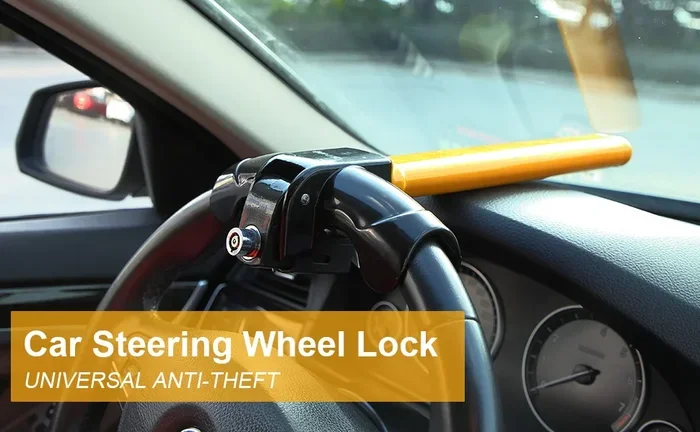
The steering lock mechanism is actually a built-in anti-theft feature. It engages when you turn off the engine and move the wheel slightly. This is normal and intentional. But when the lock engages unexpectedly while driving, that is a different problem entirely. Let us look at what causes that.
What Is a Steering Column Lock?
The steering column lock is a simple pin and tumbler system. It prevents the steering wheel from turning when the ignition is off. This is the same system that keeps thieves from driving your car away. Under normal conditions, this lock releases as soon as you insert the key and turn the ignition. But if the lock mechanism wears out or gets damaged, it can engage at the wrong time.
Common Causes of a Steering Wheel Locking Up
Several issues can cause your steering wheel to lock up while driving. Some relate to the ignition system, while others involve the steering mechanism itself. Here are the most common causes explained in detail.
Ignition Lock Mechanism Failure
The ignition lock is the number one reason for steering wheel lockup. When you turn your key to the off position, the ignition cylinder can sometimes jam. This jams the steering column lock in place. The result is a wheel that will not turn at all.
This problem often happens when you turn off the engine and then turn the wheel at the same time. The pressure on the ignition lock pin can cause it to stick. Over time, wear and tear on the ignition cylinder makes this more likely.
Older vehicles with traditional key ignitions are especially prone to this issue. The lock tumblers wear down after years of use. Dirt and debris can also get inside the ignition cylinder and cause it to stick. If your car has this problem, you might notice the key is hard to turn or will not turn at all.
Power Steering System Problems
Power steering makes turning your wheel easy and smooth. There are two main types: hydraulic power steering and electric power steering. Both can fail in ways that cause a steering wheel lockup.
In hydraulic systems, a pump pressurizes fluid to help you turn. If you run low on power steering fluid, the pump struggles. The wheel becomes very hard to turn and may feel like it is locked. A leak in the power steering hose or rack can cause fluid levels to drop quickly.
Electric power steering systems use a motor to assist your steering. When the electric motor or its control module fails, you lose all steering assist. The wheel becomes extremely heavy, especially at low speeds or when parking. In some cases, the system may completely lock up as a safety measure.
Steering Column or Rack Damage
The steering column connects your steering wheel to the steering rack. If the column gets damaged, it can seize up and lock the wheel in place. This type of damage often comes from a previous accident or from normal wear over many years.
The steering rack is the component that actually moves the wheels left and right. A damaged or worn steering rack can cause the wheel to stick or lock. Common signs of rack problems include grinding noises, fluid leaks, and uneven tire wear. If you notice any of these, get your car checked right away.
Electronic Steering Control Failures
Modern cars have complex electronic steering systems. These include features like electronic stability control and steer-by-wire technology. When the sensors or control modules in these systems fail, your steering wheel can lock up unexpectedly.
Electronic steering problems often trigger a warning light on your dashboard. If you see a steering warning light, do not ignore it. Pull over safely and check your owner’s manual. In many cases, a simple sensor reset or module reprogramming can fix the issue.
Frozen Steering Lock After Engine Shutoff
Sometimes the steering lock engages right after you shut off the engine. This happens when you turn the wheel slightly while removing the key. The lock pin drops into place and prevents the wheel from turning. This is normal anti-theft behavior, but it can feel like a lockup if you do not know what happened.
The fix is simple. Gently wiggle the steering wheel left and right while trying to turn the key. The pressure on the lock pin releases, and the wheel turns freely again. This is one of the most common and easiest steering problems to solve.
Warning Signs Before Your Steering Wheel Locks
A steering wheel lockup rarely happens without warning. Your car usually gives you several signs before the problem becomes serious. Knowing these warning signals can help you address the issue before it leaves you stranded.
Watch for these common early warning signs:
- Stiff steering: The wheel feels harder to turn than usual, especially at low speeds.
- Grinding or clicking noises: Unusual sounds when you turn the wheel can signal internal wear.
- Fluid leaks under your car: Power steering fluid leaks often appear as puddles near the front wheels.
- Dashboard warning lights: A steering or stability control light can point to electronic system problems.
- Vibration in the steering wheel: Shaking or vibration while turning may indicate a failing steering component.
- Key turning difficulties: A stiff or stuck ignition key often precedes a full lockup.
- Pulling to one side: If your car drifts left or right, your steering alignment or rack may be failing.
If you notice any of these signs, do not wait. Get your car inspected by a qualified mechanic as soon as possible. Early detection can save you from a complete steering failure on the road.
What to Do When Your Steering Wheel Locks Up
Finding yourself with a locked steering wheel while driving is frightening. But staying calm and taking the right steps can keep you safe. Here is exactly what you should do.
- Stay calm and grip the wheel firmly. Panicking can make the situation worse. Keep both hands on the wheel and try to maintain control.
- Try wiggling the wheel gently. Sometimes a slight movement left and right can release a stuck lock pin. Do not force it, but gentle movement can help.
- Check your dashboard lights. Warning lights can tell you whether the problem is mechanical or electronic. A red steering light means stop safely and get help.
- Slow down gradually. Do not slam on the brakes. Ease off the gas pedal and let the car slow down naturally.
- Pull over to a safe location. Move to the side of the road or a parking lot. Turn on your hazard lights to alert other drivers.
- Try restarting the engine. In some cases, turning the key off and then back on can release the lock. Wiggle the wheel while turning the key.
- Call for roadside assistance if needed. If the wheel stays locked or you cannot restart the engine, do not keep trying. Call a professional for help.
Quick Tips for Handling a Lockup
- Always keep your owner’s manual in the glove box. It has specific instructions for your vehicle model.
- Practice the wiggle-and-turn motion at home when parked. This helps you stay calm if it happens for real.
- Keep your phone charged and have roadside assistance numbers saved before you need them.
- Never try to force the steering wheel. You could damage the steering column or rack even further.
How to Prevent Steering Wheel Lockup
The best way to deal with a steering wheel lockup is to prevent it from happening in the first place. Regular maintenance and smart driving habits go a long way in keeping your steering system healthy.
Follow a Regular Maintenance Schedule
Stick to your vehicle’s recommended maintenance schedule. This includes regular checks of your power steering fluid, steering components, and ignition system. A mechanic can spot early signs of wear before they become serious problems.
Here is a simple maintenance checklist to follow:
- Check power steering fluid levels every month.
- Inspect the steering rack and hoses for leaks every oil change.
- Have the ignition cylinder checked during every major service.
- Replace worn steering components before they fail completely.
- Keep your tires properly inflated and aligned to reduce steering strain.
Drive Smart to Reduce Steering Stress
Your driving habits affect your steering system more than you might think. Avoid sharp turns at high speeds, and do not hold the steering wheel at full lock for long periods. These habits put extra strain on the power steering pump and rack.
Also, avoid turning the wheel while the car is stationary for long periods. This is called “dry steering” and it can damage the steering rack and tires over time.
Keep Your Ignition Clean and Well-Maintained
The ignition lock mechanism is a moving part that wears over time. Use the correct key for your vehicle and avoid putting extra pressure on the key when turning it. If your key is hard to turn, do not force it. Have the ignition cylinder inspected by a professional.
Consider having the ignition lock lubricated as part of your regular maintenance. A small amount of graphite powder can keep the lock mechanism working smoothly for years.
Comparison of Steering Wheel Lock Causes
Not all steering lockup causes are the same. Some are simple and cheap to fix. Others are serious and expensive. Here is a comparison of the most common causes.
| Cause | Severity | Common Fix | Average Cost |
|---|---|---|---|
| Ignition lock jam | Low | Wiggle wheel and turn key | Free to $50 |
| Low power steering fluid | Medium | Refill fluid and repair leak | $100 to $300 |
| Steering column damage | High | Replace steering column | $500 to $1,500 |
| Steering rack failure | High | Replace or rebuild rack | $500 to $2,000 |
| Electronic steering control failure | Medium to High | Reset module or replace sensor | $200 to $800 |
| Worn ignition cylinder | Low to Medium | Replace ignition cylinder | $150 to $400 |
As you can see, the cost and severity vary widely. Simple issues like a stuck ignition lock cost almost nothing to fix. But steering column or rack damage can be expensive. The key is to catch the problem early before it gets worse.
Expert Insights on Steering Wheel Lockup
We spoke with several certified automotive mechanics about steering wheel lockup issues. Here is what the experts had to say.
Mark T., ASE Certified Mechanic: “The most common lockup I see is the frozen steering lock after engine shutoff. Nine times out of ten, the driver just needs to wiggle the wheel and turn the key. But if it happens while driving, that is a completely different story and needs immediate attention.”
Sarah L., Automotive Specialist: “Power steering failure is the second most common cause. Drivers often ignore the early signs like fluid leaks or stiff steering. By the time the wheel locks up, the damage has usually been building for a while.”
James R., Senior Technician: “In modern cars, electronic steering problems are on the rise. The sensors and control modules are sensitive, and even a minor electrical fault can cause the steering to lock. If your car has a steering warning light, do not wait to get it checked.”
These expert insights reinforce a key point: most steering lockup issues are preventable with regular maintenance and prompt attention to warning signs.
Key Takeaways
- Ignition lock mechanism failure is the most frequent cause of a steering wheel locking up.
- Power steering system problems can make the wheel feel completely stuck or extremely hard to turn.
- Steering column damage and worn components may lead to sudden lockup while driving.
- Electronic steering control failures are common in modern vehicles with advanced driver-assist systems.
- Regular maintenance of your steering and ignition systems can prevent most lockup issues.
- Knowing what to do when your wheel locks up can keep you and others safe on the road.
Conclusion
A steering wheel locking up while driving is a serious issue that demands your attention. Whether it is a simple ignition lock jam or a more complex power steering failure, understanding the cause is the first step toward a solution. Most lockup situations are preventable with proper maintenance and regular inspections.
Remember the warning signs: stiff steering, unusual noises, fluid leaks, and dashboard lights. If you notice any of these, take action right away. And if your wheel does lock up while driving, stay calm, pull over safely, and follow the steps we outlined above.
Your steering system is one of the most important safety features in your vehicle. Taking care of it means taking care of yourself and everyone on the road. Keep your car maintained, drive smart, and do not ignore the early warning signs. A little prevention goes a long way in keeping your steering wheel turning smoothly for years to come.
Frequently Asked Questions
Can a dead battery cause a steering wheel to lock up?
Yes, in vehicles with electric power steering, a dead or weak battery can cause the steering system to lose power and feel locked. The electric steering motor needs electrical power to assist you. When the battery fails, the system shuts down and the wheel becomes very hard to turn. This is different from a mechanical steering lock, but the result can feel similar.
Is it safe to keep driving if my steering wheel feels stiff?
No, it is not safe. A stiff steering wheel can be an early sign of a serious problem like low power steering fluid or a failing steering rack. Continuing to drive with a stiff wheel can lead to a complete lockup. Pull over safely and have your car inspected as soon as possible.
How much does it cost to fix a steering wheel lockup?
The cost depends entirely on the cause. A simple ignition lock jam costs nothing to fix. But replacing a steering rack or column can range from $500 to $2,000 or more. Always get a professional diagnosis before committing to a repair so you know exactly what you are dealing with.
Can cold weather cause a steering wheel to lock up?
Yes, cold weather can make power steering fluid thicker and less responsive. In extreme cold, the fluid can slow down or partially freeze, making the steering wheel feel stiff or locked. This is more common in vehicles with hydraulic power steering. Warming up your car for a few minutes before driving can help prevent this issue.
What should I do if my steering wheel locks up on the highway?
Stay calm and grip the wheel firmly. Slowly ease off the gas pedal and let the car slow down. Turn on your hazard lights and pull over to the shoulder safely. Do not try to force the wheel or make sudden movements. Once stopped, try wiggling the wheel and restarting the engine. If the wheel stays locked, call for roadside assistance immediately.
How can I tell the difference between a steering lock and a power steering failure?
A steering lock usually happens when the engine is off and the wheel was turned slightly. It releases when you wiggle the wheel and turn the key. A power steering failure happens while driving and feels like the wheel is suddenly very heavy or hard to turn. You may also notice a warning light on the dashboard or hear a whining noise from the power steering pump.