The Ultimate Guide to 1 18 Diecast Model Cars for Collectors
1 18 diecast model cars are one of the most popular scales for serious collectors and hobbyists alike. This guide covers everything from top brands and scales to tips for building a valuable collection. Whether you are just starting out or looking to expand your current set, you will find practical advice and insider knowledge inside.
If you love cars, you have probably heard of 1 18 diecast model cars. These detailed replicas capture the spirit of real vehicles in a size that is perfect for display. They are not toys. They are miniature works of art that bring the garage right into your living room.
Whether you are a seasoned collector or just getting started, the world of diecast scale models can feel overwhelming. There are so many brands, scales, and price points to consider. That is exactly why we put together this guide. By the end, you will know exactly what to look for, where to buy, and how to build a collection you can be proud of.
The 1 18 scale is widely considered the sweet spot for serious collectors. At roughly 11 inches long, these models are big enough to show off incredible detail but small enough to fit on a shelf or in a display case. From muscle cars to supercars, 1 18 diecast model cars cover every genre and era of automotive history.
Key Takeaways
- 1 18 scale offers the best balance of detail and display size for most collectors.
- Top brands like AUTOart, Kyosho, and Maisto lead the diecast model car market with high-quality replicas.
- Purchase from authorized retailers to avoid counterfeits and ensure authenticity.
- Condition and packaging matter significantly when it comes to resale value.
- Proper storage and display protect your investment and keep models looking pristine.
- Limited editions and vintage models can appreciate in value over time.
- Joining collecting communities helps you stay informed about new releases and market trends.
📑 Table of Contents
What Makes 1 18 Diecast Model Cars So Special
The 1 18 scale is not just another size option. It has earned its reputation as the go-to choice for collectors who want realism and craftsmanship. But what exactly makes these models stand out from the rest?
Superb Detail at a Manageable Size
One of the biggest advantages of 1 18 diecast model cars is the level of detail you get. At this scale, manufacturers can include features like opening doors, hoods, and trunks. The interiors often feature stitched leather seats, working steering wheels, and even tiny gauges on the dashboard.
Under the hood, you will find detailed engines with moving parts. Exhaust pipes, intake manifolds, and valve covers are all faithfully reproduced. The exterior captures every crease, curve, and badge of the real vehicle. For car enthusiasts, this level of accuracy is incredibly satisfying.
The Perfect Display Size
Unlike smaller scales like 1 24 or 1 43, 1 18 scale models are large enough to appreciate from across a room. At about 11 inches long, they make a real visual impact on a shelf or display case. Yet they are still compact enough to fit dozens of models in a reasonable space.
This balance makes 1 18 diecast model cars ideal for both casual display and serious collecting. You do not need a massive room or a custom-built showroom to enjoy them. A single bookshelf can hold an impressive collection.
Metal Construction and Durability
Most diecast metal models in the 1 18 scale are made from a zinc alloy called zamak. This gives them a satisfying weight and feel that plastic models simply cannot match. The metal body panels resist dents and scratches better than their smaller counterparts.
However, you should still handle them with care. The chrome details on bumpers and grilles can chip if handled roughly. Always hold your models by the base or the body panels to keep them looking their best.
Top Brands in the 1 18 Diecast Market
The diecast car brands market is crowded with options, but not all manufacturers are created equal. Some have built their reputation on precision and quality. Others offer great value for budget-conscious collectors. Here is a look at the top names you should know.
AUTOart
AUTOart is widely regarded as one of the premium diecast manufacturers in the world. Their 1 18 diecast model cars feature stunning paint finishes, precise decals, and fully opening parts. Many collectors consider AUTOart the gold standard for detail and accuracy.
These models tend to be on the pricier side, often ranging from 80 to 200 dollars. But for serious collectors, the quality justifies the cost. AUTOart covers a wide range of vehicles, from modern supercars to classic muscle cars.
Kyosho
Kyosho is another heavyweight in the diecast replicas world. Their 1 18 lineup is known for excellent build quality and faithful reproductions. Kyosho models often feature realistic rubber tires, detailed suspension systems, and authentic interior trim.
One thing that sets Kyosho apart is their commitment to accuracy. They work closely with automakers to ensure every detail is correct. If you want a model that looks exactly like the real thing, Kyosho is a brand worth considering.
Maisto
Maisto offers the best value diecast models on the market. Their 1 18 cars are significantly more affordable than premium brands, often priced between 20 and 50 dollars. For beginners or casual collectors, Maisto is an excellent starting point.
The quality has improved dramatically over the years. While Maisto models may not match AUTOart or Kyosho in every detail, they still look great on a shelf. They are perfect for someone who wants to build a large collection without breaking the bank.
Other Notable Brands
Beyond the big three, several other brands deserve mention. Bburago has a long history in the diecast car market and offers solid models at reasonable prices. Motormax provides budget-friendly options that are great for beginners. CMC (Motorart) focuses on European luxury and sports cars with exceptional detail.
For those interested in limited edition diecast pieces, brands like AUTOart and Kyosho regularly release special runs. These models often feature unique paint schemes, numbered certificates, and exclusive packaging.
Understanding Scales and Sizes
Diecast models come in many different scales, and understanding them is key to building a focused collection. The scale number represents the ratio between the model and the real vehicle. A 1 18 scale model means that every 18 inches on the real car equals 1 inch on the model.
Common Diecast Scales Compared
Here is a quick look at how the most popular scales compare to each other. This will help you decide which size fits your space and collecting goals.
1 18 Scale – About 11 inches long. The most detailed and popular size for display collections. Great for showing off intricate exterior and interior details.
1 24 Scale – About 7 inches long. A good middle ground between detail and space. Popular among hobbyists who want a bit more detail than 1 43 but a more manageable size than 1 18.
1 43 Scale – About 4 inches long. The most common scale for racing and vintage models. Compact and affordable, making it ideal for building large collections.
1 64 Scale – About 2.5 inches long. These are often marketed as toys rather than collectibles. They are great for kids or for building a large display wall on a budget.
If you are serious about model car collecting, the 1 18 scale gives you the best return on investment in terms of detail per dollar spent. That is why most dedicated collectors focus their efforts on this scale.
How to Start and Grow Your Collection
Starting a collection of 1 18 diecast model cars is easier than you might think. The key is to have a clear plan so your collection stays focused and enjoyable. Here is a step-by-step approach to get you started.
Step 1: Choose Your Focus
The first decision you need to make is what kind of cars you want to collect. Some collectors focus on a single brand like Ferrari or Ford. Others collect by era, such as 1960s muscle cars or 1990s sports cars. You could also focus on a specific type like race cars, concept vehicles, or American classics.
Having a clear focus helps you avoid buying random models that do not fit together. It also makes your collection more meaningful and impressive to others. Think about what excites you most about cars and let that guide your choices.
Step 2: Set a Budget
Diecast car values can range dramatically. A basic Maisto model might cost 25 dollars, while a rare AUTOart limited edition could run 300 dollars or more. Setting a budget helps you make smart purchasing decisions and avoid overspending.
As a beginner, start with a modest budget and gradually increase it as your collection grows. You do not need to buy expensive models right away. In fact, some of the most impressive collections start with affordable pieces that are carefully chosen and well-maintained.
Step 3: Learn Where to Buy
Where you buy matters more than most people realize. Authorized retailers and official brand stores are your safest bet for avoiding counterfeits. Online marketplaces can be great for finding rare models, but you need to be careful about condition and authenticity.
Diecast car collecting tips from experienced collectors always include buying from reputable sources. Check seller ratings, ask for detailed photos, and never rush into a purchase if something feels off. A little patience goes a long way in building a quality collection.
Step 4: Store and Display Properly
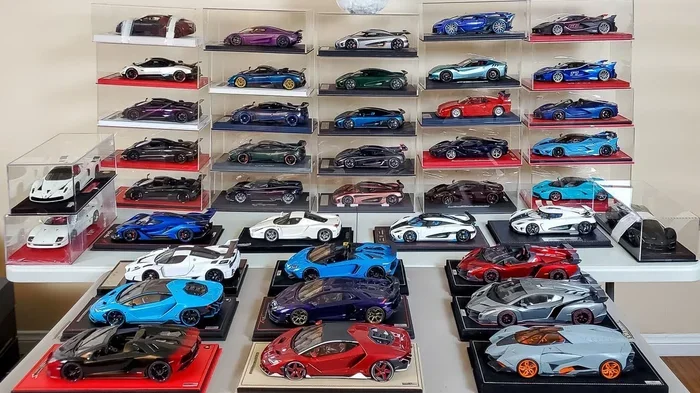
Once you start acquiring models, proper storage becomes essential. Dust, sunlight, and humidity can all damage your collection over time. Consider investing in diecast car display cases with UV-protected glass to keep your models safe.
For long-term storage, wrap models in soft cloth and store them in a cool, dry place. Avoid attics and basements where temperature and humidity fluctuate. A dedicated display shelf with good lighting can turn your collection into a real conversation starter.
Condition Grading and Value
Understanding condition grading is one of the most important aspects of collecting 1 18 diecast model cars. The condition of a model directly affects its value and appeal. Here is a breakdown of the most common grading categories used in the hobby.
Mint in Box (MIB)
This is the highest grade for collectible models. A Mint in Box model looks brand new with no scratches, paint chips, or flaws. The original box should be intact with no tears, creases, or fading. MIB models command the highest prices and are the most sought after by serious collectors.
Mint (M)
A Mint model is in perfect condition but may not include the original box. There should be no visible defects whatsoever. These models still hold strong value and are popular among collectors who prefer to display models without boxes.
Excellent (EX)
An Excellent model has very minor imperfections that are only visible under close inspection. There might be a tiny paint mark or a slight rub on the base. For most collectors, EX models offer the best balance of quality and affordability.
Good (G) and Fair (F)
Good and Fair models show visible wear and damage. Paint chips, scratches, and loose parts are common. These models are fine for casual display or for collectors on a tight budget. They are generally not recommended for investment purposes.
Always inspect a model carefully before purchasing. Pay close attention to the paint finish, chrome details, and wheel alignment. These small details make a big difference in both appearance and value.
Common Mistakes to Avoid
Even experienced collectors make mistakes sometimes. Learning from others’ errors can save you money, time, and frustration. Here are some of the most common pitfalls to watch out for.
Buying without checking condition. Always ask for detailed photos and condition reports. A model that looks great in a photo might have hidden defects that only become visible in person.
Ignoring packaging. The original box adds significant value, especially for limited editions. If you plan to resell your models down the road, keeping them in their boxes is a smart move.
Overlooking authenticity. Counterfeit diecast models are more common than you might think. Stick to reputable sellers and be wary of prices that seem too good to be true.
Neglecting proper storage. Sunlight and humidity are the enemies of diecast models. A simple display case can protect your investment for decades.
Chasing every new release. It is easy to get caught up in the excitement of new models hitting the market. But buying impulsively leads to duplicates and wasted money. Stick to your collecting plan and be selective.
Expert Insights and Industry Trends
We spoke with several experienced model car collecting experts to get their take on the current state of the hobby. Their insights provide valuable perspective for both new and seasoned collectors.
“The 1 18 diecast model cars market has never been stronger,” says one longtime collector. “Manufacturers are producing models with more detail than ever before. We are seeing incredibly realistic paint finishes, opening features, and premium packaging.”
Another expert notes that vintage diecast models from the 1980s and 1990s are seeing a resurgence in popularity. These older models often feature simpler but charming designs that appeal to nostalgia-driven collectors. Limited runs and original packaging can make these pieces highly valuable.
The rise of online collecting communities has also transformed the hobby. Collectors can now connect with each other across the globe, share knowledge, and trade models easily. Social media groups and dedicated forums have made it easier than ever to stay informed about new releases and market trends.
One trend that shows no signs of slowing down is the growing interest in diecast car investment. Some collectors buy models specifically because they expect them to appreciate in value over time. Limited editions, first runs, and models of iconic vehicles tend to hold or increase their value best.
Key Takeaways
- 1 18 scale offers the best balance of detail and display size for most collectors.
- Top brands like AUTOart, Kyosho, and Maisto lead the diecast model car market with high-quality replicas.
- Purchase from authorized retailers to avoid counterfeits and ensure authenticity.
- Condition and packaging matter significantly when it comes to resale value.
- Proper storage and display protect your investment and keep models looking pristine.
- Limited editions and vintage models can appreciate in value over time.
- Joining collecting communities helps you stay informed about new releases and market trends.
Conclusion
1 18 diecast model cars offer an incredible way to celebrate your love of automobiles. They combine stunning detail, manageable size, and lasting durability in a package that appeals to collectors of all ages and experience levels.
Whether you are drawn to the sleek lines of a classic Ferrari, the raw power of a muscle car, or the engineering precision of a European sports car, there is a 1 18 scale model out there for you. The key is to start with a clear focus, buy from trusted sources, and take good care of your models.
The hobby of collecting diecast metal models is more rewarding than most people realize. It connects you to automotive history, gives you a reason to learn about cars you love, and provides a tangible way to display your passion. Start small, stay curious, and enjoy the journey. Your perfect 1 18 diecast model car is waiting for you.
Frequently Asked Questions
What does 1 18 scale mean for diecast model cars?
The 1 18 scale means that the model is 1/18th the size of the real vehicle. A car that is 18 feet long would be represented by a 1 18 model that is about 1 foot, or 12 inches, long. This scale is widely considered ideal for collectors because it offers excellent detail without taking up too much space.
Are 1 18 diecast model cars worth the investment?
Yes, especially limited editions and models from premium brands like AUTOart and Kyosho. Well-maintained models in mint condition can appreciate in value over time. However, the primary value for most collectors comes from the enjoyment of owning and displaying beautiful replicas.
How can I tell if a diecast model is authentic?
Buy from authorized retailers and official brand websites. Check for proper branding, consistent paint quality, and solid construction. Counterfeit models often have blurry decals, loose parts, and lower-quality paint finishes. If a deal seems too good to be true, it probably is.
What is the best way to display 1 18 diecast model cars?
Display cases with UV-protected glass are the best option for long-term preservation. They protect models from dust, sunlight, and humidity. You can also use open shelving with good lighting for a more accessible display. Just keep models away from direct sunlight and areas with high humidity.
Can I customize or paint 1 18 diecast model cars?
Some collectors do customize their models, but this generally reduces their collectible value. If you want to modify models, it is best to buy affordable pieces specifically for that purpose. Keep your mint-condition models in their original state to preserve their value.
Where can I find rare 1 18 diecast model cars for sale?
Specialty diecast shops, official brand websites, and reputable online marketplaces are your best sources. Joining collecting forums and social media groups can also lead you to rare finds through trades and sales among fellow enthusiasts. Always verify the seller’s reputation before making a purchase.