The Best 3m Car Rubbing Compound for a Flawless Finish
Finding the right 3M car rubbing compound can transform your vehicle’s paint from dull and scratched to mirror-smooth. Whether you are dealing with swirl marks, light scratches, or oxidation, the correct compound makes all the difference. This guide walks you through the top 3M rubbing compounds, how they work, and the best way to use them for professional-grade results at home.
If you have ever looked at your car and noticed those annoying swirl marks, light scratches, or dull patches, you know how frustrating it can be. No matter how often you wash your vehicle, these surface imperfections just seem to stick around. That is where a 3M car rubbing compound comes in.
3M is one of the most trusted names in automotive care. Their rubbing compounds are designed to remove defects from your car’s paint and restore a smooth, glossy surface. Whether you are a beginner or a seasoned detailer, understanding how these compounds work will help you achieve results that look professional.
In this guide, we will cover everything you need to know about 3M rubbing compound. We will look at the best products, how they work, and the step-by-step process for using them. By the end, you will have all the knowledge you need to bring your car’s paint back to life.
Key Takeaways
- 3M rubbing compounds come in different grits: choosing the right one depends on your paint condition and goals.
- Paint correction is easier with the right compound: 3M offers products designed for everything from heavy scratch removal to final polishing.
- Proper technique matters as much as the product: using a dual-action polisher and the right buffer pad is essential.
- 3M is a trusted name in automotive detailing: their compounds are formulated for both professionals and DIY enthusiasts.
- Avoid common mistakes like applying too much pressure: this can damage your clear coat and worsen surface imperfections.
- Follow up with a finishing polish: this ensures the smoothest possible surface after using a rubbing compound.
📑 Table of Contents
- What Is a 3M Car Rubbing Compound?
- How Does 3M Rubbing Compound Work on Your Car?
- Best 3M Car Rubbing Compounds Compared
- Step-by-Step Guide to Using 3M Rubbing Compound
- Common Mistakes to Avoid When Using Rubbing Compound
- Expert Tips for a Flawless Finish
- Key Takeaways
- Frequently Asked Questions
- Conclusion
What Is a 3M Car Rubbing Compound?
A 3M car rubbing compound is an abrasive paste used to remove fine scratches, swirl marks, and oxidation from automotive paint. It works by gently grinding away the top layer of clear coat to reveal a smoother, more uniform surface underneath.
Unlike regular polish, a rubbing compound has a more aggressive cutting action. This makes it ideal for addressing visible defects before you move on to finer polishing steps. 3M offers several formulas designed for different levels of paint correction, from heavy cutting to light refinement.
How Rubbing Compound Differs from Polish
Many people confuse rubbing compound with polish, but they serve different purposes. A compound is more abrasive and removes more material. It is meant for correcting deeper scratches and heavy swirl marks. Polish, on the other hand, is finer and is used after compounding to refine the surface and add gloss.
Think of it like sanding wood before painting. You start with a rougher grit to level the surface, then move to a finer grit for a smooth finish. The same principle applies to paint correction on your car.
Why 3M Stands Out in the Market
3M has decades of experience in producing abrasive products for automotive use. Their compounds are engineered with consistent particle sizes, which means predictable and even cutting action. You also get excellent coverage and easy buffing with 3M products, which saves you time and effort.
Another reason 3M rubbing compound stands out is the range of options available. Whether you need something aggressive for a heavily damaged clear coat or a mild formula for regular maintenance, 3M has a product for that. Their lineup covers everything from heavy-cut compounds to ultra-fine finishing products.
How Does 3M Rubbing Compound Work on Your Car?
Understanding how abrasive compound works helps you get better results. The compound contains tiny abrasive particles suspended in a paste or liquid. When you apply it to the paint surface and work it with a buffer or polisher, these particles create micro-abrasions that level out imperfections.
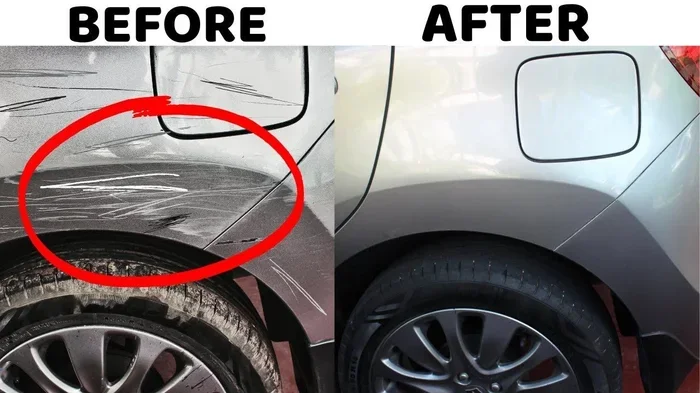
The process removes a thin layer of clear coat, taking scratches and swirl marks down to the same level as the surrounding paint. This creates a uniform surface that reflects light evenly, giving your car that deep, glossy look.
The Science Behind Paint Correction
Every time you wash your car or dry it with a towel, you create tiny scratches called swirl marks. Over time, these accumulate and make the paint look dull. Oxidation also damages the clear coat, causing it to appear hazy or chalky.
A 3M rubbing compound addresses these issues by removing the damaged layer. The abrasive particles cut into the clear coat and smooth out the uneven areas. What remains is a clean, reflective surface that looks like new.
Paint refinement is the term professionals use for this process. It involves using progressively finer compounds and polishes to achieve the best possible clarity and shine. 3M designs their products to fit into this workflow, making it easy to step from cutting to finishing.
Different Grit Levels and What They Do
3M offers compounds in various abrasive grades. Here is a simple breakdown:
- Heavy-cut compounds: These are for deep scratches and heavy oxidation. They remove more clear coat and work fast.
- Medium-cut compounds: Great for moderate swirl marks and light scratches. They balance cutting power with finish quality.
- Fine compounds: Used for final refinement after a heavier compound. They smooth out any haze left behind.
- Ultra-fine finishing compounds: These are the least aggressive. They prepare the surface for wax or sealant.
Choosing the right grit depends on the condition of your car’s paint. If you are unsure, start with a medium-cut compound and work your way up if needed.
Best 3M Car Rubbing Compounds Compared
Not all 3M rubbing compounds are the same. Each product is designed for a specific purpose and paint condition. Here is a closer look at some of the top options.
3M Perfect-It Rubbing Compound
The 3M Perfect-It line is one of the most popular choices among detailers. These compounds offer excellent cutting power with a smooth, easy-to-buff formula. They work well on both single-stage and clear coat paint systems.
3M Perfect-It compounds are available in multiple grades, making them versatile for different levels of correction. They also produce very little dust, which keeps your workspace cleaner and makes the process more pleasant.
3M Finesse-It Rubbing Compound
The 3M Finesse-It line is designed for lighter correction and final refinement. These compounds have a finer abrasive structure that leaves a smooth surface with minimal haze. They are ideal as a last step before applying wax or sealant.
If your car has light swirl marks or needs a quick refresh, 3M Finesse-It is a great choice. It is also a good option for maintaining your paint between more intensive correction sessions.
3M Trizact Rubbing Compound
3M Trizact compounds use a unique micro-replicated abrasive structure. This means the abrasive particles are arranged in a controlled pattern, providing consistent cutting action across the entire surface. The result is a very uniform finish with less risk of burning or damaging the clear coat.
3M Trizact is particularly effective for scratch repair and swirl mark removal. It is also one of the easiest compounds to buff off, which saves time during the detailing process.
Comparison Table: Top 3M Rubbing Compounds
- 3M Perfect-It: Heavy to medium cutting, best for moderate to heavy defects, excellent versatility.
- 3M Finesse-It: Fine cutting, best for light defects and final refinement, easy to buff.
- 3M Trizact: Controlled micro-cutting, best for uniform finish and scratch repair, low dust.
| Product | Cut Level | Best For | Ease of Use |
|---|---|---|---|
| 3M Perfect-It | Medium to Heavy | Swirl marks, moderate scratches | Very Easy |
| 3M Finesse-It | Fine | Light defects, final polish | Very Easy |
| 3M Trizact | Controlled Medium | Scratch repair, uniform finish | Easy |
When choosing a 3M car rubbing compound, consider the current condition of your paint. If your car has never been corrected, you may need a heavier compound first. If it has been previously polished, a finer compound like 3M Finesse-It will be sufficient.
Step-by-Step Guide to Using 3M Rubbing Compound
Using a 3M rubbing compound correctly is just as important as choosing the right product. Follow these steps for the best results.
Step 1: Wash and Decontaminate Your Car
Before you start, make sure your car is completely clean. Wash it with a quality car shampoo and dry it thoroughly. Remove any embedded contaminants like tar or iron particles using a clay bar. This ensures the compound works on a clean surface and does not grind dirt into the paint.
Step 2: Inspect the Paint
Walk around your car and inspect the paint under good lighting. Look for swirl marks, scratches, and areas of oxidation. This helps you determine which compound grade you need and which areas require the most attention.
Use a paint depth gauge if you have one. This tool measures the thickness of your clear coat and helps you avoid removing too much material during correction.
Step 3: Set Up Your Polishing Equipment
You will need a dual-action (DA) polisher for the best results with 3M rubbing compound. A DA polisher reduces the risk of burning the paint, which is especially important for beginners.
Choose the right buffer pad for the job:
- Foam cutting pads: Use with heavy or medium-cut compounds for maximum abrasion.
- Foam polishing pads: Use with fine compounds for a smoother finish.
- Wool pads: Use with heavy compounds for severe defects, but be cautious as they cut aggressively.
Apply a small amount of compound to the pad and spread it evenly across the surface before starting the polisher.
Step 4: Apply the Compound and Polish
Work on one section at a time, about 2×2 feet in size. Turn on the polisher and move it in overlapping passes. Keep the machine moving at all times to avoid creating heat buildup, which can damage the clear coat.
Use light to medium pressure and let the compound do the work. If you press too hard, you risk removing too much clear coat and creating new defects. After each section, wipe away the residue with a clean microfiber towel and inspect the results.
Step 5: Follow Up with Polish and Protect
Once you have completed compounding, switch to a finishing polish to refine the surface further. This step removes any remaining haze and brings out the maximum gloss.
Finally, protect your work by applying a coat of wax, sealant, or ceramic coating. This shields the freshly corrected paint from environmental damage and keeps it looking great for months.
Common Mistakes to Avoid When Using Rubbing Compound
Even with the best 3M car rubbing compound, mistakes can happen. Here are the most common errors and how to avoid them.
Using Too Much Compound at Once
More compound does not mean better results. Applying too much product creates excess buildup that clogs your buffer pad and reduces cutting efficiency. Use a small, pea-sized amount and add more only if needed.
Letting the Compound Dry on the Paint
Never let rubbing compound dry on your car’s surface. Dried compound becomes difficult to remove and can leave haze or swirl marks in the paint. Keep your pad lubricated and work in small sections to prevent this.
Skipping the Finishing Polish
Some people stop after compounding and skip the polishing step. This is a mistake. A finishing polish removes any remaining micro-marring from the compounding process and leaves the surface smooth and reflective.
Using the Wrong Buffer Pad
The buffer pad you choose matters a lot. Using a soft pad with a heavy-cut compound will not give you enough cutting power. Conversely, using an aggressive pad with a fine compound can create unnecessary swirl marks. Always match your pad to the compound you are using.
Compounding in Direct Sunlight
Never work on your car in direct sunlight or on hot surfaces. The heat causes the compound to dry out quickly and increases the risk of burning the clear coat. Always work in a shaded area or in a garage with good ventilation.
Expert Tips for a Flawless Finish
Getting the most out of your 3M rubbing compound comes down to technique and preparation. Here are some expert tips that make a real difference.
Use a Spray Bottle with Quick Detailer
Keep a spray bottle of quick detailer or diluted polish nearby. Spraying a light mist on the surface before and during compounding helps the product glide smoothly and prevents drying. This also keeps your pad cleaner for longer.
Work in Sections and Keep Track
Divide your car into manageable sections and complete one before moving to the next. This ensures you do not miss spots and gives you time to inspect each area before moving on. Use a checklist if needed to stay organized.
Clean Your Pads Between Sections
Buffer pads pick up debris and compound residue as you work. Clean them with a pad washer or a microfiber towel between sections. This prevents contamination from being spread across clean areas of the paint.
Let the Machine Do the Work
Resist the urge to press down hard on the polisher. The abrasive action of the 3M compound combined with the machine’s speed is more than enough to do the job. Let the tool and product work together, and you will get better results with less effort.
Always Use Clean Microfiber Towels
When wiping off compound residue, use a fresh, clean microfiber towel. Dirty or reused towels can introduce new scratches and undo your hard work. Keep several towels on hand and swap them out frequently.
Take Your Time
Paint correction is not a race. Rushing through the process leads to mistakes and uneven results. Take your time, work methodically, and enjoy the process. The difference in your car’s finish will be well worth the effort.
Key Takeaways
- 3M rubbing compounds are formulated for different levels of paint correction: choose based on your paint’s condition.
- Always start with a clean, decontaminated surface before applying any compound.
- Use a dual-action polisher with the correct buffer pad for safe and effective results.
- Work in small sections and never let the compound dry on the paint.
- Follow up with finishing polish and protection to lock in your results.
- Avoid common mistakes like using too much pressure, skipping the polish step, or working in direct sunlight.
- Practice makes perfect: the more you compound, the better your results will become.
Frequently Asked Questions
Can I use 3M rubbing compound by hand without a polisher?
Yes, you can apply 3M rubbing compound by hand using a microfiber applicator pad. However, hand application takes more time and effort, and it is harder to achieve consistent results. A dual-action polisher is recommended for the best outcomes, especially on larger areas like hoods and doors.
How often should I compound my car?
You should only compound your car when there are visible defects like swirl marks, light scratches, or oxidation that cannot be removed by washing or polishing alone. Over-compounding removes clear coat, so it is best to limit this process to once or twice a year, depending on your car’s condition and how often you detail it.
Is 3M rubbing compound safe for all paint types?
3M designs their rubbing compounds to be safe on both single-stage and clear coat paint systems. However, you should always test a small, hidden area first to ensure compatibility. If your car has a thin or already compromised clear coat, use a finer compound and apply light pressure to avoid removing too much material.
What is the difference between cutting compound and finishing compound?
A cutting compound has larger abrasive particles and removes more paint to correct deeper defects. A finishing compound has finer particles that refine the surface after cutting, removing any haze and adding gloss. Most detailing workflows start with a cutting compound and finish with a finer one for the best results.
Do I need to wax my car after using rubbing compound?
Yes, you should always protect your paint after compounding. The process removes a thin layer of clear coat, leaving the surface exposed and vulnerable to environmental damage. Apply a quality wax, sealant, or ceramic coating to lock in your results and provide long-lasting protection against UV rays, dirt, and oxidation.
Can rubbing compound remove deep scratches?
A 3M rubbing compound can remove light to moderate scratches that are confined to the clear coat layer. Deep scratches that reach the base coat or primer will not be fully removed by compounding alone. In those cases, you may need touch-up paint or professional repair to address the damage properly.
Conclusion
Using a 3M car rubbing compound is one of the most effective ways to restore your car’s paint and achieve a flawless, mirror-like finish. Whether you choose 3M Perfect-It, 3M Finesse-It, or 3M Trizact, the key is to match the compound to your paint’s condition and follow the proper technique.
Remember that paint correction is a process. Start with the right compound, use the correct equipment, and take your time. Follow up with a finishing polish and protection to keep your results looking great for months to come.
With the guidance in this article, you now have everything you need to get started. Grab your 3M rubbing compound, fire up your polisher, and bring the shine back to your car. Your vehicle deserves to look its best, and with the right approach, a flawless finish is entirely within your reach.