Here Is What 1 Star on Car in India Means for Buyers
Finding a 1 star on car in India can be a serious red flag for any buyer. This rating means the vehicle performed poorly in crash tests and lacks essential safety features. Understanding what this score means helps you make a smarter, safer choice for your family.
Buying a car in India is exciting. You research brands, compare features, and check prices. But one thing many buyers overlook is safety. When you see a 1 star on car in India, it tells a very important story. That single star can mean the difference between walking away from an accident and a life-changing injury.
India has seen a rise in car ownership over the last decade. More families are hitting the roads every day. But with that growth comes a serious concern. Many cars sold in India today have very poor safety ratings. A 1 star on car in India rating means the vehicle offers minimal protection during a crash. This is not just a number on a website. It is a measure of how well your car will protect you and your loved ones.
Safety ratings matter. They come from organizations like Global NCAP and the Bharat New Vehicle Safety Assessment Program, known as BNVSAP. These groups crash-test cars under controlled conditions. They measure how well the vehicle protects occupants. A low score means weak structure, poor restraint systems, or both. For buyers, understanding these ratings is essential. It can save your life.
Key Takeaways
- 1 star means poor safety: A car with this rating offers very little protection in a crash.
- Global NCAP and BNVSAP run the tests: These are the main organizations that rate vehicle safety in India.
- Many popular cars scored low: Several widely sold models in India received only 1 star in safety evaluations.
- Missing features are a big concern: 1-star cars often lack airbags, ABS, and electronic stability control.
- You can choose safer options: Always check safety ratings before buying any car in India.
- Government rules are tightening: New regulations are pushing manufacturers to improve vehicle safety.
- Your family’s safety depends on it: A low safety rating puts everyone at greater risk during an accident.
📑 Table of Contents
What Does 1 Star on a Car in India Mean?
Understanding the Rating System
Safety ratings in India follow a simple scale. Most programs use a 5-star system. Five stars mean excellent protection. One star means very poor protection. When a car gets 1 star on car in India, it signals serious safety concerns.
The rating is based on several crash tests. These include frontal impact tests and side impact tests. Testers also evaluate how well the car protects pedestrians. They check the strength of the vehicle body. They measure how much the cabin deforms during a crash. All of these factors come together to form the final score.
Here is how the rating system works in simple terms:
- 5 Stars: Excellent crash protection and safety features.
- 4 Stars: Good protection with minor areas for improvement.
- 3 Stars: Average protection. Some safety gaps exist.
- 2 Stars: Below average. Occupants face moderate risk.
- 1 Star: Poor protection. High risk of injury in a crash.
A 1 star on car in India rating is not something to ignore. It means the car failed to meet basic safety standards. The cabin may collapse during a collision. Airbags may not deploy properly. Seatbelts may not hold occupants in place. All of these failures increase the chance of serious harm.
How Are Cars Tested in India?
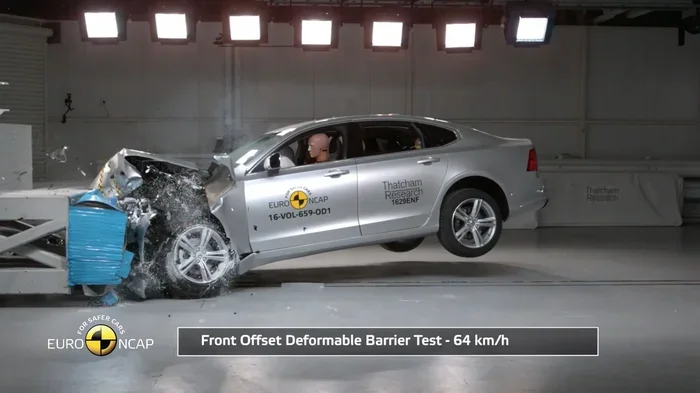
Global NCAP has been testing cars sold in India for several years. They use standards similar to those used in Europe and other markets. The tests are rigorous. They simulate real-world crash scenarios at specific speeds.
In a frontal crash test, the car hits a barrier at around 56 km/h. This mimics a head-on collision. Sensors measure the forces acting on the driver and passenger dummies. These sensors record data on head injury, chest injury, and leg injury. The results determine the final star rating.
BNVSAP is the Indian government’s own safety assessment program. It was introduced to improve vehicle safety standards in the country. However, BNVSAP has faced criticism for being less strict than Global NCAP. Some experts believe the program needs stronger enforcement. Still, both organizations play a vital role in keeping buyers informed.
Quick Tip: Always check both Global NCAP and BNVSAP ratings before buying a car. Do not rely on just one source.
Why a 1-Star Rating Should Concern Every Buyer
Real-World Crash Survival Rates
A 1 star on car in India is not just a number. It has real consequences. Studies show that occupants in low-rated vehicles face a much higher risk of serious injury. In a head-on collision, a poorly built car can crumple inward. This puts the driver and passengers directly in harm’s way.
Think about it this way. When you buy a car, you are choosing a metal shell that will protect you in a crash. A 1-star car offers very little of that protection. The body may not hold its shape. The doors may not stay closed during a rollover. Fuel tanks may rupture. All of these dangers are real and documented.
Expert Insight: Crash test engineers often say that a car’s structure is its first line of defense. If the structure fails, no amount of airbags or seatbelts can fully compensate.
The Hidden Risks of Low Safety Scores
Many buyers do not realize the full extent of the risks. A 1 star on car in India rating often means missing safety equipment. Let us look at some common gaps found in low-rated vehicles.
- No airbags: Many 1-star cars come without even basic driver airbags.
- No ABS: Anti-lock braking systems help drivers maintain control during emergency stops.
- Weak seatbelts: Some cars have seatbelts that do not retract properly or lack pretensioners.
- Poor pedestrian protection: The front design may cause severe injuries to pedestrians in a collision.
- No ISOFIX anchors: This makes it difficult to safely install child car seats.
These are not small issues. Each one adds to the overall danger of the vehicle. When you combine all of them, the result is a car that puts lives at risk.
Common Mistakes Buyers Make
- Ignoring safety ratings entirely: Many buyers focus only on price and looks.
- Assuming all cars meet the same standards: This is not true. Safety varies widely between models.
- Believing a low price justifies low safety: No discount is worth a life.
- Relying on brand reputation alone: Even popular brands sell models with poor safety records.
Cars That Scored 1 Star on Car in India
Popular Models Under Scrutiny
Several cars sold widely in India have received 1 star on car in India ratings from Global NCAP. Some of these models were once bestsellers. Their low scores shocked many buyers and safety advocates. Let us look at some of the most notable cases.
In 2014, the Maruti Suzuki Alto was tested by Global NCAP. It received zero stars for adult occupant protection. The car lacked even a single airbag in its base variant. The structure of the cabin collapsed significantly during the crash test. This was a wake-up call for the Indian automotive industry.
Similarly, the Hyundai Eon scored very poorly in crash tests. The Renault Kwid also received a low rating for several years. These cars were affordable and popular. But their safety performance raised serious questions. Buyers were not getting the protection they needed.
More recently, some other models have also faced criticism. The Tata Tiago and Tata Nexon performed better in later tests after safety improvements. But many older and budget models still lag behind. The gap between what buyers expect and what they get in terms of safety remains wide.
Why These Models Failed
The reasons behind low ratings are often the same. Manufacturers cut costs to offer lower prices. Safety features are the first things to go. The result is a car that looks fine on the outside but offers little protection inside.
Here are some common reasons a car might score 1 star on car in India:
- Weak body structure: The car does not have a strong passenger cell.
- Lack of airbags: No front or side airbags to cushion occupants.
- No electronic stability control: The car cannot help drivers avoid skids and slides.
- Poor pedal design: pedals can collapse or move during impact, causing foot injuries.
- Inadequate seatbelt systems: Seatbelts do not effectively restrain occupants.
| Car Model | Global NCAP Rating | Key Safety Issues |
|---|---|---|
| Maruti Suzuki Alto (older variant) | 0 Stars | No airbags, weak cabin structure |
| Hyundai Eon | 1 Star | No airbags, no ESC, poor structure |
| Renault Kwid (base variant) | 0 Stars | No airbags, no ABS, unstable in turns |
| Datsun Redi-GO | 1 Star | Minimal safety equipment, weak body |
Note: Ratings may vary based on the specific variant tested. Always check the exact model and trim level.
Safety Features Missing in 1-Star Vehicles
Airbags and Seatbelts
The most basic safety equipment is often missing from 1 star on car in India vehicles. Airbags are designed to cushion occupants during a crash. They work alongside seatbelts to reduce the force on the body. Without airbags, the full impact of a collision is transferred directly to the driver and passengers.
Many budget cars in India have historically been sold without driver airbags. Some still are. This is unacceptable in today’s market. Even the cheapest cars should offer basic protection. Seatbelts for all passengers are equally important. Cars that skip these essentials put lives at risk.
Electronic Stability Control and ABS
Electronic stability control, or ESC, is a life-saving feature. It helps drivers maintain control during sharp turns or sudden maneuvers. Anti-lock braking systems, or ABS, prevent wheels from locking up during hard braking. Together, these systems can prevent many accidents from happening in the first place.
Unfortunately, many 1-star cars do not include ESC or ABS. This is a major safety gap. Buyers should never accept a car without these features. They are not luxury add-ons. They are essential tools for staying safe on the road.
Child Safety Features
Families with children need to pay extra attention to safety ratings. A 1 star on car in India rating often means the car lacks ISOFIX anchors for child seats. It may also have dangerous interior surfaces that can injure a child during a crash. Rear seat belts may be missing or poorly designed.
Quick Tips for Families:
- Always check for ISOFIX anchors before buying a family car.
- Look for cars with rear seat belts for all positions.
- Choose vehicles with good rear crash protection.
- Avoid cars with sharp or hard interior edges near child seating areas.
How to Choose a Safer Car in India
Checking Safety Ratings Before Buying
Choosing a safe car in India is easier than ever. Several resources are available to help buyers make informed decisions. Global NCAP publishes test results on its website. BNVSAP provides its own set of ratings. Both are free to access and easy to understand.
Before visiting a dealership, do your research. Look up the safety rating for the exact model and variant you are considering. A 1 star on car in India should be a dealbreaker. Even a 2-star or 3-star rating should make you think twice. Aim for a car with at least 4 stars for peace of mind.
Here is a simple checklist to follow before buying any car:
- Check the Global NCAP or BNVSAP safety rating.
- Verify the number of airbags included in the variant.
- Confirm the presence of ABS and ESC.
- Check for ISOFIX anchors if you have children.
- Read expert reviews that discuss safety features.
- Ask the dealer about the car’s crash test performance.
Budget-Friendly Safe Options
Some buyers believe that safe cars are always expensive. This is not true. Several affordable cars in India now offer strong safety performance. The Tata Tiago, for example, received a 5-star rating from Global NCAP. The Mahindra Marazzo also earned top marks. These cars prove that safety does not have to break the bank.
When comparing options, look at the total value. A car that costs a little more but offers 5-star safety is a better investment than a cheaper 1-star car. Your safety is worth the extra cost. Think of it as protecting your most valuable asset: your life and your family.
The Future of Car Safety Regulations in India
BNVSAP and Upcoming Changes
The Indian government has been working to improve vehicle safety standards. The BNVSAP program is a step in the right direction. New rules are being introduced that will require more cars to meet minimum safety benchmarks. These changes aim to reduce the number of unsafe vehicles on Indian roads.
In recent years, the government has mandated certain safety features for all new cars. Dual front airbags and ABS are now required in many segments. These mandates have helped raise the overall safety level of cars sold in India. However, much work remains.
Expert Insight: Safety advocates in India are pushing for even stricter rules. They want ESC to be mandatory across all vehicle segments. They also want stronger enforcement of existing regulations. These efforts will help push manufacturers to build safer cars for everyone.
What This Means for Buyers
The changing regulatory landscape is good news for buyers. As rules become stricter, more cars will meet higher safety standards. However, buyers should not wait for regulations to protect them. You can take action right now. Check safety ratings. Ask questions. Choose a car that protects you and your family.
A 1 star on car in India rating should never be acceptable. As consumers, our choices drive the market. When we demand safer cars, manufacturers respond. Every purchase is a vote for the kind of automotive industry we want to see.
Common Mistakes to Avoid When Evaluating Car Safety:
- Assuming new cars are always safe: Even new models can score poorly if manufacturers cut corners.
- Ignoring variant differences: The top trim of a car may be safe while the base trim is dangerously weak.
- Trusting marketing claims: Phrases like “safe by design” mean nothing without test data to back them up.
- Overlooking used car safety: Older models may have been rated poorly even when they were new.
Conclusion
A 1 star on car in India is a clear warning sign. It tells you that the vehicle offers very little protection in a crash. The risks are real. The consequences can be devastating. No car should be sold without meeting basic safety standards.
As a buyer, you have the power to demand better. Check ratings before you buy. Look for airbags, ABS, and ESC. Choose vehicles that have been tested and proven to protect occupants. Your family’s safety depends on the choices you make today.
Do not settle for less. A car is more than a mode of transport. It is a shield that should protect you in your most vulnerable moments. Make sure the car you choose has earned its stars. Choose safety. Choose wisely. Choose a car that will bring you home.
The road ahead is full of uncertainties. But you can control one thing. The safety of the vehicle you drive. Let that be the foundation of every car-buying decision you make from this day forward.
Frequently Asked Questions
What does a 1 star safety rating mean for a car in India?
A 1 star on car in India rating means the vehicle offers very poor protection in a crash. It usually lacks essential safety features like airbags, ABS, and a strong body structure. Occupants in such a car face a much higher risk of serious injury or death during an accident.
Which organizations test car safety in India?
The two main organizations are Global NCAP and BNVSAP. Global NCAP is an independent international body that tests cars sold in India. BNVSAP is the Indian government’s own safety assessment program. Both publish ratings that help buyers make informed decisions.
Can a 1-star car be made safer with aftermarket modifications?
Aftermarket modifications can add some protection, but they cannot fix fundamental structural flaws. A 1 star on car in India car may lack proper airbag systems or have a weak passenger cell. No modification can fully compensate for poor original design. It is always better to choose a car with a higher safety rating from the start.
Are budget cars in India always unsafe?
Not necessarily. While many budget cars have scored low in the past, the situation is improving. Several affordable models now offer 4 or 5-star safety ratings. Brands like Tata and Mahindra have demonstrated that safety and affordability can go hand in hand. Always check the specific model and variant rating before buying.
How often should I check my car’s safety rating?
You should check the safety rating before purchasing any car. If you own an older model, it is worth reviewing updated test results for that model. Safety standards evolve, and a car that was acceptable years ago may not meet today’s expectations. Stay informed to keep your family safe.
What should I do if the car I want only has a 1-star rating?
Walk away from that deal. A 1 star on car in India rating is a serious red flag. Look for alternative models with better safety scores. Even spending a little more on a higher-rated car is a worthwhile investment in your family’s protection. Your safety is priceless.
=== CONCLUSION ===
A 1 star on car in India rating is not something to take lightly. It represents a vehicle that falls short of basic safety standards. From missing airbags to weak body structures, the risks are significant and well-documented. Every buyer in India deserves to know what they are getting into before signing on the dotted line.
The automotive industry in India is evolving. Stricter regulations, better testing programs, and more informed buyers are driving positive change. But the responsibility also lies with each of us. We must choose safety over price. We must demand better from manufacturers. We must protect ourselves and our families on the roads.
Use the knowledge from this guide. Check ratings. Compare models. Ask the right questions. Your next car purchase can be a safe one. A 1 star on car in India should never be your final choice. Drive smart. Drive safe. Choose wisely every single time.