How Do I Completely Disable Anti Theft On My Phone
Want to know how do I completely disable anti theft on my phone? This guide walks you through every step for both iPhone and Android devices. You will learn exactly which settings to change, what warnings to expect, and how to stay safe while doing it.
Your phone is one of the most personal things you own. It holds your photos, messages, bank details, and so much more. That is exactly why phone makers built in anti-theft protection. These features keep your data safe if someone ever steals or loses your device. But what happens when you want to turn them off? Maybe you are selling your phone. Maybe you are traveling and do not want constant tracking alerts. Or maybe the anti-theft system is causing problems of its own.
No matter the reason, how do I completely disable anti theft is a question many phone users ask. The answer depends on whether you use an iPhone or an Android device. Each operating system handles phone security a little differently. This guide will walk you through the exact steps for both. You will learn what to turn off, what warnings to watch for, and how to keep your data safe during the process.
Before we dive in, let us be clear. Disabling anti-theft features comes with real risks. Your phone becomes easier to access if it gets lost or stolen. Your personal information could be exposed. That is why we strongly recommend understanding every step before you proceed. This article is here to help you make an informed decision.
Key Takeaways
- Know your anti-theft system: Both iPhone and Android have built-in protections that you can manage from the settings menu.
- Disable activation lock first: This is the most critical step before turning off other security features on your device.
- Back up your data: Always save your photos, contacts, and files before making major security changes.
- Factory reset may be needed: In some cases, a full reset is the only way to fully remove anti-theft locks.
- Re-enable protection later: You can turn anti-theft features back on anytime through your phone settings.
- Understand the risks: Disabling device protection leaves your phone more vulnerable to unauthorized access.
📑 Table of Contents
- Understanding Anti-Theft Protection On Your Phone
- How Do I Completely Disable Anti Theft On My Phone
- What Happens When You Disable Anti Theft
- Common Mistakes People Make When Disabling Anti Theft
- How To Re-Enable Anti Theft Protection Later
- Expert Tips For Keeping Your Phone Secure Without Full Anti-Theft
- When Should You NOT Disable Anti Theft
- Conclusion
Understanding Anti-Theft Protection On Your Phone
Anti-theft protection is not just one single feature. It is a group of security tools working together. These tools are designed to prevent unauthorized access to your device. They also help you locate, lock, or wipe your phone remotely if it goes missing.
What Is Anti-Theft Protection?
At its core, anti-theft protection is a set of built-in security features. These features make it hard for anyone else to use your phone. They include things like lock screens, passcodes, and remote tracking. Most modern phones come with these protections turned on by default.
On iPhones, the main anti-theft system is called Activation Lock. It ties your Apple ID to the device. On Android phones, the equivalent is Google Protection or Factory Reset Protection (FRP). Both systems do the same basic job. They make sure that even if someone resets your phone, they cannot use it without your account credentials.
Why Do Phones Have Anti-Theft Features?
Phone theft is still a huge problem worldwide. Millions of devices are stolen every year. Anti-theft features serve as a strong deterrent. They make stolen phones much less valuable to thieves. If a thief cannot access or sell your phone, the incentive to steal it drops significantly.
Beyond theft prevention, these features also protect your personal data. Your photos, contacts, and financial information stay private. Even if your phone ends up in the wrong hands, your data remains encrypted and secure.
Common Anti-Theft Features You Should Know
Before you disable anything, it helps to know what is active on your device. Here are the most common device protection features found on modern smartphones:
- Screen lock: Requires a PIN, password, or biometric scan to unlock.
- Find My Phone: Allows you to locate your device remotely.
- Activation Lock: Prevents anyone from setting up the phone without your Apple ID or Google account.
- Remote Wipe: Lets you erase all data from a distance.
- SIM Lock: Restricts the phone to a specific carrier network.
- Biometric Authentication: Uses your fingerprint or face to unlock the device.
- Security Alerts: Sends notifications about suspicious activity on your account.
Each of these features plays a role in your overall mobile security. Disabling them one by one is the process we will walk through next.
How Do I Completely Disable Anti Theft On My Phone
This is the section you have been waiting for. Here, we break down the exact steps for both iPhone and Android. Follow these instructions carefully. Each step brings you closer to fully turning off anti-theft protection on your device.
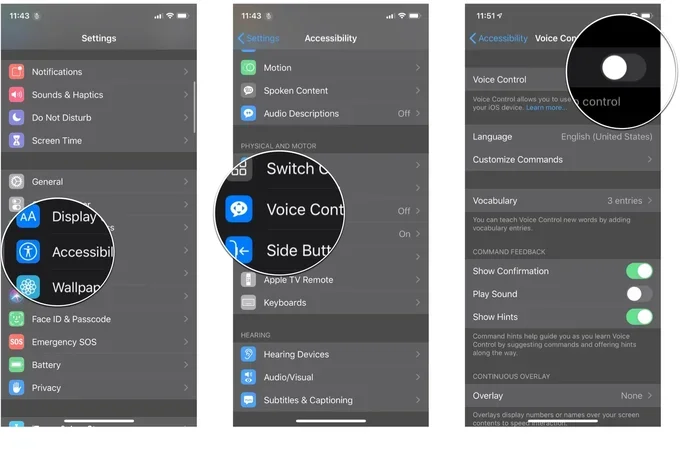
Disabling Anti-Theft On iPhone
Apple devices are known for their strong security. That means there are several layers to remove before you fully disable phone security features. Here is the complete process.
Step 1: Turn Off Find My iPhone
Go to Settings and tap your name at the top. Select iCloud, then Find My. Toggle off Find My iPhone. You will need your Apple ID password to confirm this change. This is the first and most important step.
Step 2: Disable Activation Lock
Activation Lock is tied directly to Find My iPhone. Once you turn off Find My, Activation Lock disables automatically. You can verify this by going to Settings, then signing out of your Apple ID. Make sure you have a backup before signing out.
Step 3: Remove Screen Lock
Go to Settings, then Face ID and Passcode (or Touch ID and Passcode). Enter your passcode and tap Turn Passcode Off. This removes the need for a PIN or biometric scan every time you unlock your phone.
Step 4: Disable Location Services
Go to Settings, then Privacy & Security, then Location Services. Toggle off Location Services entirely. This stops your iPhone from tracking its own location and sharing it with apps.
Step 5: Sign Out of iCloud
Return to Settings, tap your name, scroll down, and tap Sign Out. Enter your Apple ID password. This removes the deep link between your identity and the device.
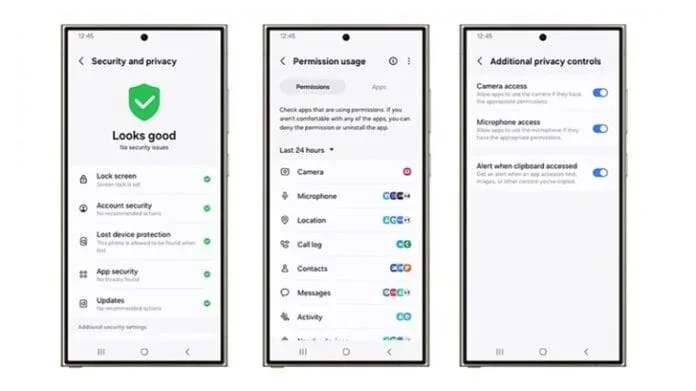
Disabling Anti-Theft On Android
Android phones vary by manufacturer, but the general process is similar across most devices. Samsung, Google Pixel, OnePlus, and others all follow a comparable pattern.
Step 1: Turn Off Find My Device
Go to Settings, then Security & Privacy, then Device Protection. Toggle off Find My Device. You may need to enter your PIN or password to confirm.
Step 2: Disable Factory Reset Protection (FRP)
FRP is automatically tied to your Google account. To disable it, you must remove your Google account from the device. Go to Settings, then Accounts, then Google. Tap Remove Account. Confirm the removal.
Step 3: Remove Screen Lock
Go to Settings, then Security, then Screen Lock. Select None or Swipe to remove the lock. You will be prompted to confirm this choice.
Step 4: Turn Off Google Protection
Some Android versions have a dedicated Google Protection feature. Go to Settings, then Google, then Security. Disable any protection features listed there.
Step 5: Disable SIM Lock
Go to Settings, then Security, then SIM Card Lock. Toggle off the SIM lock feature. You may need your SIM PIN to do this.
What Happens When You Disable Anti Theft
Once you have completed all the steps, your phone is much more open. But what does that actually mean for your daily use? Understanding the consequences is just as important as knowing the steps.
Your Phone Becomes Easier To Access
Without screen lock and device protection, anyone who picks up your phone can open it immediately. There is no PIN, no fingerprint, and no face scan required. This makes your phone convenient for quick access but risky if it ever leaves your hands.
You Lose Remote Tracking And Wipe Capabilities
Once anti-theft is off, you can no longer locate your phone remotely. If it gets lost, you cannot see its last known location. You also cannot trigger a remote wipe to erase your data. This is the biggest trade-off of disabling these features.
Your Data Is Less Protected
Device encryption often works hand-in-hand with anti-theft features. When you remove all protections, your data may become more accessible to others. Even with encryption, having no lock screen means someone can more easily reach your files.
You May See More Security Alerts
Interestingly, disabling anti-theft can trigger more security alerts from your operating system. Your phone may warn you that your device is unprotected. These notifications can be annoying if you are not expecting them.
Common Mistakes People Make When Disabling Anti Theft
Many people run into problems when they try to turn off anti-theft features. These mistakes can cause frustration, data loss, or even leave your phone in a worse state than before. Here are the most common ones to avoid.
Forgetting To Back Up Your Data
This is the number one mistake. Before you make any changes to your security settings, back up everything. Use iCloud, Google Drive, or a local backup. If something goes wrong during the process, you will be glad you did.
Skipping The Sign-Out Process
Some people turn off Find My or FRP but forget to sign out of their account. This leaves a residual link between your identity and the device. It can cause problems later, especially if you try to sell or give away the phone.
Disabling Features One At A Time Without A Plan
Anti-theft features are interconnected. Turning off one without addressing the others can create confusion. Follow a clear plan. Work through the steps in the order we have listed. This ensures nothing gets missed.
Not Knowing How To Re-Enable Protection
Some users disable anti-theft and then forget how to turn it back on. Write down the steps or take screenshots as you go. This makes re-enabling much faster if you change your mind later.
Ignoring Manufacturer-Specific Settings
Samsung has Smart Lock. Google Pixel has its own security suite. OnePlus has Knock Code. Each manufacturer adds its own layer of phone security. Make sure you check your specific brand settings before assuming you have turned everything off.
How To Re-Enable Anti Theft Protection Later
Maybe you disabled anti-theft for a specific reason. Perhaps you sold the phone and now want to use it again. Or maybe you realized the risks were too high. Whatever the reason, turning anti-theft features back on is straightforward.
On iPhone, simply go back to Settings, tap your name, then iCloud, and turn Find My iPhone back on. Set up your screen lock again and re-enable Location Services if needed.
On Android, return to Settings, then Security & Privacy, and turn Find My Device back on. Re-add your Google account, set up a screen lock, and enable any other protection features you previously turned off.
The process is quick and easy. You do not need to factory reset or do anything complicated. Just reverse the steps you took earlier.
Expert Tips For Keeping Your Phone Secure Without Full Anti-Theft
If you have decided to disable some or all anti-theft features, you still want to keep your phone as safe as possible. Here are some practical tips from security experts.
Use a Strong Passcode Even Without Biometrics
Even if you turn off biometric authentication, keep a strong passcode. A 6-digit PIN is much better than no lock at all. It adds a basic layer of phone security without the complexity of full anti-theft systems.
Install a Third-Party Security App
Many apps offer mobile security features like remote locking and tracking. Look for reputable apps with good reviews. These can partially replace the built-in protections you have removed.
Be Careful Where You Leave Your Phone
Without anti-theft, your phone is more exposed. Be mindful of where you leave it. Keep it in a safe place when you are in public. Do not leave it unattended in cars or cafes.
Enable Automatic Updates
Phone updates often include security patches. Keeping your device updated is one of the best ways to protect your data. Even without anti-theft, updates help close vulnerabilities that hackers could exploit.
Consider a VPN For Extra Privacy
A Virtual Private Network encrypts your internet connection. This adds a layer of privacy even if someone gains physical access to your phone. It is a simple step that makes a big difference.
When Should You NOT Disable Anti Theft
There are times when keeping anti-theft protection on is the smart choice. If you use your phone for banking or shopping, the built-in security features are essential. If you travel frequently and rely on phone tracking to find a lost device, do not turn it off.
Also, if you have sensitive work data on your phone, disabling anti-theft could violate your company’s security policy. Always check with your employer before making changes to device protection settings.
Finally, if your phone is brand new and you have not set up a backup yet, keep the protections in place until you are fully prepared. Device encryption and activation lock work best when your data is also safely backed up.
Conclusion
So there you have it. You now know exactly how do I completely disable anti theft on both iPhone and Android devices. The process involves several steps, but each one is simple and clear. From turning off Find My to removing your Google account, every piece of phone security can be managed from your settings menu.
Just remember that disabling anti-theft features comes with real risks. Your phone becomes easier to access, harder to track, and more vulnerable to data exposure. Make sure you understand these risks before you proceed. Always back up your data first, and consider alternative security measures if you decide to turn off the built-in protections.
Whether you are selling your phone, troubleshooting a problem, or just want more control over your device, this guide gives you everything you need. Take your time, follow the steps carefully, and you will have full control over your phone’s security settings in no time.
Frequently Asked Questions
Can I disable anti-theft on my phone without losing my data?
Yes, you can disable anti-theft features without losing your data. The key is to back up your phone first using iCloud, Google Drive, or a local backup. Once backed up, you can safely turn off features like Find My, screen lock, and activation lock without affecting your photos, contacts, or apps.
Will disabling anti-theft void my phone warranty?
No, disabling anti-theft features does not void your phone warranty. These are standard settings built into your operating system. You can turn them on and off as needed without any impact on your manufacturer’s warranty coverage. However, if your phone is stolen after you disable protection, the manufacturer is not responsible for the loss.
How long does it take to completely disable anti theft on a phone?
The entire process usually takes about 10 to 15 minutes. This includes turning off Find My, removing your screen lock, signing out of your account, and disabling location services. The exact time depends on your phone model and how many security features are currently active.
Can someone else re-enable anti-theft on my phone after I disable it?
No, only someone with access to your phone and your account credentials can re-enable anti-theft features. If you have disabled Find My and signed out of your account, another person cannot turn those features back on without your Apple ID or Google account password. This is by design to protect your security.
Is it safe to disable anti-theft when selling my phone?
It is generally safe, but you must follow the proper steps. First, back up your data. Then disable Find My, remove your accounts, and sign out of iCloud or Google. After that, perform a factory reset. This ensures the new owner can set up the phone without any security blocks tied to your account.
What is the difference between anti-theft and screen lock?
Screen lock is just one part of your overall anti-theft system. It prevents someone from accessing your phone without a PIN or biometric scan. Anti-theft is a broader term that includes screen lock, remote tracking, activation lock, and remote wipe. Disabling screen lock alone does not turn off all anti-theft features.
=== SEO TITLE ===
How Do I Completely Disable Anti Theft On My Phone
=== META TITLE ===
How Do I Completely Disable Anti Theft On My Phone
=== URL SLUG ===
how-do-i-completely-disable-anti-theft-on-my-phone