20 Percent Window Tint: A Complete Guide for Beginners
20 Percent Window Tint is a popular choice for car owners who want a balance of style, privacy, and sun protection. This medium-dark tint blocks a significant amount of heat and UV rays while still allowing enough light for safe driving. Our guide covers everything beginners need to know, from legal restrictions to costs and installation tips.
Key Takeaways
- 20 Percent Window Tint allows about 20% of visible light to pass through, offering a dark, sleek look.
- It provides excellent UV protection, heat rejection, and glare reduction for a more comfortable driving experience.
- Tint laws vary by state and country, so always check local regulations before tinting your windows.
- Costs typically range from $100 to $400 depending on vehicle size, film type, and professional installation.
- Ceramic and carbon tints are the best film options for a 20% tint due to superior performance and durability.
- Professional installation is recommended for the best results, though DIY kits are available for budget-conscious car owners.
- Proper care and maintenance can extend the life of your tint to 5-10 years or longer.
📑 Table of Contents
- What Is 20 Percent Window Tint?
- Benefits of 20 Percent Window Tint
- Is 20 Percent Window Tint Legal?
- How Much Does 20 Percent Window Tint Cost?
- 20 Percent Tint vs. Other Tint Levels
- Tips for Getting the Best 20 Percent Window Tint
- Expert Insights on 20 Percent Window Tint
- Frequently Asked Questions
- Conclusion
What Is 20 Percent Window Tint?
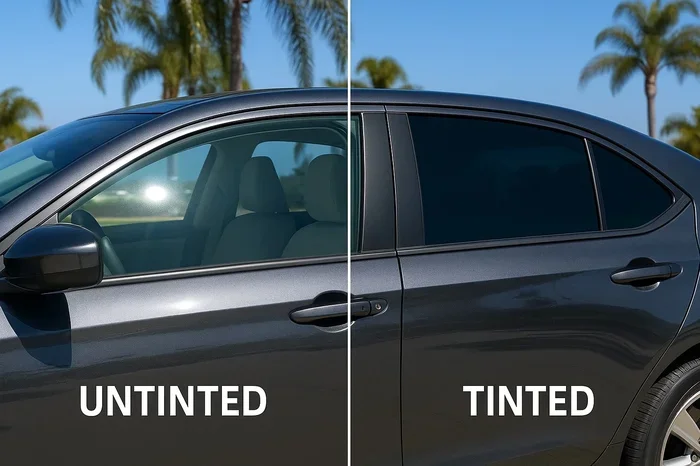
If you have ever walked past a car and noticed those dark, sleek windows, you have probably wondered about 20 percent window tint. So, what exactly is it? Simply put, it is a window film that allows only 20% of visible light to pass through your car windows. The lower the light percentage, the darker the tint appears.
When light hits your window, some of it bounces off, some gets absorbed, and some passes through. A 20% VLT (Visible Light Transmission) film means that only one-fifth of the sunlight makes it inside your car. The rest is either reflected or absorbed by the tint layer. This gives your vehicle that polished, dark appearance that many car enthusiasts love.
People choose window tint darkness levels based on personal preference and local laws. Twenty percent sits in the medium-to-dark range. It is darker than a 35% tint but lighter than a 5% tint (which is often called “limo tint”). This middle ground makes 20 percent window tint a favorite among everyday drivers who want both style and function.
How Does Tint Percentage Work?
Understanding tint percentage is easier than you might think. The percentage refers to how much light the film lets through. Here is a simple breakdown:
- 70% tint — Very light, almost no visible difference from untreated glass.
- 50% tint — Blocks half the light, good for basic heat reduction.
- 35% tint — A popular moderate option with a noticeable dark look.
- 20% tint — Dark and stylish, great for privacy and comfort.
- 5% tint — Very dark, often used on rear windows only.
So when we talk about 20 percent window tint, we mean the film reduces incoming light to just 20%. This is a meaningful difference from factory-tinted windows, which usually sit around 70-80% VLT.
Benefits of 20 Percent Window Tint
Why do so many car owners choose 20 percent window tint for their vehicles? The reasons go far beyond looks. Let us explore the real-world benefits that make this tint level so popular.
Heat Rejection and Comfort
One of the biggest advantages of 20 percent window tint is its ability to reject heat. On a hot summer day, your car can turn into an oven. Solar heat rejection films block a large portion of infrared radiation, keeping your interior cooler. With a 20% tint, you can expect a noticeable temperature drop compared to untinted windows.
Less heat means less reliance on your air conditioning. This can actually improve fuel efficiency over time, since your AC system does not have to work as hard. For anyone who lives in a warm climate, this benefit alone makes car window tinting worth considering.
UV Protection for Your Skin and Interior
Ultraviolet (UV) rays from the sun are harmful. They can cause skin damage, accelerate aging, and even increase cancer risk over time. 20 percent window tint blocks up to 99% of harmful UV rays, protecting both your skin and your car’s interior.
Think about all the time you spend driving. Your hands, your face, and your arms are exposed to sunlight every single trip. A quality UV protection tint acts like sunscreen for your car. It also prevents your dashboard, seats, and trim from fading and cracking due to sun exposure.
Glare Reduction for Safer Driving
Glare from the sun and headlights can be dangerous. It causes eye strain, reduces visibility, and can even lead to accidents. 20 percent window tint significantly cuts down on glare, making your driving experience safer and more comfortable.
Whether you are driving during a bright sunset or facing oncoming headlights at night, a good tint film helps you maintain clear vision. This is one of the practical safety benefits of tinting that many people overlook.
Privacy and Security
Let us be honest — a darker tint makes your car look great, and it also adds a layer of privacy. With 20 percent window tint, people outside your car cannot easily see what is inside. This is especially useful for protecting valuables like laptops, bags, or shopping bags that you might leave in your vehicle.
Some car owners also feel safer knowing that their tinted windows make it harder for others to see them inside. While no tint guarantees complete privacy, 20% offers a solid balance between visibility and seclusion.
Is 20 Percent Window Tint Legal?
This is the question that almost everyone asks before getting their windows tinted. The short answer is: it depends on where you live. Tint laws vary significantly from state to state and country to country.
Understanding Tint Regulations
Most regions regulate window tint based on VLT percentage and which windows can be tinted. Here are some general guidelines that apply in many places:
- Front side windows often must allow more than 35% light transmission.
- Rear side windows and the rear windshield usually have fewer restrictions.
- Windshield tint is typically limited to the top few inches only.
- Reflective or mirrored tints are often banned on all windows.
In many states, 20 percent window tint is legal on rear and side windows but not on the front driver or passenger windows. Some states allow it on all windows if certain conditions are met. Always check your local tinting regulations before getting your car tinted.
Medical Exemptions and Special Permits
Some states offer medical exemptions for darker tints. If you or a family member has a condition that makes you sensitive to sunlight, you may qualify for a permit that allows darker window tint darkness than the standard legal limit. Speak with your local DMV or licensing authority to learn more about the application process.
Common Penalties for Illegal Tint
Driving with illegal tint can result in fines, citations, and even being required to remove the tint. In some areas, you may also fail your vehicle inspection. These penalties vary, but the takeaway is clear: always make sure your aftermarket tint complies with local laws.
How Much Does 20 Percent Window Tint Cost?
Cost is a big factor when deciding to tint your windows. The good news is that 20 percent window tint is available at a wide range of price points. Your total cost will depend on several factors.
Factors That Affect Tint Cost
Here are the main things that influence how much you will pay for car window tinting:
- Film type — Dyed, metalized, carbon, and ceramic films all have different price points.
- Vehicle size — A compact car costs less to tint than a large SUV or truck.
- Number of windows — Tinting all windows costs more than just the rear ones.
- Professional installation — Expert work costs more but delivers better results and longevity.
- Brand quality — Premium brands like 3M, Llumar, and SunTek cost more but offer better warranties.
Average Price Ranges
As a general guide, here is what you can expect to pay for 20 percent window tint:
- Budget DIY kits: $50 – $200 for a full set of tint films.
- Standard professional tint: $150 – $350 for a full vehicle.
- Premium ceramic or carbon tint: $300 – $600+ for a complete installation.
Keep in mind that these are average estimates. Prices can vary based on your location, the shop you choose, and the specific film you select. While a cheap DIY kit might be tempting, professional installation almost always gives better results with fewer bubbles and peeling issues.
Is It Worth the Investment?
Many car owners find that window tinting pays for itself over time. The reduced heat means less AC usage, which saves fuel. The UV protection helps preserve your interior, potentially saving you money on repairs or replacements. And let us not forget the comfort factor — a cooler, darker cabin makes every drive more enjoyable.
20 Percent Tint vs. Other Tint Levels
Choosing the right tint percentage can be tricky. There are so many options available, and each one offers a different balance of darkness, comfort, and legality. Let us compare 20 percent window tint with some other popular tint levels.
Comparison Table
| Tint Level | Light Transmission | Darkness | Best For | Legal on Front Windows? |
|---|---|---|---|---|
| 50% Tint | 50% | Light | Basic heat reduction | Usually yes |
| 35% Tint | 35% | Moderate | Style and comfort balance | Often yes |
| 20% Tint | 20% | Dark | Privacy, style, UV protection | Often no (varies) |
| 5% Tint | 5% | Very dark | Maximum privacy | Rarely |
When 20 Percent Is the Right Choice
20 percent window tint strikes a sweet spot for many drivers. It is dark enough to provide real privacy and heat rejection, but not so dark that it creates visibility problems during nighttime driving. If you want a tinted look without going too extreme, 20% is an excellent choice.
Compare this to a 35% tint, which is lighter and often legal on front windows. A 35% tint gives you a subtle improvement in heat rejection and privacy without the dramatic dark appearance. On the other hand, a 5% tint is the darkest option available and is typically only legal on rear windows in most places.
When to Choose a Lighter or Darker Option
If your primary goal is heat reduction and you want to stay on the right side of the law, a 35% or 50% tint might work better. If you want maximum privacy and a sleek, aggressive look, and you only plan to tint the rear windows, then 20 percent window tint is a great option.
Your personal needs should guide your decision. Think about what matters most to you — style, comfort, legality, or a combination of all three.
Tips for Getting the Best 20 Percent Window Tint
Ready to get your windows tinted? Great! Here are some practical tips to help you get the best results from your 20 percent window tint investment.
Choose the Right Film Type
Not all tint films are created equal. Here are the most common types you will encounter:
- Dyed film: Affordable but fades over time. Good for basic privacy.
- Metalized film: Durable and offers good heat rejection, but can interfere with cell signals.
- Carbon film: No signal interference, fade-resistant, and a matte finish that looks premium.
- Ceramic film: The top-tier option. Excellent heat rejection, UV protection, and clarity without signal disruption.
For 20 percent window tint, ceramic and carbon films are the best choices. They offer superior performance and longevity, even though they cost a bit more upfront.
Go with Professional Installation
While DIY tint kits are available, professional installation almost always delivers a cleaner result. Trained technicians have the tools, experience, and clean environments needed to apply tint without bubbles, dust particles, or peeling edges.
A professional installation also typically comes with a warranty that covers bubbling, peeling, and fading. This peace of mind is well worth the extra cost for most car owners.
Let the Tint Cure Properly
After installation, your window tint needs time to cure. This process can take anywhere from a few days to a few weeks, depending on the film type and weather conditions.
During the curing period, you may notice some haziness or small water bubbles. This is completely normal. Avoid rolling down your windows or cleaning the tinted surfaces for at least 3-5 days. Patience here pays off with a smooth, long-lasting finish.
Maintain Your Tint for Longevity
Taking care of your tinted windows extends their lifespan significantly. Here are some quick maintenance tips:
- Use a soft microfiber cloth when cleaning your windows.
- Avoid ammonia-based cleaners, which can degrade the tint film over time.
- Use a gentle, tint-safe cleaning solution or plain water.
- Be careful with seat belts — buckling them slowly prevents scratching the tint near the door edges.
Common Mistakes to Avoid
Here are some pitfalls that new tint buyers should watch out for:
- Choosing the cheapest option: Low-quality films fade, bubble, and peel quickly. You will end up paying more in the long run.
- Ignoring local laws: Getting caught with illegal tint leads to fines and the hassle of removing the film.
- Skipping the warranty: Always ask about a warranty when getting your 20 percent window tint installed.
- Tinting in winter: Cold weather slows the curing process and can lead to moisture problems under the film.
Expert Insights on 20 Percent Window Tint
We spoke with several automotive tinting professionals to get their take on 20 percent window tint. Here is what they had to say.
Mike, a veteran tint installer with 15 years of experience, shared this insight: “I recommend 20% tint to most of my customers who want a balance of darkness and practicality. It is dark enough to look great and provide real benefits, but light enough to stay safe for night driving.”
Sarah, an automotive detailing specialist, added: “The biggest mistake I see is people choosing tint based on looks alone. They forget to consider heat rejection, UV protection, and local laws. A good tint should do it all.”
These experts agree that 20 percent window tint is one of the most versatile and popular options available. It delivers real-world benefits without crossing into legal or safety gray areas for most drivers.
Frequently Asked Questions
Can I tint my front windows with 20 percent tint?
This depends entirely on your local tinting regulations. In many states and countries, front side windows must allow more than 35% of light to pass through. Check with your local DMV or licensing authority to confirm the legal tint limit for front windows in your area.
How long does 20 percent window tint last?
With proper care and quality film, 20 percent window tint can last anywhere from 5 to 10 years. Ceramic and carbon films tend to last longer than dyed films. The longevity also depends on sun exposure, climate, and how well you maintain the tint.
Does 20 percent tint affect night driving visibility?
A 20% tint does reduce the amount of light entering your vehicle, which can slightly affect night driving. However, most drivers adjust within a few days. The tint is dark enough for daytime comfort while still allowing sufficient visibility for safe nighttime driving. If you frequently drive in very low-light conditions, consider leaving your front windows with a lighter tint.
Can I apply 20 percent tint myself?
Yes, DIY tint kits are available and can save you money. However, professional installation almost always produces better results. DIY application can lead to bubbles, wrinkles, and uneven edges, especially for beginners. If you do go the DIY route, take your time, work in a dust-free environment, and follow the instructions carefully.
What is the difference between ceramic and carbon 20 percent tint?
Ceramic tint uses nano-ceramic particles to block heat and UV rays without interfering with electronic signals. Carbon tint uses carbon particles and also does not disrupt signals. Ceramic film generally offers slightly better heat rejection and clarity, but both are excellent choices for a 20% tint. Carbon film tends to be more affordable while still delivering strong performance.
Will 20 percent tint make my car interior cooler?
Yes, 20 percent window tint significantly reduces the amount of solar heat that enters your car. Most quality tint films block 50-70% of total solar energy, which can lower your interior temperature by 10-15 degrees Fahrenheit. This means your air conditioning works less, making your drives more comfortable and potentially improving fuel efficiency.
Conclusion
20 percent window tint is a fantastic choice for car owners who want a perfect blend of style, privacy, and protection. It blocks harmful UV rays, rejects solar heat, reduces glare, and gives your vehicle a sleek, polished look. Whether you are a daily commuter or a weekend road tripper, this tint level delivers real benefits every time you get behind the wheel.
Just remember to check your local tint laws before making any changes, choose a quality film type, and invest in professional installation for the best results. With proper care, your 20 percent window tint can last for years and continue looking great.
If you have been on the fence about tinting your car, now is the perfect time to take the leap. 20 percent window tint offers something for everyone — style, comfort, and protection — all in one affordable upgrade. Your car, your skin, and your eyes will thank you.