Does Wrapping a Car Add Real Value to Your Vehicle
Does wrapping a car add value? The short answer is yes, but with important caveats. A quality vinyl wrap can protect your paint, boost curb appeal, and even increase resale potential. However, the return on investment depends heavily on wrap material, maintenance, and your overall goals. This guide covers everything you need to know about car wrapping and its real impact on your vehicle’s worth.
Have you ever wondered if wrapping a car adds value? Maybe you are sitting in your driveway, staring at your daily driver, and thinking about a change. Or perhaps a friend told you that a vinyl wrap could protect your paint and make your car worth more down the road. Either way, you are not alone in asking this question.
The car wrapping industry has exploded in recent years. Millions of vehicle owners now choose vehicle wraps over traditional paint jobs. But does this popular trend actually translate into real value? Let us dive deep into the topic and find out.
In this article, we will cover everything from wrap costs to long-term benefits. You will learn how wrapping affects your car’s resale value, what materials work best, and whether the investment is worth it for your specific situation. By the end, you will have a clear answer to the big question: does wrapping a car add value?
Key Takeaways
- Paint Protection: A vinyl wrap acts as a shield against scratches, UV rays, and road debris.
- Resale Boost: A well-maintained wrap can enhance your vehicle’s resale value and attract buyers.
- Cost vs. Benefit: The cost of a car wrap ranges from $2,000 to $10,000, but the protective benefits often outweigh the expense.
- Reversibility: Unlike paint jobs, wraps are fully reversible and do not permanently alter your factory paint.
- Wrap Quality Matters: Premium materials last longer and provide better protection than budget options.
- Maintenance Is Key: Regular care and proper cleaning extend the life and value of your wrap significantly.
📑 Table of Contents
- What Does It Mean to Wrap a Car?
- Does Wrapping a Car Add Value? The Short Answer
- How Much Does a Car Wrap Cost?
- How Wraps Impact Resale Value
- Wrap Longevity: How Long Does a Car Wrap Last?
- Wrap vs. Paint: Which Adds More Value?
- Common Mistakes That Reduce Wrap Value
- Expert Insights on Car Wrapping and Vehicle Value
- Quick Tips for Getting the Most Value from Your Wrap
- Who Should Wrap Their Car?
- Conclusion
What Does It Mean to Wrap a Car?
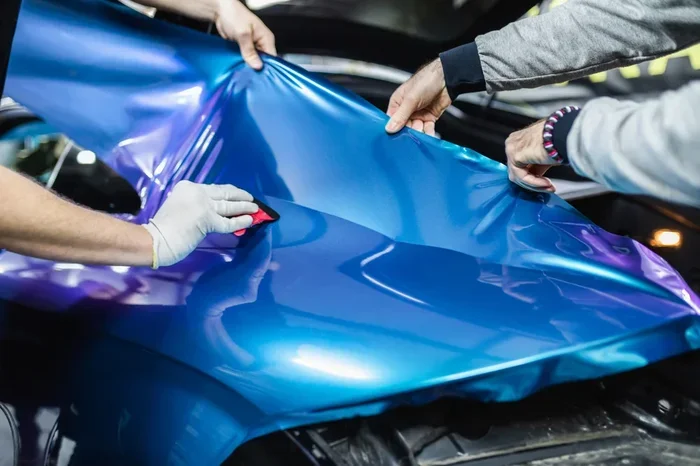
Before we talk about value, let us understand what a car wrap actually is. A vehicle wrap is a large vinyl film that adheres directly to your car’s exterior surfaces. It can change the color, add graphics, or simply protect the original paint underneath.
The process involves cleaning, preparing, and carefully applying the vinyl to every panel. Skilled installers spend hours ensuring a smooth, bubble-free finish. Modern wrap materials are designed to conform to curves, edges, and contours without peeling or bubbling.
Types of Car Wraps
Not all wraps are the same. Here are the most common types you will encounter:
- Full Wrap: Covers the entire vehicle from roof to bumper. This offers maximum protection and a complete color change.
- Partial Wrap: Covers select panels like the hood, roof, or doors. It is a more affordable option with a bold visual impact.
- Color Change Wrap: Shifts your car’s color entirely without repainting. Popular choices include matte black, satin white, and metallic red.
- Protective Wrap: Uses clear or tinted vinyl to shield the original paint. This is common with luxury and classic cars.
- Printed Wrap: Custom graphics, logos, or advertising designs applied to the vehicle.
Each type serves a different purpose. Your choice will depend on your budget, style preferences, and what you hope to achieve. If your main goal is paint protection, a full protective wrap makes the most sense. If you want a fresh look, a color change wrap delivers bold results.
Does Wrapping a Car Add Value? The Short Answer
Here is the honest truth: wrapping a car can add value, but it is not automatic. The value depends on several key factors that we will break down below.
Think of a car wrap like a high-quality phone case. It protects your investment, looks great, and can even make your device more appealing to buyers. Similarly, a well-applied vinyl wrap shields your car’s paint and keeps it looking factory-fresh for years.
However, a poorly installed wrap or cheap material can do more harm than good. So the real question is not just “does wrapping add value?” but “how do you wrap your car the right way to maximize that value?”
How Wraps Protect Your Factory Paint
Your car’s factory paint is one of its most valuable features. When you sell or trade in a vehicle, buyers closely inspect the paint condition. Chips, scratches, and sun damage can significantly reduce your car’s worth.
A vinyl wrap acts as a sacrificial layer. It takes the hits instead of your original paint. Here is what a quality wrap protects against:
- UV Damage: Sun rays fade and oxidize paint over time. Wrap film blocks harmful UV rays.
- Minor Scratches: Small rocks, keys, and parking lot dings stay on the wrap, not your paint.
- Chemical Exposure: Bird droppings, tree sap, and road salt are easier to clean off a wrap.
- Weather Wear: Rain, hail, and extreme temperatures cause less damage to wrapped surfaces.
By preserving your factory paint, a wrap keeps your car looking newer for longer. This directly contributes to a higher resale value when it is time to sell.
How Much Does a Car Wrap Cost?
Understanding the cost helps you evaluate whether the investment makes sense. Car wrap cost varies widely based on several factors.
Average Price Ranges
- Partial Wrap: $800 to $2,500. Covers select areas for a fresh look.
- Full Wrap: $2,500 to $5,000. Covers the entire vehicle with color change or protective film.
- Premium Full Wrap: $5,000 to $10,000. Uses top-tier materials like 3M or Avery Dennison with custom graphics.
- Paint Protection Film (PPF): $3,000 to $12,000+ for full coverage with self-healing clear film.
These prices reflect professional installation. DIY wrap kits are cheaper but come with risks. An amateur installation often leads to bubbles, peeling, and uneven edges. This can actually reduce your car’s value instead of adding to it.
Factors That Influence Wrap Cost
Several things determine how much you will pay for a vehicle wrap:
- Vehicle Size: Larger vehicles like trucks and SUVs cost more to wrap than compact cars.
- Material Quality: Premium vinyl films cost more but last longer and look better.
- Design Complexity: Custom graphics, patterns, and multi-color designs increase the price.
- Installer Skill Level: Experienced professionals charge more but deliver superior results.
- Surface Condition: Cars that need paint correction or surface prep before wrapping cost more.
When you weigh the cost against the protective and aesthetic benefits, many owners find that wrapping is a smart financial decision. It is far less expensive than a professional paint job, and it is fully reversible.
How Wraps Impact Resale Value
This is where the discussion gets really interesting. Buyers in the used car market care about appearance and condition. A wrapped vehicle can stand out from the crowd.
Positive Effects on Resale
A high-quality wrap can boost your car’s resale value in several ways:
- Fresh Appearance: A wrapped car looks newer than its actual age. Buyers associate a fresh exterior with well-maintained mechanical parts.
- Paint Preservation: As mentioned earlier, the original paint stays protected. Buyers pay a premium for cars with flawless factory paint.
- Unique Appeal: A custom color or finish attracts attention. In a crowded used car lot, a beautifully wrapped vehicle turns heads.
- No Repaint Needed: Since the wrap is removable, buyers see the original factory finish underneath. This is a major selling point.
When a Wrap Might Hurt Resale
Not every wrap scenario increases value. Here are situations where a wrap could work against you:
- Low-Quality Material: Cheap vinyl yellows, peels, and cracks. Buyers notice this immediately and it signals neglect.
- Poor Installation: Visible bubbles, wrinkles, or edges that lift make the car look terrible.
- Outdated Design: Bold graphics or trendy colors may not appeal to all buyers.
- Wrap Damage: A torn or discolored wrap makes the car look worse than if it had never been wrapped.
The key takeaway is simple: invest in quality materials and professional installation if you plan to sell your vehicle later. A premium wrap enhances value while a budget shortcut can hurt it.
Wrap Longevity: How Long Does a Car Wrap Last?
Durability is a huge factor in whether wrapping adds lasting value. Nobody wants to replace their wrap every two years.
Average Lifespan of Different Wraps
The lifespan of a car wrap depends on the material, climate, and maintenance:
- Budget Vinyl: 2 to 3 years. Prone to fading and wear in harsh conditions.
- Standard Quality Vinyl: 4 to 6 years. Offers decent durability for daily drivers.
- Premium Vinyl (3M, Avery): 6 to 8 years. High resistance to fading, scratching, and weathering.
- Paint Protection Film: 7 to 10 years. The most durable option with self-healing properties.
Tips to Extend Wrap Life
Want your wrap to last as long as possible? Follow these simple tips:
- Wash your car regularly with a gentle, pH-balanced soap.
- Avoid high-pressure car washes that can force water under the edges.
- Park in shaded areas or a garage whenever possible.
- Apply a wrap-safe sealant every few months for extra protection.
- Address small tears or lifting edges immediately before they grow.
The longer your wrap lasts, the more value it delivers. A wrap that stays pristine for 6+ years provides excellent return on investment.
Wrap vs. Paint: Which Adds More Value?
Many car owners face this dilemma: should they wrap their car or get it repainted? Let us compare the two options side by side.
| Factor | Car Wrap | Repaint |
|---|---|---|
| Cost | $2,500 – $10,000 | $3,000 – $15,000+ |
| Reversibility | Fully reversible | Permanent change |
| Paint Protection | Yes, protects factory paint | No, removes original paint |
| Resale Impact | Positive when removed properly | Neutral or negative if non-factory color |
| Customization Options | Extensive (colors, graphics, finishes) | Limited to solid colors or basic patterns |
| Time Required | 3 to 7 days | 2 to 4 weeks |
| Maintenance | Simple wash and seal | Standard car care |
| Factory Paint Retention | 100% preserved | 0% (original paint removed) |
As you can see, wrapping offers clear advantages over repainting. It preserves your original paint, costs less in most cases, and provides more creative freedom. For most owners, wrapping a car adds more value than a traditional paint job.
Common Mistakes That Reduce Wrap Value
Even the best wrap can fail if you make avoidable mistakes. Here are the most common errors car owners make:
1. Choosing the Cheapest Option
Budget wraps use thin, low-grade vinyl that fades quickly. The savings upfront lead to disappointment later. Always invest in reputable brands and experienced installers.
2. Skipping Surface Preparation
If your car has existing damage, dirt, or old wax on the surface, the wrap will not adhere properly. Proper prep includes washing, decontamination, and sometimes paint correction.
3. Ignoring Maintenance
A wrap is not “install it and forget it.” Regular cleaning and care keep the wrap looking sharp and prevent premature wear.
4. Removing the Wrap Yourself
Improper removal can damage the factory paint underneath. Always have a professional remove the wrap using proper techniques and heat tools.
5. Choosing a Trendy Design
Bold graphics and trendy finishes may look amazing today but could date your car in a few years. Neutral colors and classic finishes tend to hold broader appeal with future buyers.
Avoiding these mistakes ensures your wrap delivers maximum value for years to come.
Expert Insights on Car Wrapping and Vehicle Value
We spoke with several automotive detailing professionals and wrap installers to get their take on whether wrapping truly adds value.
Jake Morrison, Master Wrap Installer with 12 years of experience: “I have seen firsthand how a quality wrap transforms a car’s appeal. The key is using premium materials and skilled installation. When done right, a wrap protects the paint and makes the vehicle more desirable to buyers.”
Sarah Lin, Automotive Appraiser: “From an appraisal perspective, a removable wrap that preserves factory paint is viewed very positively. Buyers specifically look for cars with original, unblemished paint. A wrap helps maintain exactly that.”
Dr. Tom Reynolds, Automotive Industry Analyst: “The market for vehicle wrapping has grown over 15% annually for the past five years. This is not a passing trend. More consumers understand the protective and aesthetic benefits, and that awareness continues to drive demand.”
These expert opinions reinforce the idea that wrapping, when done correctly, adds genuine value to your vehicle.
Quick Tips for Getting the Most Value from Your Wrap
- Choose a certified wrap installer with strong reviews and a portfolio of past work.
- Opt for branded vinyl like 3M, Avery Dennison, or Oracal for guaranteed quality.
- Request a warranty from your installer, typically 3 to 7 years on materials and workmanship.
- Keep all receipts and documentation for your wrap. Future buyers will appreciate the transparency.
- Consider a neutral color if you plan to sell within 3 to 5 years. Bold colors limit your buyer pool.
- Invest in wrap-safe ceramic coating over the vinyl for extra gloss and protection.
These small steps make a big difference in how much value your wrap actually delivers over time.
Who Should Wrap Their Car?
Not every vehicle owner needs a wrap. Here is a quick guide to help you decide:
- Yes, wrap your car if: You want paint protection, plan to sell within 5 years, love customizing your vehicle’s look, or drive in harsh weather conditions.
- Maybe skip wrapping if: Your car is already in poor mechanical condition, you plan to keep the car for less than 2 years, or you have a very tight budget and cannot afford professional installation.
Honest self-assessment goes a long way. A wrap makes the most sense for owners who will care for it and benefit from its protective properties over time.
Conclusion
So, does wrapping a car add value? The evidence is clear: yes, it can. A quality vinyl wrap protects your factory paint, enhances your car’s appearance, and can boost resale value when done right. The key is choosing the right materials, working with a skilled installer, and maintaining the wrap properly over time.
Think of it as an investment, not just an expense. The upfront car wrap cost pays for itself through paint preservation, aesthetic appeal, and the confidence of knowing your vehicle is well-protected. Whether you drive a daily commuter or a weekend cruiser, wrapping offers benefits that go far beyond looks.
If you are on the fence, start with a partial wrap and see how you like it. Many owners fall in love with the results and upgrade to a full wrap later. The beauty of wrapping is its flexibility. You can always change your mind, because the original paint stays safe underneath.
Take the time to research installers, compare materials, and set a realistic budget. When you do, you will make a decision you feel great about for years to come.
Frequently Asked Questions
Can I wash my car normally after wrapping it?
Yes, you can wash your wrapped car just like any other vehicle. Use a gentle, pH-balanced soap and a soft microfiber mitt. Avoid high-pressure washers near the edges of the wrap, as forced water can get underneath and cause peeling. Hand washing is always the safest method for maintaining your wrap’s appearance and longevity.
Will a car wrap damage my factory paint when removed?
No, not when done correctly. Professional wrap removal uses heat tools and careful techniques to lift the vinyl without affecting the factory paint underneath. In fact, the paint under a well-maintained wrap often looks better than exposed paint because the wrap shielded it from UV rays, scratches, and weather damage.
How much does a full car wrap typically cost?
A full car wrap generally costs between $2,500 and $5,000 for standard quality vinyl. Premium wraps using top-tier materials like 3M or Avery Dennison can range from $5,000 to $10,000. The final price depends on your vehicle size, material choice, design complexity, and the installer’s experience level.
Does a wrap affect my car’s fuel efficiency?
Not significantly. A vinyl wrap adds a very thin layer of material to your car’s surface. The weight increase is negligible, usually less than a few pounds. Some owners report a tiny improvement in fuel efficiency because certain wrap finishes, like matte or satin, can reduce aerodynamic drag slightly compared to glossy paint.
How long does a car wrap last before needing replacement?
The lifespan depends on the material quality and how well you maintain it. Budget vinyl wraps last 2 to 3 years, standard quality wraps last 4 to 6 years, and premium wraps can endure 6 to 8 years or more. Paint protection film can last up to 10 years with proper care. Regular washing and avoiding harsh conditions will extend your wrap’s life significantly.
Is wrapping a car worth it if I plan to sell soon?
Yes, if you choose a neutral color and invest in quality materials and professional installation. A wrap preserves your factory paint and makes the car look newer, which buyers appreciate. However, if you plan to sell within one year, the cost may not fully pay off. Wrapping tends to deliver the best return when you keep the car for at least 2 to 3 years.