Do Kia Cars Have Tracking Devices Here Is The Truth
Do Kia cars have tracking devices? Yes, many modern Kia vehicles come equipped with GPS tracking technology built into their infotainment and telematics systems. The Kia Connect and Kia UVO platforms allow the manufacturer and, in some cases, dealerships to monitor vehicle location, driving habits, and service needs. However, tracking features vary by model year, trim level, and region, and Kia owners have options to manage or disable certain tracking settings.
Do Kia cars have tracking devices? It is a question more owners are asking every day. With smart cars becoming the norm, the idea that your vehicle knows where you are can feel unsettling. But the reality is more nuanced than you might think. Kia vehicles use built-in GPS and telematics systems that serve real purposes, from helping you find your car to recovering stolen vehicles. Let us walk through everything you need to know about Kia vehicle tracking in plain, simple terms.
Tracking technology in cars has come a long way. What started as basic navigation has evolved into full GPS-enabled vehicle monitoring. Kia is no exception. Their Kia Connect and Kia UVO platforms bring a suite of connected services to the dashboard. But what does that mean for you as an owner? And more importantly, what does it mean for your privacy?
This article breaks it all down. You will learn exactly how Kia tracking works, which models have it, what data is collected, and what you can do about it. Whether you already own a Kia or are thinking about buying one, this guide has you covered.
Key Takeaways
- Kia vehicles use built-in GPS tracking through their UVO and Kia Connect telematics platforms for navigation, stolen vehicle recovery, and concierge services.
- Not all Kia models have active tracking at all times. Some features are user-activated, while others operate in the background.
- Kia Stolen Vehicle Recovery is a free service that uses GPS data to help locate and recover stolen vehicles.
- Owners can manage tracking preferences through the UVO app or by visiting a Kia dealership to adjust settings.
- Privacy is a real concern, and Kia provides clear disclosures about what data is collected and how it is used.
- Older Kia models and base trims may not include GPS tracking features at all, depending on the equipment level.
- Third-party tracking devices can also be installed independently if you want extra security or fleet management capabilities.
📑 Table of Contents
- Do Kia Cars Have Tracking Devices? The Short Answer
- How Kia Tracking Technology Works
- Kia Stolen Vehicle Recovery and Safety Features
- Can You Disable Kia Tracking? Your Options
- What Kia Owners Should Know About Privacy
- Kia Tracking by Model: A Quick Comparison
- How Kia Tracking Compares to Other Brands
- Final Thoughts on Kia Car Tracking
Do Kia Cars Have Tracking Devices? The Short Answer
The short answer is yes. Most Kia cars sold in recent years come with some form of GPS tracking capability. But “tracking” means different things depending on the context. It could mean the car uses satellites to give you directions. It could mean Kia can locate your vehicle remotely if it gets stolen. Or it could mean your driving data is being collected for service purposes.
Not every Kia model tracks the same way. A base 2018 Rio might have very different tracking features compared to a 2024 Sorento Hybrid. The trim level, the model year, and the region where the car was sold all play a role in what tracking features are available.
What Kind of Tracking Do Kia Vehicles Use?
Kia uses a combination of technologies to track and connect with vehicles:
- Built-in GPS modules inside the infotainment system for navigation and location services.
- Cellular connectivity that sends vehicle data back to Kia servers for remote services.
- Telematics control units that act as the brain behind connected features like remote start and lock/unlock.
- Stolen Vehicle Recovery (SVR) systems that allow Kia to ping the vehicle’s location if reported stolen.
These systems work together to create a connected experience. But they also mean your Kia is, in some sense, always “talking” to the network. The question is whether that is a good thing or something to worry about.
How Kia Tracking Technology Works
Understanding how Kia GPS tracking works helps you feel more in control. The technology is not as mysterious as it might sound. Let us break it down into simple pieces.
The Role of GPS Satellites
Every Kia vehicle with tracking has a small GPS receiver inside. This receiver picks up signals from satellites orbiting the Earth. These signals tell the car exactly where it is, just like your phone’s maps app. The car does not need a Wi-Fi connection to know its location. The GPS signal works independently through space.
However, knowing the location is only half the story. For Kia to actually use that location data, the car needs a way to send it somewhere. That is where cellular connectivity comes in.
Cellular Connectivity and Data Transmission
Most modern Kia vehicles have a built-in SIM card or eSIM that connects to cellular networks. This allows the car to send location data, vehicle health reports, and usage statistics back to Kia servers. Think of it like your phone sending data to an app. The car uses a data plan (often included for a few years with the purchase) to stay connected.
Here is what gets transmitted in typical Kia telematics operations:
- Vehicle location coordinates
- Engine health and diagnostic codes
- Driving behavior data (speed, hard braking, etc.)
- Service reminder triggers
- Remote command confirmations (lock, unlock, start)
Kia UVO and Kia Connect Platforms
Kia has two main platforms for connected services. Kia UVO is the older system, found in models from roughly 2014 to 2021. Kia Connect is the newer platform that replaced UVO in most 2022 and later models. Both platforms offer similar core features:
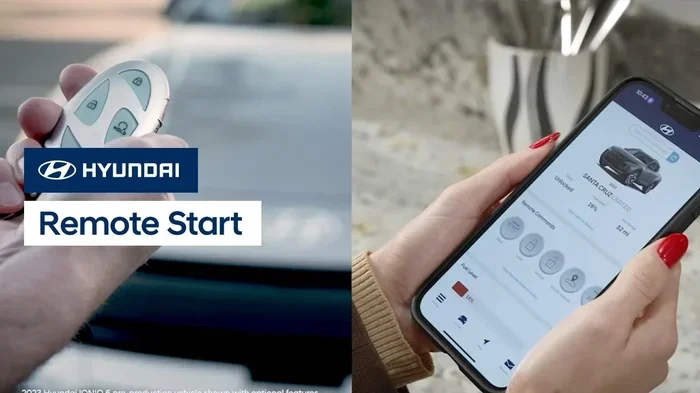
- Remote start and lock/unlock through a smartphone app
- Vehicle location finder to help you remember where you parked
- Emergency SOS that automatically contacts help after a collision
- Stolen Vehicle Recovery that allows Kia to track and assist with recovery
- Maintenance alerts sent directly to your phone
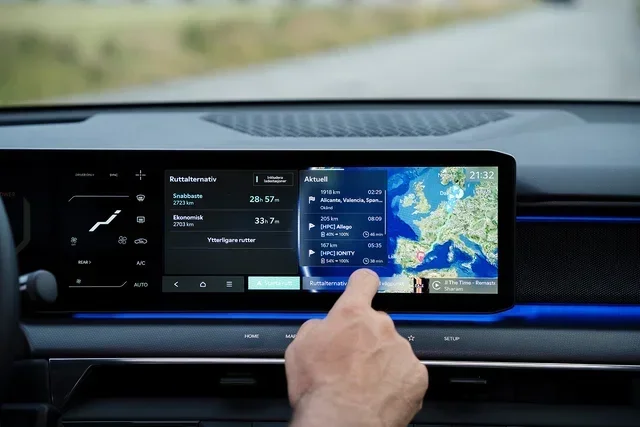
- Weather and traffic updates through the in-car system
The key difference is that Kia Connect offers a smoother interface and better app integration. But both systems rely on the same fundamental vehicle tracking technology to deliver their services.
Kia Stolen Vehicle Recovery and Safety Features
One of the biggest selling points for Kia tracking is stolen vehicle recovery. This feature can be a lifesaver if your car ever gets stolen. Here is how it works.
How Stolen Vehicle Recovery Works
If your Kia is stolen and you report it to the police, you can also contact Kia’s stolen vehicle recovery team. Using the built-in GPS, Kia can pinpoint the vehicle’s location in near real-time. They then share that information with law enforcement to help recover the car.
This service is typically free for the first three years of ownership. After that, you may need to subscribe to a paid plan to keep it active. The exact terms depend on your region and the model year of your vehicle.
Other Safety Features That Use Tracking
Beyond stolen vehicle recovery, Kia uses tracking data for several safety functions:
- Automatic Collision Notification: If the car detects a severe impact, it can automatically call emergency services and share your location.
- Roadside Assistance: When you call for help, the system can guide responders directly to your GPS coordinates.
- Remote Lockout: In some cases, Kia can disable the vehicle remotely if it is confirmed stolen.
These features make a strong case for why Kia car security benefits from built-in tracking. They add a layer of protection that older cars simply cannot match.
Can You Disable Kia Tracking? Your Options
Now for the question many Kia owners really want answered: can you turn off the tracking? The answer is both yes and no, and it depends on what kind of tracking you are talking about.
What You Can Disable
There are several tracking features that Kia owners can control themselves:
- Remote services: You can turn off the Kia Connect app features that allow remote start, lock/unlock, and location sharing.
- Data sharing: In the UVO/Kia Connect settings, you can opt out of sharing driving data for analytics or marketing purposes.
- Location history: You can clear your vehicle’s location history through the app settings.
- Emergency notifications: Some systems allow you to opt out of non-essential alerts.
What You Cannot Easily Disable
There are some tracking functions that are harder to turn off:
- Stolen Vehicle Recovery: This system is deeply integrated into the vehicle’s hardware. Disabling it completely often requires a dealership visit.
- GPS navigation: The GPS receiver itself cannot be removed without affecting the entire infotainment system.
- Emergency SOS: This safety feature is designed to be always active and may not be user-disablable.
Quick Tips for Managing Tracking Settings
- Review your Kia Connect app settings every few months to ensure you are comfortable with what is shared.
- Visit your Kia dealership if you want to make deep changes to tracking features.
- Read the privacy policy that came with your vehicle to understand exactly what data is collected.
- Use a physical GPS blocker only if you fully understand the legal implications in your area.
What Kia Owners Should Know About Privacy
Privacy is a big deal, and it should be. When your car tracks your location, that data has to go somewhere. Kia has a privacy policy that explains how they handle this information. But let us be real, most people do not read those documents. So here is what you need to know.
What Data Does Kia Collect?
Kia collects several types of data through its connected services:
- Vehicle location: Where your car is right now and where it has been.
- Driving behavior: How you drive, including speed, acceleration patterns, and braking habits.
- Vehicle health: Diagnostic codes, maintenance needs, and component status.
- Usage patterns: How often you drive, when you typically use the car, and which features you use most.
How Kia Uses This Data
Kia states that they use collected data for several purposes:
- Improving their vehicle tracking technology and services
- Providing roadside assistance and stolen vehicle recovery
- Sending relevant maintenance reminders
- Improving future vehicle designs based on real-world usage
- Sharing anonymized data with third-party service providers
Expert Insight on Car Tracking Privacy
Privacy experts generally agree that car tracking is here to stay, and it serves genuine safety purposes. However, they recommend that owners take an active role in managing their settings. “You should treat your car’s connected features the same way you treat your smartphone,” says automotive privacy advocate Mark Harris. “Review permissions, limit data sharing, and stay informed about what your vehicle knows about you.”
Common Mistakes Kia Owners Make With Tracking
- Ignoring the privacy settings during setup: Many owners accept default settings without reviewing them. Always take a few minutes to check what is enabled.
- Assuming tracking stops when you sell the car: Previous owners may need to formally disconnect their accounts. Always verify this with the dealership.
- Not updating the infotainment software: Updates often include privacy and security patches. Keep your system current.
- Using third-party apps without checking permissions: Some apps request excessive access to your vehicle’s data. Only use trusted applications.
Kia Tracking by Model: A Quick Comparison
Not all Kia vehicles are created equal when it comes to tracking features. Here is a simple comparison of how tracking capabilities vary across popular Kia models.
| Model | Tracking Platform | GPS Navigation | Remote Services | Stolen Vehicle Recovery |
|---|---|---|---|---|
| Kia Rio (Base) | Kia Connect | Optional | Limited | Included (3 years) |
| Kia Sportage | Kia Connect | Standard | Full | Included (3 years) |
| Kia Sorento | Kia Connect | Standard | Full | Included (3 years) |
| Kia EV6 | Kia Connect | Standard | Full | Included (3 years) |
| Kia Telluride | Kia Connect | Standard | Full | Included (3 years) |
As you can see, Kia tracking features are fairly consistent across the lineup. Higher-end models tend to include more robust remote services, but the core GPS and recovery features are available even on base trims.
How Kia Tracking Compares to Other Brands
How does Kia stack up against competitors when it comes to vehicle tracking? Here is a quick look at how Kia car tracking compares to other brands.
- Hyundai: Very similar, since both brands share the same parent company and many technologies. Hyundai Blue Link offers comparable features.
- Toyota: Toyota’s Connected Services offer tracking and remote features. Toyota tends to have a slightly longer free trial period.
- Ford: FordPass provides extensive tracking and remote capabilities. Ford has been in the connected car space longer than Kia.
- Chevrolet: OnStar has been a pioneer in vehicle tracking. Chevrolet offers more robust emergency response features in some models.
- Tesla: Tesla tracking is among the most advanced, with real-time location sharing and detailed trip logging built into every vehicle.
Kia holds its own in this space. Their Kia Connect and UVO platforms offer competitive features at a reasonable cost. The main difference is that Kia’s free trial period and subscription pricing may vary compared to brands like Ford or Toyota.
Final Thoughts on Kia Car Tracking
So, do Kia cars have tracking devices? The answer is a clear yes. Kia vehicles come equipped with GPS tracking technology that serves practical, safety-oriented purposes. From helping you find a parked car to recovering a stolen vehicle, these features add real value to the ownership experience.
At the same time, it is important to stay informed. Know what data your car collects, review your privacy settings regularly, and understand what you can and cannot disable. Kia tracking is not something to fear, but it is something to manage wisely.
Whether you drive a brand-new Kia EV6 or a used Kia Soul from a few years back, understanding your vehicle’s tracking capabilities puts you in the driver’s seat. Literally and figuratively. Take control of your settings, enjoy the safety benefits, and drive with confidence knowing you are informed about how your car connects to the world around it.
Kia vehicle tracking is here to stay, and it continues to evolve with each new model year. Staying up to date on how these systems work will help you get the most out of your Kia while keeping your privacy intact.
Frequently Asked Questions
Do all Kia cars come with GPS tracking?
Most modern Kia vehicles include some form of GPS tracking, but the extent of features depends on the model, trim level, and model year. Base trims may have limited tracking compared to higher-end trims. Always check the specific features for your trim level.
Can Kia track my car without my permission?
Kia does not track your car secretly. The tracking features are disclosed in the owner’s manual and privacy policy. You can opt out of certain data-sharing features through the app or by visiting a dealership. However, safety features like Stolen Vehicle Recovery and Emergency SOS are designed to operate automatically when needed.
How long does Kia keep my location data?
Kia’s data retention policy varies based on the type of data and the region. Generally, location data is retained for as long as the service is active and for a reasonable period after disconnection. Check Kia’s current privacy policy for the most up-to-date information on data retention practices.
Can I install a third-party tracker in my Kia?
Yes, you can install a third-party GPS tracker in your Kia if you want additional tracking capabilities. Popular options include devices like Apple AirTags, Tile trackers, or dedicated GPS trackers from brands like Tracki or LandAirSea. These work independently of Kia’s built-in systems.
Is Kia tracking available in all countries?
No, Kia tracking features vary by country and region. Some features may not be available in certain markets due to local regulations or infrastructure limitations. Check with your local Kia dealer to confirm which tracking features are available in your area.
What happens to tracking features if I sell my Kia?
When you sell your Kia, you should formally disconnect your Kia Connect account and remove your phone from the vehicle’s system. The new owner will need to set up their own account. Failing to do so may leave your personal data accessible through the vehicle’s system.
=== CONCLUSION ===
Do Kia cars have tracking devices? Yes, they do. Kia vehicles use GPS tracking technology through their Kia Connect and UVO platforms to deliver navigation, safety, and convenience features. While this tracking offers real benefits like stolen vehicle recovery and emergency assistance, it also raises valid privacy questions that every owner should understand.
The good news is that Kia gives owners tools to manage their tracking preferences. You can adjust settings, opt out of data sharing, and even disable certain features. The key is to stay informed and take an active role in your vehicle’s connected settings.
Kia car tracking is a powerful tool when used wisely. It keeps you safe, helps you find your car, and adds value to your ownership experience. Just make sure you know what is on and what is off. Your car is smarter than ever, and staying in control of that smartness is entirely in your hands.