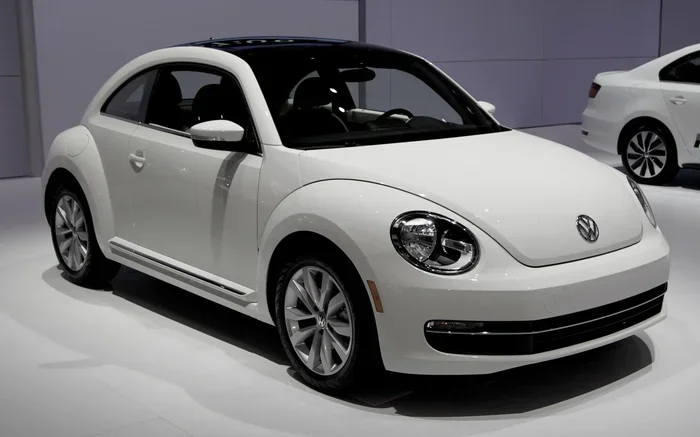
Do Volkswagen Beetles Take Diesel Fuel Explained Here
Do Volkswagen Beetles take diesel? The answer depends on the generation and model year. Some Beetles ran on diesel, especially the later TDI models, while most classic Beetles ran on gasoline. Understanding your specific Beetle’s fuel type is essential for proper maintenance, refueling, and avoiding costly mistakes at the pump.
Key Takeaways
- Not all Beetles use diesel: Only specific generations and engine variants ran on diesel fuel.
- The TDI engine is the key diesel option: Volkswagen’s TDI (Turbocharged Direct Injection) engines powered many diesel Beetles.
- Classic Beetles are gasoline-only: The original air-cooled Beetle never came factory-installed with a diesel engine.
- Always check your fuel type before refueling: Putting the wrong fuel in a Beetle can cause serious engine damage.
- Diesel Beetles offer great fuel efficiency: TDI models are known for excellent mileage and torque.
- Maintenance differs between diesel and gas: Diesel engines require specific care, including regular filter changes.
- Know your engine code: The VIN and engine stamp tell you exactly what fuel your Beetle needs.
📑 Table of Contents
The Short Answer: Do Volkswagen Beetles Take Diesel?
So, do Volkswagen Beetles take diesel? The short answer is yes, but only certain models and generations. Not every Beetle rolling off the assembly line was built to run on diesel fuel. In fact, the majority of Beetles ever produced ran on regular gasoline. However, Volkswagen did offer diesel engine options in specific models, most notably the TDI variants.
If you own a Beetle or are thinking about buying one, knowing which fuel type your car uses is absolutely critical. Putting diesel into a gasoline Beetle, or vice versa, can lead to expensive repairs and serious engine problems. Understanding your Beetle’s fuel requirements saves you time, money, and headaches at the fuel station.
This guide covers every generation of the Volkswagen Beetle and explains which ones used diesel, how to identify your fuel type, and what you need to know about maintaining a diesel Beetle. We will also look at common mistakes people make when refueling and share expert maintenance tips.
Why This Question Comes Up So Often
The question “Do Volkswagen Beetles take diesel?” comes up frequently for a few reasons. First, the Beetle is one of the most iconic cars ever made, and people own them from many different decades. Second, Volkswagen has a strong reputation for diesel engines, especially with the TDI line. Third, many people see Beetles on the road and simply wonder what is under the hood.
Another reason is the confusion between the different Beetle generations. The classic Beetle, the New Beetle, and the modern Beetle (2012-2019) all look different and use different engines. Each generation has its own fuel requirements, and not all of them accept diesel.
A Look at Volkswagen Beetle History and Fuel Options
The Volkswagen Beetle has a long and fascinating history. From its origins in Nazi Germany to becoming a symbol of counterculture in the 1960s, the Beetle has seen many changes. One of the biggest changes was in the engines it used, including the introduction of diesel options.
The Original Air-Cooled Beetle
The original Volkswagen Beetle, also known as the Type 1, debuted in 1938. It featured an air-cooled, rear-mounted engine. For decades, this engine ran exclusively on gasoline. The air-cooled design was simple, reliable, and easy to maintain. No diesel version of the classic air-cooled Beetle was ever offered from the factory.
However, some enthusiasts have swapped in diesel engines over the years. These are custom modifications and not factory originals. If you see a classic Beetle with a diesel engine, it was likely done by a previous owner or a specialty shop.
The Transition to Water-Cooled Engines
Volkswagen transitioned to water-cooled engines in the Beetle lineup starting in the late 1990s with the New Beetle. This change opened the door for more engine options, including diesel. The water-cooled platform allowed Volkswagen to offer the TDI engine, which became very popular among fuel-conscious drivers.
The TDI engine stands for Turbocharged Direct Injection. It delivers excellent fuel economy and strong torque. Many Beetle owners specifically sought out the TDI version for its efficiency and range. This engine was available in the New Beetle and the later Volkswagen Beetle models.
How Volkswagen Evolved Its Fuel Choices
Over the decades, Volkswagen expanded its engine offerings significantly. The company started with a simple 1.1-liter gasoline engine and eventually offered engines ranging from small displacement units to turbocharged diesel powerhouses. The evolution of fuel choices in the Beetle lineup reflects broader trends in the automotive industry toward efficiency and lower emissions.
Here is a quick look at how fuel options evolved:
- 1938-1970s: Gasoline only, air-cooled engines.
- 1970s-1990s: Gasoline engines with increased displacement and fuel injection.
- 1998-2011 (New Beetle): Gasoline and diesel TDI options introduced.
- 2012-2019 (Volkswagen Beetle): Gasoline engines only; diesel TDI was discontinued in many markets.
Understanding this timeline helps you determine whether your Beetle can take diesel fuel. If your Beetle was made before 1998, it almost certainly runs on gasoline.
Which Beetle Generations Used Diesel?
Now that we have the history covered, let us look at the specific Beetle generations that offered diesel engines. Not every model year or trim level included a diesel option, so this information is very important for current and prospective owners.
The Classic Beetle (1938-2003)
The classic Beetle, or Type 1, never came from the factory with a diesel engine. Every classic Beetle rolled off the line with a gasoline engine. The last of the classic Beetles rolled off the production line in 2003 in Puebla, Mexico. If you own a classic Beetle, you will always need gasoline.
Some people confuse the classic Beetle with diesel models because of the engine noise. Air-cooled gasoline engines can sound quite different from modern diesel engines, but the two are completely different. Never assume a classic Beetle can take diesel just because it sounds unusual.
The New Beetle (1998-2011)
The New Beetle, introduced in 1998, was a modern reinterpretation of the classic design. This generation offered a diesel engine option. The 1.9-liter TDI engine was available in many markets, including North America and Europe. This is the first generation of Beetle that came factory-ready for diesel fuel.
The New Beetle TDI was a popular choice for drivers who wanted the fun Beetle styling with practical fuel economy. It delivered around 38 to 42 miles per gallon on the highway, which was excellent for its time. The engine produced strong torque, making it a pleasant car to drive in city and highway conditions.
The Volkswagen Beetle (2012-2019)
The final generation of the Beetle, produced from 2012 to 2019, was a more sporty and modern take on the design. In this generation, Volkswagen mostly focused on gasoline engines. The TDI diesel option was available in some markets but was phased out in others, including the United States, due to tightening emissions regulations.
By 2015 and beyond, most Beetles sold in North America came with gasoline engines only. The Volkswagen emissions scandal, known as Dieselgate, also had a significant impact on diesel availability across the VW lineup. After 2015, finding a new Beetle with a diesel engine became very difficult.
Beetle Generations Fuel Comparison
| Generation | Years | Diesel Available? | Engine Options | Fuel Type |
|---|---|---|---|---|
| Classic Beetle (Type 1) | 1938-2003 | No | 1.2L to 1.6L gasoline | Gasoline only |
| New Beetle | 1998-2011 | Yes (1.9 TDI) | 1.8T, 2.0L, 1.9 TDI | Gasoline and Diesel |
| Volkswagen Beetle | 2012-2019 | Limited/South America only | 1.8T, 2.0L, 2.5L | Mostly Gasoline |
This table makes it clear that diesel was only a factory option in the New Beetle generation and limited markets for the final Beetle generation.
How to Tell if Your Beetle Runs on Diesel
If you are not sure whether your Beetle takes diesel, do not guess. There are several reliable ways to find out. Taking the wrong approach can damage your engine and cost you a lot of money.
Check the Engine Bay
Open the hood and look for an engine code stamped on the engine block. For diesel Beetles, you will typically find a code starting with “AEH,” “AFN,” “AVG,” or similar TDI engine codes. These codes identify the engine as a diesel TDI unit. Gasoline engines will have completely different codes, such as “ABA” or “AEM.”
If you are not sure what the code means, write it down and search it online or ask a mechanic. Most Volkswagen dealerships can look up the code and tell you exactly what engine you have.
Look at the Fuel Cap and Tank Label
Your fuel cap is one of the easiest places to find fuel type information. Many Volkswagen diesel models have a label on the inside of the fuel cap door that says “Diesel” or shows a diesel pump icon. Always check this before you fill up, especially if you borrowed the car or bought it used.
The owner’s manual is another great resource. It will clearly state the recommended fuel type. If you do not have the physical manual, you can often find a digital copy on Volkswagen’s website or through online forums dedicated to Beetle owners.
Decode the VIN and Engine Codes
The Vehicle Identification Number (VIN) contains a wealth of information about your car. The tenth character represents the model year, and the eighth character often identifies the engine type. Volkswagen dealerships can decode your VIN for free and tell you exactly what engine and fuel type your Beetle has.
Another option is to check the emissions sticker under the hood. This sticker lists the engine family and fuel type. It is a quick and reliable way to confirm whether your Beetle is a diesel or gasoline model.
Common Mistakes When Refueling a VW Beetle
Refueling a car seems simple, but mistakes happen more often than you might think. Diesel and gasoline are not interchangeable, and putting the wrong fuel in your Beetle can cause serious problems.
Putting Diesel in a Gasoline Beetle
This is one of the most common and costly mistakes. If you put diesel fuel into a gasoline Beetle, do not start the engine. Diesel fuel does not ignite the same way gasoline does, and running it through a gasoline engine can cause catastrophic damage to the fuel system, spark plugs, and catalytic converter.
If you accidentally put diesel in your gasoline Beetle, have the car towed to a mechanic. The tank will need to be drained, and the fuel lines may need to be flushed. This repair can cost several hundred dollars, but it is far cheaper than replacing a damaged engine.
Putting Gasoline in a Diesel Beetle
The reverse is also dangerous. If you put gasoline into a diesel Beetle, do not start the engine. Gasoline in a diesel engine can cause premature detonation, which can bend connecting rods, crack pistons, and destroy the engine entirely.
Diesel engines rely on compression ignition, and gasoline does not compress the same way. Even a small amount of gasoline in a diesel system can cause serious harm. If this happens, call a tow truck and have the fuel system drained immediately.
Using the Wrong Diesel Grade
Not all diesel fuel is the same. In many countries, you will find different grades of diesel, such as regular diesel, premium diesel, and biodiesel blends. Most VW Beetle TDI models work fine with standard diesel fuel. However, using low-quality diesel or the wrong biodiesel blend can cause problems with fuel injectors and filters.
Always check your owner’s manual for the recommended diesel grade. If you are traveling in a foreign country, pay attention to the fuel pump labels and make sure you are selecting the correct type.
Ignoring Fuel System Maintenance
Diesel engines require regular maintenance that gasoline engines do not. The fuel filter, water separator, and injectors all need attention at scheduled intervals. Neglecting diesel fuel system maintenance can lead to poor performance, reduced fuel economy, and expensive repairs down the road.
Set a reminder to check your fuel system at every oil change. A well-maintained diesel Beetle TDI can last for hundreds of thousands of miles with proper care.
Expert Insights and Maintenance Tips for Diesel Beetles
Owning a diesel Beetle comes with unique responsibilities. The following tips come from experienced Volkswagen mechanics and long-time Beetle TDI owners who want to help you get the most out of your car.
Regular Maintenance Schedule
Diesel engines have different maintenance needs than gasoline engines. Here is a simplified maintenance schedule for diesel Beetles:
- Every 5,000 to 7,500 miles: Change the engine oil and oil filter. Use the grade of oil recommended in your owner’s manual.
- Every 15,000 to 20,000 miles: Replace the diesel fuel filter. This is one of the most important maintenance tasks for a diesel engine.
- Every 30,000 miles: Inspect and clean the air filter. A clogged air filter reduces fuel efficiency and engine performance.
- Every 60,000 miles: Check the glow plugs and replace if needed. Glow plugs help the diesel engine start in cold weather.
- Every 100,000 miles: Inspect the fuel injectors and consider a professional cleaning if needed.
Sticking to this maintenance schedule keeps your diesel Beetle running smoothly for years.
Fuel Efficiency Expectations
One of the biggest advantages of a diesel Beetle is fuel efficiency. The New Beetle TDI and later diesel models delivered impressive mileage for a car of their size. Most diesel Beetles achieved between 38 and 45 miles per gallon on the highway, and around 30 to 35 miles per gallon in city driving.
Compare this to the gasoline Beetles of the same era, which typically got between 25 and 32 miles per gallon combined. The diesel advantage is clear, especially for drivers who cover a lot of miles.
Keep in mind that your actual fuel economy will depend on driving habits, road conditions, and maintenance. Aggressive driving, excessive idling, and carrying heavy loads all reduce fuel efficiency.
Quick Tips for Diesel Beetle Owners
- Always use clean, quality diesel fuel from reputable stations.
- Check the fuel water separator regularly and drain it when needed.
- Do not let the fuel tank run completely empty, as this can introduce air into the fuel system.
- Warm up the engine gently in cold weather before driving hard.
- Keep a record of all fuel system maintenance in your service log.
- Use VW-approved diesel exhaust fluid (DEF) if your model requires it.
- Listen for unusual sounds from the engine bay and address them promptly.
Common Misconceptions About Diesel Beetles
There are several myths about diesel Beetles that can confuse owners and potential buyers. One common myth is that diesel engines are always loud and rough. Modern TDI engines are remarkably quiet and smooth, especially at highway speeds. Another myth is that diesel fuel is always more expensive than gasoline. While diesel prices can fluctuate, diesel engines often offset the cost difference through superior fuel economy.
Some people also believe that diesel cars are bad for the environment. While it is true that diesel engines produce more nitrogen oxides, modern diesel engines with particulate filters and SCR systems are much cleaner than older models. The Volkswagen Beetle TDI met strict emissions standards in the markets where it was sold.
Conclusion
Do Volkswagen Beetles take diesel fuel? The answer is yes, but only in specific generations and models. The classic air-cooled Beetle always ran on gasoline, while the New Beetle (1998-2011) offered a popular TDI diesel option. The final Beetle generation (2012-2019) mostly phased out diesel in favor of gasoline engines, especially in North America.
Knowing your Beetle’s fuel type is one of the most important things you can do as an owner. Always check your engine code, fuel cap label, and owner’s manual before refueling. Taking the wrong fuel to the pump can result in costly repairs and significant inconvenience.
Diesel Beetles offer excellent fuel economy, strong torque, and a satisfying driving experience. With proper maintenance and care, a diesel VW Beetle can provide years of reliable service. Whether you are a longtime Beetle enthusiast or a new owner, understanding your car’s fuel needs is the first step toward a great ownership experience.
Take a moment to confirm your Beetle’s fuel type today. It is a simple step that can save you from a world of trouble at the fuel station and keep your beloved VW Beetle running strong for miles to come.
Frequently Asked Questions
Can I put diesel fuel in a classic VW Beetle?
No, classic VW Beetles have gasoline engines and cannot run on diesel fuel. Putting diesel into a classic Beetle will cause serious engine damage. Always use the fuel type specified in your owner’s manual.
How do I know if my VW Beetle has a TDI diesel engine?
Check the engine code on your engine block for TDI-specific codes like AEH, AFN, or AVG. You can also look for a diesel label inside the fuel cap door or refer to your VIN through a Volkswagen dealership for confirmation.
Are diesel VW Beetles still being manufactured?
No, Volkswagen discontinued the diesel Beetle in most markets after 2015 due to emissions regulations and the Dieselgate scandal. Current VW Beetle models use gasoline engines only.
What is the fuel economy of a diesel VW Beetle?
Diesel VW Beetles, especially the New Beetle TDI, delivered between 38 and 45 miles per gallon on the highway. City mileage was typically around 30 to 35 miles per gallon, making them very efficient for their class.
Is diesel maintenance more expensive for a VW Beetle than gasoline maintenance?
Diesel maintenance can be slightly more expensive due to fuel filter changes, glow plug replacements, and specialized service requirements. However, diesel Beetles often need fewer oil changes and last longer overall, which can offset the costs.
Can I convert my gasoline VW Beetle to run on diesel?
While engine swaps are possible, converting a gasoline Beetle to diesel is complex, expensive, and often not worth the cost. It is usually more practical to find a Beetle that was factory-built with a diesel engine if diesel fuel is important to you.