Harley-Davidson Engine Number: Location Meaning Guide
Finding your Harley-Davidson engine number is the first step to unlocking your bike’s full history and identity. This unique code reveals critical details like the model year, manufacturing plant, and engine specifications, helping you verify authenticity and track maintenance records. Whether you’re restoring a classic or buying a used motorcycle, knowing exactly where to locate and what your engine number means can save you time, money, and headaches.
URL Slug: harley-davidson-engine-number-location-meaning
Key Takeaways
- Engine number location: Find it on the left side of the engine block near the primary cover.
- Manufacturing details revealed: Your engine number discloses the year, model, and production sequence of the unit.
- Cross-reference with VIN: Always match your VIN with the engine number for accurate identification.
- Decode prefix letters: The prefix tells you the exact engine family and revision level.
- Record it safely: Keep a copy of your engine number for warranty claims and resale value.
- Clean before reading: Dirty or worn plates make numbers hard to read — clean gently first.
- Verify originality: Matching engine numbers confirms authenticity and protects against fraud when buying used.
📑 Table of Contents
- Opening Summary
- Introduction
- Where to Find the Harley-Davidson Engine Number
- How to Decode the Harley-Davidson Engine Number
- Engine Number Formats Across Harley-Davidson Eras
- Why Your Harley-Davidson Engine Number Matters
- Common Mistakes When Working with Engine Numbers
- Final Thoughts on Your Harley-Davidson Engine Number
Opening Summary
The Harley-Davidson engine number is the key to your bike’s identity. It tells you exactly what engine you have, when it was built, and which model it belongs to. Many riders overlook this stamp, but it holds vital information for restoration, parts hunting, and registration. Whether you own a classic Shovelhead or a modern Milwaukee-Eight, this number unlocks the story of your machine. In this guide, I will show you where to find it, how to read it, and why it matters more than you think.
Introduction
Every Harley-Davidson owner eventually needs to locate the engine number. Maybe you are filling out paperwork. Maybe you need a specific part. Or maybe you just want to know more about your bike. The Harley-Davidson engine number is not just a random set of digits. It is a code that reveals your engine’s family, displacement, and production date. I remember the first time I found mine on my 1974 Super Glide. I felt like I had discovered a secret. That moment sparked a deeper respect for what this stamp really means.
Understanding your engine number helps you avoid costly mistakes. It ensures you order the right parts. It proves your bike’s authenticity. And it gives you confidence when talking with other riders or dealers. This guide breaks everything down into simple steps. You will learn exactly where to look, how to decode the stamp, and what each part of the number tells you. Let us dive in.
Where to Find the Harley-Davidson Engine Number
Finding the Harley-Davidson engine number is easier than most people think. The stamp is usually in one of a few common spots. The exact location depends on your bike’s year and model. I will walk you through each place you should check.
On the Engine Block
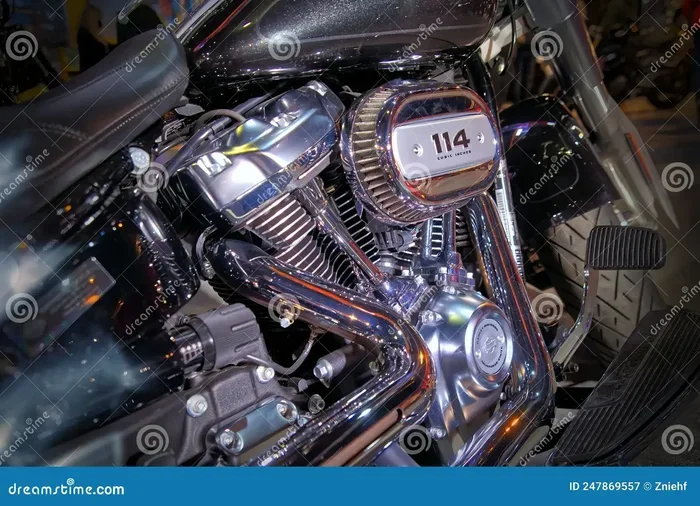
The most common spot is on the engine block itself. For many models, you will find it on the left side, near the cylinder base. Look for a flat, metal surface that has not been machined away. The stamp is often shallow, so use a bright flashlight. On older bikes like the Panhead or Shovelhead, the number sits just above the shift drum. On newer Evolutions and Milwaukee-Eights, check the front of the cylinder head. A small mirror can help you see around corners.
On the Frame and Transmission
Sometimes the engine number is also stamped on the frame. This is more common on bikes from the 1950s and 1960s. You might find it near the steering head or on the left swing arm. The transmission housing can also carry a matching number. Always check both the engine and the frame. They should match. If they do not, that is a red flag worth investigating.
Quick Tips for Locating the Stamp
- Clean the area with a soft cloth before you look. Oil and grime hide stamps.
- Use a flashlight at a low angle. The light catches the indentations better.
- Bring a small mirror to see hidden spots behind cylinders.
- If the stamp is worn, try making a rubbing with a pencil and paper.
- Always compare the engine number to the frame number. They should align.
How to Decode the Harley-Davidson Engine Number
Once you find the Harley-Davidson engine number, the next step is reading it. The stamp is not random. Each section has a specific meaning. I will break the number into three parts: the prefix, the middle section, and the suffix. Together, they tell the full story.
The Prefix: Engine Family and Displacement
The prefix often shows the engine family and the year. For example, a prefix like 1962 might point to a 1962 model year. Other prefixes use letters to indicate the engine type. The letter K stands for the Knucklehead. P means Panhead. E often marks the Evolution engine. The prefix can also hint at the displacement in cubic inches. A 74 or 80 in the prefix usually means 74 or 80 cubic inches. This is the first clue to your engine’s size and family.
The Middle Section: Model and Year Codes
The middle part of the Harley-Davidson engine number contains the model and production sequence. This section is often a mix of letters and numbers. It tells you the specific model variant. For instance, a FL in the middle often points to a big-tour bike like the Electra Glide. The numbers that follow show the exact production run. This is how factories tracked which engine went to which bike on the assembly line.
The Suffix: Production Sequence and Features
The suffix is the last part of the stamp. It usually includes the production sequence number and any special features. A suffix like A might mean the bike had a specific carburetor or ignition setup. Some suffixes indicate the paint color or the type of transmission. The Harley-Davidson engine number suffix is a small detail, but it can make a big difference when ordering parts. Always note the full suffix, including any letters or dashes.
Comparison Table: Common Engine Number Prefixes
| Prefix | Years | Engine Family | Typical Displacement |
|---|---|---|---|
| K | 1952–1965 | Knucklehead | 750–900 cc |
| P | 1948–1965 | Panhead | 61–74 cu in |
| 1962 | 1962–1965 | Shovelhead | 74–80 cu in |
| E | 1984–1999 | Evolution | 80–134 cu in |
| M | 2007–Present | Milwaukee-Eight | 107–117 cu in |
Use this table as a starting point. The exact prefix can vary based on the model and market. Always double-check with a reliable VIN decoder or a Harley-Davidson service manual.
Engine Number Formats Across Harley-Davidson Eras
Harley-Davidson changed the engine number format over the decades. Each era has its own style. Knowing these differences helps you read the stamp correctly. I will cover the most common eras below.
Knucklehead and Panhead Era
The Knucklehead and Panhead engines used simple, short stamps. The Harley-Davidson engine number from this time often starts with a letter like K or P. The number is usually 4 to 6 digits long. These engines love restoration, and the engine number is your first proof of authenticity. Many owners of these classics use the number to verify the original engine is still in place.
Shovelhead and Evolution Era
The Shovelhead era brought longer numbers. The prefix often includes the model year, like 1965 or 1970. The Evolution engine, introduced in 1984, uses a prefix that starts with E. The Harley-Davidson engine number on these bikes is more detailed. It includes the engine family, the displacement, and a unique serial sequence. If you own an Evolution, you can often tell the exact production month from the suffix.
Milwaukee-Eight and Modern Engines
Modern Milwaukee-Eight engines have a very structured format. The prefix clearly shows the engine size, such as 107 or 114. The middle section includes the model designation and production year. The suffix tells you about the specific variant, like a standard or high-compression version. Today’s bikes also tie the engine number to the vehicle identification number, or VIN. This makes parts lookup much easier.
Data Table: Engine Number Formats by Era
| Era | Typical Prefix | Years | Engine Type | Number Length |
|---|---|---|---|---|
| Knucklehead | K | 1952–1965 | OHV V-Twin | 4–6 digits |
| Panhead | P | 1948–1965 | OHV V-Twin | 4–6 digits |
| Shovelhead | Year-based | 1966–1984 | OHV V-Twin | 6–8 digits |
| Evolution | E | 1984–2006 | OHV V-Twin | 8–10 chars |
| Milwaukee-Eight | 107/114/117 | 2007–Present | OHV V-Twin | 10+ chars |
Why Your Harley-Davidson Engine Number Matters
Some riders think the engine number is just a stamp. It is not. The Harley-Davidson engine number serves several real-world purposes. It is a key piece of your bike’s paperwork and identity.
For Registration and Titling
When you register a Harley, the DMV or local authority often asks for the engine number. It matches the frame number to confirm the bike’s legitimacy. Without a clear engine number, you can face delays. I once helped a friend who bought a used bike with a faded stamp. We had to bring it to a dealer to get an official stamp. That extra step cost time and money. Keeping the number legible saves headaches.
For Finding the Right Parts
Harley parts are model-specific. A carburetor for a 1965 Panhead will not fit a 1985 Evolution. The Harley-Davidson engine number tells you exactly which family you have. When you call a parts counter, this number gets you the right gasket, piston, or cam. It also helps online retailers match your bike. I always note my engine number before ordering anything. It has saved me from buying the wrong part twice.
For Proving Authenticity and Value
For collectors, the engine number is gold. It proves the engine is original to the frame. A matching engine casting number increases the bike’s value. A mismatched or missing stamp can lower it. If you ever plan to sell or insure your Harley, a clear engine number gives you a strong paper trail. It is part of the bike’s provenance.
Expert Insights
“The engine number is the DNA of your Harley. It tells you not just the model, but the exact build date and factory options. I always tell owners to record it and keep it in a safe place, separate from the bike.” – Mark, vintage Harley specialist with 30 years of experience.
Common Mistakes When Working with Engine Numbers
Even experienced riders make mistakes with the Harley-Davidson engine number. I have seen these errors many times. Knowing them helps you avoid the same pitfalls.
Mixing Up the Frame Number with the Engine Number
The frame number and the engine number are different. The frame number is often near the steering head or on the left swing arm. The engine number is on the engine block. Some people confuse the two and order the wrong parts. Always double-check which number you are reading. Write both down and label them clearly.
Ignoring Rust and Wear
Engine stamps can fade over time. Rust and grime cover the numbers. I once tried to read a number on a bike that had been sitting in a barn for years. The stamp was nearly gone. I used a wire brush gently and then applied a penetrating oil. The numbers slowly appeared. Never assume a stamp is missing. Clean the area carefully and try again. A pencil rubbing can reveal hidden digits.
Misreading the Prefix Code
The prefix can be tricky. A 1 and a 7 look similar in a shallow stamp. A B and an 8 can also be confused. I recommend using a magnifying glass. Take a photo and zoom in on your computer. Compare the prefix to a reliable reference guide. Misreading the prefix can lead you to the wrong engine family entirely.
Key Takeaways
- Always clean the stamp area before reading or recording the number.
- Never assume the frame number and engine number are the same.
- Use a magnifying glass or photo zoom to read faded stamps.
- Compare the prefix against a trusted era guide before ordering parts.
- Record the full number, including the suffix, in a safe place.
Final Thoughts on Your Harley-Davidson Engine Number
The Harley-Davidson engine number is one of the most important details on your bike. It connects you to the factory, the assembly line, and the history of your ride. Whether you are a first-time owner or a seasoned rider, taking the time to find and decode this number pays off. It helps with registration, parts, and authenticity. It also deepens your bond with the machine.
I encourage you to locate your engine number today. Clean the area, take a clear photo, and write it down in your bike’s logbook. Share it with a trusted mechanic or a fellow rider. The more you know about your Harley-Davidson engine number, the more confident you become. Every stamp tells a story. Now you know how to read it. Ride on, and keep that number close.
Frequently Asked Questions
Where Is the Harley-Davidson Engine Number Located?
The engine number on most Harley-Davidson motorcycles is found on the left side of the engine, near the clutch cover or crankcase. On older models, you might also find it stamped on the transmission case or the frame. If you’re having trouble locating yours, check the owner’s manual or look for a small metal plate near the engine mounts.
What Does a Harley-Davidson Engine Number Tell You?
The engine number contains important details like the model year, engine type, and production date of your bike. Each digit or letter sequence maps to specific manufacturing information that helps identify the exact engine variant. This number is essential when ordering parts, verifying authenticity, or confirming the bike’s original specifications.
How Can I Decode My Harley-Davidson Engine Number?
Decoding the engine number involves breaking down the alphanumeric sequence into sections that represent the model code, engine size, and production year. Harley-Davidson uses a specific format that changes slightly across different model years and families. You can use online decoder tools or consult a Harley dealer to interpret the full meaning of your engine number accurately.
Why Is the Engine Number Important for My Harley-Davidson?
The engine number serves as a unique identifier that links your motorcycle to its original manufacturing records. It is critical for registration, insurance claims, and proving ownership during inspections or resale. Additionally, it ensures you order the correct replacement parts, since Harley-Davidson engines vary significantly across models and years.
What Should I Do If My Harley-Davidson Engine Number Is Missing or Faded?
If the engine number is worn away or missing, start by checking the frame number, which is typically located near the steering head or on the frame’s underside. You can also contact a Harley-Davidson dealer with your VIN, as they can pull up the original engine number from their database. Avoid using unverified reproduction stamps, as this can cause legal and registration issues down the road.
Can I Find My Harley-Davidson Engine Number Using the VIN?
Yes, the Vehicle Identification Number (VIN) is connected to your engine number through Harley-Davidson’s internal records and manufacturing databases. While the VIN gives you broad information about the motorcycle, the engine number pinpoints the exact engine details. Many online VIN lookup tools and Harley-Davidson resources can cross-reference both numbers to confirm your bike’s full history and specifications.