Can I Reprogram My Car Key Myself Without a Dealer
Yes, you can reprogram your car key yourself in many cases. This guide walks you through the process step by step, covering the tools you need, common methods, and when to call a professional. Save money and time by learning how to handle car key programming at home.
Have you ever locked your keys in the car or lost your only working car key? It is a frustrating experience that can ruin your whole day. Many people assume they need to visit a dealer or call a locksmith to get a new key programmed. But here is the good news. You might be able to reprogram your car key yourself right at home.
The process is simpler than most people think. With the right information and a few basic tools, you can save a lot of money and time. This guide will walk you through everything you need to know about key fob reprogramming without the dealer. Whether you have a traditional transponder key or a modern smart key, we have got you covered.
Let us dive into the details and help you take control of your vehicle security system. By the end of this article, you will know exactly what to do, what tools you need, and when it makes sense to call a professional for help.
Key Takeaways
- DIY reprogramming is possible: Many vehicles allow you to reprogram keys without a dealer or locksmith.
- You need the right tools: An OBD scanner or key programming tool makes the process much easier.
- Cost savings are significant: Doing it yourself can save you $50 to $200 compared to dealer programming.
- Not all cars are the same: Newer vehicles with advanced security may require professional help.
- Preparation matters: Having the right key, battery, and vehicle manual ready prevents common mistakes.
- Safety features exist for a reason: Never bypass your vehicle’s immobilizer system without understanding the risks.
📑 Table of Contents
- What Does It Mean to Reprogram a Car Key?
- Can You Really Reprogram a Car Key Yourself?
- Tools and Equipment You Will Need
- Step-by-Step Guide to Reprogramming Your Car Key
- When Should You Call a Professional?
- Common Mistakes to Avoid When Reprogramming Car Keys
- Expert Insights on Car Key Programming
- Key Takeaways
- Frequently Asked Questions
- Conclusion
What Does It Mean to Reprogram a Car Key?
When you reprogram a car key, you are teaching your vehicle to recognize a new or reset key. Every modern car has an immobilizer system that prevents theft. This system communicates with your key or key fob using a unique code. If the code does not match, the car will not start.
Reprogramming links a new or existing key to your car’s computer. This process is also called key programming or key fob programming. It works with both traditional metal keys and modern proximity keys that let you start the car with a push of a button.
Some people confuse reprogramming with simply replacing a battery. Those are two different things. A car key battery replacement just powers up the key fob. Reprogramming updates the digital connection between the key and your car. Understanding this difference is important before you start any DIY project.
Types of Car Keys That Can Be Reprogrammed
Not all car keys work the same way. Here are the most common types you might encounter:
- Traditional transponder keys: These have a small chip inside the key head. They are common in older vehicles.
- Remote key fobs: These combine a physical key with a remote for locking and unlocking.
- Smart keys or proximity keys: These are keyless systems that detect the key nearby and allow push-button start.
- Aftermarket keys: These are replacement keys not made by the original car manufacturer.
Your ability to reprogram depends on which type of key you have and how old your vehicle is. Newer cars often have tighter security that makes DIY programming harder.
Can You Really Reprogram a Car Key Yourself?
The short answer is yes, in many cases. But the longer answer depends on your vehicle make, model, and year. Some cars make DIY key programming very easy. Others require special equipment that only a dealer or locksmith has.
Let us look at the factors that determine whether you can do it yourself.
Factors That Affect DIY Reprogramming
Several things decide if you can reprogram your car key at home:
- Vehicle age and model: Older cars from the early 2000s are usually easier to reprogram. Newer luxury vehicles often have tighter restrictions.
- Key type: Basic remote fobs are simpler to program than advanced proximity-based smart keys.
- Available tools: Some methods need an OBD scanner or a key programming tool. If you do not have these, DIY becomes harder.
- Manufacturer security: Brands like BMW, Mercedes, and Audi often require dealer-level equipment for key programming.
- Number of working keys: Most systems require at least one working key to program a second one. If you have zero working keys, you may be stuck.
Before you start, check your owner’s manual. Many car manufacturers include basic programming instructions in the manual. This is your best first step.
Tools and Equipment You Will Need
You do not need a garage full of expensive tools to reprogram most car keys. But having the right equipment makes the process smooth and successful.
Basic Tools for Key Programming
Here is what you should have on hand before you begin:
- Your new or blank key: Make sure it is the correct key for your vehicle. A key blank is an uncut key that you can program to your car.
- A working key: Most reprogramming methods require at least one key that already works with the car.
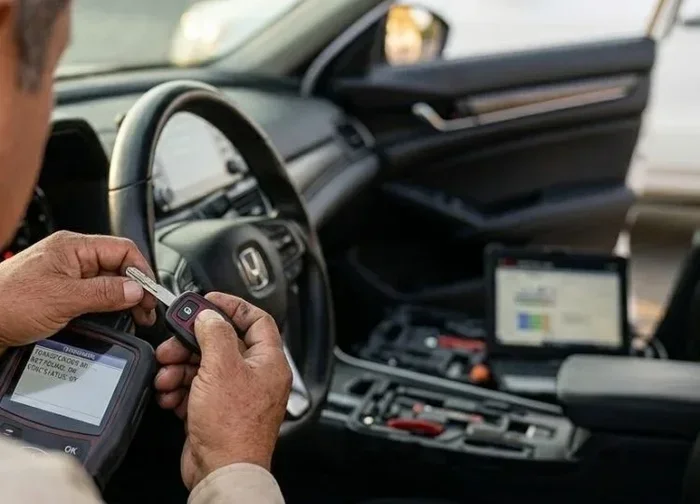
- OBD-II scanner: This is a diagnostic tool that plugs into your car’s onboard computer. It can communicate with the vehicle security system to add new keys.
- Key programming tool: Devices like the Zed-Full or Autel MX808 can handle many makes and models.
- Fresh battery for the key fob: A weak battery can cause programming to fail. Always start with a new one.
- Your vehicle manual: This has model-specific instructions that can save you a lot of trouble.
You do not need to buy every tool on this list. For simple remote fob resets, you might only need a new battery and your owner’s manual. For deeper programming, an OBD scanner becomes essential.
Quick Tips for Choosing the Right Equipment
Do not just grab the cheapest OBD scanner you find online. Here are some quick tips:
- Choose a scanner that supports key programming for your car brand.
- Read reviews before buying. Cheap scanners often lack updates and support.
- Some key programming tools are designed for professionals but are affordable for home use.
- If you only need to replace a battery, a simple screwdriver and a CR2025 or CR2032 battery will do the job.
Step-by-Step Guide to Reprogramming Your Car Key
Now for the part you have been waiting for. Here is a general step-by-step process for reprogramming your car key yourself. Keep in mind that exact steps vary by vehicle. Always refer to your owner’s manual first.
Step 1: Prepare Your Vehicle and Keys
Start by sitting in the driver’s seat. Make sure you have your working key and your new key ready. Close all doors and windows. Turn off all electronics in the car, including the radio and lights. This ensures a clean programming environment.
Step 2: Insert the Working Key
Insert your working key into the ignition. Turn it to the “On” position without starting the engine. You should see the dashboard lights come on. Hold it in this position for a few seconds.
Step 3: Enter Programming Mode
This step is where it gets tricky. The method to enter programming mode varies by car. For many vehicles, you need to cycle the key from “Off” to “On” several times quickly. Some cars require you to press the lock button on the working key fob while turning the key.
Here is a common sequence:
- Turn the key to “Off.”
- Turn the key to “On.”
- Repeat this cycle three to five times.
- End on the “On” position.
- The doors should lock or flash, indicating you are in programming mode.
If this does not work for your car, check your manual or search online for your specific model.
Step 4: Program the New Key
Once you are in programming mode, insert your new key into the ignition. Turn it to the “On” position and hold it there for a few seconds. The doors should lock or flash again. This confirms the car has accepted the new key.
For key fobs, press the lock button on the new fob while in programming mode. You should hear a confirmation beep or see the lights flash.
Step 5: Exit Programming Mode
Turn the key back to the “Off” position and remove it from the ignition. Wait a few seconds. Try starting the car with your new key. If the engine starts, congratulations. You have successfully reprogrammed your car key yourself.
If it does not work, do not panic. Go back and repeat the steps. Sometimes it takes a few attempts. Make sure your new key has a fresh battery if it is a remote fob.
Using an OBD Scanner for Advanced Programming
For vehicles that do not allow manual programming, an OBD scanner is your best friend. Here is how it works:
- Plug the scanner into the OBD-II port under your dashboard.
- Turn the ignition to “On.”
- Follow the scanner menu to find the key programming option.
- Select “Add New Key” or a similar option.
- Follow the on-screen prompts to complete the process.
OBD scanners can cost anywhere from $30 to $200. They are a great investment if you plan to do any car key battery replacement or programming tasks in the future.
When Should You Call a Professional?
DIY reprogramming works great for many situations. But there are times when calling a professional is the smart choice.
Situations That Require a Locksmith or Dealer
Consider professional help in these cases:
- You have no working keys: Most systems need at least one working key to program a new one. Without any working key, you will likely need a locksmith.
- Your car has advanced security: Luxury brands and newer models often use encrypted key systems that require dealer-level equipment.
- The immobilizer will not reset: If your vehicle security system refuses to accept a new key, a professional has the tools to override it.
- You are not comfortable with the process: There is no shame in asking for help. A wrong step could lock you out of your car.
A professional locksmith typically charges between $50 and $150 for key programming. A dealer may charge $200 or more. Compare these costs to the price of an OBD scanner or key programming tool before deciding.
Cost Comparison: DIY vs. Dealer vs. Locksmith
| Option | Average Cost | Time Required | Skill Level Needed |
|---|---|---|---|
| DIY Reprogramming | $0 – $50 (tools) | 15 – 30 minutes | Basic |
| Locksmith Programming | $50 – $150 | 15 – 45 minutes | None |
| Dealer Programming | $100 – $300+ | 30 – 60 minutes | None |
As you can see, doing it yourself offers the biggest savings. But it is not the right choice for every situation. Use your judgment and know your limits.
Common Mistakes to Avoid When Reprogramming Car Keys
Even with the best instructions, mistakes happen. Here are the most common errors people make when trying to reprogram their keys at home.
Mistake 1: Skipping the Owner’s Manual
Your vehicle manual is your best friend. Every car has slightly different programming steps. Skipping this step can lead to frustration and wasted time. Always read the manual before you start.
Mistake 2: Using a Weak Key Fob Battery
A weak battery is one of the top reasons DIY programming fails. Always install a fresh battery in your new key fob before you begin. A car key battery replacement costs just a few dollars but can save you hours of trouble.
Mistake 3: Not Having a Working Key
Many people try to program a new key when they have no working key at all. This rarely works for most vehicles. If you have lost all keys, call a locksmith first to get a working key cut.
Mistake 4: Rushing Through the Steps
Programming a key requires patience. Rushing through the steps can cause the car to exit programming mode. Follow each step carefully and wait for confirmation signals before moving on.
Mistake 5: Buying the Wrong Key Blank
Not all key blanks are the same. A key that looks similar may not have the correct chip or transponder. Make sure your aftermarket key is compatible with your vehicle model and year.
Expert Insights on Car Key Programming
We spoke with several automotive locksmiths and key specialists to get their top advice for DIY key programming. Here is what they had to say.
Always have a backup plan. Before you start any reprogramming project, make sure you have a working key as a backup. If something goes wrong, you do not want to be stranded. A locksmith can always help you recover, but it costs more if you are locked out.
Invest in a good OBD scanner. If you plan to do any car maintenance or key work yourself, a quality OBD scanner pays for itself quickly. It can diagnose check engine lights, reset service intervals, and handle most key programming tasks.
Know your car’s limits. Not every car supports full DIY reprogramming. Newer vehicles from brands like BMW, Audi, and Tesla often require proprietary equipment. In these cases, a locksmith or dealer is your best option.
Keep your key fob clean and dry. Moisture damage is a common cause of key fob failure. If your key fob gets wet, dry it thoroughly before attempting any programming. A damaged fob will not program correctly no matter how many times you try.
Key Takeaways
- DIY reprogramming is possible for many vehicles: With the right tools and instructions, you can reprogram your car key at home without visiting a dealer.
- The right tools make all the difference: An OBD scanner, fresh battery, and your vehicle manual are essential for success.
- Follow the steps carefully: Rushing or skipping steps is the most common reason DIY programming fails.
- Know when to call a professional: If you have no working keys or own a vehicle with advanced security, a locksmith is a smart investment.
- Avoid common mistakes: Using a weak battery, buying the wrong key blank, and ignoring your owner’s manual can all cause problems.
Frequently Asked Questions
Can I reprogram my car key if I lost all my keys?
In most cases, you need at least one working key to program a new one. If you have lost all keys, you will likely need a locksmith to cut and program a new key for you. Some advanced OBD scanners can bypass this requirement, but they are expensive and complex to use.
How much does it cost to reprogram a car key at the dealer?
Dealer programming typically costs between $100 and $300, depending on your vehicle make and model. Luxury brands tend to charge more. Doing it yourself with an OBD scanner can save you a significant amount of money over time.
Can I reprogram a key fob after replacing the battery?
Replacing the battery usually does not require reprogramming. However, if the key fob stops working after a battery change, you may need to reprogram it. This is rare but can happen with some vehicle models. Always try reprogramming after a battery replacement if the fob is unresponsive.
What is the difference between a transponder key and a smart key?
A transponder key has a chip inside the key blade that communicates with the car’s immobilizer. A smart key is a proximity-based fob that allows you to start the car without inserting the key. Smart keys are more advanced and often harder to program without professional equipment.
Do I need special equipment to reprogram a car key myself?
For basic remote fob programming, you usually just need a working key and your owner’s manual. For more advanced programming, especially with newer vehicles, an OBD-II scanner or key programming tool is necessary. The cost of these tools ranges from $30 to $200.
Is DIY car key programming safe for my vehicle?
Yes, DIY programming is safe as long as you follow the correct steps for your vehicle. You are not bypassing any security features. You are simply adding a new key to the car’s approved list. Always use genuine or high-quality aftermarket keys to avoid compatibility issues.
Conclusion
Can I reprogram my car key myself? The answer is a resounding yes for many vehicle owners. With the right tools, a little patience, and the correct instructions, you can handle car key programming at home and save yourself a trip to the dealer. Whether you are dealing with a simple key fob reprogramming or a more complex transponder key setup, the process is well within reach for most people.
Remember to always check your owner’s manual first. Gather your tools before you start. And know when to call a professional if the job is beyond your comfort level. The money you save by doing it yourself can be significant, especially if you have multiple keys to program or need to replace a lost key frequently.
Take the time to learn your vehicle’s specific programming method. A little preparation goes a long way. With this guide, you now have the knowledge to tackle key fob reprogramming with confidence. So go ahead, give it a try, and enjoy the satisfaction of handling a car maintenance task on your own.