Does a Mid Muffler Delete Void Your Dodge Warranty
A mid muffler delete is a popular exhaust modification, but many Dodge owners worry it voids their factory warranty. The truth is more nuanced than most people think. Under the Magnuson-Moss Warranty Act, dealers must prove that your modification directly caused the failure before they can deny a claim. This guide breaks down everything you need to know about mid muffler delete effects on Dodge warranty coverage, your legal rights, and practical tips to protect yourself.
This is a comprehensive guide about Does a Mid Muffler Delete Void the Dodge Warranty.
Key Takeaways
- A mid muffler delete does not automatically void your Dodge warranty. Dealers must prove the modification caused the specific issue.
- The Magnuson-Moss Warranty Act protects consumers by requiring dealers to show a direct link between the mod and the failure.
- Dealer policies vary widely, so always check your specific warranty terms before making any exhaust changes.
- Bolt-on modifications are safer than permanent welds, and they are easier to reverse if needed.
- Keep your stock muffler and parts so you can reinstall them before any warranty service visit.
- Document everything including receipts, installation photos, and communications with the dealership.
- A mid muffler delete can improve exhaust flow and sound, but it may affect emissions compliance depending on your state.
[FEATURED_IMAGE_PLACEHOLDER]
What Is a Mid Muffler Delete?
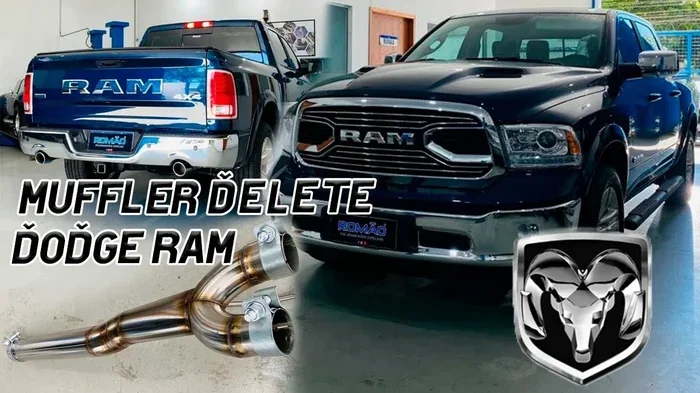
A mid muffler delete involves removing the middle section of your exhaust system, typically the muffler and sometimes the resonator. This modification changes how your Dodge sounds and can affect performance slightly. Many car enthusiasts choose this upgrade because it gives the vehicle a deeper, more aggressive exhaust note.
The mid muffler delete is different from a full exhaust delete. A full delete removes the entire muffler system from the catalytic converter back. A mid delete focuses on just the center section. This makes it a smaller, less invasive change. For Dodge truck and SUV owners, this modification is especially popular on models like the Durango, Challenger, and Charger.
Most muffler delete kits are bolt-on installations. This means no welding is required, and the work can often be done in a few hours. The kit replaces the factory muffler with a straight pipe or a performance pipe. Some kits include a resonator to keep the sound from becoming too loud on the highway.
Before you decide to install one, it is important to understand how this change interacts with your vehicle’s warranty. This is the number one concern among Dodge owners, and for good reason. A warranty claim denial can cost you thousands of dollars if you are not careful.
How Does a Mid Muffler Delete Affect Your Dodge Warranty?
The short answer is: it depends. A mid muffler delete does not automatically void your entire Dodge warranty. However, it can cause problems if the dealership believes the modification caused or contributed to a specific issue. Understanding how this works is essential before you make any changes to your exhaust.
Powertrain Warranty vs. Exhaust Modifications
Your Dodge warranty covers specific components of your vehicle. The powertrain warranty typically covers the engine, transmission, and drivetrain. The exhaust system is generally considered a wear item, similar to brake pads or tires. This means that normal wear and tear on the exhaust is not covered regardless of modifications.
However, if you install a mid muffler delete and then experience an engine problem, the dealership might try to link the two. For example, if your engine misfires and they find a modified exhaust, they may claim the change affected sensor readings or back pressure. This is where things get tricky.
What the Dealer Can and Cannot Do
Dealerships have the right to inspect your vehicle and determine if modifications are present. They can deny a warranty claim if they believe the modification caused the failure. But here is the key point: they must prove it. They cannot simply deny a claim because they see an aftermarket part.
Under federal law, the burden of proof falls on the manufacturer or dealer. They must show that the mid muffler delete directly caused the problem you are claiming. If they cannot provide evidence, they must honor the warranty. This is a critical distinction that many Dodge owners do not know about.
Common Warranty Issues Related to Exhaust Mods
Some of the most common issues that dealerships raise when you have a muffler delete include:
- Check engine light codes related to oxygen sensor readings
- Exhaust leak claims at the connection points
- Noise complaints from neighbors or during emissions testing
- Emissions test failures due to removed components
- Claims of altered back pressure affecting engine performance
Most of these issues can be avoided with proper installation and by keeping your stock parts. A clean, professional installation with quality components makes it much harder for a dealership to claim the modification caused a problem.
The Magnuson-Moss Warranty Act and Your Rights
The Magnuson-Moss Warranty Act is the most important piece of federal legislation protecting consumers who modify their vehicles. This law governs how manufacturers and dealers handle warranty claims when aftermarket parts are involved.
What the Magnuson-Moss Act Says
The Magnuson-Moss Act states that a manufacturer cannot void your entire warranty just because you used aftermarket parts. They can only deny coverage for the specific part or system that the aftermarket component directly damaged or caused to fail. This means if you have a mid muffler delete and your transmission fails, the dealer cannot use the exhaust modification as a reason to deny the transmission claim.
Here is how it works in practice:
- You have a Dodge warranty that covers your powertrain.
- You install a muffler delete kit on your exhaust.
- Your transmission develops a problem unrelated to the exhaust.
- The dealership cannot deny the transmission claim just because of the muffler delete.
This is a powerful protection for consumers. However, it only applies if the dealer cannot prove a direct connection between the modification and the failure. If the exhaust change somehow affected engine performance enough to cause transmission wear, the situation becomes more complicated.
How to Use the Magnuson-Moss Act to Your Advantage
Knowledge is power. When you visit the dealership for a warranty claim, be upfront about your modifications. Honesty goes a long way. If the dealer tries to deny your claim without proof, politely reference the Magnuson-Moss Act. You do not need to be aggressive, just informed.
Keep copies of your warranty booklet and any written communications with the dealership. If they deny a claim, ask for the denial in writing. This creates a paper trail that you can use if you need to escalate the dispute. The Federal Trade Commission enforces the Magnuson-Moss Act, and you can file a complaint if your rights are violated.
Common Misconceptions About Muffler Deletes and Warranty Claims
There is a lot of misinformation floating around about exhaust modifications and warranty coverage. Let us clear up some of the most common myths.
Myth 1: Any Aftermarket Part Voidsthe Warranty
This is simply not true. The Magnuson-Moss Act explicitly protects consumers from blanket warranty denial based on aftermarket parts. A mid muffler delete does not void your entire Dodge warranty. The dealer must prove the specific modification caused the specific problem.
Myth 2: Dealers Always Know About Modifications
Many Dodge owners worry that the dealership will discover the muffler delete during a routine service visit. In reality, unless the service advisor is specifically looking for exhaust modifications, they may not notice. A bolt-on muffler delete is easy to reverse. If you are concerned, you can reinstall the stock muffler before your service appointment.
Myth 3: A Muffler Delete Ruins Engine Performance
Some people believe that removing the muffler will hurt your engine. In most cases, a mid muffler delete actually improves exhaust flow slightly. This can result in a minor performance boost, especially on older Dodge models. However, the gains are usually small and more noticeable in sound than in horsepower numbers.
Myth 4: You Will Fail Emissions Testing
A mid muffler delete typically does not affect emissions equipment like the catalytic converter. As long as you keep the catalytic converter intact, most states will not flag your vehicle for emissions failures due to a muffler change. However, laws vary by state, so always check your local regulations before installing any exhaust modification.
What Happens If Your Dealership Denies a Warranty Claim?
Despite your best efforts, a dealership might still try to deny your warranty claim after a mid muffler delete. This is frustrating, but it is not the end of the road. You have several options to fight a wrongful denial.
Step 1: Get the Denial in Writing
Always ask for a written explanation of why your claim was denied. The dealer must provide a specific reason tied to the modification. Vague answers like “we do not honor warranties on modified vehicles” are not legally sufficient under the Magnuson-Moss Act.
Step 2: Review Your Warranty Documentation
Read through your Dodge warranty paperwork carefully. Look for any specific exclusions related to exhaust modifications. Most factory warranties do not mention muffler deletes specifically because they are bolt-on components that do not directly affect the engine or transmission.
Step 3: Escalate to the Manufacturer
If the dealership denies your claim unfairly, contact Dodge customer service directly. Explain the situation and reference the Magnuson-Moss Act. Manufacturers sometimes side with the consumer when a dealership oversteps its authority. You can also file a complaint with the Federal Trade Commission if needed.
Step 4: Seek Legal Advice if Necessary
In rare cases, you may need to consult a consumer rights attorney. This is usually a last resort, but it is an option if the manufacturer refuses to honor a valid warranty claim. Many attorneys offer free consultations for warranty disputes, and the Magnuson-Moss Act allows for attorney fees to be recovered if you win.
Tips Before You Install a Mid Muffler Delete
If you have decided to go ahead with a mid muffler delete, there are several steps you can take to protect your Dodge warranty and avoid headaches down the road.
1. Keep Your Stock Muffler and Parts
This is the single most important step. Store your factory muffler in a safe place. If you ever need to take your Dodge in for warranty service, you can quickly reinstall the stock part. This eliminates any question about whether the modification caused an issue.
2. Choose a Quality Muffler Delete Kit
Not all muffler delete kits are created equal. Invest in a reputable brand that fits your specific Dodge model. Poorly fitting kits can cause exhaust leaks, rattles, and sensor issues. These problems could give a dealership a legitimate reason to deny a claim, even if the modification itself is not the root cause.
3. Have the Installation Done Professionally
While many mid muffler delete kits are designed for DIY installation, having a professional do the work reduces the risk of errors. A clean installation with proper gaskets and hardware shows that the modification was done carefully and correctly.
4. Document Everything
Keep receipts for the kit, the installation, and any related purchases. Take photos before and after the install. This documentation can be invaluable if you ever need to dispute a warranty claim denial.
5. Check Your State Laws
Some states have strict noise and emissions regulations. Make sure your muffler delete complies with local laws. An illegal modification can lead to fines, and it may also complicate warranty claims if the dealership can prove the mod violates state law.
6. Be Honest with Your Dealer
Transparency is your best friend when dealing with warranty issues. If you have a mid muffler delete, let the service advisor know upfront. Honesty builds trust and makes it much harder for the dealer to claim you were deceptive about your modifications.
Quick Tips for a Smooth Experience
- Reinstall stock parts before scheduled warranty service visits
- Use OEM-quality gaskets and hardware during installation
- Avoid mixing cheap aftermarket sensors with your modified exhaust
- Keep a maintenance log to show the dealership you care for your vehicle
- Research your specific Dodge model year for known warranty issues before modifying
Is a Mid Muffler Delete Worth It?
After reading through all of this, you might be wondering if a mid muffler delete is worth the potential warranty risk. The answer depends on your priorities and how you handle the modification.
If you love the sound of a deeper, more aggressive exhaust and you take the right precautions, a mid muffler delete can be a great upgrade for your Dodge. The key is to be informed, be honest with your dealer, and keep your stock parts on hand.
Remember that the Magnuson-Moss Warranty Act is on your side. Dealers cannot simply void your entire warranty because of a bolt-on exhaust modification. They must prove a direct cause-and-effect relationship between the mod and the specific failure. Understanding this right puts you in a much stronger position.
On the other hand, if your Dodge is brand new and still under the full factory warranty, you might want to wait until the warranty expires before making any changes. This eliminates any risk of a claim denial altogether. Once the warranty is no longer in effect, you have complete freedom to modify your exhaust however you like.
Ultimately, the decision is yours. A mid muffler delete can transform the sound and feel of your Dodge. Just make sure you go into it with your eyes open and a plan to protect your warranty rights.
Take your time, do your research, and choose a quality kit from a trusted brand. Your Dodge will sound better, and you will have the peace of mind that comes from knowing you made an informed decision. A well-planned muffler delete is one of the most satisfying and reversible modifications you can make to your vehicle.
Frequently Asked Questions
Will a mid muffler delete void my entire Dodge warranty?
No, a mid muffler delete does not void your entire Dodge warranty. The Magnuson-Moss Warranty Act requires the dealer to prove that the modification directly caused the specific issue before they can deny a claim. Only the affected component or system can be denied coverage if the dealer can provide evidence of direct causation.
Can I reinstall my stock muffler before a warranty service visit?
Absolutely. Keeping your stock muffler and reinstalling it before visiting the dealership is one of the smartest things you can do. This removes any visible evidence of the modification and eliminates the possibility of a warranty claim denial based on exhaust changes.
Does a muffler delete affect emissions compliance?
A mid muffler delete typically does not affect emissions compliance as long as the catalytic converter remains intact. The muffler and resonator are not part of the emissions control system. However, laws vary by state, so always check your local regulations before making any exhaust modifications.
What is the Magnuson-Moss Warranty Act?
The Magnuson-Moss Warranty Act is a federal law that protects consumers from blanket warranty denials based on aftermarket parts. It requires manufacturers and dealers to prove that a specific modification caused a specific failure before they can deny a warranty claim. It applies to all consumer products with written warranties, including vehicles.
How much does a mid muffler delete kit cost?
A quality muffler delete kit typically costs between $100 and $400, depending on the brand and material. Professional installation usually adds another $100 to $200. This is a relatively affordable modification that can significantly change the sound and feel of your Dodge.
What Dodge models are most popular for a mid muffler delete?
The most popular Dodge models for a mid muffler delete include the Dodge Durango, Challenger, Charger, and Ram trucks. These vehicles have large, powerful engines that benefit from improved exhaust flow. The deeper exhaust note complements the aggressive sound of these performance vehicles.
Conclusion
Installing a mid muffler delete on your Dodge does not have to mean sacrificing your warranty. With the right knowledge and preparation, you can enjoy the improved sound and slight performance gains while staying protected under your Dodge warranty. The Magnuson-Moss Warranty Act gives you real, enforceable rights that prevent dealers from unfairly denying claims.
Keep your stock parts, document your installation, and always be honest with your dealership. These simple steps go a long way toward keeping your warranty intact. A muffler delete is a fun and rewarding modification, but it requires smart decision-making to avoid warranty headaches.
Now that you understand how mid muffler delete modifications interact with your warranty, you can make a confident choice. Whether you decide to install one now or wait until your warranty expires, the information in this guide puts you ahead of most Dodge owners. Take action today, protect your investment, and enjoy the ride with the sound and performance your Dodge deserves.
Frequently Asked Questions
What is Does a Mid Muffler Delete Void the Dodge Warranty?
Does a Mid Muffler Delete Void the Dodge Warranty is an important topic with many practical applications.