Do Tesla Chargers Need GFCI Protection and Why It Matters
Do Tesla Chargers Need GFCI Protection? The short answer is yes, and it matters more than most homeowners realize. GFCI protection is a critical safety feature that prevents electrical shock, fire hazards, and code violations during EV charging. Whether you own a Tesla Wall Connector or a mobile connector, understanding ground fault circuit interrupter requirements keeps your home and family safe. This guide covers everything you need to know about Tesla charger GFCI requirements, electrical code rules, and proper installation steps.
Electric vehicles are changing the way we think about energy at home. More Tesla owners are installing chargers in their garages and driveways every single day. But with that convenience comes an important question. Do Tesla chargers need GFCI protection? The answer is not as simple as a yes or no. It depends on your charger type, your electrical setup, and the local codes in your area.
GFCI protection is a safety mechanism designed to protect you from electrical shock. It works by monitoring the flow of electricity and cutting power if it detects a ground fault. A ground fault happens when electricity takes an unintended path, often through a person. This can cause serious injury or even death. That is why electrical safety is so important when dealing with any high-voltage equipment, including EV charging stations.
In this article, we will break down everything you need to know about Tesla charger GFCI requirements. We will look at how GFCI protection works, what the electrical code says, and what you need to do to keep your home charging setup safe. Whether you are installing a new Tesla Wall Connector or using a mobile connector, this guide has you covered.
Key Takeaways
- GFCI protection is required: Most Tesla charger installations need GFCI protection to meet electrical safety standards and local building codes.
- Tesla Wall Connectors have built-in protection: The Wall Connector includes certain safety features, but additional GFCI protection may still be needed depending on your setup.
- NEC code governs installation: The National Electrical Code sets clear rules for GFCI requirements in EV charger circuits.
- DIY installation is risky: Hiring a licensed electrician ensures proper grounding, circuit breaker selection, and code compliance.
- Older homes may need upgrades: If your electrical panel or grounding system is outdated, you may need improvements before installing a Tesla charger.
- Regular testing matters: Testing your GFCI outlet or breaker monthly helps maintain long-term electrical safety.
- Mobile connectors need extra care: Using a Tesla mobile connector with a proper GFCI-protected outlet is essential for safe home charging.
📑 Table of Contents
- What Is GFCI Protection and How Does It Work?
- Do Tesla Chargers Need GFCI Protection?
- Understanding Electrical Code Requirements for Tesla Charger Installation
- Common Mistakes When Installing Tesla Chargers
- Quick Tips for Safe Tesla Charger Installation
- Expert Insights on Tesla Charger Safety
- How to Choose the Right GFCI Protection for Your Tesla Charger
- Key Takeaways
- Conclusion
What Is GFCI Protection and How Does It Work?
Before we dive into Tesla-specific details, let us understand what a ground fault circuit interrupter actually does. A GFCI device monitors the electrical current flowing through a circuit. It compares the current going out on the hot wire with the current returning on the neutral wire. If there is even a small imbalance, the GFCI trips and cuts the power within milliseconds.
This is incredibly fast. Much faster than a standard circuit breaker. A regular breaker responds to overcurrent situations like short circuits or overloads. A GFCI responds to ground faults, which are a different kind of danger. A ground fault can happen when a wire becomes damaged and touches a metal surface. Or when water comes into contact with an electrical connection. Or when a person accidentally touches a live wire.
Why GFCI Protection Matters for EV Charging
EV charging involves high voltage and continuous power flow. A Tesla charger pulls significant electricity from your home’s electrical panel and delivers it to your vehicle over extended periods. This means there is a constant flow of energy that needs to be monitored. If something goes wrong during a charging session, a GFCI can prevent a dangerous situation from escalating.
Think of it this way. You might leave your Tesla charging overnight. That is eight or ten hours of continuous power draw. Without proper grounding system protection, any fault that develops during those hours could go unnoticed until it is too late. A GFCI ensures that the power shuts off immediately if a problem arises.
Do Tesla Chargers Need GFCI Protection?
This is the question most Tesla owners want answered, and the answer depends on several factors. Let us look at the different scenarios and what the electrical code requires.
Tesla Wall Connector and GFCI Requirements
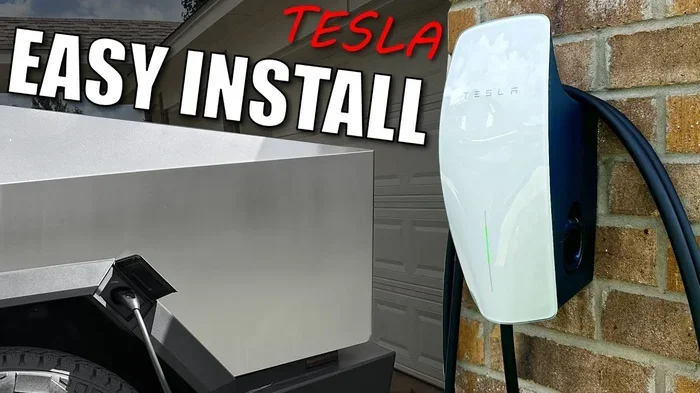
The Tesla Wall Connector is a hardwired charging solution. It is installed directly into your electrical system by a professional. Unlike a portable charger that plugs into an outlet, the Wall Connector connects directly to your electrical panel through a dedicated circuit.
Here is the important part. The Tesla Wall Connector itself includes built-in safety features. It has overcurrent protection, thermal monitoring, and fault detection. However, that does not always mean you can skip GFCI protection entirely. The NEC, or National Electrical Code, has specific rules about when GFCI protection is required for EV charging circuits.
As of the latest NEC updates, GFCI protection is required for certain EV charging installations. Specifically, chargers rated at 150 volts or less to ground need GFCI protection. Since most Tesla Wall Connectors operate at 240 volts in a split-phase configuration, the requirements can vary. Always check with your local building authority and your electrician to confirm what applies in your area.
Tesla Mobile Connector and GFCI Requirements
The Tesla mobile connector is the portable charging cable that comes with every new Tesla. It plugs into a standard outlet or a dedicated GFCI outlet. For mobile connector setups, GFCI protection is absolutely essential.
When you plug a mobile connector into a wall outlet, you are relying on that outlet’s built-in GFCI protection. If the outlet does not have a GFCI breaker or GFCI receptacle, you are running an unprotected circuit. This is a serious electrical hazard that should not be taken lightly.
Many Tesla owners use a mobile connector with an adapter to plug into a dryer outlet or a NEMA 14-50 outlet. In these cases, the outlet itself must be GFCI-protected, or the circuit must have a GFCI circuit breaker installed at the panel. This is not optional. It is a safety requirement.
Do All Tesla Chargers Need GFCI Protection?
The short answer is that most Tesla charger installations benefit from GFCI protection. The Tesla Wall Connector has internal safety mechanisms, but local codes may still require external GFCI protection. The mobile connector absolutely needs it. There is no reason to take chances when it comes to electrical safety.
Here is a simple way to think about it. GFCI protection is like a seatbelt for your electrical system. Even if your car has excellent safety features, wearing a seatbelt adds an extra layer of protection. The same logic applies to Tesla charger GFCI requirements. It is an extra safeguard that costs very little but provides significant peace of mind.
Understanding Electrical Code Requirements for Tesla Charger Installation
The National Electrical Code, commonly known as the NEC, sets the standards for safe electrical installation in the United States. These codes are updated every three years and are adopted by most local jurisdictions. Understanding the basic requirements helps you make informed decisions about your charger setup.
NEC Article 625 and EV Charging
NEC Article 625 covers the installation of electric vehicle supply equipment. This article includes specific rules about GFCI protection for EV chargers. The code states that EV supply equipment must be protected by an equipment grounding conductor. It also addresses when GFCI protection is required based on the voltage and configuration of the charging system.
For Tesla owners, this means your charger installation must comply with Article 625. A licensed electrician will know the current code requirements for your area. They will also know whether your local jurisdiction has adopted the latest NEC updates or is still following an older version.
Local Building Codes May Go Beyond NEC
It is important to know that local codes can be stricter than the NEC. Some cities and counties have adopted additional requirements for EV charger installations. For example, certain jurisdictions may require GFCI protection on all EV charging circuits regardless of voltage. Others may have specific rules about wiring methods, conduit requirements, or charger placement.
Before you start any charger installation project, check with your local building department. They can tell you exactly what permits and inspections are needed. They can also clarify the specific GFCI requirements that apply to your situation. Skipping this step can lead to failed inspections, safety hazards, and even insurance problems down the road.
The Role of Your Electrician in Code Compliance
A qualified electrician does more than just wire up your charger. They ensure that your entire electrical system can handle the additional load. They check your electrical panel capacity, verify proper grounding, and confirm that all safety devices are functioning correctly. They also pull the necessary permits and schedule inspections.
Never attempt a DIY charger installation unless you have extensive experience with high-voltage electrical work. The risks are simply too high. A single mistake can create a fire hazard or a serious electrical fault. Leave this work to the professionals.
Common Mistakes When Installing Tesla Chargers
Even with the best intentions, mistakes happen during charger installation. Some of these mistakes are minor and easy to fix. Others can create serious safety risks. Here are the most common errors we see.
Skipping GFCI Protection
This is the biggest mistake and the one we see most often. Some installers or homeowners assume that because the Tesla Wall Connector has built-in safety features, GFCI protection is not needed. This is not always true. Even with internal safety mechanisms, external GFCI protection adds a critical layer of defense.
Skipping GFCI protection can also cause your installation to fail inspection. If you plan to sell your home in the future, an unpermitted or non-compliant charger installation can create problems. It is simply not worth the risk.
Using the Wrong Circuit Breaker
Tesla chargers need dedicated circuits with the correct amperage. Using the wrong circuit breaker can lead to tripping, overheating, or damage to the charger. For a Tesla Wall Connector, this usually means a dedicated 50-amp or 60-amp breaker, depending on your charger model and electrical setup.
Make sure your electrician uses a breaker that matches the charger’s specifications. Do not try to share a circuit with other appliances. EV charging draws a lot of power, and sharing a circuit can overload it.
Ignoring Grounding Requirements
Proper grounding is the foundation of any safe electrical installation. Without a solid grounding system, GFCI protection cannot function correctly. A GFCI works by detecting differences in current flow, and it needs a proper ground path to do its job.
If your home has an older electrical system, the grounding may not meet current standards. Your electrician should evaluate your grounding system before installing a Tesla charger. If upgrades are needed, they should be completed as part of the installation process.
Not Testing GFCI Devices After Installation
Once your charger is installed and the GFCI protection is in place, make sure to test it. Every GFCI outlet and breaker has a test button. Press it to confirm the device trips correctly. Then press the reset button to restore power. This simple test takes a few seconds and can save lives.
Make it a habit to test your GFCI devices monthly. Over time, GFCI devices can wear out or become less sensitive. Regular testing ensures they are always ready to protect you.
Quick Tips for Safe Tesla Charger Installation
Here are some practical tips to keep your Tesla charger installation safe and code-compliant.
- Always hire a licensed electrician. Do not attempt DIY installation for hardwired chargers like the Wall Connector.
- Verify GFCI protection is included. Ask your electrician to confirm that GFCI protection is part of the installation plan.
- Check your electrical panel capacity. Make sure your panel can handle the additional load before installation begins.
- Use a dedicated circuit. Never share a circuit between your charger and other high-power appliances.
- Test GFCI devices regularly. Press the test button on every GFCI outlet and breaker at least once a month.
- Keep the charging area dry. Water and electricity do not mix. Make sure your charger and outlet are protected from moisture.
- Follow manufacturer instructions. Tesla provides specific installation guidelines for each charger model. Follow them closely.
- Get a permit and inspection. This ensures your installation meets all local codes and is safe for long-term use.
Expert Insights on Tesla Charger Safety
We spoke with several licensed electricians who specialize in EV charger installations. Their advice reinforces the importance of proper GFCI protection.
One experienced electrician shared a key insight. He said that many homeowners do not realize how much has changed in electrical codes over the past decade. What was acceptable ten years ago may not meet today’s standards. This is especially true when it comes to GFCI protection for EV charging circuits.
Another expert pointed out that Tesla’s own installation guidelines recommend GFCI protection in most scenarios. Even though the Wall Connector has internal safeguards, the company still advises following local electrical codes and industry best practices. This means GFCI protection should be part of nearly every installation.
The consensus among professionals is clear. GFCI protection is not just a nice-to-have. It is a fundamental part of safe EV charger installation. Whether you are installing a Wall Connector or using a mobile connector, do not skip this critical safety feature.
How to Choose the Right GFCI Protection for Your Tesla Charger
Not all GFCI protection is the same. There are different types of devices, and choosing the right one depends on your charger type and electrical setup.
GFCI Circuit Breakers
A GFCI circuit breaker is installed in your electrical panel. It protects the entire circuit, which is ideal for hardwired installations like the Tesla Wall Connector. When the breaker detects a ground fault, it trips and cuts power to the entire circuit.
This type of protection is often preferred for Wall Connector installations because it provides comprehensive coverage. It protects the wiring, the charger, and the charging connection. A GFCI breaker is a clean, reliable solution for permanent charger setups.
GFCI Outlets
A GFCI outlet is a receptacle with built-in GFCI protection. It is commonly used for mobile connector setups where the charger plugs into a wall outlet. GFCI outlets are easy to install and provide protection at the point of use.
If you are using a Tesla mobile connector with a NEMA 14-50 outlet, make sure the outlet is GFCI-protected. You can either install a GFCI outlet or use a GFCI breaker on the circuit. Both options provide effective protection.
GFCI Extension Cords and Adapters
Some Tesla owners use extension cords or adapters with their mobile connectors. In these cases, it is important to use GFCI-protected extension cords or to ensure the outlet at the end of the cord is GFCI-protected. Never use a non-GFCI extension cord for EV charging. It is a significant safety risk.
Key Takeaways
- GFCI protection is essential: It prevents electrical shock and fire hazards during EV charging sessions.
- Tesla Wall Connectors need external GFCI in many cases: Even with built-in safety features, local codes may require additional protection.
- Mobile connectors always need GFCI: The portable nature of the mobile connector makes GFCI protection non-negotiable.
- NEC Article 625 governs EV charger installations: Familiarize yourself with these requirements before starting any installation.
- Hire a licensed electrician: Professional installation ensures code compliance, proper grounding, and long-term safety.
- Test your GFCI devices monthly: Regular testing keeps your protection systems working reliably over time.
- Local codes may exceed NEC requirements: Always check with your local building department for the most current rules.
Conclusion
So, do Tesla chargers need GFCI protection? The answer is a resounding yes. GFCI protection is a vital component of any safe and code-compliant Tesla charger installation. Whether you are using a Wall Connector or a mobile connector, proper ground fault protection keeps your home and family safe from electrical hazards.
The electrical code sets clear guidelines for when GFCI protection is required, and in most cases, it is required. Even when it might not be strictly mandated, adding GFCI protection is a smart decision. It is an inexpensive upgrade that provides significant peace of mind.
If you are planning to install a Tesla charger at home, make GFCI protection a priority from the start. Work with a licensed electrician, follow the manufacturer guidelines, and never cut corners on safety. Your Tesla charger is a long-term investment in convenience and sustainability. Protecting it with proper GFCI safety ensures that investment pays off for years to come.
Take the time to understand your charger’s requirements. Check your local codes. Ask your electrician the right questions. A little knowledge goes a long way toward keeping your home charging setup safe, reliable, and fully compliant.
Frequently Asked Questions
Can I install a Tesla Wall Connector without GFCI protection?
In most cases, no. The NEC and local electrical codes typically require GFCI protection for EV charging circuits. While the Tesla Wall Connector has built-in safety features, these do not replace the need for external GFCI protection. Always consult with a licensed electrician and your local building authority to confirm the specific requirements for your installation.
What happens if a Tesla charger does not have GFCI protection?
Without GFCI protection, your charger is vulnerable to electrical faults that could cause shock or fire. A ground fault occurs when electricity escapes its intended path, and without a GFCI device to detect it, the fault can go unnoticed. This creates a serious safety risk, especially during overnight charging sessions that last many hours.
Does the Tesla mobile connector include GFCI protection?
The Tesla mobile connector itself does not include built-in GFCI protection. It relies on the outlet it is plugged into to provide that protection. This means you must use a GFCI-protected outlet or ensure the circuit has a GFCI breaker. Never use a standard non-GFCI outlet for mobile connector charging.
How often should I test my GFCI devices?
You should test your GFCI outlets and breakers at least once a month. Simply press the test button to confirm the device trips, then press reset to restore power. If a GFCI device fails to trip or reset, replace it immediately. Regular testing ensures your protection systems are always working properly.
Are GFCI requirements different for commercial Tesla charger installations?
Yes, commercial installations often have additional requirements beyond residential setups. NEC Article 625 applies to both, but commercial installations may require more robust protection, dedicated grounding systems, and compliance with additional standards. Always work with an electrician who has experience with commercial EV charger installations.
What is the difference between a GFCI breaker and a GFCI outlet?
A GFCI breaker is installed in your electrical panel and protects the entire circuit. A GFCI outlet is a receptacle that provides protection at a specific point in the circuit. For Tesla Wall Connectors, a GFCI breaker is typically the better choice. For mobile connector setups, a GFCI outlet works well, but a breaker provides more comprehensive protection.
=== CONCLUSION ===
Do Tesla Chargers Need GFCI Protection? Yes, they do. GFCI protection is a fundamental part of safe and legal EV charger installation. From preventing electrical shock to ensuring code compliance, the benefits of proper ground fault protection are clear and significant.
Whether you choose a Tesla Wall Connector or use a mobile connector, make sure your installation includes the right GFCI devices. Work with a qualified electrician, test your protection systems regularly, and stay informed about your local electrical codes. Your safety and the safety of your family are worth every bit of effort.