Can You Tow a Tesla Behind a Motorhome on Road Trips
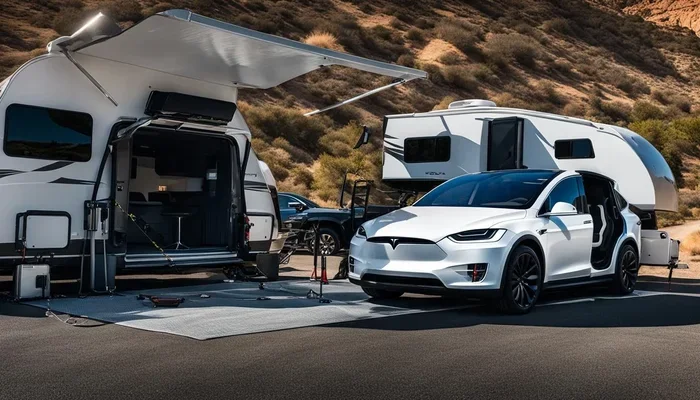
Can you tow a Tesla behind a motorhome? The answer depends on your Tesla model and the towing method you choose. Most Teslas cannot be flat-towed with all four wheels on the ground due to electric drivetrain risks, but you can safely tow them using a trailer or a dolly. This guide covers every method, rule, and tip you need for stress-free RV road trips with a Tesla.
Planning an epic road trip with your motorhome and a Tesla? You are not alone. More and more families are hitting the open road in recreational vehicles, and many of them are bringing their electric cars along for the adventure.
But here is the big question that stops a lot of people in their tracks: can you tow a Tesla behind a motorhome? The short answer is yes, but with important caveats. Not every towing method works, and not every Tesla model handles towing the same way.
This guide breaks down everything you need to know. We will cover towing rules, the safest methods, common mistakes, and practical tips to keep your Tesla safe and your road trip stress-free. Whether you drive a Model 3, Model Y, Model S, or Model X, this article has you covered.
Key Takeaways
- Flat towing is NOT recommended for most Tesla models because it can damage the electric drivetrain and transmission.
- Trailer towing is the safest method for all Tesla models, keeping all four wheels off the ground.
- Dolly towing works for some models but always check your specific Tesla owner manual first.
- Tesla Model 3, Model Y, Model S, and Model X each have different towing guidelines you must follow.
- Never tow a Tesla in neutral for extended distances without proper precautions.
- Speed limits and braking are important factors when towing any electric vehicle behind a motorhome.
- Plan charging stops carefully when road tripping with a Tesla and a motorhome.
📑 Table of Contents
Understanding Tesla Towing Rules
Before you hook up your Tesla to a motorhome, you need to understand the rules. Tesla has clear guidelines for each model, and they exist for a very good reason. Ignoring them can lead to serious and expensive damage.
What the Tesla Owner Manual Says
Every Tesla owner manual contains specific towing instructions. Tesla is very clear about which towing methods are safe and which are not. The company designed the electric drivetrain differently from a traditional combustion engine, so the rules are unique.
For most Tesla models, flat towing with all four wheels on the ground is a big no-no. Why? Because the electric motor is connected directly to the wheels. When the car is in motion and not powered on, the wheels spin the motor, which can overheat the system and cause internal damage.
Tesla recommends only two towing methods for their vehicles:
- Flatbed trailer towing — all four wheels are off the ground.
- Dolly towing — the front or rear wheels are lifted off the ground using a tow dolly.
Always, always read your specific model’s owner manual before towing. The rules can vary between the Tesla Model 3, Model Y, Model S, and Model X.
Which Tesla Models Can Be Towed Behind a Motorhome?
All four current Tesla models can be towed behind a motorhome — but only using the correct method. Here is a quick breakdown of what works for each model.
Tesla Model 3: This popular sedan cannot be flat-towed. You must use a flatbed trailer or a tow dolly. The Model 3 has a direct-drive electric motor on the front axle in rear-wheel-drive versions, and on both axles in all-wheel-drive versions. Either way, flat towing creates too much risk.
Tesla Model Y: Similar to the Model 3, the Model Y is a crossover SUV that cannot be flat-towed. Use a trailer or dolly. The all-wheel-drive system means both motors are active, making flat towing even riskier.
Tesla Model S: The Model S also cannot be flat-towed. Tesla explicitly states this in the owner manual. A flatbed trailer or dolly is required for safe transport behind a motorhome.
Tesla Model X: The Model X follows the same rules. No flat towing. Use a trailer or dolly. The Falcon Wing doors and the all-wheel-drive system make this model particularly vulnerable to towing damage.
The key takeaway here is simple: every Tesla model requires special towing care. Do not assume it works the same way as towing a gasoline-powered car.
Flat Towing vs. Dolly Towing vs. Trailer Towing
When people talk about motorhome towing rules, they usually mean one of three methods. Each method has pros and cons. Let us break them down so you can pick the right one for your Tesla.
Flat Towing (All Four Wheels Down)
Flat towing means pulling the car behind the motorhome with all four wheels on the road. This is the method many RVers use for gasoline cars because it is simple and requires no extra equipment besides a tow bar.
However, flat towing a Tesla is strongly discouraged and, in most cases, explicitly prohibited by Tesla. The electric motor generates electricity when the wheels spin. Without the car powered on, this energy has nowhere to go, which causes overheating and potential motor damage.
Some people wonder if putting the Tesla in neutral solves the problem. It does not. Tesla does not design their vehicles for flat towing, and doing so voids the warranty in many cases. Do not flat-tow your Tesla unless Tesla specifically approves it for your model.
Dolly Towing (Two Wheels Up)
Dolly towing uses a small trailer called a tow dolly. The front wheels (or rear wheels, depending on the setup) sit on the dolly, lifting them off the ground. The other two wheels remain on the road.
This method works well for some Teslas, but with important conditions. For front-wheel-drive Teslas, you would tow with the front wheels on the dolly. For rear-wheel-drive or all-wheel-drive Teslas, the setup becomes more complicated.
Here are the key rules for dolly towing a Tesla:
- Never exceed 55 mph (85 km/h) when dolly towing.
- Keep the distance under 50 miles (80 km) between stops if possible.
- Always engage the parking brake before loading the Tesla onto the dolly.
- Use proper tie-down straps to secure the vehicle to the dolly.
- Check Tesla’s official stance for your model before dolly towing.
Dolly towing is a popular choice for RV road trips because it is lighter and easier to store than a full trailer. But it is not risk-free, and you must follow the rules carefully.
Trailer Towing (All Wheels Off the Ground)
Trailer towing is the gold standard for Tesla towing behind a motorhome. A flatbed trailer lifts all four wheels off the ground completely. This eliminates every risk of drivetrain damage.
Trailer towing is the method Tesla recommends most strongly. It works for every model, every drivetrain configuration, and every road condition. The downside? Trailers are heavy, bulky, and reduce your motorhome’s fuel efficiency.
Here are the benefits of trailer towing:
- Zero risk of drivetrain damage. All wheels are completely off the ground.
- No speed or distance limits. You can drive as fast and as far as your motorhome can handle.
- Works for all Tesla models. Model 3, Model Y, Model S, and Model X all tow safely on a flatbed.
- Better for the brakes. The Tesla’s brakes do not wear down when the car is not touching the road.
If you plan on doing long road trips regularly, a flatbed trailer is the best investment you can make for towing your Tesla behind a motorhome.
Why Towing Rules Differ for Electric Cars
If you have towed a gasoline car behind an RV before, you might be surprised by the Tesla rules. Electric vehicles are fundamentally different from combustion engine cars, and those differences change everything about towing.
The Electric Drivetrain Factor
A gasoline car has a complex transmission with multiple gears, fluid, and clutch plates. When you tow a gasoline car in neutral, the transmission components do not spin because there is no direct mechanical connection to the wheels.
An electric car is much simpler. It has a single-speed electric drivetrain with no gears and no transmission fluid. The motor connects directly to the wheels. This means when the wheels turn, the motor turns too. That is great for driving, but it is a problem when you are towing.
Tesla motors are also part of the regenerative braking system. When the wheels spin, the motor acts as a generator. Without the car’s power system active, this generates current with nowhere to go, which can overheat the motor and battery management system.
Regenerative Braking and Transmission Concerns
Regenerative braking is one of Tesla’s smartest features. When you lift off the accelerator, the motor reverses direction and slows the car down while feeding energy back into the battery.
When you tow a Tesla with the wheels spinning, the motor tries to regenerate energy continuously. This creates excess heat. Over time, that heat can degrade the motor bearings, the inverter, and even the battery cells.
Tesla spent years engineering their drivetrain for efficiency, not for being towed. That is why the company has such strict towing guidelines. Respecting those guidelines keeps your warranty intact and your Tesla running smoothly for years.
Some newer Tesla models have a “tow mode” that partially addresses these concerns. But even with tow mode, flat towing is not recommended unless Tesla explicitly states it is safe for your specific model and configuration.
Road Trip Tips for Towing a Tesla Behind a Motorhome
Once you know the right towing method, you are ready to plan your trip. But there is more to think about than just hooking up the car. A few smart preparations make all the difference.
Preparing Your Tesla for Towing
Before you leave on your RV road trips, take a few minutes to prep your Tesla properly. This simple step can save you from headaches on the road.
First, make sure the Tesla is in the correct towing mode. Some models have a specific setting for transport and towing. Check your owner manual to find it. Second, release the parking brake if required for your towing method. Third, make sure the steering wheel is unlocked if the front wheels are on a dolly.
Here is a quick pre-tow checklist:
- Charge the Tesla battery to at least 50% before loading.
- Disable Sentry Mode and any active safety features.
- Set the tow mode according to Tesla’s instructions.
- Secure all loose items inside the car.
- Double-check all straps and connections before driving.
Speed Limits and Safety Considerations
Speed matters a lot when towing a Tesla behind a motorhome. Most towing guidelines recommend staying at or below 55 mph. This reduces wind resistance, brake wear, and strain on the tow equipment.
Also, keep in mind that a motorhome with a Tesla in tow has a much longer stopping distance. Leave extra space between you and the vehicle in front. Brake gently and early. The added weight changes how your motorhome handles on the road.
Weather conditions add another layer of complexity. High winds, rain, and mountain grades all affect towing safety. On steep downhill stretches, your motorhome brakes will work harder. Plan your routes to avoid long, steep descents when possible.
Charging and Range Planning
One of the best things about towing a Tesla on a motorhome trip is that the Tesla battery does not drain while on the trailer or dolly. You arrive at your destination with a full battery, ready to drive independently.
However, you still need to plan charging stops for your motorhome and your Tesla separately. Your motorhome has its own fuel or power needs. Your Tesla will need charging once you reach your destination or set up camp.
Use the Tesla navigation app to locate Superchargers along your route. Many RV parks and campgrounds now offer EV charging stations for electric vehicles, which is a huge advantage for road trippers.
Common Mistakes to Avoid
Even experienced RVers make mistakes when towing a Tesla for the first time. Here are the most common errors and how to avoid them.
- Assuming flat towing is safe. This is the number one mistake Tesla owners make. Flat towing almost every Tesla model can cause serious and costly damage.
- Ignoring the owner manual. Tesla updates their towing guidelines regularly. Always check the latest version for your specific model and year.
- Exceeding speed limits. Driving too fast while dolly towing puts extra stress on the Tesla’s wheels, brakes, and electrical system.
- Using the wrong tow equipment. Not all tow dollies and trailers work for every Tesla model. Make sure your equipment is rated for the weight of your specific Tesla.
- Forgetting to set tow mode. Leaving the Tesla in drive or park while towing can damage the parking mechanism and the drivetrain.
- Underestimating stopping distance. A motorhome with a Tesla in tow takes much longer to stop than a motorhome alone. Adjust your driving habits accordingly.
Avoiding these mistakes keeps your Tesla safe, your warranty intact, and your road trip enjoyable.
The Bottom Line
Can you tow a Tesla behind a motorhome? Absolutely yes — as long as you do it the right way. The safest and most recommended method is trailer towing on a flatbed. This keeps all four wheels off the ground and eliminates any risk of drivetrain damage.
Dolly towing is a good alternative for shorter trips, but you must follow the speed and distance limits carefully. Flat towing should be avoided for virtually all Tesla models unless Tesla explicitly approves it for your specific configuration.
Understanding your Tesla’s towing capacity and the electric vehicle towing guidelines is essential for every road trip. Take a few minutes to read your owner manual, choose the right equipment, and plan ahead.
The beauty of owning a Tesla and a motorhome together is the freedom it gives you. You can explore remote campgrounds, national parks, and off-grid destinations without worrying about range anxiety. Your Tesla charges while your motorhome runs, and you have two vehicles ready to go when you arrive.
So go ahead and plan that road trip. With the right setup and a little preparation, towing your Tesla behind your motorhome is not only possible — it is one of the best ways to explore the country in style.
Frequently Asked Questions
Can I flat tow my Tesla Model 3 behind a motorhome?
No, Tesla does not recommend flat towing the Model 3 with all four wheels on the ground. The electric drivetrain can overheat and sustain damage. Use a flatbed trailer or a tow dolly instead. Always check the latest owner manual for your specific model year.
What is the safest way to tow a Tesla behind a motorhome?
The safest method is trailer towing on a flatbed, which lifts all four wheels off the ground. This eliminates any risk of drivetrain damage, brake wear, or motor overheating. It is the method Tesla recommends most strongly for all their models.
Can I dolly tow a Tesla Model Y behind an RV?
Yes, dolly towing is an option for the Model Y, but you must follow Tesla’s guidelines carefully. Keep your speed under 55 mph, limit your distance between stops, and make sure the dolly is properly rated for the Model Y’s weight. Always set the tow mode before driving.
Does towing a Tesla behind a motorhome drain the battery?
No, towing a Tesla on a trailer or dolly does not drain the battery because the car is not in drive and the wheels are not powering the motor. You will arrive at your destination with the same battery level you started with, minus any small amount of auxiliary power used.
Do I need special equipment to tow a Tesla behind a motorhome?
Yes, you need either a flatbed trailer or a tow dolly rated for the weight of your Tesla model. A standard tow bar used for gasoline cars will not work safely. You should also have proper tie-down straps and, if dolly towing, a wiring harness for the dolly’s lights.
Will towing my Tesla void the warranty?
It can, if you tow using a method Tesla does not approve. Always follow the towing guidelines in your owner manual. Using an approved towing method like a flatbed trailer will not void your warranty. If you are unsure, contact Tesla customer support before your trip.