Will Toyota 6-Lug Wheels Fit a Chevy Truck for Sure
Toyota 6-lug wheels and Chevy 6-lug wheels both use a 6-bolt pattern, but they differ in bolt circle diameter, hub bore, and offset. In most cases, Toyota 6-lug wheels will not fit a Chevy truck directly without a wheel adapter. However, with the right adapter or aftermarket wheel selection, you can make it work safely and look great doing it.
So you have a set of Toyota 6-lug wheels sitting around, and you are wondering if they will work on your Chevy truck. Maybe you picked up a great deal at a swap meet, or you are thinking about swapping wheels between your Toyota and your Chevy. Whatever the reason, this is a question that comes up a lot in the truck world.
The short answer is: it depends. Toyota and Chevy both use 6-lug patterns, but the details matter a whole lot. The bolt circle diameter, hub bore, offset, and overall wheel specs can differ between the two brands. Let us break this down so you know exactly what you are dealing with.
Whether you drive a Chevy Silverado, a Chevy Tahoe, or another Chevy model, understanding wheel fitment is essential. Putting the wrong wheels on your truck can lead to safety issues, poor handling, and even damage to your suspension. This guide will walk you through everything you need to know about fitting Toyota 6-lug wheels on a Chevy truck.
Key Takeaways
- Bolt Pattern Matters: Toyota and Chevy use different 6-lug bolt patterns, which affects direct fitment.
- Adapters Can Help: A quality wheel adapter can bridge the gap between Toyota and Chevy bolt patterns safely.
- Hub Bore Is Critical: The center hole must match the Chevy hub or use a hub-centric ring for a proper fit.
- Offset and Width Matter: Wrong offset can cause rubbing, handling issues, or unsafe driving conditions.
- Aftermarket Options Exist: Many aftermarket wheels are designed to fit multiple truck brands with universal specs.
- Safety First: Always verify proper installation and torque specs before driving on new wheels.
📑 Table of Contents
- Understanding Bolt Patterns: Toyota vs. Chevy
- Can You Put Toyota 6-Lug Wheels on a Chevy Directly?
- How Wheel Adapters Make It Work
- Hub Bore and Centric Rings
- Offset and Wheel Width Considerations
- Aftermarket Wheel Options for Chevy Trucks
- Common Mistakes to Avoid
- Expert Insights on Wheel Compatibility
- Final Verdict: Will Toyota 6-Lug Wheels Fit a Chevy?
Understanding Bolt Patterns: Toyota vs. Chevy
The bolt pattern is the first thing you need to check. This is the arrangement of the lug bolts on the wheel. Both Toyota and Chevy trucks use 6 lug nuts, but the circle those bolts form is different.
Toyota 6-Lug Bolt Pattern
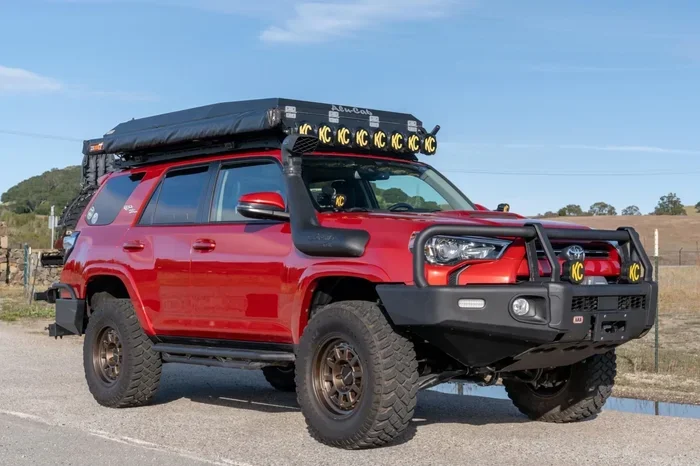
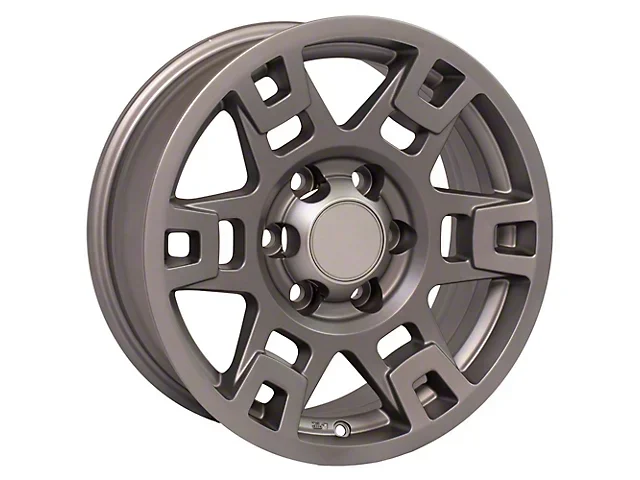
Most Toyota trucks and SUVs with 6 lugs use a 6×5.5 inch bolt pattern. This means the distance from the center of one bolt hole to the center of the opposite bolt hole is 5.5 inches. This pattern is found on popular models like the Toyota Tundra, Tacoma, and 4Runner.
If you have ever looked at Toyota 6-lug wheels for sale, you have probably seen this number listed. It is the standard for Toyota’s 6-lug lineup. Some older Toyota models used different patterns, but the 6×5.5 is the modern standard for their trucks and SUVs.
Chevy 6-Lug Bolt Pattern
Chevy trucks typically use a 6x135mm (about 6×5.31 inches) bolt pattern. This is found on the Chevy Silverado, Chevy Tahoe, Chevy Suburban, and other GM trucks. The pattern is slightly different from Toyota’s, which means the wheels do not line up the same way.
This is the main reason a direct swap does not work. Even though both trucks have 6 lug nuts, the circle they form is not the same size. You cannot just bolt a Toyota wheel onto a Chevy hub without some kind of workaround.
Can You Put Toyota 6-Lug Wheels on a Chevy Directly?
The honest answer is no, not without modification. Because the bolt patterns are different, a Toyota 6-lug wheel will not line up with the Chevy truck’s studs. The bolt holes will not match up, and you simply cannot push the wheel on and expect it to stay put.
Some people think that because both are 6-lug, they should just bolt right on. That is a common misconception. The bolt circle diameter is different, and forcing a wheel on that does not fit is dangerous. It can cause the wheel to be off-center, lead to vibrations, and in the worst case, cause the wheel to come off while driving.
Why Direct Fitment Fails
- Different Bolt Circle Diameter: Toyota uses 6×5.5 inches while Chevy uses 6x135mm. These are not interchangeable.
- Hub Bore Mismatch: The center hole of the wheel is sized for Toyota hubs, not Chevy hubs.
- Offset Differences: The wheel’s offset is designed for Toyota suspension geometry, not Chevy.
- Load Ratings: Toyota and Chevy trucks have different weight capacities, and wheels are rated accordingly.
If you are looking at a Toyota 4Runner or a Toyota Tundra and thinking about using those wheels on a Chevy, save yourself the trouble. They will not fit without an adapter. This is a common question among truck enthusiasts, and the answer is almost always the same: you need a workaround.
How Wheel Adapters Make It Work
The good news is that you are not completely out of luck. Wheel adapters are the most common way to fit Toyota 6-lug wheels on a Chevy truck. An adapter is a spacer that bolts to the Chevy hub and provides the correct bolt pattern for the Toyota wheel.
How Adapters Work
A wheel adapter bolts onto the Chevy truck’s studs first. It has the Chevy 6x135mm pattern on one side and the Toyota 6×5.5 pattern on the other side. You then mount the Toyota wheel onto the adapter, and it lines up perfectly. The adapter essentially bridges the gap between the two bolt patterns.
Adapters come in different thicknesses, usually ranging from 1 inch to 3 inches. The thickness you choose affects how far the wheel sticks out from the truck. This matters for clearance, handling, and overall looks.
Choosing the Right Adapter
- Quality Matters: Buy adapters from reputable brands. Cheap adapters can be a safety hazard.
- Correct Thickness: Measure your setup carefully. Too thick and the wheel may rub on the fender or suspension.
- Hub-Centric: Choose adapters that are hub-centric. This ensures the wheel sits perfectly centered on the hub.
- Bolt Grade: Make sure the adapter uses high-grade bolts and is rated for your truck’s weight class.
Using a wheel adapter is a proven method that many truck owners use successfully. Just make sure you have the adapter installed by a professional or follow the manufacturer’s torque specs exactly. A loose adapter is a serious safety risk.
Hub Bore and Centric Rings
Even if you use an adapter, the hub bore is another important factor. The hub bore is the center hole of the wheel that slips over the hub. Toyota wheels are designed for Toyota hub sizes, and Chevy wheels are designed for Chevy hub sizes.
If the center hole is too big, the wheel will not sit flush against the hub. This causes vibrations and an unsafe driving condition. To fix this, you use hub-centric rings. These are spacers that fill the gap between the wheel’s center hole and the Chevy hub.
Most quality adapters come with the correct hub-centric rings included. But it is always a good idea to double-check. When you are shopping for Toyota 6-lug wheels, look for wheels with a hub bore that can be adapted to fit Chevy trucks. Some aftermarket wheels are designed with a larger hub bore that works with multiple vehicles.
Why Hub Centricity Matters
- Vibration Reduction: A properly centered wheel eliminates vibrations at highway speeds.
- Even Wear: The wheel sits flush, so the tire wears evenly on all surfaces.
- Safety: A wheel that is not centered can wobble or come loose over time.
- Better Handling: Proper centricity improves steering response and overall ride quality.
Do not skip this step. Many people focus so much on the bolt pattern that they forget about hub bore. Both need to be right for a safe and smooth ride. This is especially important for trucks that carry heavy loads or tow trailers. If you are interested in towing capacity, check out how a Toyota Tacoma handles towing to understand the importance of proper wheel and hitch setup.
Offset and Wheel Width Considerations
Offset is how far the wheel sits in relation to the truck’s fender and suspension. It is measured in millimeters and can be positive, negative, or zero. When you put Toyota wheels on a Chevy truck, the offset may be different from what the Chevy suspension expects.
A wrong offset can cause several problems. The wheel might stick out too far and rub on the fender. Or it might sit too far inside and rub on the suspension components. Both situations are dangerous and can damage your truck.
Finding the Right Offset
Before buying Toyota 6-lug wheels for your Chevy, check the offset specs. You want a wheel that fits within the Chevy truck’s clearance limits. Here is what to look for:
- Backspacing: Measure the distance from the wheel’s mounting surface to the back edge. More backspace means the wheel sits further in.
- Protrusion: Measure how far the wheel sticks out from the fender. You need enough clearance for turns and suspension movement.
- Tire Size: Larger tires may need more clearance. Make sure the combined wheel and tire setup fits properly.
Many aftermarket wheel manufacturers list the compatible bolt patterns and offsets for multiple truck brands. This makes it easier to find a Toyota 6-lug wheel that also works on a Chevy. Some universal or multi-fit wheels are designed specifically to bridge the gap between Toyota and Chevy specs.
Quick Tips for Offset Selection
- Stick with the factory offset range for your Chevy model.
- Use a wheel fitment calculator before purchasing.
- Test fit the wheel before fully torquing down the lug nuts.
- Consider a smaller adapter thickness if you are close on clearance.
Aftermarket Wheel Options for Chevy Trucks
If you are set on the look of a Toyota 6-lug wheel but want a hassle-free fit, consider aftermarket wheels designed for Chevy trucks. Many aftermarket manufacturers offer wheels in the Chevy 6x135mm pattern that mimic the style of Toyota wheels.
These aftermarket options give you the look you want without needing an adapter. They are designed from the ground up to fit Chevy trucks with proper hub bore, offset, and load ratings. You get the best of both worlds: great style and perfect fitment.
Some popular aftermarket brands offer wheels that fit both Toyota and Chevy trucks. These universal-fit wheels are becoming more popular among truck enthusiasts who own multiple vehicles or like to swap wheels between trucks. If you want to learn more about Toyota truck longevity and how wheel choices can affect maintenance, check out this guide on how long a Chevy Tahoe can last for insights on long-term truck ownership.
Benefits of Aftermarket Wheels
- Direct Fit: No adapter needed. Bolt right on and go.
- Wide Selection: Many styles, finishes, and sizes to choose from.
- Proper Load Ratings: Rated for Chevy truck weight and towing capacity.
- Warranty Support: Most aftermarket brands offer warranties on their wheels.
- Better Resale: Popular aftermarket wheels hold their value well.
When shopping for aftermarket wheels, make sure to verify the bolt pattern, hub bore, and offset for your specific Chevy model. A Silverado may have slightly different specs than a Tahoe, even though both are Chevy trucks. Always double-check the part number and compatibility before making a purchase.
Common Mistakes to Avoid
Swapping wheels between Toyota and Chevy trucks is not as simple as it looks. Many people make mistakes that lead to safety issues or wasted money. Here are the most common errors to avoid.
Assuming All 6-Lug Wheels Are the Same
This is the biggest mistake. Just because both trucks have 6 lug nuts does not mean the wheels are interchangeable. The bolt circle diameter, hub bore, and offset all differ. Always verify the specs before buying.
Skipping the Adapter Quality Check
Not all wheel adapters are created equal. Cheap adapters made from low-grade materials can crack under load. This is especially dangerous for a heavy truck like a Chevy Silverado or Tahoe. Invest in a quality adapter from a trusted brand.
Ignoring Torque Specs
Every wheel and adapter has specific torque specifications. Over-tightening or under-tightening can be dangerous. Use a torque wrench and follow the manufacturer’s guidelines. Never guess when it comes to lug nut tightness.
Forgetting About Tire Pressure Monitoring
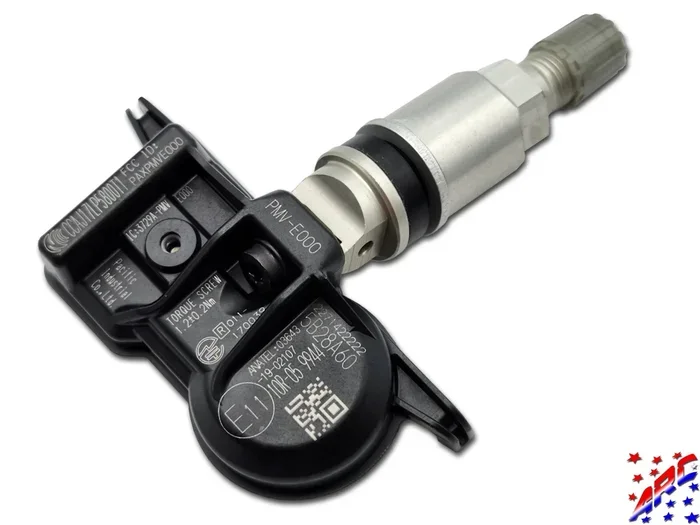
Some Chevy trucks have tire pressure monitoring systems (TPMS) that are sensitive to wheel changes. After swapping wheels, make sure your TPMS sensors are functioning properly. A false reading can lead to poor fuel economy or unsafe driving conditions.
Not Test-Fitting Before Driving
Always test-fit the wheel before you drive anywhere. Check for clearance issues, proper seating, and any rubbing points. Drive slowly and carefully on the first few miles to make sure everything feels right.
Expert Insights on Wheel Compatibility
According to automotive experts, wheel compatibility between brands requires careful attention to detail. The bolt pattern is just the starting point. Hub bore, offset, load rating, and adapter quality all play a role in a safe and successful wheel swap.
Professional mechanics recommend always consulting the vehicle’s owner manual or a wheel fitment guide before making any changes. If you are unsure, visit a tire shop or wheel specialist. They can measure your setup and recommend the right wheels or adapters for your Chevy truck.
Many truck owners who successfully swap Toyota 6-lug wheels onto their Chevy trucks report positive results when they follow the right steps. The key is to take your time, do the research, and never compromise on quality. Whether you are looking for a specific aesthetic or trying to make use of spare wheels you already own, the right approach makes all the difference.
If you are also curious about how long your Chevy truck can last with proper maintenance, this guide on Chevy Tahoe longevity offers valuable insights on maximizing the life of your vehicle through proper care and part selection.
Final Verdict: Will Toyota 6-Lug Wheels Fit a Chevy?
So, will Toyota 6-lug wheels fit a Chevy truck for sure? The answer is no, not without some help. The bolt patterns are different, the hub bores do not match, and the offsets are not the same. A direct bolt-on is not possible in most cases.
However, with a quality wheel adapter and the right hub-centric rings, you can make it work safely and effectively. Many truck owners have done this successfully. The key is to choose the right adapter, verify all measurements, and follow proper installation procedures.
If you want a hassle-free option, consider aftermarket wheels that are designed specifically for Chevy trucks but offer the style you love from Toyota. Either way, do your homework before making a purchase. The right wheel setup enhances the look, performance, and safety of your Chevy truck.
Take the time to measure, research, and consult with experts. Your truck deserves wheels that fit perfectly and keep you safe on the road. Whether you are hauling cargo, towing a trailer, or just cruising around town, the right wheels make all the difference.
For more information on Toyota truck parts and compatibility, explore our Toyota Tundra guide for additional insights on truck specifications and part compatibility.
Frequently Asked Questions
Can I use a Toyota 6-lug wheel adapter on a Chevy Silverado?
Yes, a wheel adapter designed for Toyota 6×5.5 to Chevy 6x135mm will work on a Silverado. Make sure the adapter is rated for the Silverado’s weight class and follow the manufacturer’s torque specs for safe installation.
Are Toyota 6-lug wheels stronger than Chevy 6-lug wheels?
Not necessarily. Wheel strength depends on the material, manufacturing process, and load rating. Both Toyota and Chevy OEM wheels are engineered for their respective trucks. Aftermarket wheels vary widely in quality and strength regardless of brand origin.
Do I need a torque wrench when installing wheel adapters?
Yes, absolutely. A torque wrench ensures that the adapter and lug nuts are tightened to the correct specification. Over-tightening can damage studs, and under-tightening can cause the wheel to come loose. Always use a torque wrench for safety.
Will Toyota 6-lug wheels affect my Chevy truck’s warranty?
Aftermarket wheel adapters and non-OEM wheels may affect certain warranty claims, especially if a problem is linked to the wheel change. Check with your Chevy dealer or warranty provider before making modifications to understand your coverage.
Can I put larger tires on Toyota 6-lug wheels mounted on a Chevy truck?
You can, but you need to ensure proper clearance. The wheel offset, tire size, and adapter thickness all affect whether a larger tire will fit without rubbing. Measure your setup carefully and consult a fitment guide before upgrading tire size.
How much does a quality wheel adapter cost for Toyota to Chevy fitment?
A quality wheel adapter typically costs between $100 and $300 depending on the brand, thickness, and load rating. Investing in a reputable brand is worth it for safety and durability. Avoid cheap no-name adapters that may compromise your truck’s handling and safety.