Do Toyota TPMS Sensors Really Need to Be Programmed
Do Toyota TPMS need to be programmed? The short answer is yes, in most cases. Toyota TPMS sensors require proper programming and registration when replaced or rotated. Understanding how your tire pressure monitoring system works can save you time, money, and unnecessary trips to the dealer.
Have you ever replaced a tire on your Toyota only to be greeted by a flashing tire pressure warning light on the dashboard? It is frustrating, confusing, and honestly a bit scary if you are not sure what is going on. Many Toyota owners find themselves asking the same question: do Toyota TPMS sensors really need to be programmed?
The truth is, Toyota TPMS systems are more sophisticated than most people realize. These sensors do more than just tell you when your tire pressure is low. They communicate directly with your vehicle’s computer system, and each sensor has a unique ID that must be registered. If you skip the programming step, you could end up with a persistent warning light, inaccurate readings, or even a failed inspection.
In this guide, we will walk you through everything you need to know about Toyota TPMS programming. Whether you are a DIY enthusiast or someone who prefers to leave car maintenance to the professionals, this article has you covered. We will explain how the system works, when programming is needed, and what happens if you skip it.
Key Takeaways
- Toyota TPMS sensors must be programmed: New sensors need registration with the vehicle’s ECU to function correctly.
- Two types exist: Direct and indirect TPMS systems require different programming approaches.
- DIY programming is possible: With the right tools, you can program sensors at home.
- Battery life matters: TPMS sensors have a limited lifespan, typically around 5 to 10 years.
- Visit a Toyota dealership for complex issues: Some programming tasks require professional equipment.
- Resetting is not the same as programming: Understanding the difference prevents costly mistakes.
📑 Table of Contents
- What Is a Toyota TPMS and How Does It Work?
- Do Toyota TPMS Sensors Really Need to Be Programmed?
- Types of Toyota TPMS Programming Methods
- How to Program Toyota TPMS Sensors
- Common Toyota TPMS Problems and Solutions
- When Should You Visit a Professional for Toyota TPMS Programming?
- How Much Does Toyota TPMS Programming Cost?
- Tips to Keep Your Toyota TPMS System in Good Shape
- Frequently Asked Questions About Toyota TPMS Programming
- Final Thoughts
What Is a Toyota TPMS and How Does It Work?
Before we dive into programming, let us cover the basics. TPMS stands for Tire Pressure Monitoring System. It is a safety feature in your Toyota that keeps an eye on the air pressure inside your tires. When pressure drops below the recommended level, the system alerts you through a warning light on the dashboard.
Toyota vehicles use one of two types of TPMS: direct or indirect. Both systems serve the same purpose but work in very different ways.
Direct TPMS
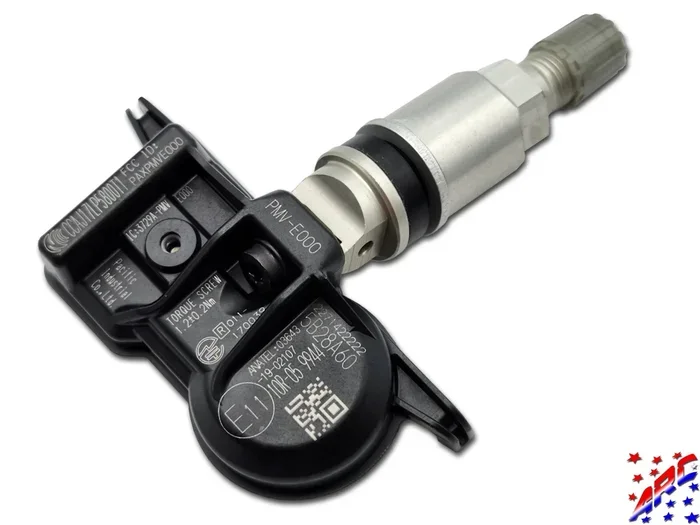
Direct TPMS uses a small sensor inside each tire, usually mounted on the valve stem. This sensor measures the actual air pressure and sends a wireless signal to your vehicle’s TPMS module. If the pressure drops by 25 percent or more below the recommended level, the warning light comes on.
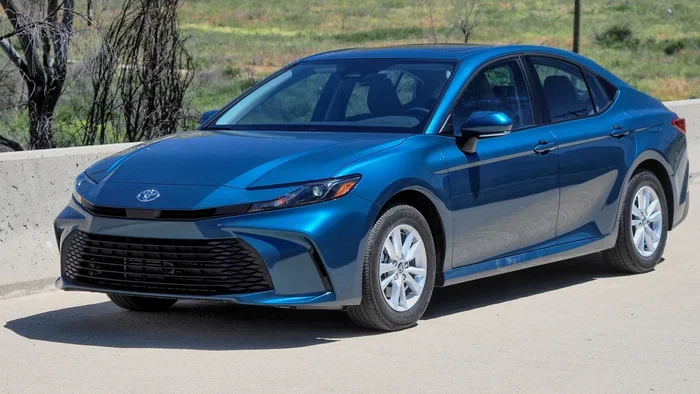
Most newer Toyota models, including the Toyota Camry and Toyota RAV4, use direct TPMS. These sensors are battery-powered and typically last between 5 and 10 years before the battery dies.
Indirect TPMS
Indirect TPMS does not use physical pressure sensors inside the tires. Instead, it relies on the wheel speed sensors that are already part of your anti-lock braking system (ABS). When a tire is underinflated, its rolling diameter changes slightly, which affects its rotational speed. The system detects this change and triggers the warning light.
Some older Toyota models and base trims use indirect TPMS. While this system is simpler, it has limitations. For example, it cannot detect if all four tires are losing pressure at the same rate.
Do Toyota TPMS Sensors Really Need to Be Programmed?
Now for the big question. Do Toyota TPMS sensors really need to be programmed? Yes, they do, and here is why.
Every Toyota TPMS sensor has a unique identification number. When you install a new sensor, the vehicle’s ECU (Engine Control Unit) does not automatically recognize it. The sensor must be programmed and registered so the computer knows which sensor belongs to which wheel. Without this step, the system cannot interpret the data correctly.
Programming is required in several situations:
- You have replaced one or more TPMS sensors
- You have rotated your tires and the sensors moved to different positions
- You have installed aftermarket TPMS sensors
- You replaced a wheel or rim and transferred the sensor
- The battery in the TPMS sensor has died and you installed a new sensor
Skipping the programming step will almost always result in a persistent tire pressure warning light. In some cases, the system may display an error message or fail to provide readings for certain tires.
What Happens If You Do Not Program Your TPMS?
Some Toyota owners wonder if they can just ignore the programming step and reset the light. While resetting might temporarily turn off the warning, the underlying issue remains. The vehicle’s computer does not recognize the new sensor, which means:
- The warning light may come back after a few driving cycles
- The system may display incorrect pressure readings
- Your vehicle might not pass a safety or emissions inspection
- You could miss real pressure alerts, putting your safety at risk
Bottom line, programming is not optional. It is a necessary step to ensure your tire pressure monitoring system works as designed.
Types of Toyota TPMS Programming Methods
Toyota uses several methods to program TPMS sensors depending on the model year and system type. Let us break them down.
OBD-II Programming
Most modern Toyota vehicles use OBD-II (On-Board Diagnostics) programming. This method requires an OBD scanner that is compatible with Toyota TPMS. You plug the scanner into the diagnostic port, usually located under the steering column, and follow the on-screen prompts.
The scanner communicates with the ECU and registers the new sensor IDs. This method is reliable and works with both direct and indirect TPMS systems. Many Toyota dealerships and independent repair shops use this approach.
Manual Sensor Programming
Some older Toyota models require manual programming. In this method, you activate each sensor using a handheld programming tool and then register it with the vehicle. This process is more time-consuming but does not always require expensive diagnostic equipment.
You can find aftermarket TPMS programming tools designed for DIY use. These tools range from basic handheld devices to more advanced scanners that support multiple vehicle brands.
Auto-Learn or Auto-Reset Method
A few Toyota models feature an auto-learn function. After installing new sensors, you simply drive the vehicle at a steady speed for a few minutes. The system automatically learns the sensor IDs and registers them. However, this method is not available on all Toyota models, so always check your owner’s manual first.
How to Program Toyota TPMS Sensors
If you are comfortable working on your vehicle, you can program Toyota TPMS sensors yourself. Here is a general overview of the process.
What You Will Need
- A TPMS-compatible OBD scanner or programming tool
- The new TPMS sensors (make sure they are compatible with your Toyota model)
- Your vehicle owner’s manual
- A reliable tire pressure gauge
Step-by-Step Process
- Check tire pressure: Make sure all tires are inflated to the recommended level before starting.
- Install the new sensors: Remove the old sensors and mount the new ones on the correct wheels.
- Connect the scanner: Plug your OBD scanner into the diagnostic port.
- Navigate to TPMS programming: Follow the scanner menu to access the TPMS registration function.
- Activate each sensor: The scanner will prompt you to activate each sensor one by one, usually by driving or using a magnet.
- Register the sensors: The scanner sends the sensor IDs to the ECU for registration.
- Clear the warning light: Once programming is complete, clear the tire pressure warning light.
- Test the system: Drive the vehicle and confirm the warning light stays off and readings are accurate.
Quick Tip: Always refer to your specific Toyota model’s service manual for exact instructions. The process can vary between the Toyota Camry, Toyota RAV4, Toyota Corolla, and other models.
Can You Use ToyotaCare for TPMS Programming?
If you are a ToyotaCare member, you might wonder if TPMS programming is covered. ToyotaCare typically includes maintenance services like oil changes and tire rotations. However, TPMS sensor programming is usually considered a repair service rather than routine maintenance. If you have your Toyota serviced at a Toyota dealership, they can program the sensors for you, but it may not be included in the ToyotaCare plan.
Common Toyota TPMS Problems and Solutions
Toyota TPMS systems are reliable, but they are not immune to problems. Here are some of the most common issues owners face and how to fix them.
TPMS Warning Light Stays On After Programming
If the warning light remains on after programming, the most common cause is incomplete sensor registration. Try re-running the programming process with your scanner. Make sure each sensor is activated and registered in the correct wheel position.
Another possibility is a faulty sensor. If one sensor is defective, the system may reject it during programming. In this case, you will need to replace the sensor and try again.
TPMS Light Flashes Then Stays Solid
A flashing TPMS light followed by a solid light usually indicates a system malfunction. This can happen when the ECU fails to communicate with one or more sensors. Check for damaged sensors, dead batteries, or interference from aftermarket wheels.
Inaccurate Pressure Readings
Sometimes, the TPMS system displays readings that do not match a manual gauge check. This can happen if the sensors are not calibrated correctly after programming. Reprogramming the sensors or resetting the system often resolves this issue.
TPMS Sensor Battery Failure
TPMS sensors run on small batteries that cannot be replaced. When the battery dies, the entire sensor must be replaced. Most sensors last 5 to 10 years, so if your Toyota is getting older, keep this in mind. A dead battery will trigger the warning light and the sensor will need programming after replacement.
When Should You Visit a Professional for Toyota TPMS Programming?
While DIY programming is possible, there are times when professional help is the better choice. You should consider visiting a Toyota dealership or qualified mechanic if:
- You do not have access to a compatible OBD scanner
- Multiple sensors need replacement at once
- The TPMS system has a deeper electrical issue
- Your vehicle model requires dealer-level diagnostic tools
- You have tried programming but the system still shows errors
If you are wondering whether you can take your Toyota to any dealership for this service, the answer is generally yes. Toyota dealerships have the specialized equipment and trained technicians to handle TPMS programming for all Toyota models. However, you can also visit a trusted independent shop that has the right diagnostic tools.
For those who live in areas where visiting a dealership is not convenient, many tire shops now offer TPMS programming services as part of their tire installation packages. This can be a quick and affordable option.
How Much Does Toyota TPMS Programming Cost?
The cost of Toyota TPMS programming varies depending on where you go and what needs to be done. If you are simply programming new sensors you already purchased, the cost is usually minimal. Many tire shops will program sensors for free if you bought them from them.
If you need a full TPMS service at a dealership, expect to pay between $50 and $150 for the programming labor alone. If sensors need to be replaced, the total cost can range from $100 to $300 per sensor, depending on the model and whether you choose OEM or aftermarket parts.
Some owners ask whether they can reprogram a used Toyota key fob to a different car as a comparison point. While key fob reprogramming is a different process, it shares a similar principle: the vehicle’s computer must be trained to recognize a new component. Both tasks require specific tools and knowledge.
Tips to Keep Your Toyota TPMS System in Good Shape
Taking care of your TPMS system can extend its life and prevent unexpected issues. Here are some practical tips:
- Check tire pressure regularly: Use a manual gauge at least once a month. Do not rely solely on the TPMS warning light.
- Replace sensors before the battery dies: If your Toyota is over 7 years old, consider proactively replacing TPMS sensors to avoid being stranded with a dead battery.
- Use OEM or quality aftermarket sensors: Cheap sensors may not program correctly or could fail prematurely.
- Keep your spare tire in check: Some Toyota models have TPMS sensors in the spare tire as well. Do not forget about it.
- Reset the system after tire rotations: Even if the sensors do not need replacement, resetting the system after rotating tires helps maintain accuracy.
Proper TPMS maintenance is a small effort that pays off in safety and peace of mind. A well-functioning tire pressure monitoring system helps you avoid blowouts, improve fuel economy, and get the most life out of your tires.
Frequently Asked Questions About Toyota TPMS Programming
Can I drive my Toyota with the TPMS light on?
You can drive short distances with the TPMS light on, but it is not recommended. The light indicates that your system is not functioning properly, which means you could be driving with incorrect tire pressure. Low tire pressure reduces fuel efficiency, causes uneven tire wear, and increases the risk of a blowout. Get the system checked and programmed as soon as possible.
How long does Toyota TPMS programming take?
Programming typically takes about 10 to 30 minutes at a dealership or tire shop. If you are doing it yourself with an OBD scanner, it may take a bit longer as you get familiar with the process. The time can vary depending on your Toyota model and how many sensors need programming.
Can I use aftermarket TPMS sensors on my Toyota?
Yes, aftermarket TPMS sensors are compatible with most Toyota models. However, you must ensure the aftermarket sensors are compatible with your specific year and trim. Aftermarket sensors still need to be programmed and registered with the ECU, just like OEM sensors. Always choose a reputable brand to ensure reliability.
Do I need to reprogram TPMS after a battery replacement?
If the battery replacement refers to your Toyota’s 12-volt battery, no, TPMS programming is not affected. However, if a TPMS sensor battery has died and you replaced the entire sensor, yes, you must program the new sensor. The ECU needs to learn the new sensor’s ID for the system to work correctly.
Why does my TPMS light come on even after programming?
This can happen if a sensor was not registered correctly, if there is a system glitch, or if one of the sensors is defective. Try resetting the system and reprogramming the sensors. If the light persists, have a professional scan the system for trouble codes. Sometimes the issue is related to the ABS wheel speed sensors rather than the TPMS itself.
Is Toyota TPMS programming covered under warranty?
If your Toyota is still under the factory warranty, TPMS sensor replacement may be covered. However, programming labor is sometimes not included. Check your warranty terms or speak with a Toyota service advisor. If your vehicle has an extended warranty or ToyotaCare plan, coverage details may vary.
Final Thoughts
So, do Toyota TPMS sensors really need to be programmed? Absolutely. Programming is an essential step that ensures your tire pressure monitoring system works correctly and keeps you safe on the road. Whether you choose to do it yourself with an OBD scanner or visit a Toyota dealership, never skip this important maintenance task.
Understanding your Toyota’s TPMS system empowers you to take better care of your vehicle. You will catch pressure issues early, avoid unnecessary warning lights, and get the most out of your tires. Next time you replace a sensor or rotate your tires, remember to program the system. Your Toyota, and your safety, will thank you for it.
Take a few minutes to familiarize yourself with your owner’s manual and the TPMS location on your specific Toyota model. A little knowledge goes a long way when it comes to keeping your vehicle running at its best. Stay proactive, stay informed, and keep those tires properly inflated.