Did Lee Greenwood Dodge the Draft During Vietnam War
Did Lee Greenwood dodge the draft? This is a question many fans and critics have asked over the years. The country music star behind “God Bless the USA” was of draft age during the Vietnam War era. Lee Greenwood received a draft deferment rather than serving in combat. His military classification and personal circumstances shaped his path away from the battlefield.
Did Lee Greenwood dodge the draft during Vietnam? This question has followed the country music legend for decades. Fans want to know the truth about his military service history. The answer is more nuanced than a simple yes or no. Lee Greenwood’s story involves the complex world of draft classifications, deferments, and personal circumstances during one of America’s most divisive conflicts.
The Vietnam War draft affected millions of young American men. It shaped careers, families, and entire generations. Lee Greenwood was one of those men who reached draft age during this turbulent time. His path away from combat service has sparked curiosity and debate. In this article, we will explore every angle of this fascinating topic. You will learn about the draft system, Greenwood’s specific situation, and how it influenced his life and career.
Key Takeaways
- Lee Greenwood was classified as draft-eligible during the Vietnam War era. He was born in 1942, placing him right in the age range for the draft.
- He received a medical or occupational deferment. This allowed him to avoid compulsory military service during the conflict.
- The draft during Vietnam was highly controversial. Many Americans opposed the war and the system used to select who served.
- Greenwood’s draft status became a topic of public discussion. Fans and critics alike have debated what his classification meant.
- He later embraced military themes in his music career. Songs like “God Bless the USA” reflect deep patriotism and support for the armed forces.
- Understanding the Vietnam draft helps contextualize Greenwood’s choices. The system was complex and affected millions of young men.
- Lee Greenwood has addressed his draft status publicly in interviews. He has shared his perspective on patriotism and service.
📑 Table of Contents
- Who Is Lee Greenwood?
- The Vietnam War Draft: What You Need to Know
- Did Lee Greenwood Dodge the Draft?
- Lee Greenwood’s Draft Classification
- How the Vietnam Draft Affected Country Music
- Public Reaction to Lee Greenwood’s Draft Status
- Lee Greenwood’s Legacy and Patriotism
- Common Misconceptions About Lee Greenwood and the Draft
- Expert Insights on Draft Deferments During Vietnam
- Key Takeaways
- Conclusion
Who Is Lee Greenwood?
Lee Greenwood is a country music singer, songwriter, and patriot. He was born on October 27, 1942, in South Gate, California. His birth name is Melvin James Greenwood. He later adopted the stage name Lee Greenwood, which became synonymous with American pride.
Greenwood is best known for his hit song “God Bless the USA.” This anthem became a staple at patriotic events, sporting games, and national celebrations. The song resonates deeply with many Americans. It captures a sense of love for the country that few other songs can match.
Beyond his music, Greenwood has had a colorful personal life. He has been married multiple times. He has also been involved in various business ventures. But it is his military connections and draft history that often draw the most attention. Fans want to know if their patriotic hero served his country in uniform.
The Vietnam War Draft: What You Need to Know
How the Draft System Worked
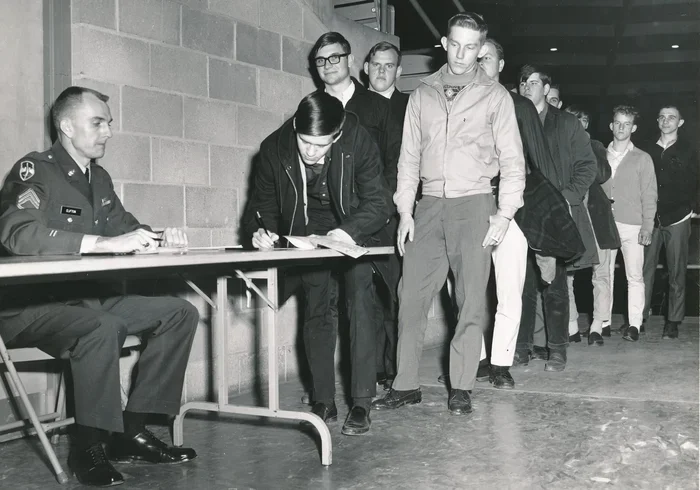
The Vietnam War draft was a lottery-based system. It selected young men for military service during the conflict. The Selective Service System managed this process. All men between certain ages were required to register. The system aimed to fill the ranks of the U.S. military during the war.
Young men received draft numbers based on their birth dates. Those with lower numbers were called first. The draft caused massive protests across the country. Many Americans opposed the war and the system itself. Some men sought ways to avoid service. Others embraced their duty and enlisted or were drafted.
Draft Classifications Explained
The draft used a classification system to determine a man’s status. Here are the most common classifications:
- 1-A: Available for military service. This meant a man was eligible for the draft.
- 1-A-O: Conscientious objector for non-combat service. These men opposed war but still served in a different capacity.
- 4-F: Not acceptable for military service due to physical or mental reasons.
- 2-S: Student deferment. College students could delay their service.
- 3-A: Hardship deferment. Personal or family hardship qualified a man for delay.
Each classification carried different implications. A man’s classification could change over time. New circumstances or medical findings could alter a draft number. Understanding these categories is essential to grasping Greenwood’s situation.
Why the Draft Was So Controversial
The Vietnam draft divided the nation. Many young men felt forced into a war they opposed. Wealthier families often found ways to secure deferments. This created a perception of unfairness. The system placed a heavier burden on working-class and minority communities.
Protests erupted on college campuses and city streets. The draft became a symbol of broader social unrest. It raised deep questions about fairness and civic duty. These tensions shaped the era and left lasting marks on American society.
Did Lee Greenwood Dodge the Draft?
Did Lee Greenwood dodge the draft? The short answer is no. He did not dodge the draft in the traditional sense. However, he did avoid serving in Vietnam through a deferment. Understanding the difference is crucial to this discussion.
Dodging the draft means deliberately evading military service when legally required. This could involve fleeing the country, destroying records, or hiding from authorities. Lee Greenwood did none of these things. He followed the legal process and received an official classification.
Greenwood was born in 1942. This placed him squarely in the draft-eligible age range during the Vietnam War. He was called up for the draft like millions of other young men. His case was not unusual for the era. Many American men of his generation faced similar circumstances.
What a Deferment Means
A deferment is a legal postponement of military service. It is not the same as dodging the draft. Deferments were granted for various reasons:
- Medical reasons: Physical or mental health issues could qualify a man for exemption.
- Occupational reasons: Certain jobs deemed essential to the economy could earn a deferment.
- Student status: Enrolled college students often received temporary deferments.
- Family hardship: Men supporting dependents sometimes qualified for delays.
Lee Greenwood received a deferment during the Vietnam era. This allowed him to continue his life without being drafted into combat. His deferment was a legal and documented process. It was not an act of evasion or cowardice.
The Debate Around Deferments
Not everyone viewed deferments favorably. Critics argued that the system allowed some men to avoid service while others bore the burden. This debate continues to this day. Many people question whether deferments were fair or just.
It is important to note that deferments were a normal part of the draft system. They were built into the process from the beginning. Men who received them were not breaking any laws. They were following the rules as they existed.
Lee Greenwood has spoken about his draft status over the years. He has expressed pride in his patriotism and love for his country. His music often reflects these sentiments. “God Bless the USA” remains one of the most powerful patriotic songs in American history.
Lee Greenwood’s Draft Classification
Lee Greenwood’s specific draft classification has been discussed in various interviews and media reports. He was classified as eligible for the draft at one point. However, he received a deferment that kept him out of Vietnam combat.
Some sources suggest he received a medical deferment. Others point to occupational or student-related reasons. The exact details of his classification have not been fully confirmed by Greenwood himself in every detail. What is clear is that he followed the legal process.
It is worth noting that many famous Americans received deferments during Vietnam. This includes politicians, entertainers, and public figures from all walks of life. The practice was widespread and legally sanctioned. It does not automatically mean someone was unpatriotic or cowardly.
What Lee Greenwood Has Said Publicly
Lee Greenwood has addressed his draft history in public appearances. He has spoken about his love for the country and respect for those who served. He has also expressed gratitude for the freedoms he enjoys as an American.
Greenwood has never hidden his draft status. He has acknowledged it openly in interviews. His transparency on this topic sets him apart from some other celebrities of the era. He has embraced his patriotic identity through his music and public life.
His military-themed songs reflect a deep connection to service and sacrifice. Tracks like “God Bless the USA” and “I.O.U.” speak to themes of patriotism and national pride. These songs have resonated with millions of listeners across generations.
How the Vietnam Draft Affected Country Music
Country Music and Military Themes
Country music has long had a close relationship with military themes. Many country songs honor soldiers and veterans. Patriotic country music became especially popular during and after the Vietnam War. Artists like Lee Greenwood helped shape this genre.
Greenwood’s music stands out for its unapologetic patriotism. “God Bless the USA” became an anthem for many Americans. The song celebrates the freedoms and opportunities of the United States. It has been played at countless events across the country.
Other Artists and Draft Stories
Lee Greenwood is not alone in having a draft-era story. Many country music artists lived through the Vietnam era. Some served in the military. Others received deferments. Their experiences influenced their music and public personas.
Johnny Cash served in the Air Force during the 1950s. He was not subject to the Vietnam draft but his military service shaped his artistry. Willie Nelson received a deferment for agricultural work. Dolly Parton has spoken about her brother’s service in Vietnam. These stories are part of the rich tapestry of country music history.
Public Reaction to Lee Greenwood’s Draft Status
Lee Greenwood’s draft status has drawn mixed reactions over the years. Some fans admire his patriotism and music regardless of his service history. Others have questioned why a patriotic artist did not serve in the military.
This debate reflects broader societal tensions around the Vietnam War. The draft was a deeply personal and political issue. It affected families and communities across America. The wounds of that era have not fully healed for many people.
Greenwood has handled these questions with grace and openness. He has not shied away from discussing his past. Instead, he has used his platform to promote patriotism and unity. His approach has earned him a loyal fan base that spans decades.
Why This Question Matters Today
Questions about draft status remain relevant today. The United States currently operates on an all-volunteer military. However, the Selective Service System still requires registration. The legacy of the Vietnam draft continues to influence American culture and politics.
Understanding Lee Greenwood’s story helps us understand this broader context. It also allows us to appreciate the complexity of individual choices during wartime. Each person’s situation was shaped by unique circumstances and constraints.
Lee Greenwood’s Legacy and Patriotism
Lee Greenwood’s legacy extends far beyond his draft status. He is a country music icon and a symbol of American patriotism. His music has touched the hearts of millions. “God Bless the USA” remains a powerful expression of national pride.
Greenwood has performed at countless patriotic events. He has played for military personnel and their families. His commitment to honoring service members is well documented. This dedication has earned him respect across political and cultural lines.
His career spans several decades of music. He has released numerous albums and singles. His songs continue to resonate with new generations of listeners. Greenwood’s influence on country music and patriotic culture is undeniable.
The Importance of Context
When evaluating Lee Greenwood’s draft history, context matters. The Vietnam era was a time of great upheaval and uncertainty. Young men faced difficult choices under complex circumstances. There was no easy answer for anyone caught up in the draft.
Lee Greenwood made choices that were legal and available to him. He followed the system as it existed. His subsequent career has been defined by patriotism and pride in America. These qualities shine through in his music and public life.
Common Misconceptions About Lee Greenwood and the Draft
Several misconceptions surround Lee Greenwood’s draft history. Let us address some of the most common ones:
- Misconception 1: Lee Greenwood was a draft dodger. He was not. He followed the legal process and received a deferment. There is no evidence of evasion or illegal activity.
- Misconception 2: He was completely exempt from the draft. He was not exempt. He was classified as eligible at one point. His deferment was a temporary or conditional status.
- Misconception 3: All draft deferments were unfair. Deferments were part of the established system. They applied to various groups of people and served specific purposes.
- Misconception 4: Lee Greenwood has never discussed his draft status. He has spoken about it publicly. His openness is notable compared to some other celebrities.
These misconceptions often stem from a lack of understanding about how the draft system worked. Education and context can help clarify these important historical issues.
Expert Insights on Draft Deferments During Vietnam
Historians and legal experts have weighed in on draft deferments during Vietnam. Many emphasize the complexity of the system. Deferments were not simply a matter of wealth or privilege. They involved medical, occupational, and personal factors.
Dr. Lawrence Baskir, a former Justice Department attorney, has written extensively about the Vietnam draft. He notes that millions of men received some form of deferment or exemption. The system was imperfect but it was the legal framework of the time.
Understanding this context helps us evaluate individual cases like Lee Greenwood’s. It also helps us appreciate the difficult choices people faced during this era. Every story is shaped by a unique set of circumstances.
Key Takeaways
- Lee Greenwood was draft-eligible during the Vietnam War era. His birth year placed him right in the age range for the Selective Service.
- He received a legal deferment rather than serving in combat. This was a documented and lawful process, not an act of evasion.
- He did not dodge the draft. He followed the system as it existed and did not flee or hide from authorities.
- The Vietnam draft was a complex and controversial system. It affected millions of families and shaped an entire generation.
- Greenwood’s patriotism shines through his music and public life. His songs celebrate American values and honor service members.
- Context matters when judging individual draft decisions. The circumstances of the Vietnam era were unique and challenging.
- Lee Greenwood has been transparent about his draft history. He has addressed the topic openly in interviews and public appearances.
Conclusion
Did Lee Greenwood dodge the draft during Vietnam? The answer is clear: he did not. Lee Greenwood received a legal deferment during the Vietnam War era. He followed the established process and did not evade his responsibilities in an illegal way. His draft classification kept him out of combat, but it was not an act of dodging.
The Vietnam draft was a deeply complicated system. It affected millions of young men and their families. Every person’s story is shaped by unique circumstances. Lee Greenwood’s experience is one chapter in a much larger historical narrative.
His music has defined an era of patriotic country music. Songs like “God Bless the USA” continue to inspire pride and unity. Whether or not he served in uniform, his love for America is undeniable. Lee Greenwood has used his platform to celebrate the country he calls home.
Understanding his draft history helps us appreciate the full picture of his life and career. It also reminds us of the complexities of that turbulent time in American history. The Vietnam era was marked by difficult choices and deep divisions. Lee Greenwood’s story is a part of that larger story.
As fans and citizens, we can learn from this history. We can strive to understand the context behind individual decisions. And we can appreciate the patriotism that Lee Greenwood has expressed through decades of music and public life.
Frequently Asked Questions
Was Lee Greenwood ever in the military?
Lee Greenwood did not serve in the military during the Vietnam War. He received a draft deferment that kept him from compulsory service. He has never served in active military duty. However, he has strong ties to the military through his music and performances for service members.
What was Lee Greenwood’s draft classification?
Lee Greenwood’s exact draft classification details have not been fully confirmed by the artist himself in all public statements. He was classified as draft-eligible at one point and received a deferment. Some sources suggest a medical deferment, while others point to occupational reasons. The specific classification remains a topic of discussion among fans and historians.
Did Lee Greenwood ever speak about his draft status?
Yes, Lee Greenwood has addressed his draft history in interviews over the years. He has spoken openly about his patriotism and love for the country. He has also expressed respect and gratitude for those who did serve in the military. His transparency on the topic sets him apart from many other celebrities of the era.
Is it the same as dodging the draft to receive a deferment?
No, receiving a deferment is not the same as dodging the draft. A deferment is a legal process that postpones or exempts someone from military service. It was part of the established draft system during Vietnam. Dodging the draft means deliberately evading service through illegal means. Lee Greenwood did not dodge the draft.
How did the Vietnam draft affect country music?
The Vietnam draft had a profound impact on country music and American culture. Many country artists wrote songs about military service and patriotism. The era produced some of the most enduring patriotic anthems in the genre. Lee Greenwood’s work is a prime example of how country music embraced military themes during this period.
What is Lee Greenwood doing now?
Lee Greenwood continues to perform and tour. He remains an active figure in country music and patriotic events. He has released new music and continues to engage with fans. His legacy as a patriotic country artist remains strong and enduring.