How to Defrost a Toyota Corolla Quickly and Safely
Defrosting a Toyota Corolla is simple when you know the right steps. This guide shows you the fastest and safest methods to clear ice and frost from your Corolla’s windows. You will learn proper defrost settings, DIY tricks, and common mistakes to avoid.
Winter mornings can be rough. You step outside, walk to your Toyota Corolla, and find the entire windshield covered in a thick layer of ice. You are already running late, and now you have to spend 15 minutes scraping frost off every window. It is frustrating, cold, and wastes valuable time.
But here is the good news. Defrosting a Toyota Corolla does not have to be a battle. With the right techniques and a little preparation, you can clear your windows in just a few minutes. Whether you are dealing with a light frost or a solid sheet of ice, this guide will walk you through every method that works.
We will cover the fastest defrost settings, safe DIY tricks, tools you should keep in your car, and the mistakes that can damage your vehicle. By the end of this article, you will know exactly how to handle frost and ice on your Toyota Corolla all winter long. Let us get started.
Key Takeaways
- Use the defrost setting with A/C on: This is the fastest way to melt frost on your Toyota Corolla windshield.
- Never use hot water on frozen glass: It can crack your windshield and cause expensive damage.
- Keep an ice scraper in your car: A proper scraper makes defrosting faster and safer than using improvised tools.
- Prevent frost before it forms: Covering your windshield overnight saves you time and effort every morning.
- Know your Toyota Corolla defrost controls: Understanding your vehicle’s settings helps you defrost more efficiently.
📑 Table of Contents
- Understanding How Defrosting Works on a Toyota Corolla
- Step-by-Step Guide to Defrost Your Toyota Corolla
- Best Tools for Defrosting a Toyota Corolla
- Common Mistakes People Make When Defrosting
- How to Prevent Frost on Your Toyota Corolla
- When to Seek Professional Help for Defrosting Issues
- Quick Tips for Faster Defrosting Every Morning
- Conclusion
Understanding How Defrosting Works on a Toyota Corolla
Before you start defrosting, it helps to understand what is happening. Your Toyota Corolla has a built-in defrost system designed to melt ice and frost using warm air. The system directs heated air toward the windshield and side windows. When you know how it works, you can use it more effectively.
The Role of Your Car’s Heating and Ventilation System
Your Corolla’s heating system uses engine warmth to produce hot air. The ventilation system then directs that air through vents on the dashboard. When you select the defrost mode, the system redirects most of that warm air to the windshield. This is the single most effective way to clear frost while driving.
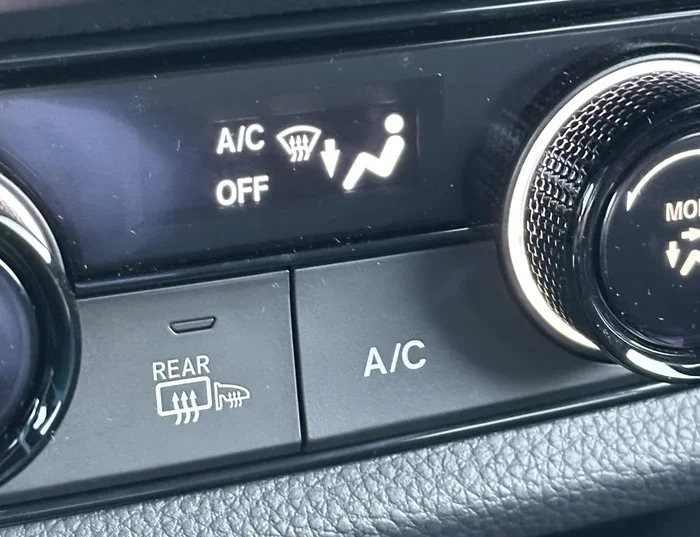
The A/C button also plays an important role. Many drivers think air conditioning is only for summer. In reality, turning on the A/C removes moisture from the air. This helps prevent fogging and speeds up the defrosting process. So when you are fighting frost, hit both the defrost setting and the A/C button.
How Long Does Defrosting Take?
A typical defrost session on a Toyota Corolla takes about five to ten minutes. The exact time depends on several factors:
- Outside temperature: Colder conditions mean thicker ice and longer defrost times.
- Ice thickness: A light frost clears much faster than a solid layer of ice.
- Engine warm-up time: Your engine needs to reach operating temperature before producing hot air.
- Defrost settings used: Correct settings make a big difference in speed.
Patience is key. Cranking the heat to maximum right after starting the engine does not help much until the engine warms up. Let the car idle for a minute or two before expecting real results.
Step-by-Step Guide to Defrost Your Toyota Corolla
Now let us get into the actual process. Follow these steps every time you need to clear frost from your Corolla. This method is safe, effective, and works in almost all weather conditions.
Step 1: Start the Engine and Let It Warm Up
Turn the ignition and let the engine run. Do not drive immediately. Give the engine about two to three minutes to warm up. You will notice the temperature gauge starting to move. Once it reaches the normal range, the heating system can produce hot air.
During this time, you can also turn on the rear defroster if your Corolla has one. The rear window heating element warms up quickly and starts melting frost on the back glass right away.
Step 2: Set the Climate Controls to Defrost Mode
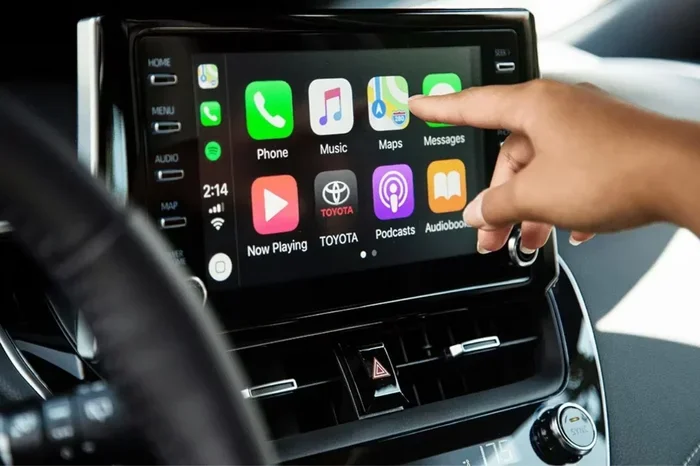
Locate the climate control panel on your dashboard. Press the defrost button. On most Toyota Corolla models, this icon looks like a rectangle with curved lines pointing upward. It represents air flowing toward the windshield.
Set the temperature to the hottest setting. Turn the fan speed to maximum. If your Corolla has a dual-zone climate system, you can direct all the warm air to the windshield without worrying about the passenger side.
Step 3: Turn on the Air Conditioning
Press the A/C button. This might feel counterintuitive when it is freezing outside. But the A/C compressor removes humidity from the air. Dry air warms up faster and clears fog and frost more efficiently. This small step can cut your defrosting time significantly.
Step 4: Use the Recirculation Setting Wisely
Set the air mode to fresh air intake instead of recirculation. Fresh outside air carries less moisture, which helps clear fog faster. However, if it is very cold and dry outside, recirculation can work too. Experiment to see what works best for your conditions.
Step 5: Wait and Then Clear Remaining Ice
Let the defrost system run for about five minutes. You will see the ice start to melt and slide down the windshield. Once the bulk of the frost has melted, use an ice scraper to remove any remaining patches. Work from the top of the windshield down to the bottom.
Do not use your hands to scrape ice. Your fingers can get cut, and your hands may leave moisture on the glass that refreezes into a thin, dangerous layer of ice.
Best Tools for Defrosting a Toyota Corolla
Having the right tools makes defrosting faster and easier. Here are the essentials every Toyota Corolla owner should keep in the car during winter.
Ice Scraper
A good ice scraper is the most important tool. Look for one with a sturdy plastic blade and a comfortable grip. Metal scrapers can scratch glass, so stick with plastic. A long-handled scraper also helps you reach the center of a large windshield without bending over.
Keep the scraper in the cabin, not in the trunk. You do not want to dig through snow to find it on a freezing morning.
De-Icing Spray
A commercial de-icing spray is a game changer. These sprays contain isopropyl alcohol, which lowers the freezing point of water and melts ice on contact. Spray it on the windshield, wait 30 seconds, and the ice slides right off.
You can also make a DIY de-icing spray at home. Mix two parts rubbing alcohol with one part water in a spray bottle. Keep it in your glove box. It works just as well as store-bought products and costs almost nothing.
Windshield Cover or Tarp
Prevention is the best tool. A windshield cover or tarp keeps frost and ice from forming on your Corolla’s glass overnight. Simply lay it over the windshield and secure it with the mirrors or clips. In the morning, just pull it off and drive away.
This is one of the easiest ways to save time during winter. A basic windshield cover costs under twenty dollars and can last for years.
Soft Bristle Brush
For light frost or snow, a soft bristle brush works well. It gently sweeps ice and snow off the windshield without scratching the glass. It is also useful for clearing snow off the roof, hood, and trunk before driving.
Common Mistakes People Make When Defrosting
Many drivers make mistakes that slow down defrosting or even damage their vehicle. Here are the most common ones and how to avoid them.
Using Hot Water on Frozen Glass
This is the number one mistake. Pouring boiling or even very hot water onto a frozen windshield can cause the glass to crack. The sudden temperature change creates thermal shock, which can split the glass in half. Even a small crack means an expensive replacement.
Always use room temperature or warm water if you must use liquid. Never use water that is steaming hot.
Turning on the Defrost Before the Engine Warms Up
Some drivers crank the defrost immediately after starting the car. But the heating system needs a warm engine to produce hot air. Before the engine reaches operating temperature, the defrost vents blow cold air, which does nothing to melt ice. Wait a couple of minutes for the engine to warm up first.
Using the Wrong Scraper or Improvised Tools
Using a credit card, kitchen knife, or other household items to scrape ice can scratch or chip the windshield. These objects are not designed for glass contact. Always use a proper ice scraper made for automotive use.
Ignoring the Rear Window Defroster
Many drivers focus only on the front windshield and forget the rear window. The rear defroster uses a heating element embedded in the glass. Turn it on early so it has time to work while you clear the front windshield.
Leaving Frost on the Roof
Snow and ice on the roof can slide off while driving and block your view through the rear window. Always clear the roof and hood before hitting the road. This is a safety issue, not just a convenience.
How to Prevent Frost on Your Toyota Corolla
The best defrosting strategy is to prevent frost from forming in the first place. A few simple habits can save you time and effort every winter morning.
Use a Windshield Cover Overnight
As mentioned earlier, a windshield cover is the single most effective prevention tool. It blocks moisture in the air from settling on the glass and freezing. On nights when temperatures drop below freezing, a cover can make the difference between a five-minute morning routine and a 20-minute battle with ice.
Park in a Garage or Covered Area
If you have access to a garage, use it. Parking indoors keeps your Corolla warmer and prevents frost from forming. Even a carport or covered parking spot helps. The less exposure to cold night air, the less frost you will deal with.
Apply a Rain Repellent Coating
A rain repellent coating creates a hydrophobic surface on your windshield. Water beads up and rolls off instead of settling and freezing. While it does not prevent frost entirely, it makes ice removal much easier. Apply a quality coating once a month during winter for best results.
Keep Your Windows Slightly Cracked
This might sound strange, but leaving a small gap in the windows overnight can reduce condensation buildup. Less condensation means less frost. However, only do this if it is safe and your area is not prone to heavy rain or snow.
When to Seek Professional Help for Defrosting Issues
Most defrosting problems are easy to fix at home. But sometimes, the issue is with your vehicle itself. If your Toyota Corolla’s defrost system is not working properly, you may need professional assistance.
Watch for these warning signs:
- No warm air from the defrost vents: This could indicate a heater core problem or a blown fuse.
- Foggy windows that will not clear: A malfunctioning A/C system may be the cause.
- Rear defroster not working: A burned-out heating element needs replacement.
- Unusual smells when using the heater: This could signal a coolant leak or mold buildup.
Do not ignore these signs. A malfunctioning defrost system is not just an inconvenience. It is a safety hazard. Clear visibility is essential for safe winter driving. If your defrost system is not working, have it checked by a qualified technician as soon as possible.
Also, if you are dealing with stubborn residue or tape marks on your glass after defrosting, learning how to remove difficult things from your auto glass can help you restore clarity to your windows. For those dealing with ice buildup, our guide on how to remove ice from car glass provides additional techniques that complement the defrosting methods above.
Taking care of your windows also means taking care of any auto tint you may have. Cold weather can affect tint adhesion, so proper care ensures your tint lasts longer and your defrosting process goes smoothly.
Quick Tips for Faster Defrosting Every Morning
Here are some bonus tips that experienced Toyota Corolla owners use to speed up their morning defrost routine:
- Start the car and set defrost while you finish your coffee. By the time you are ready to drive, the windshield is clear.
- Keep a small towel in the car. Wipe away condensation on the inside of the windows before it freezes.
- Use a silicone-based windshield treatment. It helps water and ice slide off more easily.
- Replace your wiper blades before winter. Good wipers help clear melted ice and rain more effectively.
- Keep your gas tank at least half full. This prevents fuel line freeze-up and ensures you can run the heater as long as needed.
- Store your ice scraper in an easy-to-reach spot. Not buried under snow or in the trunk.
These small habits add up over the winter season. They turn a dreaded morning chore into a quick, effortless routine.
Conclusion
Defrosting a Toyota Corolla does not have to be a frustrating part of your winter morning. With the right approach, the correct tools, and a few preventive habits, you can clear your windshield in just a few minutes. Start with the defrost setting and A/C, let the engine warm up, and use a proper ice scraper for the best results.
Avoid the common mistakes that damage your glass and waste time. Use a windshield cover to prevent frost from forming overnight. Keep your tools ready and your routine consistent. And if your defrost system ever stops working, do not hesitate to seek professional help.
Winter driving requires patience and preparation. But with this guide, you are now equipped to handle whatever frost and ice throw at your Toyota Corolla. Stay warm, stay safe, and keep those windows clear all season long.
Frequently Asked Questions
How long does it take to defrost a Toyota Corolla?
It typically takes five to ten minutes to defrost a Toyota Corolla using the proper defrost settings. The exact time depends on the outside temperature, ice thickness, and whether the engine has fully warmed up. Using the A/C button with the defrost setting can speed up the process.
Can I use hot water to defrost my Toyota Corolla windshield?
No, you should never use hot water on a frozen windshield. The sudden temperature change can cause thermal shock and crack the glass. Always use warm or room temperature water if you need to use liquid, or better yet, use a commercial de-icing spray or a proper ice scraper.
Why is my Toyota Corolla defrost not working?
A defrost system that is not working could be caused by a faulty heater core, a blown fuse, a malfunctioning blower motor, or a clogged vent. If warm air is not coming from the defrost vents, it is best to have the system inspected by a qualified technician as soon as possible.
Should I scrape ice off my Toyota Corolla while the defrost is running?
Yes, you can and should do both at the same time. Let the defrost system melt the bulk of the ice while you use an ice scraper to remove the remaining frost. This combination approach is the fastest and most effective way to clear your windshield.
How can I prevent frost from forming on my Toyota Corolla overnight?
The best way to prevent frost is to use a windshield cover or tarp overnight. Parking in a garage or covered area also helps. You can also apply a rain repellent coating to the windshield, which makes ice removal much easier when frost does form.
Is it safe to drive with a partially defrosted windshield?
No, it is not safe to drive with any remaining ice or frost on your windshield. Even a small patch can obstruct your view and create a hazard. Make sure all windows, the rear window, and mirrors are completely clear before you start driving. Clear visibility is essential for safe winter driving.