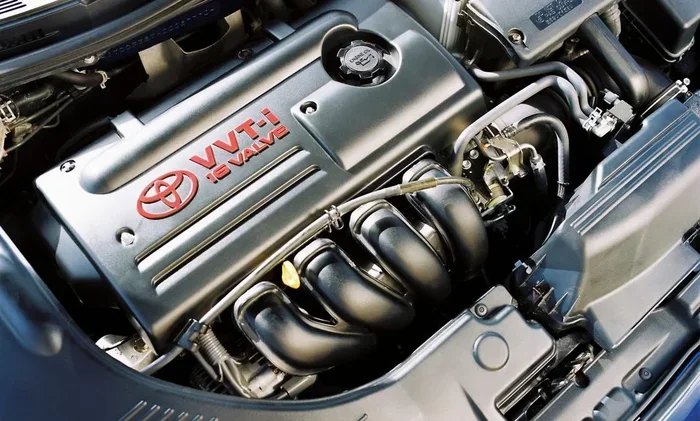
How Long Do Toyota Celica Engines Last and Why It Matters
Toyota Celica engines can last between 200,000 and 300,000 miles with proper care. Regular maintenance, quality oil changes, and timely repairs play a huge role in engine longevity. Understanding the factors that impact engine life helps owners make smarter decisions about their vehicle.
Toyota built the Celica as a sporty, reliable coupe that won the hearts of car enthusiasts for decades. Many owners wonder about the long-term durability of these engines. How long do Toyota Celica engines last is a question that comes up often in forums, repair shops, and among classic car collectors.
The answer depends on several factors, including maintenance habits, driving conditions, and the specific generation of the Celica. Most Toyota Celica engines can comfortably reach the 200,000-mile mark. With dedicated care, some owners push their engines well past 300,000 miles. This article breaks down everything you need to know about Toyota Celica engine lifespan and how you can maximize yours.
Toyota has always stood for reliability. The Celica lineup, produced from 1970 to 2006, earned a strong reputation. But even the best engines need attention. Understanding what affects engine life puts you in control. Let us dive into the details of Toyota Celica engine longevity and what you can do to keep yours running strong.
Key Takeaways
- Toyota Celica engines typically last 200,000 to 300,000 miles when maintained properly.
- Regular oil changes are the single most important factor in extending engine life.
- Common engine problems include oil leaks, timing belt wear, and overheating issues.
- Driving habits matter — gentle driving extends engine lifespan significantly.
- Replacement engines and rebuilds are viable options when major repairs are needed.
- Toyota’s reputation for reliability makes the Celica a strong long-term investment.
- Knowing your specific generation helps you anticipate common engine issues.
📑 Table of Contents
- Understanding Toyota Celica Engine Lifespan
- Factors That Affect Toyota Celica Engine Longevity
- Common Toyota Celica Engine Problems
- How to Extend Your Toyota Celica Engine Life
- Toyota Celica Engine Rebuild and Replacement Options
- Toyota Celica vs Other Toyota Models: Engine Reliability Comparison
- Final Thoughts on Toyota Celica Engine Longevity
Understanding Toyota Celica Engine Lifespan
The Toyota Celica engine lifespan varies based on generation, engine type, and how well you maintain it. Most Celica engines fall into two broad categories: the older models from the 1970s through the 1980s and the later models from the 1990s through the early 2000s. Each group has its own characteristics and common issues.
Older Celica engines from the first and second generations used simpler technology. These engines were robust but lacked modern efficiency. Many of these older models still run today after 40 or 50 years. The later generations, especially the ST185 and ST205, featured more advanced engineering and higher performance capabilities.
Average Mileage Expectations
Here is a realistic breakdown of what you can expect from different Toyota Celica engine generations:
- First Generation (1970-1977): 150,000 to 250,000 miles with basic maintenance.
- Second Generation (1978-1985): 180,000 to 280,000 miles with regular care.
- Third Generation (1986-1989): 200,000 to 300,000 miles with proper maintenance.
- Fourth Generation (1990-1999): 200,000 to 300,000+ miles depending on usage.
- Fifth Generation (2000-2006): 200,000 to 300,000 miles with consistent upkeep.
These numbers assume the owner follows a regular Toyota Celica maintenance schedule. Neglecting basic services will shorten any engine’s life significantly. The key takeaway is that Toyota Celica engines are built to last when treated right.
Factors That Affect Toyota Celica Engine Longevity
Several factors determine how long your Celica engine will run. Some you control, and others depend on external conditions. Understanding these factors helps you make better decisions about your vehicle.
Maintenance Habits
Regular maintenance is the biggest factor in engine longevity. Skipping oil changes or ignoring warning signs leads to premature wear. Here are the most important maintenance tasks for Toyota Celica engine care:
- Oil changes every 5,000 to 7,500 miles using quality synthetic or conventional oil.
- Timing belt replacement at the manufacturer-recommended interval, usually around 90,000 to 100,000 miles.
- Coolant flushes every 30,000 to 50,000 miles to prevent overheating.
- Air filter replacements every 15,000 to 30,000 miles.
- Spark plug changes according to the maintenance schedule.
- Transmission fluid changes every 50,000 to 60,000 miles.
If you want to learn more about keeping your maintenance on track, check out our guide on how to create a maintenance schedule for your vehicle.
Driving Conditions and Habits
How you drive affects your engine more than you might think. Toyota Celica engine performance suffers when subjected to harsh conditions. City driving with lots of stop-and-go traffic puts more stress on the engine than steady highway cruising.
Short trips are especially hard on engines. The engine never reaches full operating temperature, which leads to moisture buildup and sludge formation. If you mostly drive short distances, consider extending your oil change intervals more frequently.
Aggressive driving also shortens engine life. Rapid acceleration, hard braking, and redlining the RPMs all contribute to faster wear. Smooth, steady driving is the best way to preserve your Toyota Celica engine for the long haul.
Climate and Environment
Where you live matters for engine health. Extreme heat causes cooling systems to work harder. Extreme cold makes oil thicker and harder to circulate. Both conditions accelerate wear if you do not adjust your maintenance routine accordingly.
Coastal areas with salt air pose a unique threat. Salt promotes corrosion in engine components and exhaust systems. If you live near the coast, regular undercarriage washes and rust inspections become essential for protecting your engine bay.
Common Toyota Celica Engine Problems
Even reliable engines develop issues over time. Knowing the common problems helps you catch them early before they become expensive repairs. Here are the most frequent Toyota Celica engine issues that owners face.
Oil Leaks
Oil leaks are one of the most common problems in older Celica models. The valve cover gasket and oil pan gasket tend to deteriorate over time. Small leaks may seem minor but can lead to serious engine damage if the oil level drops too low.
Regularly checking your oil level helps you catch leaks early. If you notice oil spots under your car or a burning oil smell, get it inspected immediately. Addressing leaks promptly prevents costly engine repairs down the road.
Timing Belt Wear
The timing belt is a critical component that synchronizes the camshaft and crankshaft. When it fails, it can cause catastrophic engine damage. Toyota Celica engines from the 1990s and early 2000s use timing belts that need replacement at specific intervals.
Do not wait until the belt shows signs of wear. Replace it preventively according to the maintenance schedule. The cost of a timing belt replacement is far less than the cost of repairing a engine damaged by a broken belt.
Overheating Issues
Overheating is one of the fastest ways to destroy an engine. The Celica’s cooling system can develop problems over time, especially in older models. Thermostat failures, water pump leaks, and radiator clogs all contribute to overheating.
Watch your temperature gauge closely. If it starts climbing, pull over safely and let the engine cool. Continuing to drive an overheating engine can warp the cylinder head and crack the engine block. For tips on preventing overheating, read our article on how to prevent a car from overheating in summer.
Oil Consumption
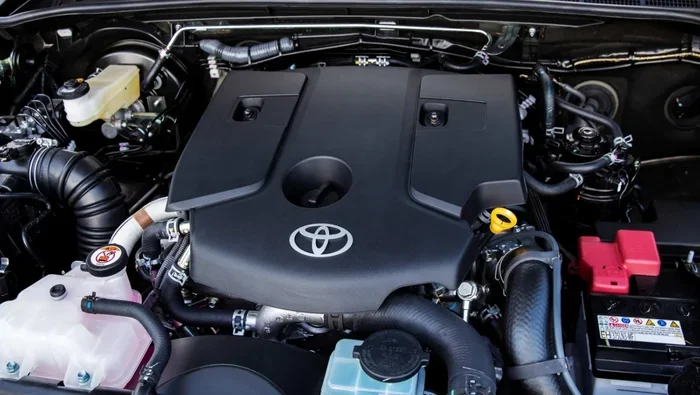
Some Toyota Celica engines, particularly the 2ZZ-GE found in later models, tend to consume oil at higher rates. This is a known characteristic of the engine design. While some oil consumption is normal, excessive burning of oil signals a problem.
Check your oil level every time you fill up with gas. If you find yourself adding oil frequently between changes, have a mechanic inspect the engine for worn piston rings or valve seals. Catching this early prevents further damage to the Toyota Celica engine.
How to Extend Your Toyota Celica Engine Life
Extending your engine life is not complicated. It comes down to consistent care and smart driving habits. Here are proven strategies to help your Toyota Celica engine last longer than expected.
Follow the Maintenance Schedule Strictly
The owner’s manual contains a detailed maintenance schedule. Follow it to the letter. Every service interval exists for a reason. Skipping services to save a little money now can lead to expensive repairs later.
Keep a log of every service you perform. This records helps you stay on track and also adds value if you ever decide to sell the vehicle. A well-documented maintenance history makes your Toyota Celica more attractive to buyers.
Use Quality Parts and Fluids
Cheap oil and inferior parts may save money upfront but cost you in the long run. Use high-quality synthetic or conventional oil that meets Toyota’s specifications. Choose OEM or reputable aftermarket parts for replacements.
Premium fluids like synthetic coolant and transmission fluid offer better protection and last longer. The small extra cost pays for itself through reduced wear and fewer repairs. Your Toyota Celica engine deserves the best care you can provide.
Listen to Your Engine
Your engine tells you when something is wrong. Pay attention to unusual sounds, vibrations, or changes in performance. A knocking sound, a rough idle, or a loss of power all signal potential problems.
Addressing issues early is always cheaper than waiting for them to worsen. If something sounds or feels different, get it checked out. Trust your instincts when it comes to your engine’s health.
Warm Up Properly
Cold engines need time to warm up. The oil needs to circulate fully before you push the engine hard. In cold weather, let the engine idle for 30 seconds to a minute before driving gently.
Avoid revving the engine immediately after startup. This puts unnecessary stress on cold engine components. A gentle warm-up period extends the life of your Toyota Celica engine significantly over thousands of miles.
Toyota Celica Engine Rebuild and Replacement Options
Even with the best care, some engines eventually need major work. Understanding your options when facing significant engine problems helps you make informed decisions.
Engine Rebuild
A rebuild involves disassembling the engine, inspecting all components, and replacing worn parts. This is often more affordable than a full replacement. A quality rebuild can give your Toyota Celica engine another 100,000 miles or more of service.
Rebuilds work best when the engine block and cylinder heads are still in good condition. A machine shop can hone the cylinders, replace bearings, and refresh the valve train. The cost typically ranges from $2,500 to $4,500 depending on the extent of the work needed.
Used Engine Replacement
Installing a used engine from a salvaged Celica is another option. This approach can be cost-effective if you find a low-mileage donor engine. The cost for a used engine and installation usually ranges from $1,500 to $3,500.
Make sure the used engine comes from a similar generation and has a documented maintenance history. A Toyota Celica engine swap works best when the replacement engine matches the original specifications closely.
When to Consider Selling
Sometimes the repair costs exceed the value of the vehicle. If your Celica needs a full engine replacement and the car has high mileage, it might be time to evaluate whether the investment makes sense. Toyota Celica engines hold value in the classic car market, so selling for parts or as a project car is also an option.
Toyota Celica vs Other Toyota Models: Engine Reliability Comparison
Toyota’s reputation for reliability extends across its entire lineup. The Celica holds its own when compared to other Toyota models. Here is how the Celica engine compares to some other well-known Toyota engines:
| Toyota Model | Engine Type | Average Lifespan | Common Issues |
|---|---|---|---|
| Toyota Celica | 1.8L to 3.0L 4-cyl | 200,000-300,000 miles | Oil leaks, timing belt, oil consumption |
| Toyota Corolla | 1.8L to 2.0L 4-cyl | 250,000-350,000 miles | Minimal, very reliable |
| Toyota Camry | 2.4L to 3.5L 4-cyl/V6 | 250,000-350,000 miles | Oil consumption in older V6 models |
| Toyota Supra | 2.0L to 3.0L 6-cyl | 200,000-300,000 miles | Timing chain, turbo issues |
The Celica holds up well in this comparison. Its engine reliability is on par with other popular Toyota models. The main difference is that the Celica is a sports coupe, which means it is often driven harder than a daily commuter Corolla or Camry. Driving style plays a big role in the actual lifespan achieved.
Final Thoughts on Toyota Celica Engine Longevity
How long do Toyota Celica engines last is a question with a very encouraging answer. Most Celica engines can reach 200,000 to 300,000 miles with proper care. The key ingredients are regular maintenance, quality parts, and smart driving habits.
Toyota built the Celica to be a reliable sports car that enthusiasts could enjoy for decades. Whether you own a first-generation model or a late-series ST205, your engine can deliver outstanding performance for a long time. The Toyota Celica engine lifespan is a testament to Toyota’s engineering excellence and commitment to quality.
Take care of your Celica, and it will take care of you. Follow the maintenance schedule, listen to your engine, and drive with respect. Your Toyota Celica engine will reward you with years of reliable service and driving enjoyment.
If you are considering purchasing a used Celica or already own one, focus on the engine’s maintenance history. A well-documented service record is the best indicator of future reliability. Invest in your Celica today, and enjoy the rewards for miles to come.
Frequently Asked Questions
What is the average lifespan of a Toyota Celica engine?
Most Toyota Celica engines last between 200,000 and 300,000 miles with proper maintenance. Some well-cared-for examples exceed 300,000 miles. The key factors are regular oil changes, timely belt replacements, and consistent attention to cooling system health.
What is the most common engine problem in Toyota Celicas?
Oil leaks from the valve cover gasket and oil pan gasket are the most common issues. Older models also experience timing belt wear and oil consumption problems. Regular inspections help catch these issues before they cause serious damage.
Can a Toyota Celica engine be rebuilt?
Yes, a Toyota Celica engine can be rebuilt successfully. A rebuild involves replacing worn bearings, gaskets, and seals while reusing the engine block and heads. A quality rebuild can add another 100,000 miles or more to the engine’s life.
How often should I change the oil in my Toyota Celica?
Change the oil every 5,000 to 7,500 miles using quality oil that meets Toyota specifications. If you drive in harsh conditions like extreme heat or stop-and-go traffic, consider shortening the interval to every 3,000 to 5,000 miles for best protection.
Is the Toyota Celica a reliable car for daily driving?
Yes, the Toyota Celica is a reliable daily driver when properly maintained. Its simple, robust engine design has proven durable over decades. Regular maintenance and gentle driving habits will keep your Celica running strong for many years.
What generation Toyota Celica has the best engine?
The fourth generation (1990-1999) and fifth generation (2000-2006) Celicas feature the most refined and reliable engines. The 2ZZ-GE and 3S-GE engines are particularly well-regarded for their durability and performance. However, all generations can last a long time with proper care.