How to Remove Ice From Car Glass Without Scratching
Removing ice from car glass safely is essential every winter to protect your windshield and windows from scratches and cracks. This guide covers the best tools, techniques, and prevention tips for ice removal without scratching. You will learn step-by-step methods using plastic scrapers, deicer sprays, warm water, and more to keep your car glass clear and damage-free all season long.
Winter mornings can be brutal. You step outside, walk toward your car, and see a thick layer of frost covering every window. The first instinct is to scrape it off fast and get going. But doing it the wrong way can cause permanent damage to your car glass.
Learning how to remove ice from car glass without scratching is one of the most important winter driving skills. A single wrong move with a metal tool or boiling water can lead to cracks, chips, or fine scratches that ruin visibility. This guide walks you through every safe method, the right tools to use, and simple prevention tricks that save you time each morning.
Whether you live in a cold climate or just deal with occasional frost, these tips will keep your car glass in great shape. Let us dive into the safest and most effective ways to clear ice from your windshield and windows.
Key Takeaways
- Never use hot water or metal scrapers: These cause cracks and scratches on car glass.
- A plastic ice scraper is the safest tool: It removes frost effectively without damaging surfaces.
- Deicer sprays and DIY solutions work fast: They melt ice quickly and make removal effortless.
- Prevention saves time every morning: Frost covers and garage parking reduce ice buildup significantly.
- Your car heater is a powerful ally: Use it on low heat with the defrost setting for gentle ice melting.
- Patience matters more than speed: Rushing leads to mistakes that cost money in repairs.
📑 Table of Contents
Why Ice Builds Up on Car Glass
Understanding why ice forms on your car helps you prevent it. When temperatures drop below freezing, moisture in the air settles on your car surfaces. Overnight, this moisture freezes into a solid layer of frost and ice. The process is called deposition, where water vapor turns directly into ice without becoming liquid first.
Several factors make ice buildup worse on car glass:
- Humidity levels: High humidity means more moisture, leading to thicker ice layers.
- Clear nights: On cloudless nights, heat escapes from your car quickly, making surfaces colder.
- Parked outdoors: Cars left outside without shelter collect more frost than those in garages.
- Wind exposure: Wind carries more moisture, which freezes faster on cold glass.
- Temperature swings: Fluctuating temperatures create uneven ice layers that are harder to remove.
The type of ice also matters. Light frost is easier to remove than heavy ice buildup. Black ice, which is thin and nearly invisible, is especially dangerous and tricky to handle safely.
Tools and Products You Need for Safe Ice Removal
Having the right tools makes all the difference. Using the wrong items is the number one cause of scratched or cracked car glass. Here is what you should have ready before winter arrives.
Plastic Ice Scraper
A plastic ice scraper is the gold standard for safe ice removal. Unlike metal scrapers, plastic does not scratch glass. Look for one with a comfortable grip and a flat edge that covers a good area. Some scrapers have a brush on one side for sweeping away loose snow before scraping.
Deicer Spray
Commercial deicer sprays are designed to melt ice fast. They contain chemicals like isopropyl alcohol or ethylene glycol that lower the freezing point of water. A good spray can loosen thick ice in seconds, making scraping much easier and safer.
DIY Deicer Solutions
You can make your own deicer at home with simple ingredients:
- White vinegar and water: Mix two parts water with one part vinegar in a spray bottle.
- Rubbing alcohol and water: Combine one part rubbing alcohol with two parts water.
- Salt water solution: Dissolve a small amount of salt in warm water and spray lightly.
These homemade solutions work well for light to moderate frost. They are affordable and easy to prepare the night before.
Soft Bristle Brush
A soft-bristle brush helps remove loose snow without scratching. Use it before scraping to clear the surface layer. This reduces the amount of scraping needed and protects your glass.
Frost Cover or Windshield Shield
A frost cover is a fabric or tarp that you place over your windshield at night. It prevents moisture from settling on the glass. In the morning, you simply pull it off, and the windshield is clear. This is one of the best prevention tools available.
Step-by-Step Guide to Remove Ice From Car Glass
Now that you have the right tools, here is the safest method to remove ice without scratching your car glass. Follow these steps every time for the best results.
Step One: Start Your Car and Turn on the Defrost
Before you touch the glass, start your engine. Set the heater to defrost mode and choose a low or medium heat setting. Do not blast high heat right away. Sudden temperature changes can cause thermal shock, which leads to cracks in the glass.
Let the defrost run for three to five minutes. This begins melting the outer layer of ice and makes scraping much easier. The warm air gradually raises the glass temperature, reducing the risk of damage.
Step Two: Spray Deicer on Thick Ice Areas
While the defrost is working, spray your deicer solution on the thickest ice patches. Focus on the windshield first since it is the largest and most important surface for visibility. Hold the bottle about six inches from the glass and spray evenly.
Wait about thirty seconds to one minute. You will see the ice start to loosen and soften. This makes the scraping step faster and safer.
Step Three: Scrape With a Plastic Scraper
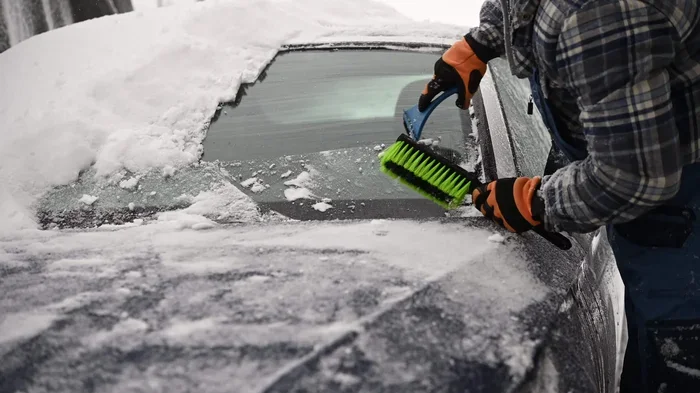
This is the most important step. Hold the plastic ice scraper at a slight angle and push forward in smooth, steady motions. Never scrape sideways or use a chipping motion. Those movements put uneven pressure on the glass and can create micro-scratches.
Work from the top of the windshield down. Clear one section at a time. Apply gentle, consistent pressure. If the ice does not come off easily, spray more deicer and wait another minute.
Step Four: Brush Away Loose Snow and Ice Bits
Use your soft bristle brush to sweep away loosened ice and snow. This prevents small ice particles from getting trapped under the scraper and causing scratches. Brush in one direction rather than back and forth.
Do the same for side windows and the rear windshield. Each window needs individual attention, especially if ice has built up around the edges.
Step Five: Wipe Down With a Clean Cloth
Once all the ice is gone, use a microfiber cloth to wipe the glass dry. This removes any remaining moisture and fine ice particles. A dry surface also prevents new frost from forming as quickly.
Keep a dedicated cloth in your car during winter. It is a small investment that pays off every time you clear your windows.
Step Six: Repeat for All Windows and Mirrors
Do not skip the side windows, rear windshield, or side mirrors. Each surface needs the same careful treatment. Limited visibility from any angle creates a safety hazard on the road.
Common Mistakes That Scratch or Crack Car Glass
Even with the best intentions, many people make mistakes that damage their car glass. Knowing what not to do is just as important as knowing the right method.
Using Hot or Boiling Water
Pouring hot water on frozen glass is one of the worst things you can do. The extreme temperature difference causes thermal shock, which can crack or even shatter the windshield. Always use lukewarm water at most, and even then, apply it carefully.
Using Metal Scrapers or Credit Cards
Metal ice scrapers, keys, and even old credit cards can leave deep scratches on glass. Metal is far too hard for car windshields. Stick with plastic scrapers designed specifically for automotive use.
Scraping Too Hard or Too Fast
Rushing the process leads to aggressive scraping. Heavy pressure can chip the glass edges or create fine scratches that build up over time. Slow, gentle motions are always better.
Ignoring the Defrost System
Some people skip the defrost and go straight to scraping. This makes the job harder and increases the chance of damage because you are fighting thick, hard ice instead of softening it first.
Using Salt Directly on Glass
While salt melts ice on roads, it can damage car glass and paint. Salt granules are abrasive and can leave fine scratches. Use salt-based solutions sparingly and never pour dry salt directly onto your windshield.
Preventing Ice Buildup on Your Car Glass
The best way to deal with ice is to prevent it from forming in the first place. A few simple habits can save you minutes every morning and protect your car glass all winter long.
Use a Frost Cover or Windshield Shield
A frost cover is the single most effective prevention tool. It blocks moisture from reaching the glass surface. Simply pull it off in the morning, and your windshield is ready to drive. These covers are inexpensive and reusable.
Park in a Garage or Covered Area
Cars parked in garages or under carports collect far less frost. Even a covered parking spot at work makes a big difference. If you have the option, always choose covered parking during winter months.
Apply a Rain Repellent Coating
Glass sealants and rain repellents create a hydrophobic layer on your windshield. This layer causes moisture to bead up and slide off rather than freezing into ice. Apply a quality product once a month during winter for best results.
Tilt Your Windshield Wipers Up
Lifting your wipers away from the windshield prevents them from freezing to the glass overnight. It also makes scraping easier because the wiper blades do not block your path. Just remember to lower them before driving.
Keep Your Car Clean Inside and Out
Dirt and dust on the glass provide nucleation points where ice forms more easily. Regularly clean your windshield inside and out with a glass cleaner. Clean glass also resists frost buildup better than dirty glass.
Quick Tips for Different Winter Conditions
Not every winter day is the same. Different conditions call for slightly different approaches to ice removal.
Light Frost
For light frost, the defrost system alone may be enough. Turn it on for two to three minutes and let the warm air do the work. A quick wipe with a microfiber cloth might be all you need.
Heavy Ice Buildup
Heavy ice requires more effort. Spray deicer generously, let it sit for a minute or two, and then scrape with a plastic scraper. Be patient and work in sections. Do not try to clear everything at once.
Freezing Rain
Freezing rain creates a dangerous layer of clear ice. This type of ice is especially hard to remove and very slippery. Use a strong deicer spray and allow extra time for melting before scraping. Drive slowly and carefully after clearing the glass.
Multiple-Day Ice Buildup
If ice has been on your car for more than one night, it becomes thicker and harder. The defrost system works best here. Run it for five to ten minutes before scraping. Reapply deicer as needed during the process.
Key Takeaways
- Always warm the glass gradually: Use the defrost system before scraping to prevent thermal shock and cracks.
- Plastic scrapers are your best friend: They remove ice effectively without scratching or damaging car glass.
- Deicer sprays save time and effort: They soften thick ice fast, making the scraping step much easier and safer.
- Avoid hot water, metal tools, and salt on glass: These are the top causes of scratches and cracks during winter.
- Prevention is smarter than removal: Frost covers, garage parking, and glass sealants reduce ice buildup dramatically.
- Patience prevents costly repairs: Taking your time with ice removal protects your car glass and keeps you safe on the road.
Conclusion
Knowing how to remove ice from car glass without scratching is a skill every driver should master. Winter does not have to mean damaged windshields or scratched windows. With the right tools, the correct technique, and a bit of patience, you can keep your car glass clear and safe all season long.
Remember to always start with the defrost system, use a plastic scraper, and avoid shortcuts like boiling water or metal tools. Prevention methods like frost covers and glass coatings make your mornings easier and protect your investment. Safe winter driving starts with clear, undamaged glass.
Take a few minutes today to prepare your car for winter. Stock up on a plastic ice scraper, a bottle of deicer spray, and a soft brush. These small preparations make a huge difference when frost hits. Your car glass will thank you all winter long.
Frequently Asked Questions
Can I use warm water to melt ice on my car windshield?
Lukewarm water is generally safe, but avoid hot or boiling water. Sudden temperature changes can cause thermal shock, which may crack or shatter your windshield. Always use water that is warm, not hot, and apply it gently.
What is the best tool to scrape ice off car windows without scratching?
A plastic ice scraper is the safest and most effective tool. It removes frost and ice without damaging glass surfaces. Avoid metal scrapers, keys, or any hard objects that can scratch or chip your car windows.
How do I prevent ice from forming on my car windshield overnight?
Use a frost cover or windshield shield to block moisture from reaching the glass. Parking in a garage or covered area also helps. Applying a rain repellent coating creates a barrier that reduces frost buildup significantly.
Is it safe to use a hair dryer to melt ice on car glass?
Yes, a hair dryer can work, but use it on a low setting and keep it moving. Do not focus hot air on one spot for too long, as this can cause thermal shock. It is a safe alternative if you do not have access to a defrost system.
Can ice damage my car windshield permanently?
Yes, improper ice removal can cause scratches, chips, or cracks. Using metal tools, pouring boiling water, or scraping too aggressively can lead to permanent damage. Always use gentle, approved methods to protect your windshield.
How long should I let the defrost run before scraping ice?
Let the defrost run for three to five minutes on a low or medium setting. This warms the glass gradually and softens the ice, making scraping safer and easier. Never crank the heat to maximum right away, as sudden temperature changes risk cracking the glass.