How to Open Toyota Corolla Bonnet Simple Step by Step Guide
Need to learn how to open Toyota Corolla bonnet? This guide shows you exactly how to pop the hood safely and quickly. You’ll find the interior release lever, release the secondary latch, and secure the hood with the prop rod. We also cover common mistakes and maintenance tips to keep your engine healthy.
If you need to learn how to open Toyota Corolla bonnet, you are in the right place. This guide breaks down every single step in plain language. You will find the release lever, release the safety latch, and prop the hood open safely. Whether you are checking oil, adding coolant, or just looking at the engine, knowing the correct method matters. A wrong move can damage the latch or leave the hood unstable. This article gives you the confidence to do it right the first time.
The Toyota Corolla is one of the most popular cars on the road. Its design is simple and reliable. The bonnet release system has stayed similar across many model years. That means the steps you learn here will work on older and newer versions alike. Once you pop the hood a few times, it becomes second nature. You will be able to handle basic maintenance without visiting a mechanic. Let us walk you through the entire process from inside the car to fully secured engine access.
Key Takeaways
- Know the two release mechanisms: The interior lever and the secondary safety latch are essential for safe bonnet operation.
- Always secure the hood with the prop rod: This prevents accidents and keeps the engine compartment accessible.
- Regular checks under the bonnet save money: Monitoring oil, coolant, and battery levels extends your Toyota Corolla’s lifespan.
- Follow the correct closing sequence: Lower the hood slowly and listen for the latch to engage fully.
- Avoid common mistakes like forcing the hood: Gentle handling prevents damage to the latch and hinges.
📑 Table of Contents
- Why You Might Need to Open Your Toyota Corolla Bonnet
- The Parts of Your Toyota Corolla Hood
- Step-by-Step: How to Open Toyota Corolla Bonnet
- How to Close the Bonnet Safely
- Common Mistakes and How to Avoid Them
- Quick Maintenance Tips When the Bonnet Is Open
- Expert Insights on Toyota Corolla Bonnet Care
- Key Takeaways for Your Toyota Corolla
Why You Might Need to Open Your Toyota Corolla Bonnet
There are several everyday reasons to open the bonnet on your Corolla. The most common is checking or topping up engine fluids. You might need to inspect the oil level, refill the coolant, or look at the battery terminals. Another reason is to clear debris from the engine bay. Leaves or dirt can sometimes block the air filter area. In cold weather, you may need to check for ice buildup that could affect the radiator. For a detailed walkthrough of the general process, see our guide on how to open an exterior bonnet to understand the core principles that apply to all vehicles.
Checking Engine Oil and Coolant
Engine oil lubricates moving parts inside the motor. Low oil can cause serious damage over time. The coolant keeps the engine from overheating during hot drives. Both fluids have reservoirs that are easy to access once the bonnet is open. You can check the oil dipstick and the coolant level in just a few minutes. Regular checks help you catch small problems before they become expensive repairs.
Replacing the Air Filter
A clean air filter helps your engine breathe properly. Dirty filters reduce fuel efficiency and can cause rough idling. The air filter box is located under the bonnet. Opening it requires no tools in most Corolla models. You simply unclip the cover, swap the old filter, and snap the new one in place. This is one of the easiest maintenance tasks you can do at home.
Jump-Starting the Battery
Sometimes a Corolla battery dies, especially in winter. Knowing where the battery terminals are lets you connect jumper cables quickly. The battery is usually found near the front of the engine bay. Always wear gloves and follow safety steps when working around the battery. A dead battery is a common issue, and opening the bonnet is the first step to fixing it.
The Parts of Your Toyota Corolla Hood
Before you start, it helps to know the names of the parts you will touch. The bonnet is the metal cover over the engine. Inside the car, you will find the hood release lever. This is usually a handle under the dashboard on the driver’s side. Outside, the bonnet has a secondary safety latch. This second latch keeps the hood from flying open while driving. The hood prop rod or stay holds the bonnet up once it is open. Understanding these parts makes the whole process much clearer.
Hood Release Lever
The interior hood release lever is the first catch. Pulling it releases the primary latch. You will feel the bonnet pop up slightly when it releases. This lever is often located near the driver’s left knee. Some models have a small pull handle, while others use a lever that pushes forward.
Secondary Safety Latch
The secondary latch is a security feature. It prevents the bonnet from opening accidentally at highway speeds. After you pull the interior lever, you must reach under the front edge of the bonnet to release this latch. It is usually a small lever or clip near the center of the hood.
Hood Prop Rod and Stay
Once the bonnet is free, you lift it fully and secure it with the prop rod. This rod slots into a hole on the underside of the bonnet or the radiator support. Some newer models use a gas strut instead of a manual rod. The prop rod keeps the hood at a safe working angle. Never rely on the bonnet to stay open on its own.
Step-by-Step: How to Open Toyota Corolla Bonnet
Here is the exact sequence to follow. Each step is simple and safe. Take your time, and do not rush. If you are new to this, reading the steps once before you start is a great idea. For more beginner-friendly guidance, check out our how to drive a car for beginners guide, which covers essential pre-drive checks including bonnet access.
Step 1: Park on a Level Surface
First, park your Corolla on flat ground. Turn off the engine and engage the parking brake. This prevents the car from rolling while you are working. Wait a few minutes if the engine is hot. You do not want to burn your hands on hot engine parts. Let the car cool slightly before you open the bonnet.
Step 2: Locate the Interior Release Lever
Sit in the driver’s seat. Look down near your left knee or below the steering column. You will see a lever or handle with a hood icon on it. Pull this lever toward you. You should hear a soft click or feel the bonnet move slightly upward. This means the primary latch has released.
Step 3: Release the Secondary Latch
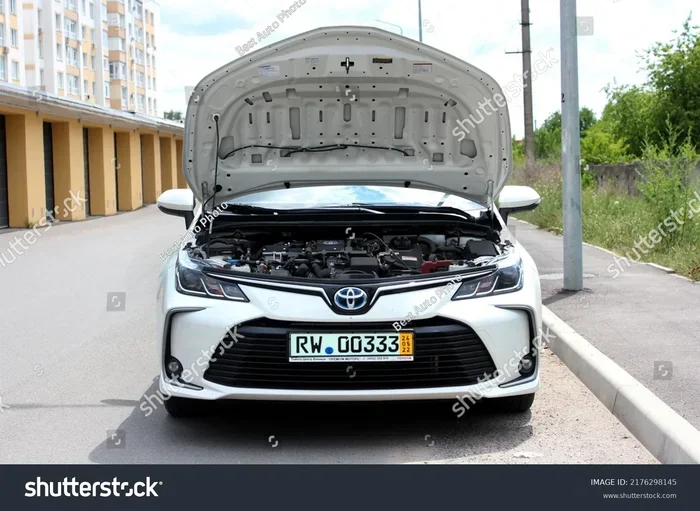
Walk to the front of the car. Run your hand under the front edge of the bonnet. Feel for a small lever or clip near the center. This is the secondary safety latch. Push it to the side or pull it upward, depending on your model year. The bonnet will now be completely free and can be lifted.
Step 4: Lift and Secure the Hood
Grasp the bonnet firmly and lift it all the way up. Support it with one hand while you locate the prop rod. Slide the rod into the hole on the underside of the bonnet or the support bracket. Make sure the rod is fully seated. The bonnet should now stand securely on its own. Give it a gentle tug to confirm it is stable.
Quick Tips for Smooth Operation
- Always use both hands: One hand lifts the bonnet, the other holds the prop rod.
- Check the prop rod condition: A worn rod can slip and let the hood fall.
- Clean the hood edges: Dirt around the latch can cause sticking over time.
- Use a headlamp if it is dark: You need good light to see the secondary latch.
How to Close the Bonnet Safely
Closing the bonnet is just as important as opening it. A rushed closure can damage the latch or leave the hood partially open, which is dangerous while driving. Follow these simple steps to ensure a secure seal every time.
Align the Hood Properly
Before you lower the bonnet, make sure it is centered over the radiator support. The edges should be evenly spaced on both sides. If the hood is crooked, it may not latch correctly. Adjust your grip so the bonnet is level as you bring it down.
Lower Slowly and Listen
Hold the bonnet about 30 centimeters above the car. Let it drop under its own weight. Do not push it down with force. As the latch engages, you will hear a solid click. If you do not hear the click, the hood is not fully secured. Lift it slightly and try again.
Perform a Safety Check
After closing, give the front edge of the bonnet a firm pull. It should not move or pop up. If it does, the latch has not engaged completely. Repeat the lowering process. A properly closed bonnet is essential for safe driving and aerodynamic performance.
Common Mistakes and How to Avoid Them
Many people make small errors when opening or closing the bonnet. These mistakes can lead to damage or frustration. Knowing what to avoid saves time and protects your car.
Forcing the Hood Open
If the interior lever does not release the bonnet, do not pull harder. This can break the linkage cable. Instead, check that the car is fully in park and the ignition is off. Sometimes the secondary latch is still engaged, which prevents the bonnet from popping up. Release the secondary latch first, then try the interior lever again.
Forgetting the Secondary Latch
Skipping the secondary latch release is a common error. The bonnet may lift slightly but will not come free. Always reach under the front edge and locate the safety clip. Releasing this is the key to fully opening the hood.
Not Securing the Prop Rod
Never hold the bonnet open with your hand or lean it against the windshield. The prop rod exists for a reason. Without it, the bonnet can fall unexpectedly and cause injury or damage to the windshield or engine components. Always insert the rod before you reach into the engine bay.
Ignoring Strange Noises
If you hear grinding or scraping when you open the bonnet, stop and investigate. These sounds often indicate a loose prop rod, a misaligned latch, or debris in the hinge area. Ignoring them can lead to more serious mechanical issues. A quick inspection can prevent costly repairs later.
Quick Maintenance Tips When the Bonnet Is Open
Now that you have the engine bay exposed, this is a great time to perform simple checks. A few minutes of inspection can keep your Corolla running smoothly for years.
Check Fluid Levels
Look at the oil dipstick and the coolant reservoir. The oil should be between the minimum and maximum marks. Coolant should be near the full line when the engine is cold. Top up any fluids that are low using the correct grade specified in your owner’s manual. If you notice your temperature gauge rising, learn how to prevent a car from overheating in summer by checking the coolant system under the bonnet.
Inspect the Battery Terminals
Look at the battery terminals for any white or blue powdery buildup. This corrosion can prevent your car from starting. You can clean the terminals with a wire brush and a baking soda solution. Always disconnect the negative cable first if you need to remove the battery. Wear protective gloves and eye wear during this task.
Look for Leaks or Damaged Hoses
Run your eyes along the rubber hoses and around the engine block. Fresh oil or coolant puddles under the car are warning signs. Cracked hoses can cause sudden fluid loss. Catching a small leak early can save you from a major breakdown on the road.
Replace the Air Filter
A dirty air filter restricts airflow to the engine. This reduces fuel economy and power. The air filter housing is easy to open once the bonnet is up. Remove the old filter, vacuum out any debris, and insert a new one. This simple swap takes less than five minutes and costs very little.
Expert Insights on Toyota Corolla Bonnet Care
Experienced mechanics recommend treating the bonnet with a little extra care. The latch mechanism is precision-engineered but can wear over time. Regular cleaning of the hinge areas prevents rust and ensures smooth operation. Use a silicone-based lubricant on the latch and prop rod once a year. This keeps everything moving freely without attracting dirt. If you notice the bonnet not staying open or closing unevenly, have a professional inspect the hydraulic strut or prop rod assembly.
Another expert tip is to always carry the bonnet prop rod in its designated spot. Losing the rod means you cannot safely prop the hood open. Some owners keep a spare rod in the trunk. This is especially useful for older Corolla models where the original rod may have been misplaced. A small investment in a replacement rod gives you peace of mind during long road trips.
Key Takeaways for Your Toyota Corolla
Opening the bonnet on a Toyota Corolla is a straightforward process once you know the steps. Remember to pull the interior release lever, release the secondary latch, and secure the hood with the prop rod. Regular maintenance under the bonnet keeps your car healthy and reliable. Avoid common mistakes like forcing the hood or skipping the safety latch. With this guide, you can handle basic checks and fluid top-ups confidently at home.
Take a few minutes to practice the steps when you have spare time. Familiarity builds confidence. Soon, opening the bonnet will be a quick, automatic part of your routine car care. Your Toyota Corolla will reward you with years of dependable service when you treat it well.
Frequently Asked Questions
How do I find the hood release lever on a Toyota Corolla?
The interior hood release lever is located under the dashboard on the driver’s side, near your left knee. It usually has a hood icon or a small handle. Pull it toward you to release the primary latch. You will hear a click and feel the bonnet pop up slightly.
What should I do if the bonnet will not open after pulling the lever?
If the bonnet does not move, the secondary safety latch may still be engaged. Walk to the front of the car and reach under the front edge of the hood. Feel for a small lever or clip near the center and release it. Once the secondary latch is free, the bonnet will lift fully.
Can I open the bonnet from the outside?
Most Toyota Corolla models do not have an exterior hood release. The system is designed to be operated from inside the car for safety. You must use the interior lever and then release the secondary latch from under the front edge of the bonnet.
How do I keep the bonnet from falling while I work?
Always use the hood prop rod or stay. Lift the bonnet fully and slide the rod into the hole on the underside of the bonnet or the radiator support. Never rely on the bonnet to stay open on its own. A falling hood can cause serious injury or damage.
Is it safe to check the coolant when the engine is hot?
No, you should always check coolant when the engine is cold. Hot coolant is under pressure and can cause severe burns. Wait at least 30 minutes after driving before opening the bonnet to check fluid levels. This keeps you safe and gives accurate readings.
What type of lubricant should I use on the bonnet latch?
A silicone-based lubricant is best for bonnet latches and prop rods. It prevents rust and keeps the mechanism moving smoothly. Avoid petroleum-based greases, which can attract dirt and gum up the linkage. Apply a small amount once a year for best results.