Learn How to Drive a Car for Beginners A Complete Guide
Learning how to drive a car for beginners can feel overwhelming, but this guide breaks everything down into simple, easy-to-follow steps. You will master car controls, steering, braking, and parking with clear instructions and real-world tips. Whether you are preparing for your driving test or just starting out, this complete beginner driving guide gives you everything you need to drive safely and confidently.
Have you ever sat behind the wheel of a car and felt completely lost? You are not alone. Learning how to drive a car for beginners is one of the most exciting yet nerve-wracking experiences in life. The good news is that anyone can learn with the right guidance and a little patience.
This complete beginner driving guide walks you through every step, from understanding basic car controls to parking like a pro. You will find practical tips, simple explanations, and real-world advice that makes driving lessons for beginners feel less intimidating. By the end, you will feel ready to hit the road with confidence.
Driving is a life skill that opens up a world of freedom. Whether you need to commute to work, run errands, or just enjoy a weekend road trip, knowing how to operate a vehicle safely matters. Let us dive in and make the learning process as smooth as possible.
Key Takeaways
- Know Your Car Controls: Understanding the clutch, brake, accelerator, and gear stick is the foundation of learning how to drive a car for beginners.
- Adjust Your Seat and Mirrors First: Proper driving posture and mirror setup prevent accidents and reduce blind spots.
- Start Slow and Practice Often: Build confidence gradually in safe, empty spaces before hitting busy roads.
- Master Steering and Smooth Braking: Gentle inputs on the steering wheel and pedals make driving feel natural and safe.
- Parking Takes Practice: Parallel parking, reverse parking, and perpendicular parking all improve with repetition.
- Defensive Driving Saves Lives: Always anticipate other drivers, watch for road signs, and keep a safe following distance.
- Avoid Common Beginner Mistakes: Overthinking, forgetting mirrors, and harsh braking are habits you can break early.
📑 Table of Contents
- Understanding the Basic Car Controls
- Getting Comfortable Behind the Wheel
- Starting the Car and Moving Forward Safely
- Mastering Steering, Braking, and Gear Shifting
- Parking, Mirrors, and Defensive Driving Tips
- Common Mistakes Beginners Make and How to Avoid Them
- Preparing for Your Driving Test
- Final Thoughts and Next Steps
Understanding the Basic Car Controls
Before you turn the key, you need to know what each control does. Think of a car like a tool. The better you understand its parts, the easier it is to use. Let us walk through the essential car controls for beginners one by one.
The Steering Wheel
The steering wheel controls where your car goes. It sits in front of you and connects directly to the front wheels. When you turn it left, the car goes left. When you turn it right, the car goes right. Sounds simple, right?
Here is a quick tip: hold the steering wheel with both hands at the 9 and 3 o’clock positions. This gives you the best control. Never drive with one hand or rest your arm on the window. It might feel comfortable at first, but it limits your ability to react quickly.
The Pedals: Clutch, Brake, and Accelerator
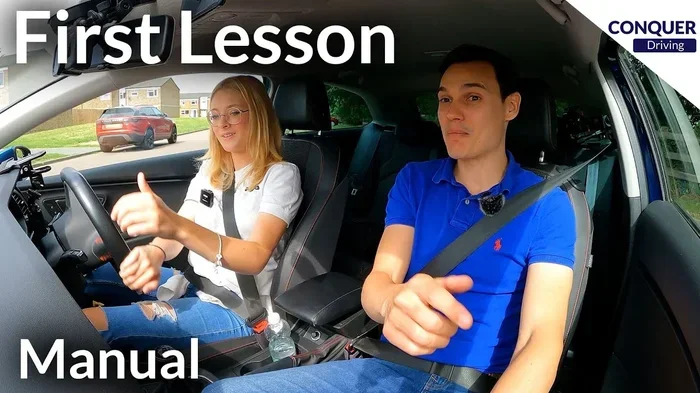
Cars with manual transmission have three pedals on the floor. From left to right, they are the clutch pedal, the brake pedal, and the accelerator pedal. Each one has a specific job.
- Clutch Pedal: This pedal disconnects the engine from the wheels. You use it when changing gears. Press it down fully before shifting.
- Brake Pedal: This pedal slows the car down or stops it. Always use gentle, steady pressure. Never slam on the brake unless it is an emergency.
- Accelerator Pedal: This pedal makes the car go faster. Press it softly to increase speed smoothly.
If you are driving an automatic car, you only have two pedals: the brake and the accelerator. The car handles gear changes for you, which makes learning to drive a bit easier.
The Gear Stick and Gears
The gear stick sits between the front seats. It lets you choose the right gear for your speed. Most cars have five or six forward gears plus reverse.
Here is a simple breakdown:
- Neutral: The gear stick sits in the middle. The car rolls freely without engine power connected to the wheels.
- Reverse: Use this when you need to back up.
- First Gear: Use this to get the car moving from a stop.
- Higher Gears (2-5 or 6): Use these for cruising at higher speeds.
For automatic cars, the gear stick usually has positions labeled P (Park), R (Reverse), N (Neutral), and D (Drive). You do not need to shift gears manually. Just select D and let the car do the work.
The Handbrake and Dashboard Controls
The handbrake (also called the emergency brake) keeps the car still when parked. Pull it up to engage it and push the button to release it. Always use the handbrake every time you park, even on flat ground.
The dashboard has many lights and gauges. The most important ones for beginners are:
- Speedometer: Shows how fast you are going.
- Fuel Gauge: Tells you how much gas you have left.
- Warning Lights: These alert you to problems like low oil or engine issues.
Spend a few minutes studying your dashboard before you start driving. Knowing what each light means can save you from surprises on the road.
Getting Comfortable Behind the Wheel
Now that you know the controls, let us talk about setting yourself up for success. Comfort and proper positioning make a huge difference when you are starting out.
Adjusting Your Seat
Your seat position affects how well you can reach the pedals and see the road. Adjust it so that:
- Your wrists rest lightly on top of the steering wheel when your arms are straight.
- You can fully press the brake pedal without your seat being too far forward.
- Your feet comfortably reach the pedals with a slight bend in your knees.
Many cars have adjustable seats. Use the lever or buttons to move the seat forward, backward, up, or down until you find the perfect position.
Setting Up Your Mirrors
Mirrors are your best friends on the road. They help you see what is happening around you without turning your head. Here is how to set them up correctly:
- Rearview Mirror: Adjust it so you can see the entire back window. Sit in your normal driving position first.
- Side Mirrors: Adjust the left mirror so you see a small portion of the car’s side panel and the lane beside you. Adjust the right mirror the same way. You want to minimize blind spots.
Always check your mirrors before changing lanes, turning, or merging. Make this a habit from day one. Mirror checks keep you aware of traffic and prevent collisions.
Wearing Your Seatbelt
This one is non-negotiable. Always wear your seatbelt before starting the engine. It is the simplest and most effective safety device in any vehicle. Make sure all passengers buckle up too.
Starting the Car and Moving Forward Safely
You know the controls. You are seated properly. Now it is time to actually start driving. This is where many beginners feel nervous, but following these steps makes it manageable.
Starting the Engine
For manual transmission cars, follow these steps:
- Press the clutch pedal all the way down.
- Make sure the gear stick is in neutral.
- Turn the key or press the start button.
- The engine should start. Release the key gently.
For automatic cars, the process is even simpler:
- Press the brake pedal.
- Make sure the gear is in P (Park) or N (Neutral).
- Turn the key or press the start button.
Once the engine is running, you are ready to move.
Moving the Car Forward
For manual transmission cars, moving forward requires a smooth coordination of three things: the clutch, the gear, and the accelerator. Here is how to do it:
- Press the clutch pedal down fully.
- Shift into first gear.
- Slowly release the clutch pedal until you feel the car start to move slightly forward (this is called the biting point).
- Gently press the accelerator at the same time.
- Continue releasing the clutch fully as the car picks up speed.
This might feel tricky at first. The key is to go slow. Practice finding the biting point in a safe, empty parking lot. Once you get the hang of it, it becomes second nature.
For automatic cars, just shift into D (Drive), release the brake gently, and the car will start moving. Add light pressure to the accelerator to speed up.
Stopping the Car
Stopping smoothly is just as important as moving smoothly. Here is the right way to stop:
- Take your foot off the accelerator and let the car slow down naturally.
- Press the brake pedal gently at first, then increase pressure as the car slows.
- When the car is about to stop, press the clutch down fully (for manual cars).
- Come to a complete stop and keep your foot on the brake.
Never coast to a stop with the clutch pressed and no brake. This is a common beginner mistake that wears out the brakes and can be dangerous.
Mastering Steering, Braking, and Gear Shifting
Once you can start and stop, it is time to refine your skills. Smooth, controlled driving comes from practice and good habits.
Steering Techniques
Good steering techniques make your driving feel smooth and controlled. Here are some tips:
- Keep both hands on the steering wheel at all times.
- Turn the wheel smoothly without jerking it.
- Use the push-pull method: push the wheel down with one hand while the other hand pulls it down on the other side.
- Look where you want to go, not directly at the car in front of you.
Your eyes lead your hands. If you look at where you want the car to go, your steering will naturally follow. This is one of the most important driving tips for beginners you will ever learn.
Smooth Braking
Harsh braking is uncomfortable for you and your passengers. It also wears down your brake pads faster. Practice braking gently by squeezing the pedal rather than stomping on it.
Think of it like this: you want to slow down gradually, just like you ease off a swing. Start light and add more pressure as needed. This defensive driving habit keeps you safe and makes your rides more comfortable.
Gear Shifting for Manual Cars
Shifting gears smoothly takes practice. Here is a general guide for when to shift:
- First Gear: 0 to 10 mph
- Second Gear: 10 to 20 mph
- Third Gear: 20 to 30 mph
- Fourth Gear: 30 to 45 mph
- Fifth Gear: 45 mph and above
These speeds vary depending on the car. Listen to the engine. If it sounds strained or the RPMs are high, it is time to shift up. If the car starts to jerk or stall, shift down.
Parking, Mirrors, and Defensive Driving Tips
Parking and awareness are skills that separate good drivers from great ones. Let us look at some practical techniques that will serve you well.
Parallel Parking
Parallel parking can feel intimidating, but it is just a matter of steps. Here is a simple method:
- Find a parking space that is about one and a half times the length of your car.
- Pull up alongside the car in front of the empty space. Leave about two feet of space between the cars.
- Shift into reverse and turn your steering wheel toward the curb.
- Slowly back up, checking your mirrors and over your shoulder.
- When your car is at a 45-degree angle, turn the steering wheel the other way and continue backing up.
- Straighten out and adjust your position as needed.
Practice this in an empty lot with cones or chairs acting as parked cars. After a few tries, you will feel much more confident.
Mirror and Blind Spot Awareness
Even with properly adjusted mirrors, every car has blind spots. These are areas you cannot see in your mirrors. Before any lane change or turn, always do a quick shoulder check.
Look over your left shoulder for the left blind spot and over your right shoulder for the right blind spot. This simple habit prevents accidents and keeps you safe.
Defensive Driving Basics
Defensive driving means always expecting the unexpected. Here are some core principles:
- Keep a safe following distance from the car ahead of you. At least two seconds in normal conditions.
- Watch for pedestrians, cyclists, and animals near the road.
- Obey all traffic rules and speed limits.
- Anticipate other drivers’ mistakes. Not everyone on the road will drive perfectly.
- Stay calm and avoid aggressive reactions to other drivers.
Defensive driving is not just a skill. It is a mindset. When you drive with awareness and caution, you protect yourself and everyone around you.
Common Mistakes Beginners Make and How to Avoid Them
Every beginner makes mistakes. The goal is to learn from them and avoid repeating them. Here are the most common errors new drivers make.
Overthinking Everything
It is easy to get overwhelmed by all the information at once. You are thinking about mirrors, gears, speed, and traffic all at the same time. The solution? Take it one step at a time. Focus on the task at hand and trust that the rest will come with practice.
Neglecting Mirror Checks
Many beginners forget to check their mirrors regularly. This is dangerous because you cannot see what is around you. Set a mental reminder to check your mirrors every five to eight seconds while driving.
Harsh Braking and Acceleration
Slamming on the brakes or flooring the accelerator wears out your car and makes rides uncomfortable. Smooth inputs are the key to becoming a confident, skilled driver.
Ignoring Road Signs
Road signs are there for a reason. Speed limits, stop signs, yield signs, and warning signs all keep you safe. Make a habit of scanning the road ahead for signs and signals.
Practicing Without a Licensed Driver
Always practice with a licensed adult or instructor in the car. Not only is this the law in most places, but having an experienced person beside you provides an extra layer of safety and guidance.
Preparing for Your Driving Test
When you feel ready, it is time to take your driving test. Preparation is the key to passing on your first try.
What to Expect
Most driving tests include a combination of written questions and a practical driving exam. The practical test evaluates your ability to:
- Start the car safely
- Navigate intersections and roundabouts
- Change lanes and merge into traffic
- Park correctly
- Follow all traffic laws
Tips to Pass
- Practice regularly in varied conditions: daytime, nighttime, rain, and quiet roads.
- Review the driving rules specific to your state or country.
- Stay calm and focused during the test. Nerves cause mistakes.
- Listen carefully to the examiner’s instructions.
- Always check mirrors and blind spots before every maneuver.
Remember, the test is just a formality. If you have practiced consistently, you already have the skills to pass. Trust yourself and your preparation.
Final Thoughts and Next Steps
Learning how to drive a car for beginners is a journey, not a destination. Every trip you take builds your skills and confidence. Start with the basics, practice consistently, and never stop learning.
The road ahead is full of exciting possibilities. Whether you are driving to school, work, or a weekend adventure, you now have the foundation to do it safely and confidently. Keep practicing, stay patient with yourself, and enjoy the ride.
Remember, every expert driver was once a beginner. The difference is they kept going. You can too. Get behind the wheel, follow the steps in this guide, and watch yourself grow into a skilled, confident driver.
Frequently Asked Questions
How long does it take to learn how to drive a car for beginners?
Most beginners need between 20 and 40 hours of practice to feel comfortable driving. However, everyone learns at a different pace. Consistent practice, even just 30 minutes a few times a week, makes a big difference over time.
Should I learn to drive a manual or automatic car first?
Automatic cars are easier to learn because you do not have to manage the clutch and gear shifts. Many beginners start with automatic and later learn manual if they want. Choose the type that fits your needs and comfort level.
What is the best way to practice driving as a beginner?
Start in empty parking lots or quiet residential streets. Practice starting, stopping, steering, and parking without the pressure of heavy traffic. As your confidence grows, gradually move to busier roads and highways.
How do I overcome the fear of driving?
Fear is completely normal for new drivers. Start with short, simple trips in low-traffic areas. Bring a trusted, licensed passenger with you. Over time, as you gain experience, the fear will fade and confidence will take its place.
What are the most important driving tips for beginners to remember?
Always wear your seatbelt, check your mirrors frequently, keep a safe following distance, obey speed limits, and never drive when you are tired or distracted. Smooth inputs on the steering wheel and pedals will make your driving safer and more comfortable.
Can I practice driving before getting my learner’s permit?
In most places, you need a valid learner’s permit or license before you can legally practice driving. Check your local regulations to make sure you are following the law. Driving without proper documentation can result in fines and penalties.
=== CONCLUSION ===
Learning how to drive a car for beginners does not have to be scary. With the right knowledge, consistent practice, and a calm mindset, anyone can become a safe and confident driver. This guide has covered everything from basic car controls to defensive driving techniques, parking strategies, and common mistakes to avoid.
The key is to take it one step at a time. Master the controls first, then move on to steering, braking, and gear shifting. Practice parking and mirror checks until they become habits. And always, always drive defensively.
Your journey behind the wheel starts now. Follow the steps in this complete beginner driving guide, stay patient, and enjoy the freedom that comes with knowing how to drive. The road is waiting for you.