How to Prevent a Car from Overheating in Summer Months
Summer heat can turn a reliable car into an overheating nightmare. This guide covers everything you need to know about how to prevent a car from overheating in summer months. From checking coolant levels to inspecting the radiator cap, these simple steps will keep your engine running smoothly all season long.
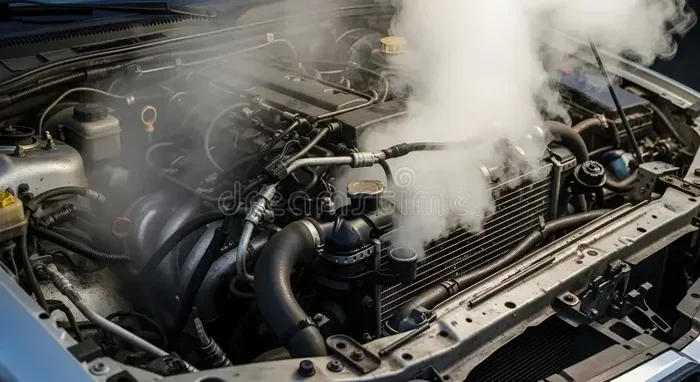
There is nothing worse than pulling over on a hot road and seeing steam curl up from under your hood. Your car overheating in summer is more than just an inconvenience. It can lead to serious engine damage if you do not act fast.
Learning how to prevent a car from overheating in summer months is one of the smartest things you can do as a vehicle owner. The summer sun puts extra stress on every part of your engine. Heat waves make the cooling system work twice as hard. A little preparation goes a long way toward keeping your car running strong.
In this guide, you will find practical tips that anyone can follow. You do not need to be a mechanic to understand what keeps an engine cool. We will walk through every step in simple language. By the end, you will know exactly what to check, when to check it, and how to spot trouble before it starts.
Let us dive into the world of summer car care and make sure your vehicle stays cool no matter how high the thermometer climbs.
Key Takeaways
- Check Coolant Levels Regularly: Low coolant is the number one cause of engine overheating in summer.
- Inspect Hoses and Belts: Worn rubber parts fail fast under extreme heat and can leave you stranded.
- Monitor the Temperature Gauge: Catching early warning signs saves you from costly repairs.
- Keep the Radiator Clean: Debris buildup blocks airflow and raises engine temperature quickly.
- Plan Drives Wisely: Avoiding peak heat hours reduces strain on your cooling system.
- Never Ignore Warning Signs: Steam, strange smells, or a rising needle mean stop immediately.
- Schedule Regular Maintenance: A professional coolant flush keeps the entire system working at its best.
📑 Table of Contents
Why Cars Overheat in Summer
Understanding the cause is the first step toward prevention. Your car relies on a cooling system to manage heat. When that system struggles, temperatures rise fast. Summer heat makes this challenge even bigger.
Here is what happens inside your engine. The combustion process creates extreme heat. The cooling system absorbs that heat and carries it away. Coolant flows through the engine block and into the radiator. Air passes over the radiator fins and cools the fluid down. Then the cycle starts again.
When any part of this loop breaks down, heat builds up. Summer temperatures make it harder for the radiator to release that heat into the air. The result is an overheating engine that can warp metal, blow gaskets, or crack the block.
Common Causes of Summer Overheating
Several things can cause your car to overheat during the hot months. Knowing these helps you stay ahead of problems.
- Low Coolant Levels: Coolant can leak slowly over time. Even a small drop reduces cooling efficiency.
- Faulty Thermostat: The thermostat controls coolant flow. If it gets stuck, heat builds up fast.
- Broken Water Pump: This part pushes coolant through the system. A failed pump means no circulation.
- Clogged Radiator: Dirt and bugs block airflow through the radiator fins.
- Worn Drive Belt: The belt powers the water pump and cooling fan. A slipping belt means poor performance.
- Failed Cooling Fan: The fan pulls air through the radiator at low speeds or when idling.
How to Check Your Coolant System
The coolant system is the heart of your car’s heat management. Checking it regularly during summer is one of the best ways to avoid trouble. Here is how to do it step by step.
Check Coolant Levels
First, make sure your engine is cool. Never open the radiator cap when the engine is hot. The pressure inside can cause serious burns. Wait at least thirty minutes after driving before you look under the hood.
Open the hood and locate the coolant reservoir. This is usually a white plastic tank near the radiator. Look at the side markings. The fluid should sit between the minimum and maximum lines. If it is low, add a mix of coolant and distilled water.
Most cars use a fifty-fifty mix of coolant and water. This ratio works best for summer driving. Pre-mixed coolant comes ready to use straight from the bottle. Check your owner manual for the exact type your car needs.
Inspect the Coolant Color
Coolant should look bright green, orange, or pink depending on the type. If it appears brown, rusty, or gritty, it is time for a change. Old coolant loses its ability to absorb heat. It can also clog the system from the inside.
A coolant flush removes old fluid and cleans the system. Most mechanics recommend this every two to three years. In hot climates, you might want to do it more often.
Look for Leaks
Place a clean piece of cardboard under your car overnight. In the morning, check for colored puddles. Green, orange, or pink spots mean you have a coolant leak. Common leak spots include the radiator hoses, water pump, and radiator cap.
Do not ignore small drips. Even a tiny leak can drain your system over a few days of driving.
Radiator and Cooling Fan Maintenance
The radiator and cooling fan work together to release heat. Keeping both in good shape is essential for summer driving.
Clean the Radiator Fins
Over time, bugs, leaves, and dirt build up on the front of the radiator. This debris blocks airflow and traps heat. A gentle spray from a garden hose can clear most of it away.
Be careful not to bend the thin fins. Use a soft brush or cloth if needed. Bent fins reduce the radiator’s ability to cool the fluid. A radiator comb can straighten bent fins cheaply and easily.
Test the Cooling Fan
Your cooling fan should kick on when the engine reaches a certain temperature. You can test this by letting the car idle with the air conditioning on. The fan should activate within a few minutes.
If the fan does not come on, check the fan fuse and relay first. Sometimes the problem is a faulty temperature sensor. A mechanic can diagnose this quickly and affordably.
Replace the Radiator Cap
The radiator cap maintains pressure in the cooling system. A weak cap cannot hold proper pressure. This raises the boiling point of the coolant and causes overheating.
Radiator caps are cheap and easy to replace. Most last about five years. If you cannot remember the last time you changed yours, swap it out before summer hits.
Hoses, Belts, and the Water Pump
These parts do not get enough attention until they fail. A quick inspection can save you from a roadside breakdown.
Inspect the Hoses
Coolant hoses carry fluid between the engine and radiator. They are made of rubber and wear out over time. Look for cracks, swelling, or soft spots. Squeeze the hose gently. It should feel firm but flexible.
If the hose feels hard or brittle, replace it. If it feels spongy or mushy, replace it. A hose failure on a hot day can drain your entire cooling system in minutes.
Check the Drive Belt
The drive belt connects the engine to the water pump and alternator. A worn belt can slip or snap without warning. Look for fraying, glazing, or cracks along the surface.
Most drive belts last between 50,000 and 100,000 miles. During summer, inspect yours at every oil change. A new belt costs very little compared to a tow truck and an overheated engine.
Listen for the Water Pump
The water pump keeps coolant moving through the system. When it starts to fail, you might hear a whining or grinding noise. Sometimes you will see a small leak near the pump itself.
Water pump failure means no coolant circulation. The engine heats up fast and can sustain serious damage within minutes. Replace a failing pump early to avoid a much bigger repair bill.
Driving Habits That Prevent Overheating
How you drive in summer matters just as much as mechanical maintenance. Small changes in your habits can keep temperatures under control.
Avoid Peak Heat Hours
The hottest part of the day is usually between noon and four in the afternoon. If you can, plan your trips for early morning or late evening. Your engine will thank you for the break from extreme heat.
This is especially important for long road trips. Driving for hours in direct sun puts constant stress on the cooling system. Take breaks every hour or two to let the engine cool down.
Use the Heater to Your Advantage
This might sound strange, but turning on the heater can help cool a hot engine. The heater core acts as a small secondary radiator. It pulls heat from the coolant and releases it into the cabin.
If you notice the temperature gauge climbing, turn the heater on full blast and open the windows. This can buy you time to pull over safely. It is a simple trick that every driver should know.
Watch Your Temperature Gauge
Keep an eye on the temperature gauge while driving. It should sit in the normal range in the middle of the dial. If it starts creeping higher, take action immediately.
Do not ignore a gauge that reads hotter than usual. Pull over safely and turn off the engine. Let it cool for at least fifteen minutes before checking anything. Continuing to drive on a hot engine can cause irreversible damage.
Reduce Load on the Engine
Heavy loads make the engine work harder and produce more heat. On hot days, avoid towing heavy trailers or carrying maximum cargo if possible. The extra weight increases heat output beyond what the cooling system can handle.
Also, avoid riding the brakes on long downhill drives. This creates extra heat in the braking system and transfers it to the engine bay. Use lower gears to slow down instead.
Quick Summer Car Care Checklist
Here is a simple checklist you can follow every summer to keep your car cool and reliable.
- Check coolant level and color once a month.
- Inspect all hoses for cracks or softness.
- Clean the radiator fins of bugs and debris.
- Verify the cooling fan turns on at normal operating temperature.
- Check the drive belt for wear or cracking.
- Test the thermostat by feeling the upper radiator hose when the engine warms up.
- Flush and replace coolant every two years or as recommended.
- Keep an emergency kit in the trunk with water and coolant.
Following this checklist takes less than thirty minutes a month. It can save you hundreds of dollars in repairs and a lot of stress during the hottest months of the year.
What to Do If Your Car Overheats
Even with the best preparation, overheating can still happen. Knowing what to do in the moment matters a lot.
First, turn off the air conditioning immediately. The AC puts extra load on the engine. Next, turn the heater to full blast to help draw heat away. Pull over to a safe spot as soon as possible.
Do not open the radiator cap right away. Wait for the engine to cool for at least fifteen to twenty minutes. Once cool, check the coolant level. If it is low, add a mix of coolant and water slowly.
If the problem keeps happening, do not keep driving. Call for roadside assistance. Continuing to drive on an overheated engine can warp the cylinder head, blow the head gasket, or crack the engine block. These repairs cost thousands of dollars and are entirely preventable.
When to See a Professional
Some cooling system issues need a trained mechanic. If you have checked all the basics and your car still overheats, it is time for a professional inspection. Here are signs that you need expert help.
- The temperature gauge rises repeatedly even after adding coolant.
- You see white steam coming from under the hood.
- There is a sweet smell coming from the engine bay.
- The check engine light comes on along with a rising temperature.
- You notice coolant puddles under the car frequently.
A mechanic can perform a pressure test on the cooling system. This test finds hidden leaks that are not visible to the naked eye. They can also check the water pump, thermostat, and radiator cap with specialized tools.
Regular maintenance appointments keep small problems from becoming big ones. A trusted auto shop can inspect your entire cooling system before summer begins. This is one of the best investments you can make for your vehicle.
Key Takeaways
- Check Coolant Levels Regularly: Low coolant is the number one cause of engine overheating in summer.
- Inspect Hoses and Belts: Worn rubber parts fail fast under extreme heat and can leave you stranded.
- Monitor the Temperature Gauge: Catching early warning signs saves you from costly repairs.
- Keep the Radiator Clean: Debris buildup blocks airflow and raises engine temperature quickly.
- Plan Drives Wisely: Avoiding peak heat hours reduces strain on your cooling system.
- Never Ignore Warning Signs: Steam, strange smells, or a rising needle mean stop immediately.
- Schedule Regular Maintenance: A professional coolant flush keeps the entire system working at its best.
FAQ
How often should I check my coolant level in summer?
You should check your coolant level at least once a month during summer. Hot weather causes coolant to expand and evaporate slightly. Checking it regularly helps you catch low levels before they cause overheating. It only takes a few minutes and gives you peace of mind.
Can I use water instead of coolant in an emergency?
Yes, you can use water temporarily if you run low on coolant. Water will help keep the engine from overheating in a pinch. However, water does not protect against corrosion or handle extreme heat as well as proper coolant. Replace it with a proper coolant mixture as soon as possible.
Why does my car overheat in traffic but not on the highway?
At low speeds or when idling, the radiator does not get enough airflow to cool the fluid. On the highway, natural airflow does most of the work. If your cooling fan is working properly, it should compensate in traffic. A faulty fan or low coolant level often causes this problem.
How much does it cost to fix an overheating engine?
The cost varies widely depending on the damage. A simple coolant top-off or thermostat replacement might cost under a hundred dollars. A blown head gasket or warped engine block can cost over a thousand. Regular maintenance keeps these expensive repairs from happening in the first place.
Does the air conditioning system affect engine temperature?
Yes, the air conditioning puts extra load on the engine. It generates heat as it works. In hot weather, this can push an already strained cooling system over the edge. If your car is prone to overheating, try rolling down the windows instead of using the AC when possible.
Can old coolant cause overheating even if the level is full?
Absolutely. Old coolant loses its chemical properties over time. It becomes less effective at absorbing and transferring heat. Even with a full reservoir, degraded coolant cannot protect your engine properly. This is why a coolant flush every two to three years is so important.
Conclusion
Preventing your car from overheating in summer comes down to a few simple habits. Check your coolant regularly, inspect hoses and belts, and keep the radiator clean. Pay attention to your temperature gauge and never ignore warning signs. These small actions add up to big protection for your engine.
Summer driving should be fun, not stressful. When you take care of your cooling system, your car takes care of you. The heat may be intense outside, but your engine does not have to suffer.
Start using these tips today. Share this guide with a friend who needs it. Together, we can make summer driving safer and more enjoyable for everyone on the road.