Learn How to Reset Tire Pressure Light Toyota Corolla
Resetting the tire pressure light on a Toyota Corolla is a straightforward process that most owners can do at home. This guide covers the TPMS reset procedure, common causes of the warning light, and when to seek professional help. You will learn the exact steps for different Corolla model years, understand what triggers the tire pressure monitoring system, and discover practical tips to keep your tires in top shape.
If you own a Toyota Corolla and suddenly see that little horseshoe-shaped warning light pop up on your dashboard, you are not alone. The tire pressure light Toyota Corolla is one of the most common dashboard alerts drivers encounter. It can appear for many reasons, from a simple temperature drop to a slow leak in one of your tires. Whatever the cause, knowing how to handle it is an essential part of Corolla maintenance.
This guide walks you through everything you need to know about resetting the tire pressure light on your Toyota Corolla. We will cover the step-by-step reset process, the most common reasons the light comes on, and tips to prevent it from returning. Whether you drive a 2010 Corolla or a brand-new 2024 model, you will find practical advice here.
Before we dive into the reset procedure, it helps to understand what the tire pressure monitoring system actually does. The TPMS uses small sensors inside each tire to monitor air pressure levels. When pressure drops below the recommended level, the system triggers the warning light on your dashboard. This is a safety feature designed to alert you before low pressure causes uneven tire wear, reduced fuel efficiency, or even a blowout.
## Understanding the Tire Pressure Warning Light
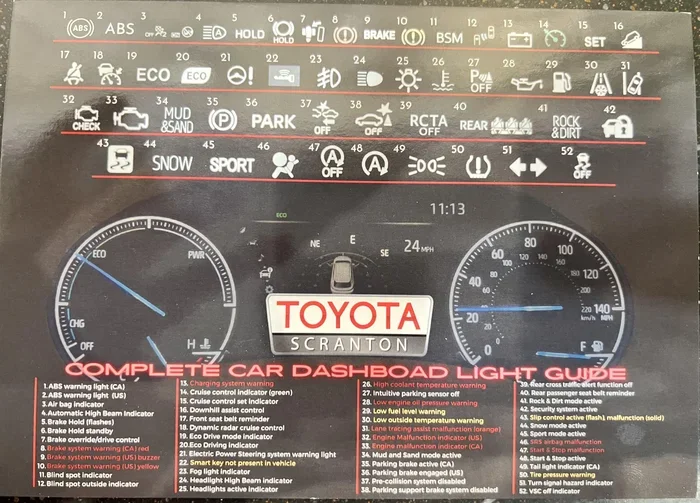
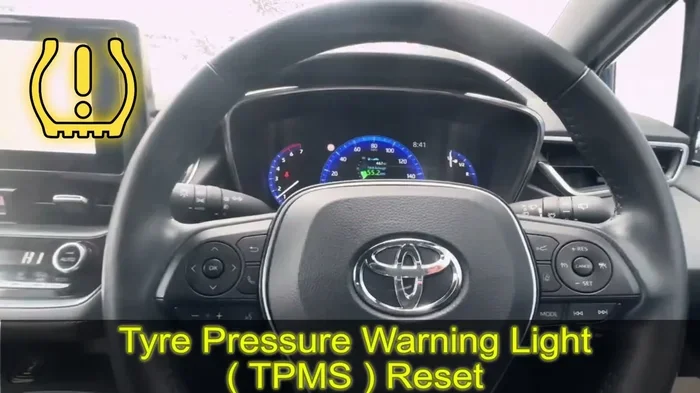
The tire pressure warning light looks like a horseshoe or a U-shape with an exclamation point in the center. On some Toyota Corolla models, you may also see the letters TPMS. When this light stays on, it means the system has detected pressure that is significantly below the recommended level for your vehicle.
Recommended tire pressure for most Toyota Corolla models falls between 32 and 35 PSI. You can find the exact number on the sticker located on the driver’s side door jamb. This sticker also lists the tire size your Corolla uses, which is helpful information when you are checking or inflating your tires.
### What Triggers the Tire Pressure Light?
Several factors can cause the TPMS light to illuminate. Understanding these triggers helps you respond appropriately and avoid unnecessary trips to the mechanic.
- Temperature drops: Cold weather causes air inside tires to contract, which can lower pressure by 1 to 2 PSI for every 10-degree drop in temperature.
- Slow leaks: A small puncture or a worn valve stem can let air escape slowly over days or weeks.
- Seasonal changes: The transition from warm to cold months is the most common time for the light to appear.
- Sensor battery failure: Each TPMS sensor has a small battery that typically lasts between 5 and 10 years. When the battery dies, the sensor cannot send accurate readings.
- Recent tire changes: Rotating tires, replacing a tire, or hitting a pothole can temporarily disrupt the TPMS sensors.
### How to Check Your Tire Pressure Manually
Before you attempt any reset, always check your actual tire pressure first. This step is critical because resetting the light without fixing the underlying problem will only cause the light to return. Here is how to do it:
- Remove the valve cap from the tire you want to check.
- Press your tire pressure gauge firmly onto the valve stem.
- Read the PSI number on the gauge and compare it to the recommended pressure on your door jamb sticker.
- Repeat this process for all four tires, including the spare if applicable.
- Inflate any tires that are below the recommended PSI to the correct level.
If you do not have a tire pressure gauge at home, most gas stations have free air pumps with built-in gauges. Taking two minutes to check your tires can save you a lot of trouble down the road.
## How to Reset Tire Pressure Light on Toyota Corolla
Now that you have checked and corrected your tire pressure, it is time to reset the warning light. The reset process for the tire pressure light Toyota Corolla varies slightly depending on your model year. Below, we cover the most common methods.
### Method 1: Reset Using the Steering Wheel Controls (2014 and Newer Models)
Most newer Toyota Corolla models come equipped with a digital instrument cluster that allows you to access the TPMS reset menu directly from the steering wheel controls.
- Start your vehicle and make sure it is in Park.
- Use the steering wheel arrow buttons to navigate to the Settings menu on the instrument display.
- Scroll down and select Vehicle Settings.
- Look for the TPMS or Tire Pressure Monitor option.
- Select Initialize or Reset.
- Confirm your selection when prompted.
- Drive your vehicle at a steady speed of 30 to 50 MPH for a few minutes. The system will relearn the tire pressure levels and the light should turn off.
This method works for most Corolla models from 2014 onward, including the LE, SE, and XSE trims. If you are unsure which trim you have, check the badge on the back of your vehicle or refer to your owner’s manual.
### Method 2: Reset Using the Glove Box Panel (Older Models)
If you drive an older Toyota Corolla, the reset process is slightly different. Many models from 2003 to 2013 use a physical reset button located under the steering column or inside the glove box area.
- Turn the ignition to the ON position without starting the engine.
- Locate the TPMS reset button. On most older Corollas, it is a small button beneath the steering column on the left side of the dashboard.
- Press and hold the button until the tire pressure warning light on the dashboard blinks three times.
- Release the button and start the engine.
- Drive the vehicle for at least 10 minutes at a steady speed. The system will recalibrate, and the light should remain off.
If you cannot locate the reset button, consult your Corolla owner manual. The manual provides a detailed diagram showing the exact location of the TPMS reset button for your specific model year.
### Method 3: Reset Using the Infotainment System (2019 and Newer Models)
The latest Toyota Corolla models with the touchscreen infotainment system offer another way to reset the TPMS light.
- Press the Home button on the touchscreen to access the main menu.
- Navigate to Settings.
- Select Vehicle or Car Settings.
- Choose Tire Pressure Monitor.
- Select Reset or Initialize TPMS.
- Follow the on-screen prompts to complete the reset.
After completing the reset, drive your vehicle for a few miles. The system needs time to confirm that all tires are at the correct pressure before it clears the warning permanently.
## Common Reasons the Tire Pressure Light Stays On After Reset
Sometimes, even after following the reset steps correctly, the tire pressure light comes back on. This can be frustrating, but it usually points to an underlying issue that needs attention.
### Low Tire Pressure in One or More Tires
The most common reason the light returns is that one or more tires are still below the recommended pressure. Even a difference of 2 to 3 PSI can trigger the TPMS. After resetting the light, recheck all four tires with a tire pressure gauge to make sure they are at the correct level.
### Faulty Tire Pressure Sensor
Each tire has a TPMS sensor that sends pressure data to your vehicle’s computer. If one sensor is damaged or malfunctioning, it can cause the light to stay on or come back repeatedly. Sensors can be damaged by road debris, corrosion, or simply wear and tear over time.
### Dead Sensor Battery
TPMS sensors run on small batteries that typically last 5 to 10 years. When the battery dies, the sensor cannot transmit data, and the TPMS light will illuminate. If your Corolla is older and the light keeps returning, a dead sensor battery is a likely culprit. Replacing the sensor battery or the entire sensor unit usually resolves this issue.
### Recent Tire or Wheel Replacement
If you recently replaced a tire, rotated your tires, or changed wheels, the TPMS system may need time to recalibrate. In some cases, the sensors need to be reprogrammed to recognize the new tire positions. This is especially true if you moved sensors between wheels during a rotation.
### Temperature Fluctuations
Drastic temperature swings, especially during seasonal transitions, can cause the TPMS light to flicker on and off. This is normal behavior and usually resolves itself once temperatures stabilize. However, if the light stays on for more than a few days, you should investigate further.
## Quick Tips for Preventing the Tire Pressure Light
Prevention is always better than cure, and the same applies to your tire pressure monitoring system. Here are some simple tips to keep the TPMS light off and your tires in great condition.
- Check tire pressure monthly: Make it a habit to check all four tires at least once a month. A quality digital tire gauge costs just a few dollars and can save you from unexpected trips to the auto shop.
- Check pressure when tires are cold: Always measure tire pressure in the morning before driving or at least three hours after driving. Hot tires give inaccurate readings.
- Keep a tire pressure log: Writing down your pressure readings helps you spot trends and catch slow leaks early.
- Replace valve stems when needed: Worn or cracked valve stems are a common source of slow leaks. Replacing them during routine tire rotations is a good preventive measure.
- Invest in a TPMS-compatible tire gauge: Some digital gauges are designed to work with TPMS sensors and provide more accurate readings for modern vehicles.
- Inspect tires for damage regularly: Look for nails, screws, bulges, or uneven wear patterns. Catching these issues early prevents more serious problems.
## When to See a Professional
While resetting the tire pressure light is a task most Corolla owners can handle on their own, there are times when professional help is the right choice. If you have checked all four tires, confirmed they are at the correct pressure, and the light still does not go away after a reset, it is time to visit a mechanic or a Toyota dealership.
A professional diagnostic scan can reveal whether a specific tire pressure sensor has failed or if there is a deeper issue with the TPMS module. In some cases, the entire sensor assembly needs to be replaced, which typically costs between $50 and $250 per sensor depending on your model year and where you go for service.
If you are unsure whether your issue is a simple pressure problem or something more complex, it is always better to get a second opinion. Driving with a persistent TPMS light can affect your vehicle’s handling, braking performance, and overall safety.
## Expert Insights on Toyota Corolla TPMS Maintenance
Experienced Toyota technicians recommend treating your tire pressure monitoring system the same way you treat any other safety feature on your vehicle. Regular maintenance and prompt attention to warning lights keep your Corolla running safely and efficiently.
One common mistake drivers make is simply clearing the warning light without checking the tire pressure. This approach might work temporarily, but it does not address the root cause. Always verify your tire pressure first, and only reset the light after the tires are properly inflated.
Another expert tip is to keep a portable tire inflator in your trunk. These compact devices plug into your vehicle’s 12V outlet and can add air to a flat or low tire in minutes. They are affordable, easy to store, and can be a lifesaver in emergencies.
Finally, if you notice the TPMS light flickering or behaving erratically, do not ignore it. Intermittent warnings often indicate a sensor that is starting to fail. Addressing the issue early can prevent a more expensive repair down the line.
## Key Takeaways on Resetting the Tire Pressure Light
Resetting the tire pressure light Toyota Corolla is a task that most owners can complete in minutes with the right guidance. The process involves checking your tire pressure, inflating tires to the recommended level, and using the reset method that matches your model year. Whether you use the steering wheel controls, a physical reset button, or the infotainment screen, the key is to always address the root cause before resetting the light.
Regular tire maintenance, including monthly pressure checks and visual inspections, goes a long way in keeping the TPMS light off and your Corolla safe on the road. If the light persists after a reset, do not hesitate to seek professional help. A qualified technician can diagnose sensor failures and other issues that are beyond a simple reset.
Taking care of your tires is one of the easiest ways to extend the life of your Toyota Corolla and ensure safe driving for years to come. Keep this guide bookmarked for future reference, and share it with fellow Corolla owners who might find it helpful.
## FAQs
How do I reset the tire pressure light on a Toyota Corolla?
The reset process depends on your model year. For most newer Corollas, you can use the steering wheel controls to navigate to the TPMS reset menu in the settings. For older models, a physical reset button is usually located beneath the steering column. Always check and correct your tire pressure before attempting a reset.
Why does my tire pressure light keep coming back on after I reset it?
This usually means one or more tires are still below the recommended pressure, or a TPMS sensor is malfunctioning. Check all four tires with a gauge first. If the pressure is correct and the light returns, the issue is likely a faulty sensor or a dead sensor battery that needs replacement.
How long does the TPMS battery last in a Toyota Corolla?
The TPMS sensor battery typically lasts between 5 and 10 years. When the battery dies, the sensor cannot send accurate pressure readings, and the warning light will illuminate. If your Corolla is getting older and the light keeps returning, a dead sensor battery is a common cause.
Is it safe to drive with the tire pressure light on?
It is not recommended. Low tire pressure can affect your vehicle’s handling, increase stopping distances, and reduce fuel efficiency. In severe cases, it can lead to a tire blowout. If the light comes on, check your tire pressure as soon as possible and address any issues before driving long distances.
Can cold weather cause the tire pressure light to come on?
Yes, cold weather is one of the most common triggers. Air inside tires contracts when temperatures drop, which can lower pressure by 1 to 2 PSI for every 10-degree decrease. This is why many drivers notice the TPMS light appearing during fall and winter months. Simply inflating your tires to the recommended level and resetting the light usually resolves the issue.
Do I need special tools to reset the tire pressure light on a Toyota Corolla?
No special tools are needed for most Corolla models. You can reset the TPMS light using the steering wheel controls, the infotainment system, or a physical reset button. However, you will need a tire pressure gauge to check your actual tire pressure before resetting. A digital tire gauge is inexpensive and widely available at auto parts stores.
Key Takeaways
- Simple Reset Process: Most Toyota Corolla models allow you to reset the TPMS light in under 10 minutes using the steering wheel controls or the glove box panel.
- Identify the Root Cause First: Always check your actual tire pressure with a gauge before resetting the light to address the real problem.
- Model Year Matters: The reset procedure varies slightly between older and newer Corolla generations, so knowing your model year is essential.
- Common Triggers Include Temperature Changes: Cold weather and minor punctures are the most frequent reasons the tire pressure light comes on.
- Safety First: Driving with an active TPMS light can compromise safety, so address the issue promptly.
- Battery Replacement May Be Needed: The tire pressure sensor battery typically lasts 5 to 10 years and may need replacement if the light persists after a reset.
Frequently Asked Questions
What is how to reset tire pressure light on toyota corolla?
how to reset tire pressure light on toyota corolla is an important topic with many practical applications.