Does Toyota Still Make Avalons And What You Need To Know
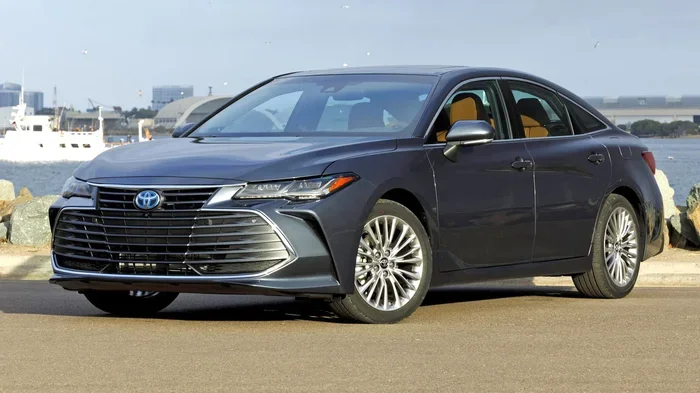
Toyota stopped producing the Avalon after the 2022 model year, marking the end of a nearly 25-year legacy for the full-size sedan. The Toyota Avalon was a beloved flagship sedan known for its comfort, reliability, and spacious interior. While Toyota no longer manufactures new Avalons, the model still holds a special place in the Toyota sedan lineup and remains a strong used car option.
Key Takeaways
- Toyota discontinued the Avalon after the 2022 model year: No new Toyota Avalons are being produced as of 2024 and beyond.
- The Avalon was Toyota’s full-size flagship sedan: It sat above the Camry in Toyota’s lineup and offered more space and luxury features.
- Toyota shifted focus to SUVs and crossovers: The automaker is moving away from sedans in favor of more popular SUV and truck segments.
- The Toyota Camry is the closest replacement: Buyers looking for a similar experience can turn to the Camry, which shares many of the Avalon’s strengths.
- Used Toyota Avalons are still a great buy: The Avalon remains a reliable, comfortable used sedan with strong resale value.
- The Avalon had a long and successful run: From 1995 to 2022, Toyota sold millions of Avalons across five generations.
📑 Table of Contents
The Short Answer: Does Toyota Still Make Avalons?
The simple answer is no. Toyota stopped making the Avalon after the 2022 model year. If you are shopping for a brand-new Toyota Avalon today, you will not find one at any dealership. Toyota officially ended Avalon production, and there are no current plans to bring it back.
This news disappointed many Toyota fans. The Avalon had been a staple in Toyota’s sedan lineup for nearly three decades. It was the brand’s largest and most comfortable sedan, offering a smooth ride and plenty of room for passengers. But the automotive world has changed fast, and Toyota made a bold move by retiring this iconic model.
So why did Toyota make this decision? What does it mean for fans of the Avalon? And what should you do if you are looking for a car like the Avalon today? This guide covers everything you need to know about the Toyota Avalon and its future.
Toyota made the decision to discontinue the Avalon as part of a larger strategy. The automaker is shifting its focus heavily toward SUVs, trucks, and crossovers. Sedans have been losing popularity in the United States for years, and Toyota is following the market trends. The company wants to put its resources where the demand is highest.
A Brief History of the Toyota Avalon
The Toyota Avalon first hit the market in 1994 as a 1995 model. It was Toyota’s answer to full-size sedans like the Ford Taurus and the Chevrolet Impala. Toyota wanted a car that could offer American buyers the space and comfort they loved but with the reliability and fuel efficiency that Toyota is known for.
The Avalon quickly became a hit. It was one of the first Toyota sedans designed specifically for the North American market. This meant Toyota built the Avalon with American preferences in mind. The car was wider, longer, and more comfortable than many Toyota models sold elsewhere in the world.
Five Generations of the Toyota Avalon
Over its lifetime, the Toyota Avalon went through five distinct generations. Each generation brought updates in design, technology, and performance.
- First Generation (1995-1999): The original Avalon was a bold move for Toyota. It was a large front-wheel-drive sedan with a V6 engine. The car offered a smooth ride and a quiet cabin, which was rare in its class at the time.
- Second Generation (2000-2004): Toyota gave the Avalon a more refined look. The car grew in size and offered more features. This generation also introduced the Avalon Limited trim, which added luxury touches.
- Third Generation (2005-2012): The Avalon received a significant redesign. Toyota added a hybrid version, which was a first for the model. The third-generation Avalon was known for its reliability and low cost of ownership.
- Fourth Generation (2013-2018): This generation brought a sportier feel to the Avalon. Toyota redesigned the exterior to look more aggressive and modern. The interior also got a major upgrade with better materials and technology.
- Fifth Generation (2019-2022): The final generation of the Avalon was the most modern. It featured Toyota’s latest safety technology, a sleek new design, and a powerful hybrid powertrain. The 2022 model was the last Toyota Avalon ever produced.
The Toyota Avalon had a remarkable run. For nearly 25 years, it served as Toyota’s flagship sedan. It competed with cars like the Honda Accord, Nissan Maxima, and the Toyota Camry. Each generation built on the success of the last, and the Avalon earned a loyal following along the way.
Why Did Toyota Discontinue the Avalon?
Toyota did not make the decision to discontinue the Avalon lightly. The company considered many factors before pulling the plug on this long-running model. Understanding these reasons helps explain why the Avalon is no longer part of Toyota’s lineup.
Declining Sedan Sales in the U.S.
The biggest reason is simple: people are buying fewer sedans. Over the past decade, American car buyers have shifted their preferences toward SUVs and trucks. Sedans now make up a much smaller share of the new car market. Toyota followed its customers where they were going. The company noticed that models like the RAV4, Highlander, and Tacoma were selling far better than any sedan in the lineup.
This trend is not unique to Toyota. Almost every automaker has reduced its sedan offerings in recent years. Even Honda discontinued the Accord and Civic sedans in some markets. The sedan segment in the U.S. has been shrinking steadily, and Toyota decided it was time to focus on what sells.
Toyota’s Shift Toward SUVs and Trucks
Toyota has been investing heavily in SUVs, trucks, and crossovers. The company sees much more profit potential in these segments. The RAV4 alone is one of the best-selling vehicles in America. Toyota wants to allocate its resources toward building more of these high-demand vehicles.
Building the Avalon also required significant investment. Toyota had to maintain separate production lines, tooling, and parts supply chains for the sedan. By consolidating its operations around SUVs and trucks, Toyota can streamline manufacturing and reduce costs. This allows the company to focus on models that generate higher revenue.
The Toyota Camry Fills the Gap
Another reason Toyota felt comfortable retiring the Avalon is that the Camry can cover much of the same market. The Camry is a mid-size sedan that offers many of the same qualities buyers loved in the Avalon. While the Camry is smaller, it still provides a comfortable ride, excellent reliability, and strong fuel economy.
Toyota believed that most Avalon buyers would be satisfied with the Camry instead. The Camry has always been Toyota’s best-selling sedan, and it continues to perform well in the market. By keeping the Camry and dropping the Avalon, Toyota simplified its sedan offerings without losing much market share.
The Toyota Avalon’s Final Years and Legacy
The last Toyota Avalons rolled off the production line in 2022. The 2022 model year served as the final chapter for this iconic sedan. Toyota made sure to end the Avalon on a high note with the final edition models, which included special features and trim levels.
Production and Manufacturing
Toyota built the Avalon at its Georgetown, Kentucky factory. This is the same plant that produces the Toyota Camry and the Lexus ES. The factory is one of Toyota’s largest operations in the United States, and it has been producing cars since 1988. A single car factory like this can produce thousands of vehicles every day, but Toyota gradually reduced Avalon production as demand declined.
The production process for the Avalon was similar to the Camry. Both cars share the same platform and many components. This made it efficient for Toyota to build both models at the same facility. However, as demand for the Avalon dropped, it made sense to focus production capacity on the Camry and other higher-demand models.
What Made the Avalon Special
The Toyota Avalon stood out for several reasons. First, it was one of the most spacious sedans on the market. The rear seat room was exceptional, making it a popular choice for families and chauffeured rides. The trunk was also large, easily fitting multiple suitcases or grocery bags.
Second, the Avalon was known for its comfort. The suspension was tuned for a smooth, quiet ride. Toyota used sound-deadening materials and thick window glass to reduce road noise. This made the Avalon feel more like a luxury car than a mainstream sedan.
Third, the Avalon was incredibly reliable. Toyota built a reputation for durability, and the Avalon lived up to that standard. Many owners reported driving their Avalons well past 200,000 miles with minimal issues. The car required regular maintenance, but the routine maintenance costs were reasonable and the car was relatively affordable to own over the long term.
The Avalon Hybrid
The Toyota Avalon Hybrid deserves special mention. It was one of the most fuel-efficient full-size sedans available. The hybrid system combined a 2.5-liter four-cylinder engine with an electric motor to deliver impressive fuel economy. The Avalon Hybrid could achieve over 40 miles per gallon on the highway, which was remarkable for a car of its size.
The hybrid version also offered a smooth and quiet driving experience. When running on electric power alone, the Avalon Hybrid was nearly silent. This made it a favorite for drivers who valued both performance and efficiency. The hybrid model was a highlight of the Avalon’s final years and showed Toyota’s commitment to electrification.
What Replaced the Toyota Avalon?
Toyota did not leave a void where the Avalon used to be. Instead, the company redirected its attention to other models that serve similar needs. Understanding what replaced the Avalon helps buyers find the right car for their lifestyle.
The Toyota Camry as the New Flagship Sedan
The Toyota Camry is now the top sedan in Toyota’s lineup. While it is a mid-size sedan rather than a full-size sedan like the Avalon, it offers a similar driving experience. The Camry is comfortable, reliable, and available with a hybrid powertrain. For many buyers, the Camry is the best choice in Toyota’s sedan range.
The Camry has also evolved significantly over the years. Modern Camrys are more refined and feature-rich than ever before. Toyota added a sportier XSE trim for buyers who want a more engaging driving experience. The Camry continues to be a strong seller and a solid alternative to the Avalon.
If you are someone who loved the Avalon for its space and comfort, the Camry might feel like a slight step down. The Camry is a smaller car overall, with less rear seat room and a smaller trunk. However, for most daily driving needs, the Camry delivers everything the average buyer needs.
Toyota’s SUV and Crossover Lineup
Toyota’s real strength now lies in its SUV and crossover lineup. The RAV4 is the best-selling SUV in America and offers a versatile, practical alternative to any sedan. The Highlander provides even more space with three rows of seating. The Grand Highlander is the newest addition and offers maximum room for families.
For buyers who want a luxurious experience, Toyota offers the Lexus brand. The Lexus ES is a luxury sedan that shares its platform with the Camry but adds premium features and a more refined feel. The Lexus RX is a popular crossover that combines comfort, technology, and versatility.
Toyota’s shift toward SUVs makes sense from a business perspective, but it also reflects what buyers want. SUVs offer higher seating positions, more cargo space, and a sense of versatility that sedans cannot match. The Avalon’s role as a comfortable family hauler is now filled by models like the Highlander and the Grand Highlander.
Comparing the Avalon to Its Competitors
When the Avalon was still in production, it competed with several other full-size and mid-size sedans. Understanding how the Avalon stacked up against these rivals helps put its legacy in perspective.
| Feature | Toyota Avalon | Toyota Camry | Honda Accord | Nissan Maxima |
|---|---|---|---|---|
| Size Class | Full-Size Sedan | Mid-Size Sedan | Mid-Size Sedan | Full-Size Sedan |
| Fuel Economy (Hybrid) | Up to 43 mpg | Up to 52 mpg | Up to 48 mpg | Up to 32 mpg |
| Rear Seat Room | Excellent | Good | Good | Very Good |
| Reliability Rating | Excellent | Excellent | Excellent | Good |
| Starting Price (at launch) | ~$36,000 | ~$26,000 | ~$27,000 | ~$36,000 |
| Current Status | Discontinued | In Production | In Production | Discontinued |
As you can see, the Toyota Avalon occupied a unique position in the market. It offered full-size comfort at a competitive price. Now that both the Avalon and the Nissan Maxima have been discontinued, the Toyota Camry and Honda Accord are the main players in the sedan segment.
Should You Buy a Used Toyota Avalon?
Even though Toyota no longer makes the Avalon, there are still plenty of used Avalons on the market. Buying a used Toyota Avalon can be a smart choice if you know what to look for. Here are some tips to help you make the right decision.
Best Model Years to Consider
Not all Toyota Avalons are created equal. Some model years are better than others. Here are the years worth looking at:
- 2019-2022: The final generation Avalons are the most modern. They come with Toyota Safety Sense, updated infotainment systems, and refined styling. These are the best choices if you want the latest technology.
- 2013-2018: The fourth-generation Avalons are also excellent. They offer a good balance of comfort, features, and reliability. These models are often more affordable than the newer ones.
- 2005-2012: The third-generation Avalons are known for their durability. The hybrid versions from this era are especially noteworthy for their fuel economy. However, older models may need more maintenance.
What to Check Before Buying
Before you buy a used Toyota Avalon, there are a few things you should check. First, get a full vehicle history report. This will show you any accidents, title issues, or service records. Second, have a trusted mechanic inspect the car. Even reliable cars like the Avalon can have hidden issues.
Check the condition of the tires, brakes, and suspension. Look for any signs of rust or body damage. Test all the electronics, including the climate control, audio system, and safety features. A thorough inspection gives you peace of mind and helps you avoid costly surprises.
Cost of Ownership
The Toyota Avalon is generally affordable to own. Maintenance costs are reasonable, and Toyota parts are widely available. The hybrid versions offer excellent fuel economy, which saves money at the pump. Insurance costs are also competitive, especially if you compare quotes from different providers. Car insurance typically does not cover mechanical problems, so it is important to budget for routine maintenance and unexpected repairs.
Overall, the Toyota Avalon is a strong choice in the used car market. It offers comfort, reliability, and value that is hard to beat. If you find a well-maintained Avalon, it can serve you well for many years to come.
The Future of Toyota Sedans
Toyota’s decision to discontinue the Avalon raises an important question: what is next for Toyota sedans? The company has made it clear that its future lies in SUVs, trucks, and electrification. Toyota is investing heavily in hybrid and electric vehicle technology across its entire lineup.
The Toyota Camry will likely remain the brand’s primary sedan for the foreseeable future. Toyota has also hinted at a potential all-electric sedan in the future, but nothing has been confirmed. For now, buyers who want a Toyota sedan will need to look at the Camry or consider a Lexus model.
The shift away from sedans is part of a broader industry trend. Automakers around the world are reducing their sedan offerings to focus on more profitable segments. Toyota’s decision to retire the Avalon is in line with what other manufacturers are doing. It is a strategic move that reflects where the market is heading.
While the end of the Avalon is sad news for fans, Toyota has shown that it can adapt to changing consumer preferences. The company has a strong portfolio of SUVs, trucks, and crossovers that continue to sell well. The Avalon may be gone, but Toyota’s commitment to quality and reliability remains stronger than ever.
Conclusion
So, does Toyota still make Avalons? The answer is no. Toyota discontinued the Avalon after the 2022 model year, ending a nearly 25-year legacy. The Toyota Avalon was a remarkable sedan that offered comfort, space, and reliability in abundance. It carved out a unique niche in the Toyota lineup and earned the loyalty of millions of owners.
While the Avalon is no longer in production, it lives on as a strong used car option. Buyers looking for a spacious, comfortable, and reliable sedan can still find great value in a used Toyota Avalon. The Camry also serves as a capable successor for those who want a new Toyota sedan.
The automotive industry is changing fast, and Toyota is evolving with it. The company’s focus on SUVs, trucks, and electrification reflects where buyers are headed. The Toyota Avalon will always hold a special place in Toyota’s history, and its legacy of comfort and reliability will continue to influence the brand for years to come.
If you are considering a Toyota Avalon, whether new or used, you are looking at a car with a proven track record. It is a car that delivers on comfort, reliability, and value. That is something Toyota built into every single Avalon, from the first generation to the last.
Frequently Asked Questions
What was the last year Toyota made the Avalon?
The last year Toyota produced the Avalon was 2022. The 2022 model year marked the end of production for this full-size sedan. Toyota officially discontinued the Avalon as part of its broader strategy to focus on SUVs and crossovers.
Why did Toyota stop making the Avalon?
Toyota stopped making the Avalon because sedan sales have been declining in the United States. The company is shifting its focus toward SUVs, trucks, and crossovers, which are more popular with buyers. Toyota also felt that the Camry could cover much of the same market segment that the Avalon served.
Is the Toyota Avalon a good used car to buy?
Yes, the Toyota Avalon is an excellent used car. It is known for its reliability, comfort, and spacious interior. Many Avalons have been driven well past 200,000 miles with minimal issues. When buying used, look for models from 2013 or newer for the best combination of features and reliability.
What car replaced the Toyota Avalon?
The Toyota Camry is the closest replacement for the Avalon. While the Camry is a mid-size sedan and the Avalon was a full-size sedan, the Camry offers a similar driving experience with comfort, reliability, and available hybrid powertrain. Toyota also directs buyers toward its SUV lineup, including the RAV4 and Highlander.
How does the Toyota Avalon compare to the Camry?
The Toyota Avalon is larger than the Camry, with more rear seat room and a bigger trunk. The Avalon also had a more luxurious feel in its later years. However, the Camry is more fuel-efficient, especially the hybrid version, and it is still currently in production. The Camry is also more affordable than a used Avalon.
Will Toyota bring back the Avalon in the future?
There are currently no plans for Toyota to bring back the Avalon. The company has stated that its sedan future centers on the Camry and potential electrified models. While anything is possible in the automotive industry, Toyota has given no indication that it intends to revive the Avalon nameplate.