How Long Will a Dodge Durango Last Compared to Others
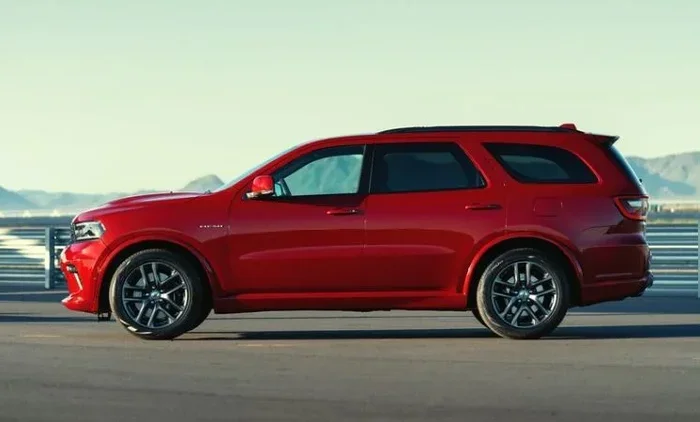
A Dodge Durango can last between 200,000 and 300,000 miles with proper care. This full-size SUV competes well against rivals like the Chevrolet Tahoe and Ford Expedition in terms of vehicle longevity. Regular maintenance, smart driving habits, and timely repairs play a huge role in how many miles your Durango will deliver.
The Dodge Durango has been a staple in the full-size SUV segment for over two decades. Many drivers ask one simple question: how long will a Dodge Durango last? The answer depends on several factors, but the numbers are genuinely impressive. With proper care, this vehicle can comfortably serve a family for 15 to 20 years or more.
In this article, we break down the Dodge Durango lifespan in detail. We compare it to competing SUVs, explore what affects longevity, and share practical tips to keep your ride running strong. Whether you already own a Durango or are considering buying one, this guide has something valuable for you.
Let us dive into the numbers, the real-world experiences, and the expert advice that will help you get the most out of your Dodge Durango. Understanding vehicle longevity starts with knowing what to expect and how to maintain your investment wisely.
Key Takeaways
- Impressive Lifespan: A well-maintained Dodge Durango can easily reach 200,000 to 300,000 miles, making it one of the most durable SUVs on the road.
- Strong Engine Options: The Hemi V8 engine and V6 variant both offer solid durability when serviced on schedule.
- Competitive Compared to Rivals: The Durango holds its own against the Chevrolet Tahoe, Ford Expedition, and Toyota Sequoia in longevity benchmarks.
- Maintenance Is Key: Following the recommended service schedule and addressing small issues early can add tens of thousands of miles to your vehicle’s life.
- Common Problems Exist: Transmission issues, suspension wear, and electrical gremlins are the most frequent concerns owners report over time.
- Resale Value Holds Well: A Durango with high mileage still commands respect in the used SUV market due to its reputation for durability.
📑 Table of Contents
How Long Does a Dodge Durango Typically Last?
The average Dodge Durango lifespan ranges from 200,000 to 300,000 miles. Some dedicated owners have pushed their vehicles well beyond 300,000 miles with consistent upkeep. The Dodge Durango engine and transmission are built to handle heavy use, which contributes to this impressive longevity.
According to data from automotive research platforms, the median Dodge Durango mileage at retirement sits around 180,000 miles. However, that number represents neglect or accident write-offs. A properly maintained Durango routinely exceeds 250,000 miles without major engine or transmission failure.
What Does the Manufacturer Say?
Stellantis, the parent company of Dodge, does not publish an official lifespan number. However, they back the Durango with a strong warranty package. The basic bumper-to-bumper warranty covers 3 years or 36,000 miles. The powertrain warranty extends to 5 years or 60,000 miles. These coverage periods give owners peace of mind during the early years of ownership.
The Durango reliability rating has improved over the generations. Earlier models from the early 2000s had more quirks. Modern versions from 2011 onward show much better build quality and fewer chronic issues. This improvement directly contributes to a longer vehicle lifespan for current and recent model years.
Real-World Owner Reports
Owner forums and survey data paint a clear picture. Many Dodge Durango owners report crossing the 200,000-mile mark with only routine maintenance costs. Some describe their vehicles as feeling strong even at 250,000 miles. Common feedback highlights the V8 engine’s toughness and the solid transmission when properly serviced.
Here is what real owners commonly report about vehicle longevity:
- Engine components often last beyond 250,000 miles without major rebuilds.
- The 8-speed automatic transmission holds up well with regular fluid changes.
- Body and frame integrity remain strong, with minimal rust issues in most climates.
- Interior components like the infotainment system may need attention before the engine does.
Dodge Durango vs. Other SUVs: Longevity Comparison
How does the Dodge Durango stack up against the competition? Let us look at the numbers and compare this full-size SUV to its closest rivals. The table below summarizes average lifespans and key reliability data.
- Chevrolet Tahoe: Similar lifespan of 200,000 to 300,000 miles. Both SUVs share a body-on-frame platform that supports long-term durability.
- Ford Expedition: Comparable longevity with many owners reaching 250,000 miles. The Expedition’s EcoBoost engine adds a modern twist to traditional SUV durability.
- Toyota Sequoia: Often cited as the gold standard for SUV reliability. Many Sequoias exceed 300,000 miles with minimal issues.
- GMC Yukon: Holds up well with 200,000 to 280,000 miles on average. The Yukon shares much mechanical DNA with the Tahoe.
Where Does the Durango Shine?
The Dodge Durango offers a unique blend of performance and practicality. Its available HEMI V8 engine delivers strong towing capability, which sets it apart from many competitors. The third-row seating provides genuine family-friendly space without sacrificing power.
In terms of SUV durability, the Durango holds its own against Toyota’s legendary reputation. While the Sequoia may edge ahead in long-term dependability, the Durango offers a more engaging driving experience. The balance of power, comfort, and longevity makes it a compelling choice for families who need a long-lasting SUV.
Cost of Ownership Over Time
SUV ownership costs vary widely depending on the model and maintenance habits. The Dodge Durango sits in the mid-range for repair expenses. Major repairs like transmission work or engine service can be costly, but they are not as frequent as some competitors might suggest.
Here is a quick look at estimated SUV repair costs over a 10-year ownership period:
- Dodge Durango: Moderate. Expect $8,000 to $12,000 in total repairs.
- Chevrolet Tahoe: Moderate. Similar range with slightly lower transmission costs.
- Toyota Sequoia: Lower. Often cited as the most cost-effective to maintain.
- Ford Expedition: Moderate. Some electrical issues can add to the bill.
These numbers are estimates based on aggregated owner data. Individual results vary based on driving conditions, maintenance discipline, and luck. Still, they give a helpful framework for understanding vehicle dependability across the segment.
Key Factors That Affect Durango Lifespan
Several factors determine how long your Dodge Durango will serve you well. Some are within your control, and others depend on circumstances beyond your influence. Understanding these factors helps you make smarter decisions about vehicle care.
Driving Habits
How you drive directly impacts vehicle longevity. Aggressive acceleration, hard braking, and frequent towing put extra stress on the engine and transmission. Gentle driving habits reduce wear on all major components.
Try to follow these car maintenance tips for better longevity:
- Warm up the engine gently before pushing it hard.
- Avoid sudden stops whenever safe and possible.
- Do not overload the vehicle beyond its rated capacity.
- Use cruise control on highways to maintain steady speeds.
Maintenance Schedule Adherence
This is the single biggest factor in Dodge Durango lifespan. Sticking to the manufacturer’s recommended service intervals keeps everything running smoothly. Skipping oil changes or ignoring warning signs leads to premature wear and expensive repairs down the road.
Critical maintenance items for the Dodge Durango include:
- Oil and filter changes every 5,000 to 7,500 miles.
- Transmission fluid replacement at 60,000-mile intervals.
- Brake inspections and pad replacements as needed.
- Coolant flushes every 30,000 to 50,000 miles.
- Spark plug replacements according to the maintenance schedule.
- Timing chain inspection at higher mileage thresholds.
Climate and Storage Conditions
Where you live and how you store your SUV matter more than most people realize. Extreme heat accelerates fluid breakdown and rubber component aging. Cold climates can cause moisture buildup in the engine and transmission if the vehicle sits unused for long periods.
Garage storage is ideal, but even a covered parking spot helps. In harsh climates, consider more frequent fluid changes and protective treatments for exposed undercarriage components. These simple steps protect your Dodge Durango from environmental damage that shortens vehicle lifespan.
Towing and Payload Usage
The Dodge Durango is a capable tow vehicle, but frequent heavy towing takes a toll. The HEMI V8 handles the workload well, but the transmission, suspension, and brakes all work harder when pulling heavy loads. If you tow regularly, increase your service intervals and inspect components more frequently.
Common Dodge Durango Problems to Watch For
Every vehicle has its quirks, and the Dodge Durango is no exception. Knowing what to watch for helps you catch problems early before they become expensive repairs. Most issues are manageable when addressed promptly.
Transmission Concerns
The 8-speed automatic transmission in recent Durango models has been mostly reliable. However, some owners report rough shifting or delayed engagement at higher mileage. Regular fluid changes are the best prevention. If you notice any unusual behavior, get it checked immediately. Early transmission repairs are far cheaper than full rebuilds.
Suspension Wear Over Time
The Durango’s solid rear axle and independent front suspension handle the road well, but components wear out over time. Shock absorbers, control arms, and bushings typically need replacement between 100,000 and 150,000 miles. Signs include excessive bouncing, uneven tire wear, or a knocking sound over bumps.
Electrical Gremlins
Modern SUVs rely heavily on electronics, and the Durango is no different. Some owners report issues with the infotainment system, power liftgate, or sensor modules as the vehicle ages. These problems are rarely dangerous but can be frustrating. Keeping software updated and replacing failing modules promptly keeps your Dodge Durango running smoothly.
Engine Oil Consumption
Some HEMI V8 engines exhibit higher oil consumption than expected. This is not unique to the Durango but is worth monitoring. Check your oil level regularly between changes. If you notice the level dropping quickly, consult a mechanic to rule out internal leaks or worn valve seals.
Rust and Body Integrity
The Dodge Durango generally resists rust well, but northern climates with heavy road salt exposure can cause issues. Regular washing, especially under the vehicle, helps prevent corrosion. Inspect the wheel wells, rocker panels, and frame for any signs of rust during routine maintenance checks.
Maintenance Tips to Extend Your Durango’s Life
Proper maintenance is the secret to a long Dodge Durango lifespan. Following a disciplined schedule and paying attention to warning signs keeps your SUV reliable for years. Here are the most impactful steps you can take.
Follow the Factory Service Schedule
Stellantis provides a detailed maintenance schedule in the owner’s manual. This document outlines every service interval for your specific model year. Following it to the letter is the single best thing you can do for vehicle longevity. Do not skip services even if the vehicle seems fine. Preventive care always costs less than reactive repairs.
Use Quality Parts and Fluids
Not all fluids and parts are created equal. Using manufacturer-recommended or better-quality products protects your engine, transmission, and other critical systems. Cheap fluids may save money upfront but can lead to premature wear. Think of quality maintenance as an investment in your Dodge Durango‘s future.
Address Small Issues Immediately
That annoying rattle, the check engine light, or the slight vibration during braking — these small signs often point to bigger problems brewing. Catching them early saves money and prevents cascading damage. A $50 repair today can prevent a $2,000 repair next month. Stay vigilant and act quickly on anything that feels or sounds off.
Keep Detailed Maintenance Records
A simple log of every service, repair, and inspection helps you track your vehicle’s health over time. It also adds value when you decide to sell. Buyers appreciate documented maintenance history, and it gives you confidence that you have not missed anything important.
Drive with Care
Gentle driving extends every component in your Dodge Durango. Avoid rapid acceleration from cold starts, give the transmission time to shift properly, and do not lug the engine at low RPMs under heavy load. Smart driving habits compound over thousands of miles to deliver a noticeably longer vehicle lifespan.
Quick Tip: Set a reminder on your phone for every 5,000 miles to check fluid levels, tire pressure, and overall vehicle condition. This simple habit takes five minutes but pays enormous dividends in long-term reliability.
Is the Dodge Durango Worth the Long-Term Investment?
The answer for most buyers is a resounding yes. The Dodge Durango offers a compelling combination of power, space, and durability that few competitors match. Its Dodge Durango engine options provide ample performance for towing, hauling, and daily driving alike.
When you consider the Dodge Durango resale value, the long-term picture becomes even more attractive. A well-maintained Durango holds its value reasonably well in the used SUV market. Buyers consistently seek out models with high mileage and documented maintenance records, knowing these vehicles still have plenty of life left.
The Durango reliability rating has earned respect among SUV owners. While it may not top every reliability survey, it performs solidly in the full-size SUV category. The combination of strong engineering, available performance, and family-friendly practicality makes it a vehicle that delivers value over many years of ownership.
Families who need a third-row SUV with genuine towing capability will find the Durango hard to beat. The long-lasting SUV reputation means you are buying a vehicle that can grow with your family and handle whatever adventures lie ahead. Proper care and attention ensure that your investment pays off mile after mile.
Final Thoughts on Durango Longevity
Owning a Dodge Durango for the long haul is entirely achievable. The vehicle’s engineering, combined with disciplined maintenance, delivers a vehicle lifespan that competes with the best in the segment. Whether you use it for family trips, towing, or daily commutes, the Durango rewards owners who invest in its care.
Remember, longevity is not just about the miles on the odometer. It is about the experiences, the road trips, and the memories made behind the wheel. A well-cared-for Dodge Durango becomes more than transportation — it becomes a trusted partner in your family’s story.
Take the lessons from this guide and apply them to your ownership journey. Follow the maintenance schedule, drive with awareness, and address issues promptly. Your Dodge Durango will reward you with years of dependable service and countless miles of enjoyment.
Frequently Asked Questions
What is the average lifespan of a Dodge Durango?
A well-maintained Dodge Durango typically lasts between 200,000 and 300,000 miles. Some owners report pushing their vehicles past 300,000 miles with consistent upkeep and timely repairs. Your actual lifespan depends heavily on maintenance habits and driving conditions.
How does the Dodge Durango compare to the Toyota Sequoia in reliability?
The Toyota Sequoia often edges ahead in long-term reliability surveys, but the Dodge Durango holds its own in the full-size SUV segment. The Durango offers stronger performance and towing capability, while the Sequoia tends to have slightly lower repair costs over time. Both are solid choices for buyers seeking vehicle longevity.
What is the most common problem with the Dodge Durango?
Transmission issues top the list of common Dodge Durango problems, particularly in higher-mileage vehicles. Rough shifting and delayed engagement are the most frequently reported concerns. Regular transmission fluid changes significantly reduce the risk of these issues developing.
Can a Dodge Durango last 300,000 miles?
Yes, many Dodge Durango owners have reached 300,000 miles or more. This milestone requires diligent maintenance, gentle driving habits, and prompt attention to any warning signs. The HEMI V8 engine and robust transmission are built to support this level of mileage when properly cared for.
How often should I service my Dodge Durango to maximize its lifespan?
Follow the factory service schedule found in your owner’s manual. Oil changes every 5,000 to 7,500 miles, transmission fluid changes at 60,000 miles, and regular brake inspections form the foundation of long-term Durango care. Staying on top of these services is the best investment you can make.
Does towing shorten the lifespan of a Dodge Durango?
Frequent heavy towing can accelerate wear on the transmission, suspension, and brakes. However, the Durango is designed to handle towing loads within its rated capacity. If you tow regularly, increase your service frequency and inspect components more often to maintain optimal vehicle dependability.