How Long Is a Ford F-150 Complete Size Dimensions
The Ford F-150 is a full-size pickup truck, and its Ford F-150 length varies widely depending on the cab style and bed configuration. Understanding the Ford F-150 dimensions helps you choose the right setup for towing, hauling, or daily driving. This guide covers every Ford F-150 measurement you need to know before buying.
If you have ever wondered how long a Ford F-150 is, you are not alone. This truck is a beast, and its size is one of the first things people notice. The Ford F-150 length changes depending on the cab style, bed option, and model year. Knowing these numbers helps you plan your garage space, towing setup, and daily driving experience. In this guide, we break down every Ford F-150 dimension you need to know.
The Ford F-150 has been America’s best-selling truck for decades. Its popularity comes from a perfect mix of capability, comfort, and size options. But size is not one-size-fits-all. Different configurations give you different lengths, and each one serves a different purpose. Whether you need a compact work truck or a spacious family hauler, understanding the Ford F-150 overall length is the first step.
Key Takeaways
- Multiple Lengths Available: The Ford F-150 length ranges from about 209 inches to over 258 inches depending on cab and bed configuration.
- Cab Size Changes Everything: Regular Cab, SuperCab, and SuperCrew each add significant length to the overall Ford F-150 size.
- Bed Length Matters for Hauling: Short beds, standard beds, and long beds offer different cargo capacities and overall truck lengths.
- Wheelbase Affects Stability: The Ford F-150 wheelbase measurement impacts towing, ride quality, and turning radius.
- Generational Differences Exist: Newer Ford F-150 generations are slightly longer and wider than older models.
- Size Impacts Parking and Maneuverability: Knowing the Ford F-150 overall length helps you plan garage space and city driving.
- Compare Before You Buy: Always compare Ford F-150 dimensions against your garage, towing needs, and daily use habits.
📑 Table of Contents
- Ford F-150 Length: Why It Matters More Than You Think
- Understanding Ford F-150 Dimensions Across Generations
- Ford F-150 Cab Sizes and How They Affect Overall Length
- Ford F-150 Bed Length Options Explained
- Ford F-150 Wheelbase: The Hidden Measurement That Matters
- Ford F-150 Size Comparison with Other Full-Size Trucks
- Quick Tips for Understanding Ford F-150 Length
- Common Mistakes Buyers Make With Ford F-150 Size
- How to Choose the Right Ford F-150 Size for Your Needs
- Ford F-150 Size and the Future of Full-Size Trucks
- Conclusion
Ford F-150 Length: Why It Matters More Than You Think
Many buyers focus on horsepower and towing numbers. But the Ford F-150 length affects your daily life in real ways. A longer truck might not fit in your garage. A shorter truck might not haul what you need. The Ford F-150 size directly impacts parking, maneuverability, and even fuel economy.
When you know the Ford F-150 dimensions, you can make smarter buying decisions. You avoid surprises at the dealership. You plan your driveway or garage correctly. You choose the right configuration for your lifestyle. The Ford F-150 overall length is not just a number on a spec sheet. It is a practical measurement that shapes your ownership experience.
Let us look at why length matters in real-world situations. First, parking. A longer Ford F-150 length means tighter parallel parking spots. Second, garage fit. Not all garages accommodate full-size trucks equally. Third, towing visibility. Longer trucks can have different blind spots. Fourth, fuel efficiency. Aerodynamics play a role, and longer trucks face more wind resistance. Each of these factors ties back to the Ford F-150 measurements you choose.
Understanding Ford F-150 Dimensions Across Generations
How Generational Changes Affected Ford F-150 Length
The Ford F-150 has gone through many generations since its debut in 1948. Each generation brought changes to the Ford F-150 size and Ford F-150 dimensions. The 13th generation (2015-present) is the current lineup, and it introduced aluminum body construction. This made the truck lighter but kept the Ford F-150 overall length competitive with earlier steel-body models.
Older generations like the 12th gen (2009-2014) were slightly different in Ford F-150 length and width. The 11th generation (2004-2008) brought even more changes. Over time, Ford has balanced tradition with innovation. The result is a truck that feels modern but still delivers the Ford F-150 measurements buyers expect from a full-size pickup.
Here are some key generational highlights for Ford F-150 length:
- 13th Generation (2015-2024): Aluminum body, refined Ford F-150 dimensions, improved aerodynamics.
- 12th Generation (2009-2014): Steel body, strong towing capability, solid Ford F-150 size options.
- 11th Generation (2004-2008): Introduced the SuperCrew cab, expanded Ford F-150 overall length choices.
- 10th Generation (1997-2003): First major redesign, set the stage for modern Ford F-150 measurements.
When shopping used, always check the specific model year. The Ford F-150 length can vary by a few inches between generations. This matters if you are fitting the truck into a specific space or comparing it against other vehicles.
Ford F-150 Cab Sizes and How They Affect Overall Length
The cab style is the biggest factor in Ford F-150 length. Ford offers three main cab configurations. Each one adds length and interior space in different ways. Your choice depends on how many passengers you carry and how much cargo room you need.
Regular Cab: The Compact Workhorse
The Ford F-150 Regular Cab is the shortest configuration. It has two doors and a front bench seat. This setup keeps the Ford F-150 size as compact as possible. The Regular Cab is ideal for solo drivers or small work crews who prioritize cargo bed space over passenger room.
The Ford F-150 length in Regular Cab form typically starts around 209 inches for short bed models. This makes it one of the more manageable full-size trucks on the road. If you need a work truck that fits in tight spaces, the Regular Cab is worth considering.
SuperCab: The Versatile Middle Ground
The Ford F-150 SuperCab adds rear suicide doors to the mix. This gives you more passenger space without a full-size rear bench. The Ford F-150 overall length increases to around 228-250 inches depending on bed length. The SuperCab is a popular choice for families who need occasional extra seating.
Many buyers choose the SuperCab because it balances the Ford F-150 dimensions well. You get more room than the Regular Cab without the length penalty of the SuperCrew. It is a sweet spot for work-and-family use.
SuperCrew: The Spacious Family Option
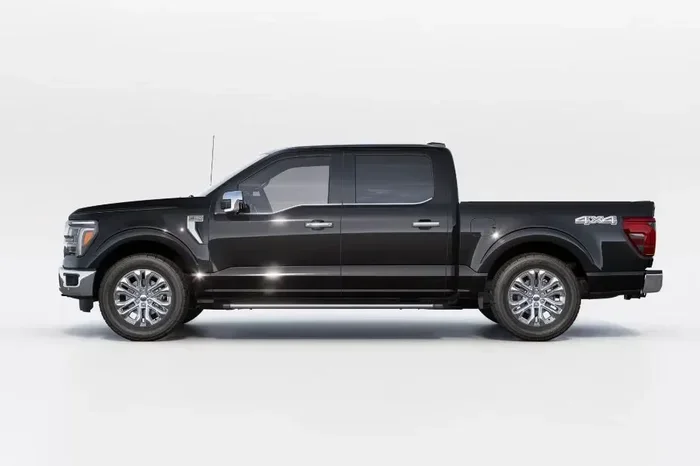
The Ford F-150 SuperCrew is the longest cab option. It has four full-size doors and a rear bench seat. The Ford F-150 length in SuperCrew form starts around 231 inches for short bed models and goes up to 258 inches for long bed configurations. This is the choice for families who need maximum interior space.
The SuperCrew Ford F-150 size is perfect for road trips and daily commuting with a full crew. However, the extra length means you need more parking space. Plan your garage and parking spots carefully before choosing the SuperCrew configuration.
Ford F-150 Bed Length Options Explained
The bed is where the Ford F-150 really shows its utility. Ford offers three bed lengths across most cab configurations. Each bed length changes the Ford F-150 overall length and the cargo capacity. Let us break down the options.
Short Bed: Compact and Maneuverable
The short bed, also called the Styleside short bed, is the most compact cargo option. It keeps the Ford F-150 length manageable while still offering useful hauling space. Short bed models are popular among urban drivers and light-duty work users.
Short bed Ford F-150 dimensions typically add about 50-55 inches to the cab length. The total Ford F-150 measurements remain within a range that most garages can accommodate. If you park in a standard driveway or a compact parking spot, the short bed is a smart choice.
Standard Bed: The All-Around Option
The standard bed offers a balance of cargo space and overall length. It is the most common bed option for the Ford F-150. The Ford F-150 size with a standard bed works well for most hauling and towing needs without being overly long.
Many buyers find the standard bed hits the sweet spot. It gives you enough Ford F-150 cargo space for weekend projects and work materials. The Ford F-150 length stays reasonable for daily driving and parking.
Long Bed: Maximum Hauling Capacity
The long bed is for serious haulers and contractors. It adds significant length to the Ford F-150 overall length. Long bed models can push the total Ford F-150 dimensions past 250 inches. This is a truck that demands respect in parking lots and garages.
The long bed Ford F-150 measurements are ideal for hauling lumber, furniture, and large equipment. However, the added length affects maneuverability and fuel economy. Consider your daily driving environment before choosing the long bed option.
Ford F-150 Configuration Comparison
| Configuration | Approx. Overall Length | Best For |
|---|---|---|
| Regular Cab, Short Bed | ~209-214 inches | Work trucks, tight parking |
| Regular Cab, Long Bed | ~231-236 inches | Maximum cargo, small crews |
| SuperCab, Short Bed | ~228-233 inches | Work and family balance |
| SuperCab, Long Bed | ~250-255 inches | Hauling with extra seating |
| SuperCrew, Short Bed | ~231-236 inches | Family use, light hauling |
| SuperCrew, Long Bed | ~253-258 inches | Maximum space, serious hauling |
These Ford F-150 measurements are approximate and can vary by model year and trim. Always check the specific specs for the exact year you are considering. The Ford F-150 length can shift by a few inches between trim levels and engine options.
Ford F-150 Wheelbase: The Hidden Measurement That Matters
While overall Ford F-150 length gets the most attention, the wheelbase is equally important. The wheelbase is the distance between the front and rear axles. It affects ride quality, stability, and turning radius. A longer wheelbase generally means a smoother ride and better towing stability.
The Ford F-150 wheelbase varies with cab and bed combinations. SuperCrew models typically have the longest wheelbase, which contributes to their comfortable ride. Regular Cab models have the shortest wheelbase, making them more nimble in tight spaces.
Here are quick tips for understanding the Ford F-150 wheelbase:
- A longer wheelbase improves towing stability and ride comfort.
- A shorter wheelbase makes the truck easier to maneuver and park.
- The wheelbase affects the truck’s turning radius and garage fit.
- Always consider both overall Ford F-150 length and wheelbase when parking.
The Ford F-150 dimensions work together as a system. The wheelbase, overall length, and cab size all interact. Understanding this helps you choose the right configuration for your needs.
Ford F-150 Size Comparison with Other Full-Size Trucks
How does the Ford F-150 length stack up against the competition? The Ford F-150 size is competitive within the full-size truck segment. Let us compare it to two popular rivals: the Chevrolet Silverado 1500 and the Ram 1500.
The Silverado 1500 offers similar Ford F-150 dimensions in its crew cab short bed configuration. The Ram 1500 is slightly shorter in some configurations but offers comparable cargo space. Each truck has its own strengths in the Ford F-150 size comparison category.
Here are some key comparison points for Ford F-150 length:
- Ford F-150: 209-258 inches depending on configuration, strong towing and payload ratings.
- Chevrolet Silverado 1500: 210-257 inches, competitive Ford F-150 size comparison numbers.
- Ram 1500: 210-255 inches, slightly more car-like driving feel despite full-size Ford F-150 dimensions class.
The Ford F-150 overall length gives it a slight edge in some configurations. But the differences are small. Your choice should come down to features, drivetrain, and personal preference rather than Ford F-150 measurements alone.
Expert Insight
According to truck industry analysts, the Ford F-150 length has remained remarkably consistent across recent generations. Ford focused on improving interior space and capability without dramatically increasing the Ford F-150 size. This strategy has kept the F-150 competitive in a segment where buyers value both practicality and performance.
Quick Tips for Understanding Ford F-150 Length
Here are some practical tips to help you navigate Ford F-150 dimensions:
- Measure your garage before buying. Know the Ford F-150 length you can fit comfortably.
- Test drive different configurations. The feel of a SuperCrew long bed is very different from a Regular Cab short bed.
- Consider your towing needs. Longer wheelbase models tow more smoothly, even if the Ford F-150 overall length is greater.
- Think about resale value. Popular Ford F-150 size configurations tend to hold value better.
- Check local parking regulations. Some areas have vehicle length limits that affect full-size trucks.
Common Mistakes Buyers Make With Ford F-150 Size
Many buyers make avoidable mistakes when choosing a Ford F-150. Here are the most common ones:
- Ignoring garage fit. Buyers fall in love with the Ford F-150 size but forget to check if it fits their garage door and interior space.
- Overlooking the wheelbase. The Ford F-150 wheelbase affects daily driving more than people realize. A long wheelbase in a tight neighborhood can be frustrating.
- Choosing the wrong bed length. A long bed looks great but may be impractical for daily use. Consider how often you actually haul large items.
- Not test-driving the specific configuration. The Ford F-150 length changes the driving feel. Always test the exact model you plan to buy.
- Forgetting about turning radius. Longer Ford F-150 measurements mean wider turns. This matters in parking lots and tight city streets.
Avoiding these mistakes saves time, money, and frustration. Take the time to understand the Ford F-150 dimensions before signing on the dotted line.
How to Choose the Right Ford F-150 Size for Your Needs
Choosing the right Ford F-150 length comes down to your lifestyle. Ask yourself a few key questions. How many passengers do you regularly carry? What do you haul most often? Where do you park daily? How important is maneuverability versus cargo space?
If you are a single driver or a couple with occasional cargo needs, the Ford F-150 Regular Cab with a short bed keeps the Ford F-150 size manageable. If you have a family and need more room, the SuperCrew configuration provides the best passenger space, though it adds to the Ford F-150 overall length.
For work use, match the bed length to your typical loads. A SuperCab with a standard bed offers a great balance of Ford F-150 cargo space and daily drivability. The Ford F-150 measurements should serve your real-world needs, not just look good on paper.
Consider the Ford F-150 wheelbase as part of your decision. A longer wheelbase improves ride quality and towing stability. But it also increases the turning radius. Think about where you drive most often and whether a longer truck will feel comfortable in those environments.
The Ford F-150 dimensions also affect fuel economy. Longer trucks generally have slightly lower MPG due to increased weight and aerodynamic drag. If fuel efficiency matters to you, consider a shorter configuration. The Ford F-150 length is not just about capability. It is about efficiency and practicality too.
Ford F-150 Size and the Future of Full-Size Trucks
The automotive industry is shifting toward electrification, and the Ford F-150 is no exception. The Ford F-150 Lightning is the electric version of this legendary truck. Its Ford F-150 size and Ford F-150 dimensions are very similar to the gas-powered models. Ford kept the familiar Ford F-150 length and cargo space that buyers love.
Future generations may bring subtle changes to the Ford F-150 measurements. Advances in materials and engineering could allow for longer beds or more interior space without increasing overall Ford F-150 length. The Ford F-150 overall length will likely remain in the 209-258 inch range for the foreseeable future.
What does this mean for buyers today? The current Ford F-150 dimensions are well-established and proven. You are getting a mature, refined product with decades of refinement behind the Ford F-150 size and Ford F-150 length specifications. Whether you choose gas or electric, the fundamentals remain the same.
Conclusion
Understanding how long a Ford F-150 is is essential for making the right purchase. The Ford F-150 length varies from about 209 inches to over 258 inches depending on cab style, bed length, and configuration. The Ford F-150 dimensions are shaped by three cab sizes, three bed lengths, and multiple trim levels.
Your choice should be based on real-world needs. Consider your garage space, daily driving habits, towing requirements, and passenger needs. The Ford F-150 size is versatile enough to serve almost any lifestyle. But only you can determine which configuration fits yours best.
Use the Ford F-150 measurements in this guide as a starting point. Test drive different configurations. Compare the Ford F-150 overall length against your parking and storage situation. And remember, the right truck is the one that works for your life. The Ford F-150 length is just one piece of the puzzle, but it is an important one.
Take your time, do your research, and choose the Ford F-150 configuration that gives you the best blend of capability, comfort, and convenience. The perfect truck is out there waiting for you.
Frequently Asked Questions
What is the shortest Ford F-150 length available?
The shortest Ford F-150 length is found in the Regular Cab with a short bed configuration. This setup measures approximately 209 inches, or about 17.4 feet, from bumper to bumper. It is the most compact Ford F-150 size Ford currently offers, making it ideal for tight garages and urban driving.
How does the Ford F-150 SuperCrew length compare to the SuperCab?
The Ford F-150 SuperCrew is typically 6 to 12 inches longer than the SuperCab in the same bed configuration. The SuperCrew adds full rear doors and more rear passenger room, which increases the Ford F-150 overall length. If you need maximum passenger space and do not mind the extra length, the SuperCrew is the way to go.
Can I fit a Ford F-150 in a standard two-car garage?
Most standard two-car garages are about 20 to 24 feet wide. A Ford F-150 in Regular Cab or SuperCab short bed configuration will fit comfortably. However, SuperCrew long bed models can exceed 25 feet in Ford F-150 length, which may be too long for a standard garage. Always measure your space before purchasing.
Does the Ford F-150 length affect towing capacity?
Yes, the Ford F-150 length and wheelbase do affect towing capacity. Longer wheelbase models generally tow more smoothly and stably. However, the maximum towing capacity is primarily determined by the engine, drivetrain, and payload ratings rather than the Ford F-150 dimensions alone. Check the specific tow specs for your chosen configuration.
How has the Ford F-150 length changed over the years?
The Ford F-150 length has remained relatively stable across recent generations. The current 13th generation offers similar Ford F-150 measurements to the 12th generation, with slight variations depending on cab and bed options. Older generations from the 1990s and early 2000s were sometimes slightly shorter or longer depending on the specific model year and configuration.
What is the difference between Ford F-150 length and Ford F-150 wheelbase?
The Ford F-150 length is the total distance from the front bumper to the rear bumper. The wheelbase is the distance between the center of the front wheel and the center of the rear wheel. Both measurements matter. The Ford F-150 overall length affects parking and garage fit, while the wheelbase affects ride quality, stability, and turning radius.