How Many Gallons Does a Ford F150 Hold Gas Tank Guide
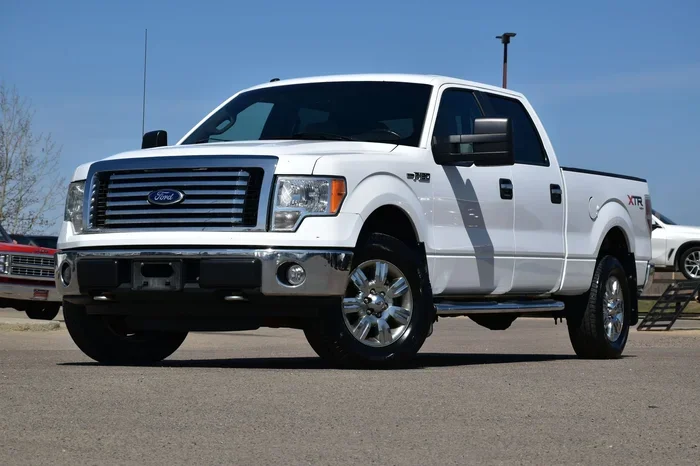
The Ford F150 gas tank capacity varies by model and year, typically ranging from 23 to 36 gallons. Whether you drive a base XL or a powerful Raptor, knowing your Ford F150 fuel tank size helps you plan trips and avoid running out of fuel. This guide covers every generation, engine option, and configuration so you know exactly what to expect.
The Ford F150 is one of the best selling trucks in America. People love it for its strength, reliability, and capability. But one question comes up again and again: how many gallons does a Ford F150 hold? The answer is not as simple as you might think. Tank size changes depending on the model year, trim level, and engine option you choose.
Knowing your Ford F150 gas tank capacity is important for planning road trips, estimating fuel costs, and avoiding those scary moments when the gauge hits empty. In this guide, we break down everything you need to know about the F150 fuel tank size. We cover every major generation, engine type, and trim configuration. By the end, you will know exactly what to expect from your truck.
Let us dive right in and explore the world of Ford F150 fuel tanks. Whether you own a new 2024 model or are shopping for a used truck from 2010, this guide has you covered.
Key Takeaways
- Standard tank size: Most Ford F150 models come with a 23 to 26 gallon fuel tank as the default option.
- Larger options exist: Some trims and configurations offer up to 36 gallons for extended range.
- Engine choice matters: Different engines like the 3.3 liter V6, 5.0 V8, and 3.5 EcoBoost affect fuel consumption and range.
- Year matters: Newer generations of the F150 have different tank sizes compared to older models.
- Fuel range varies widely: Depending on MPG and tank size, your F150 can travel 400 to over 700 miles on a single tank.
- Aftermarket upgrades are available: You can install larger fuel tanks for serious towing and long haul needs.
📑 Table of Contents
- Ford F150 Gas Tank Capacity by Generation
- Ford F150 Tank Size by Engine Type
- How Far Can a Ford F150 Go on a Full Tank
- Ford F150 Tank Size by Trim Level
- Can You Upgrade Your Ford F150 Fuel Tank
- Tips to Maximize Your Ford F150 Fuel Range
- Common Mistakes People Make with F150 Fuel Tanks
- Ford F150 Hybrid and Electric Fuel Considerations
- Final Thoughts on Ford F150 Fuel Tank Capacity
Ford F150 Gas Tank Capacity by Generation
The Ford F150 has gone through many changes since it first launched in 1948. Each generation brought updates to the design, technology, and yes, the fuel tank. Understanding which generation your truck belongs to helps you find the right tank size.
13th Generation (2015 to 2020)
The 13th generation F150 was a major redesign. Ford switched to an aluminum body, which made the truck much lighter. The standard Ford F150 tank size for this generation was 23 gallons. This was smaller than some older models, but the lighter weight helped improve fuel economy.
However, Ford offered an optional larger tank on some configurations. The extended range tank held 36 gallons. This was a game changer for people who towed heavy loads or drove long distances. With a 36 gallon tank and good MPG, you could go over 700 miles on a single fill up.
14th Generation (2021 to 2024)
The 14th generation F150 brought even more changes. The standard tank remained at 23 gallons for most configurations. But Ford again offered the 36 gallon tank as an option on select models. The 2021 through 2024 models also introduced the PowerBoost hybrid, which came with its own tank specifications.
If you are shopping for a newer F150, always check the specific trim and package. The F150 fuel tank size can differ even within the same year. The XLT, Lariat, and King Ranch trims often have different standard tank options compared to the base XL or STX.
Older Generations (Pre 2015)
Older Ford F150 models from the 12th generation and earlier typically had larger standard tanks. Many came with 26 gallon tanks as the base option. Some heavy duty configurations offered 30 gallon or even 36 gallon tanks. If you drive a classic F150, your tank is likely bigger than what you find in a new model today.
The shift toward smaller tanks in newer models was not about cutting corners. It was about weight reduction and fuel efficiency. Lighter trucks use less gas, which benefits both the environment and your wallet at the pump.
Ford F150 Tank Size by Engine Type
The engine you choose plays a big role in how much fuel your F150 uses. But it also affects which tank size is available. Not every engine option comes with every tank size. Here is a closer look at how engines and tanks connect.
3.3 Liter V6 (Base Engine)
The base 3.3 liter V6 engine comes on most F150 XL and STX models. This engine is rated at about 290 horsepower. It pairs with the standard 23 gallon tank. The combined fuel economy for this setup is around 20 miles per gallon in the city and 26 on the highway. That gives you a driving range of roughly 460 to 598 miles per tank.
5.0 Liter V8
The 5.0 liter V8 is a favorite among truck enthusiasts. It delivers serious power and towing capability. This engine typically comes with the 23 gallon standard tank. Because the V8 uses more fuel, your range will be shorter compared to the V6. Expect around 15 to 18 MPG depending on driving conditions. That means a range of about 345 to 414 miles per fill up.
3.5 Liter EcoBoost V6
The 3.5 EcoBoost is a turbocharged engine that balances power and efficiency. It produces up to 400 horsepower in some configurations. This engine is available with both the 23 gallon and 36 gallon tank options. The EcoBoost gets better fuel economy than the V8, so the larger tank really shines for long hauls.
3.5 Liter PowerBoost Hybrid
The PowerBoost hybrid combines a V6 engine with an electric motor. It produces a combined 430 horsepower. The hybrid system improves fuel economy significantly. The PowerBoost comes with a 23 gallon tank, but the electric assist means you fill up less often. Some drivers report getting over 25 MPG on the highway with this powertrain.
5.2 Liter V8 (Raptor)
The Ford F150 Raptor is a high performance off road machine. It comes with a 5.2 liter V8 engine and a specialized tank. The Raptor uses a 26 gallon tank in most configurations. This is bigger than the standard 23 gallon tank but smaller than the 36 gallon option. The Raptor is not built for fuel economy, so plan your fuel stops carefully on long desert runs.
How Far Can a Ford F150 Go on a Full Tank
Understanding your Ford F150 fuel range helps you plan trips and avoid surprises. The range depends on two main factors: tank size and fuel economy. Let us look at some real world numbers.
With a standard 23 gallon tank and an average MPG of 22, your F150 can travel about 506 miles. With the 36 gallon extended range tank and the same MPG, you get about 792 miles. That is a huge difference. It means fewer gas stops and more time on the road.
Here are some quick estimates for different configurations:
- 23 gallon tank, 20 MPG: About 460 miles of range
- 23 gallon tank, 25 MPG: About 575 miles of range
- 36 gallon tank, 20 MPG: About 720 miles of range
- 36 gallon tank, 25 MPG: About 900 miles of range
- 26 gallon Raptor tank, 16 MPG: About 416 miles of range
These numbers are estimates. Your actual range will vary based on driving habits, load weight, tire pressure, and road conditions. Highway driving gives you more range than city driving. Towing a heavy trailer drops your range significantly.
Ford F150 Tank Size by Trim Level
Different trim levels come with different standard features, and the fuel tank is no exception. Here is a breakdown of what you can expect from popular F150 trims.
| Trim Level | Standard Tank | Extended Tank Option | Typical MPG |
|---|---|---|---|
| XL | 23 gallons | 36 gallons | 19-22 MPG |
| STX | 23 gallons | 36 gallons | 19-22 MPG |
| XLT | 23 gallons | 36 gallons | 20-24 MPG |
| Lariat | 23 gallons | 36 gallons | 20-24 MPG |
| King Ranch | 23 gallons | 36 gallons | 20-24 MPG |
| Raptor | 26 gallons | Not available | 15-18 MPG |
| Lightning | 23 gallons | 36 gallons | 18-22 MPG |
As you can see, most trims offer the same tank options. The Raptor stands out with its unique 26 gallon tank. The Lightning, being an electric hybrid model, has different fuel considerations we will touch on shortly.
Can You Upgrade Your Ford F150 Fuel Tank
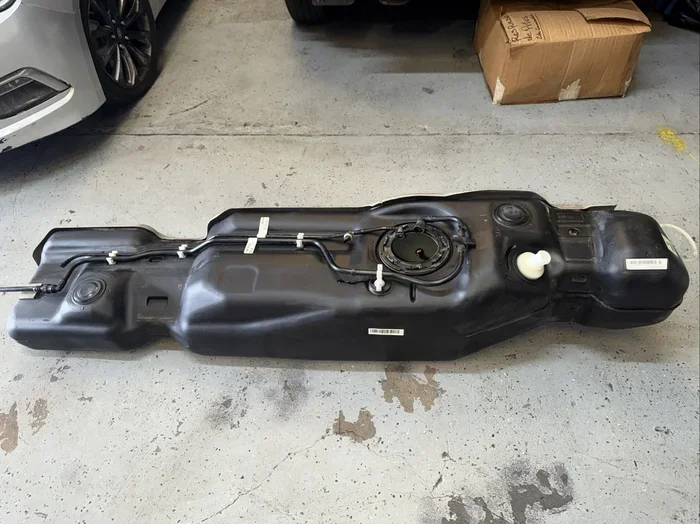
Many F150 owners want more range. The good news is that aftermarket fuel tank upgrades are available. If your truck came with a 23 gallon tank, you can often swap in a larger unit.
Aftermarket tanks from companies like Rhino Fuel Tanks and Transfer Flow offer sizes up to 40 gallons or more. These tanks are designed to fit in the existing fuel tank cavity without major modifications. Installation typically takes a few hours and costs between 500 and 1500 dollars depending on the tank and your model year.
Here are some things to consider before upgrading:
- Check local laws: Some states have regulations on aftermarket fuel tank sizes.
- Warranty concerns: Installing an aftermarket tank may void parts of your factory warranty.
- Space constraints: The truck bed and underbody have limited space. Make sure the tank fits properly.
- Fuel type: If you use E85 or diesel, make sure the aftermarket tank is compatible.
For serious overland travelers and heavy tower operators, an upgraded tank is a smart investment. It means fewer fuel stops and more confidence on long journeys through remote areas.
Tips to Maximize Your Ford F150 Fuel Range
Want to get the most miles out of every gallon? Here are some practical tips that actually work.
Keep Your Tires Properly Inflated
Under inflated tires create rolling resistance. This forces your engine to work harder and burn more fuel. Check your tire pressure at least once a month. The recommended pressure is listed on the driver side door jamb. Keeping tires at the right pressure can improve your MPG by up to 3 percent.
Reduce Excess Weight
The heavier your truck, the more fuel it burns. Remove unnecessary items from your bed and cab. Every 100 pounds of extra weight can reduce your fuel economy by about 1 percent. If you do not need that cargo rack or heavy tool box on your truck, take it off when you are not using it.
Use Cruise Control on Highways
Maintaining a steady speed saves fuel. Cruise control helps you avoid unnecessary acceleration and deceleration. On flat highways, cruise control can improve your MPG by 5 to 10 percent. Just be sure to stay alert and ready to take control when needed.
Avoid Excessive Idling
Idling burns fuel without moving. If you are parked for more than 30 seconds, turn off the engine. Modern F150 models with stop start technology do this automatically, but older trucks do not. Shutting off your engine at long train crossings or while waiting in a parking lot saves gas.
Plan Your Routes Wisely
Use navigation apps that show fuel stations along your route. Planning stops before your tank gets too low prevents emergency situations. When towing, factor in extra fuel stops since your range drops significantly under load.
Common Mistakes People Make with F150 Fuel Tanks
Even experienced truck owners make mistakes when it comes to fuel management. Here are some common ones to avoid.
Running the tank too low: Many people wait until the low fuel light comes on before filling up. This is bad for your fuel pump. Sediment settles at the bottom of the tank, and running low can pull that debris into the engine. Try to keep your tank at least a quarter full at all times.
Ignoring the fuel gauge calibration: After a tank change or fuel pump replacement, the gauge may not read accurately. Do not trust the remaining range estimate blindly. Use the odometer and track your miles per fill up to get a better sense of your actual fuel level.
Overlooking the extended range tank option: When buying a new F150, many people skip the larger tank because of the upfront cost. But the extra range pays for itself over time, especially if you do a lot of highway driving or towing.
Using the wrong fuel: Always use the fuel grade recommended by Ford. Most F150 models run fine on regular unleaded. The 3.5 EcoBoost and 5.0 V8 can benefit from premium fuel, but it is not required. Using premium when your engine does not need it is just wasted money.
Ford F150 Hybrid and Electric Fuel Considerations
The Ford F150 line now includes hybrid and fully electric options. The PowerBoost hybrid uses a 1.5 kilowatt hour battery alongside its 23 gallon gas tank. The hybrid system recaptures energy during braking and uses electric power at low speeds. This means you use less gas overall.
The Ford F150 Lightning is a fully electric pickup. It does not have a gas tank at all. Instead, it has a large battery pack that provides about 230 to 320 miles of range depending on the configuration. If you are considering an F150 Lightning, forget about gallons and think about kilowatt hours instead.
Both options represent a shift in how we think about fuel and range in the F150 lineup. The traditional gas tank is not going away, but the electric revolution is here too.
Final Thoughts on Ford F150 Fuel Tank Capacity
So, how many gallons does a Ford F150 hold? The answer ranges from 23 to 36 gallons for most gas powered models. The Raptor sits in between at 26 gallons. Your specific Ford F150 tank size depends on your model year, trim level, and engine choice.
Understanding your fuel tank capacity helps you make better decisions. You can plan longer trips with confidence. You can compare costs between models before buying. And you can avoid the stress of running low on fuel in remote areas.
Whether you stick with the standard 23 gallon tank or upgrade to the 36 gallon extended range option, knowing your numbers is power. Use the tips in this guide to maximize your range and get the most out of every gallon. Your Ford F150 is a capable machine. With the right fuel strategy, it will take you anywhere you need to go.
Take a moment to check your own truck’s specifications. Look at your owner manual or check the door jamb sticker. Knowing your exact Ford F150 gas tank capacity is the first step toward smarter fuel management. Drive safe, plan ahead, and enjoy every mile in your F150.
Frequently Asked Questions
What is the standard Ford F150 gas tank size?
The standard Ford F150 gas tank holds 23 gallons. This is the default option on most XL, STX, XLT, and Lariat trims across recent model years. It provides a good balance between fuel capacity and truck weight for everyday driving.
Does the Ford F150 Raptor have a different tank size?
Yes, the Ford F150 Raptor comes with a 26 gallon fuel tank. This is larger than the standard 23 gallon tank but smaller than the optional 36 gallon extended range tank. The Raptor’s tank is designed to support its high performance driving style and off road adventures.
Can I add a bigger fuel tank to my Ford F150?
Yes, aftermarket fuel tank upgrades are available for most F150 models. Companies like Rhino Fuel Tanks and Transfer Flow offer tanks up to 40 gallons or more. Installation is straightforward but may affect your factory warranty, so check with your dealer first.
How far can a Ford F150 go on a full tank?
A Ford F150 with a 23 gallon tank can travel between 400 and 600 miles depending on driving conditions and MPG. With the 36 gallon extended range tank, the range jumps to 600 to 900 miles. Highway driving with light loads gives the best fuel range.
Which Ford F150 engine gets the best fuel economy?
The 3.5 liter PowerBoost hybrid delivers the best fuel economy in the F150 lineup. It can achieve over 25 MPG on the highway. The 3.3 liter V6 also offers solid efficiency with around 20 to 26 MPG depending on driving conditions.
Is the Ford F150 fuel tank size the same for SuperCrew and Regular Cab?
In most cases, yes. The fuel tank size is the same regardless of cab configuration. Both SuperCrew and Regular Cab models typically come with the same 23 gallon standard tank and 36 gallon extended range option. The difference lies in bed length and interior space, not fuel capacity.
=== CONCLUSION ===
The Ford F150 fuel tank size is a key detail every truck owner should know. From the standard 23 gallon tank to the 36 gallon extended range option, your choice affects your driving range, trip planning, and fuel costs. Whether you drive a base XL or a powerful Raptor, understanding your Ford F150 gas tank capacity puts you in control. Use the information in this guide to make informed decisions about your truck and get the most out of every tank of fuel.