Are Tesla Tires Run Flats Everything You Need to Know
Are Tesla tires run flats? No, Teslas do not come standard with run flat tires. Tesla vehicles use regular low rolling resistance tires designed for comfort, efficiency, and range. However, you can install run flat tires as an aftermarket option if you want extra peace of mind. Understanding your Tesla tire setup helps you make smarter decisions about replacements, repairs, and emergency preparedness.
Are Tesla tires run flats? This is one of the most common questions new Tesla owners ask. If you are shopping for a Tesla or just got one, understanding your tire setup matters a lot. Tires affect everything from ride comfort to driving range to safety.
The short answer is no. Tesla vehicles do not come with run flat tires from the factory. Instead, Teslas use standard low rolling resistance tires built specifically for electric vehicles. These tires focus on efficiency, quiet rides, and long tread life. But there is more to the story than just a simple yes or no.
In this article, we will cover everything you need to know about Tesla tires. We will look at what OEM tires Teslas use, why Tesla chose standard tires over run flats, what to do when you get a flat, and whether you can switch to run flat tires yourself. Whether you drive a Model 3, Model Y, Model S, or Model X, this guide has you covered.
Key Takeaways
- Tesla vehicles do not use run flat tires from the factory. They come with standard all season tires optimized for range and ride comfort.
- Tesla OEM tires are supplied by brands like Michelin, Continental, and Pirelli. These are specifically engineered for electric vehicles.
- If a Tesla tire goes flat, you will need roadside assistance or a spare. Teslas do not come with a full-size spare tire in most models.
- Run flat tires can be installed on a Tesla as an aftermarket upgrade. However, they may affect ride quality and range.
- Tesla’s tire pressure monitoring system (TPMS) alerts you early. This helps prevent sudden flats and extends tire life.
- Regular tire maintenance is essential for Tesla owners. Proper inflation, rotation, and alignment keep tires lasting longer.
- Tesla tire replacement costs vary by model and tire size. Knowing your options saves money and time.
📑 Table of Contents
What Tires Do Teslas Come With?
Every Tesla model rolls off the assembly line with a specific tire setup. Tesla works closely with tire manufacturers to design rubber that maximizes electric vehicle performance. These are not generic tires you find at any auto shop. They are purpose-built for electric cars.
OEM Tire Brands and Models
Tesla uses tires from several top brands. The most common suppliers include Michelin, Continental, Pirelli, and Goodyear. Each tire is selected based on the model, trim level, and wheel size.
- Tesla Model 3: Often equipped with Michelin Primacy MXM4 or Continental TrueContact Tour tires.
- Tesla Model Y: Typically uses Michelin e・Primacy or Continental TrueContact Tour all season tires.
- Tesla Model S: Usually comes with Michelin Pilot Sport 4 EV or Continental PremiumContact 6 tires.
- Tesla Model X: Often fitted with Michelin Pilot Sport 4 EV or similar high performance tires.
These tires are designed with low rolling resistance in mind. That means they create less friction as they roll. Less friction equals less energy used. And less energy used means more driving range for your Tesla. This is a huge advantage for electric vehicle owners.
Understanding Tesla Tire Sizes
Tesla tire sizes vary by model and trim. Here is a quick breakdown of common tire sizes across the lineup:
- Model 3: 18-inch wheels use 235/45R18 tires. 19-inch wheels use 235/40R19 tires.
- Model Y: 18-inch wheels use 255/45R18 tires. 20-inch wheels use 255/40R20 tires.
- Model S: 19-inch wheels use 245/45R19 tires. 21-inch wheels use 245/35R21 tires.
- Model X: 20-inch wheels use 265/45R20 tires. 22-inch wheels use 285/35R22 tires.
These sizes are important to know when shopping for replacements. Always check your owner manual or the tire placard on the driver side door jamb before buying new tires.
Are Tesla Tires Run Flats?
Now let us get to the heart of the question. Are Tesla tires run flats? The answer is no, not from the factory. Tesla uses standard tires with regular sidewalls. These are not reinforced like run flat tires.
How Run Flat Tires Work
Run flat tires are designed to keep you driving even after a puncture. They have reinforced sidewalls that support the vehicle weight even when air pressure is lost. This allows you to drive a limited distance, usually between 50 and 100 miles, at reduced speed.
Run flat tires work through one of two technologies. Some use reinforced rubber sidewalls that hold the car up. Others use a support ring made of hard rubber or polymer that attaches to the wheel. Both designs prevent the tire from collapsing.
The main benefit of run flat tires is safety and convenience. You do not have to pull over immediately to change a tire. You can drive to a shop or a safe location. However, run flat tires also have downsides. They tend to provide a harsher ride. They can be more expensive. And they are harder to repair once damaged.
Why Tesla Chose Standard Tires Instead
Tesla made a deliberate choice to use standard tires rather than run flats. There are several reasons for this decision.
First, ride comfort matters a lot in electric vehicles. Teslas are known for their smooth, quiet cabin. Run flat tires have stiffer sidewalls that transmit more road noise and vibration. This would hurt the driving experience Tesla is known for.
Second, range is everything for an electric car. Standard low rolling resistance tires help maximize efficiency. Run flat tires are heavier and create more rolling resistance. This would reduce driving range, which is the last thing any EV owner wants.
Third, Tesla provides roadside assistance through its service network. If you do get a flat, Tesla can send a service van or arrange a tow. This reduces the need for run flat tires as a safety net.
Finally, most Tesla models do not come with a full-size spare tire. Instead, they include a temporary mobility kit with a compressor and sealant. This is enough for minor punctures and slow leaks. Tesla trusts that its tire technology and service network make run flats unnecessary.
What Happens When a Tesla Tire Goes Flat?
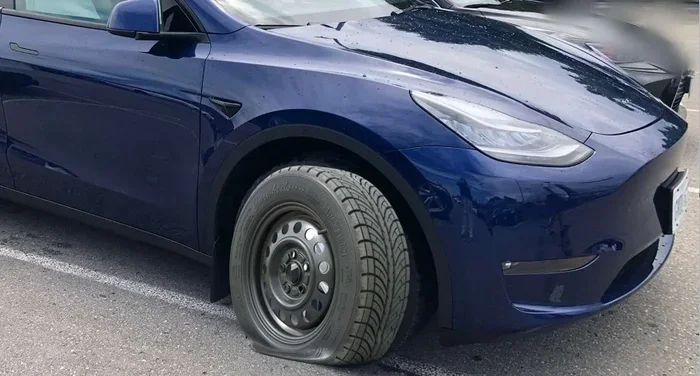
Even with the best tires, flats happen. A nail in the road, a pothole, or road debris can cause a puncture. Here is what you need to know when a Tesla tire goes flat.
Tesla Tire Pressure Monitoring System
Every Tesla comes with a tire pressure monitoring system, or TPMS. This system uses sensors in each wheel to monitor air pressure in real time. If pressure drops below a safe level, your dashboard will alert you.
The Tesla TPMS is very sensitive. It can detect small pressure changes before they become serious problems. This early warning gives you time to pull over safely. It also helps prevent uneven tire wear caused by low pressure.
You can check your tire pressure directly from the Tesla touchscreen. Go to Controls, then Service, and select Tire Pressure. This shows the current pressure for each tire. Compare these readings to the recommended PSI listed on your door jamb.
Emergency Procedures When You Get a Flat
If you do get a flat tire in a Tesla, here is what you should do:
- Pull over safely. Find a flat, stable surface away from traffic. Turn on your hazard lights.
- Check the TPMS alert. Confirm which tire is low. Look for visible damage like a nail or screw.
- Use the mobility kit if available. Most Teslas come with a compressor and tire sealant. This can temporarily seal small punctures and let you drive to a service center.
- Call Tesla Roadside Assistance. If the mobility kit does not work, contact Tesla. They can arrange a tow or send a service vehicle.
- Do not drive on a completely flat tire. Driving on a zero-pressure standard tire can damage the wheel rim and the tire beyond repair.
Tesla Roadside Assistance is included with your vehicle for a certain period. Check your owner manual for the exact coverage details. After the initial period, you may need to pay for service calls.
Tesla Tire Replacement and Repair Options
When a Tesla tire is damaged, you have several options for repair or replacement. Understanding these options helps you make informed decisions and avoid unnecessary costs.
Cost of Tesla Tire Replacement
Tesla tire replacement costs vary depending on the model and tire size. Here is a rough price range for common Tesla tires:
| Tesla Model | Tire Size | Approximate Cost Per Tire |
|---|---|---|
| Model 3 (18 in) | 235/45R18 | $180 – $250 |
| Model 3 (19 in) | 235/40R19 | $220 – $300 |
| Model Y (18 in) | 255/45R18 | $190 – $260 |
| Model Y (20 in) | 255/40R20 | $230 – $320 |
| Model S (19 in) | 245/45R19 | $200 – $280 |
| Model S (21 in) | 245/35R21 | $260 – $350 |
These prices include the tire only. Installation, balancing, and valve stem fees may add $20 to $50 per tire. If you have Tesla tire coverage or an extended warranty, some or all of these costs may be covered.
Can You Use Run Flat Tires on a Tesla?
Yes, you can install run flat tires on a Tesla as an aftermarket upgrade. Many Tesla owners choose to do this for the extra peace of mind. However, there are important considerations before making the switch.
Run flat tires are typically heavier than standard tires. This extra weight can slightly reduce your driving range. They also tend to have a stiffer ride, which may affect the comfort Tesla is known for. Some owners report more road noise with run flats on their Teslas.
If you do decide to switch, make sure the run flat tire size matches your wheel size exactly. Consult a tire professional or check Tesla’s specifications before purchasing. Not all run flat tires are compatible with Tesla TPMS sensors, so compatibility is key.
Tesla Tire Warranty Coverage
Tesla provides a limited warranty on tires. New Tesla vehicles come with a 4-year or 50,000-mile tire warranty, whichever comes first. This warranty covers defects in materials and workmanship. It does not cover damage from road hazards, accidents, or normal wear and tear.
Some Tesla trim levels include an extended tire warranty. The Model S and Model X Plaid trims, for example, may come with additional tire coverage. Check your purchase agreement or ask your Tesla sales advisor for specific details.
Tesla Tire Maintenance Tips
Proper maintenance keeps your Tesla tires healthy and extends their lifespan. Here are some practical tips every Tesla owner should follow.
Extending Tire Life on Your Tesla
Tesla tires are an investment. Taking care of them saves you money in the long run. Here are proven ways to extend tire life:
- Check tire pressure monthly. Proper inflation is the single most important factor in tire longevity. Underinflated tires wear out faster on the outer edges of the tread.
- Rotate tires every 6,000 to 8,000 miles. Regular rotation ensures even wear across all four tires. This can add thousands of miles to tire life.
- Get a wheel alignment every 12,000 miles. Misaligned wheels cause uneven tire wear and can affect handling and range.
- Avoid aggressive driving. Hard acceleration, sharp cornering, and sudden braking all wear tires faster. Smooth driving habits extend tire life.
- Keep tires clean. Road salt, debris, and UV rays can damage tire sidewalls. Wash your tires regularly and apply a UV protectant.
Common Tesla Tire Problems
Tesla tires face some unique challenges due to the weight and torque of electric vehicles. Here are the most common issues owners report:
- Uneven front tire wear: Teslas are heavy, and the front tires handle most of the braking and steering weight. This causes faster wear on the front tires.
- Premature wear on performance trims: Higher performance tires on Model S and Model X Plaid trims wear faster due to increased power and speed.
- TPMS sensor failures: Cold weather can cause TPMS sensors to drain faster. If your tire pressure light comes on in winter, check actual pressure before assuming a problem.
- Sidewall damage from potholes: Standard tires without run flat reinforcement are more vulnerable to sidewall damage from potholes and curbs.
Quick Tips for Tesla Tire Care
Here are some quick tips to keep in mind:
- Keep a tire pressure gauge in your garage and check pressures when tires are cold.
- Store your Tesla in a garage when possible to protect tires from extreme heat and cold.
- Replace tires in pairs or sets of four for best performance and handling.
- Use Tesla-recommended tire brands and sizes for optimal compatibility.
- Schedule tire service at a Tesla Service Center for proper diagnosis and repair.
Expert Insights and Final Thoughts
So, are Tesla tires run flats? The answer remains no, and for good reason. Tesla has carefully engineered its tire strategy around efficiency, comfort, and range. Standard low rolling resistance tires deliver the best overall experience for most drivers.
That said, run flat tires are not a bad choice for every Tesla owner. If you frequently drive in areas with poor road conditions, or if you want the added security of being able to drive on a punctured tire, aftermarket run flats are a viable option. Just be prepared for a slightly harsher ride and a potential reduction in range.
The most important thing you can do as a Tesla owner is stay proactive about tire care. Monitor your tire pressure regularly. Address punctures quickly. Follow the maintenance schedule. Good tire habits keep you safe, save you money, and protect your investment.
Tesla’s tire technology continues to evolve. New tire designs are being developed specifically for electric vehicles with even lower rolling resistance and longer tread life. As the EV market grows, we can expect even more innovation in this space.
Whether your Tesla came with standard tires or you chose to upgrade to run flats, understanding your tire setup is essential. Know your tire sizes, know your warranty coverage, and know what to do when something goes wrong. This knowledge gives you confidence on the road and keeps your Tesla performing at its best.
Take a few minutes today to check your tire pressure. Look at your tread depth. Make sure you have the contact information for Tesla Roadside Assistance saved in your phone. These small steps make a big difference in your ownership experience.
Your tires are the only part of your Tesla that touches the road. Treat them well, and they will take care of you for thousands of miles to come.
Frequently Asked Questions
Can I put run flat tires on my Tesla?
Yes, you can install run flat tires on a Tesla as an aftermarket upgrade. Just make sure the tire size matches your wheel size and is compatible with your Tesla’s TPMS sensors. Keep in mind that run flats may reduce ride comfort and driving range slightly.
Do Teslas come with a spare tire?
Most Tesla models do not include a full-size spare tire. Instead, they come with a temporary mobility kit that includes a compressor and tire sealant. This kit is designed for minor punctures and slow leaks, not for completely flat or severely damaged tires.
How long do Tesla tires last?
Tesla tires typically last between 30,000 and 50,000 miles depending on driving habits, tire brand, and maintenance. Regular tire rotation, proper inflation, and wheel alignment can help extend tire life significantly.
Why do Tesla tires wear out faster than regular car tires?
Tesla tires wear faster because electric vehicles are heavier than gas-powered cars. The instant torque from the electric motor also puts extra stress on the tires. Additionally, Teslas use low rolling resistance tires that prioritize efficiency over maximum durability.
What should I do if my Tesla tire pressure light comes on?
First, check the actual tire pressure using the TPMS display on your touchscreen. If pressure is low, find a safe place to pull over and inspect the tire for visible damage. Use the mobility kit for small punctures or call Tesla Roadside Assistance for help.
Are Tesla tires covered under warranty?
New Teslas come with a limited tire warranty of 4 years or 50,000 miles. This covers manufacturing defects but does not cover damage from road hazards, accidents, or normal wear. Some trim levels may include extended tire coverage.
=== CONCLUSION ===
Are Tesla tires run flats? No, they are not. Tesla uses standard low rolling resistance tires designed for comfort, efficiency, and maximum range. These tires come from top brands like Michelin, Continental, and Pirelli and are engineered specifically for electric vehicles.
While run flat tires are available as an aftermarket option, they are not necessary for most Tesla owners. Tesla’s tire pressure monitoring system, roadside assistance, and mobility kit provide enough support for most flat tire situations. Regular maintenance and proactive care go a long way in keeping your tires healthy.
Now that you know the full story about Tesla tires and run flats, you can make confident decisions about your vehicle. Check your tire pressure regularly, follow the maintenance schedule, and always have a plan in place for emergencies. Your Tesla tires are built to perform, and with the right care, they will serve you well for miles to come.