After Windshield Replacement Care Tips You Should Know
Proper after windshield replacement care ensures your new glass stays secure, leak-free, and safe for years. Knowing what to do in the first 24 hours and beyond makes all the difference. This guide covers curing times, cleaning tips, ADAS calibration, and common mistakes to avoid.
Getting a new windshield is a big deal. You just spent money and time on replacing one of the most important safety features in your car. But here is the thing most people miss. The installation is only half the battle. What you do afterward matters just as much. That is where after windshield replacement care comes in.
Your new windshield is only as good as the care you give it after installation. The adhesive that holds it in place needs time to cure. The seal needs to set properly. And the surrounding systems in your vehicle may need adjustments too. Skip any of these steps, and you could face leaks, wind noise, or even a loose windshield down the road.
This guide walks you through everything you need to know. From the first hour after installation to long-term maintenance, we have you covered. You will learn practical tips, common mistakes to avoid, and expert advice that actually works. Let us get started.
Key Takeaways
- Wait for the full cure: Your urethane adhesive needs time to set. Avoid driving too soon and follow your technician’s drive-away time advice.
- Skip the car wash for 24-48 hours: Water pressure can weaken the fresh seal before it fully hardens.
- Keep windows cracked open: This helps the adhesive cure evenly and prevents pressure buildup inside the cabin.
- Clean gently: Use mild soap and a soft cloth. Harsh chemicals and ammonia-based cleaners can damage the windshield seal and surrounding trim.
- Get ADAS recalibrated: Modern vehicles with advanced driver assistance systems need recalibration after any windshield change.
- Watch for warning signs: Water leaks, wind noise, or a loose feeling mean you should contact your installer right away.
- Follow warranty guidelines: Proper care keeps your windshield warranty valid and protects your investment.
📑 Table of Contents
- Understanding the Curing Process After Windshield Replacement
- Immediate Post-Replacement Care: The First 24 Hours
- Cleaning and Maintaining Your New Windshield
- Seasonal Care Tips for Your New Windshield
- Dealing with Common Problems After Replacement
- Maximizing the Lifespan of Your New Windshield
- Final Thoughts on After Windshield Replacement Care
Understanding the Curing Process After Windshield Replacement
The adhesive bond between your new windshield and the car frame is the foundation of everything. Without proper curing, that bond stays weak. Understanding how this process works helps you make smart decisions right after leaving the shop.
What Happens During the Curing Process
When the technician installs your new windshield, they use a urethane adhesive. This glue bonds the glass to the vehicle frame. Over time, it transitions from a wet, flexible state to a hard, rigid bond. This transition is called curing. It is a chemical reaction that depends on air exposure and moisture.
Most modern urethane adhesives need at least one to two hours to reach a safe drive-away state. But full cure can take anywhere from 24 to 72 hours. Temperature, humidity, and the specific adhesive type all play a role. Your installer should give you a clear drive-away time before you leave.
Why Drive-Away Time Matters
Drive-away time is the minimum window you must wait before getting behind the wheel. It is not a suggestion. It is a safety requirement. During this window, the adhesive has not built enough strength to hold the windshield securely in a crash.
Driving too soon puts you at serious risk. In a sudden stop or collision, the windshield could pop out. That defeats the entire purpose of the replacement. Always ask your installer for the exact drive-away time. Write it down. Set a reminder on your phone. Do not rush this step.
Immediate Post-Replacement Care: The First 24 Hours
The first day after your windshield replacement is the most critical. What you do — and what you avoid — sets the stage for a strong, lasting bond. Follow these steps closely.
What to Do Right After Installation
- Wait the recommended drive-away time before starting the engine.
- Keep the car parked in a safe, sheltered spot for at least 24 hours.
- Crack the windows slightly to allow air circulation and help the adhesive cure evenly.
- Check for any visible gaps around the edges of the new glass. A uniform seal should be intact.
- Keep the interior dry. Avoid wetting the dashboard area near the windshield edges.
What to Avoid in the First Day
Here is a list of things you should not do after getting a new windshield. These actions can compromise the bond and lead to future problems.
- Do not press on the windshield from the inside. No leaning on the glass, no resting your head against it.
- Do not slam the doors repeatedly. The pressure waves can shift the glass before the adhesive sets.
- Do not drive on rough roads or highways at high speeds.
- Do not use the defroster on high heat. Rapid temperature changes stress the curing adhesive.
- Do not remove any retention tape the installer placed around the edges.
- Do not take your car through an automatic car wash. The high-pressure water can seep under the edges and weaken the seal.
Cleaning and Maintaining Your New Windshield
Once the initial curing period passes, you can start cleaning your new glass. But how you clean it matters more than you might think. The wrong products or techniques can damage the seal, the trim, and even the glass itself.
The Right Way to Clean After Windshield Replacement
Start with the basics. Use a mild, ammonia-free glass cleaner. Ammonia-based sprays can break down the urethane adhesive over time. They can also damage the rubber trim that surrounds the windshield.
Use a soft microfiber cloth. Avoid paper towels or rough rags. They can leave tiny scratches that weaken the glass surface over time. Wipe gently in circular motions. Do not press hard on the edges where the seal meets the frame.
For the interior, a simple mix of water and a drop of dish soap works great. Dampen the cloth, wring it out well, and wipe the glass. Dry it immediately with a clean, dry microfiber towel.
Cleaning Don’ts You Need to Know
- Do not use abrasive cleaners or scrubbing pads on the windshield surface.
- Do not use high-pressure washers near the windshield edges, even weeks after installation.
- Do not use vinegar-based cleaners in large amounts. Vinegar can degrade certain sealant materials over time.
- Do not clean the edges of the glass where the adhesive seal sits. Keep cleaning products away from the perimeter.
Seasonal Care Tips for Your New Windshield
Weather plays a big role in how well your windshield holds up over time. Different seasons bring different challenges. Knowing how to handle each one keeps your windshield seal strong all year long.
Summer Care
Hot temperatures can actually help the adhesive cure faster. But extreme heat creates its own risks. Park in the shade when possible. A car sitting in direct sun for hours can experience thermal expansion. This puts stress on the curing bond.
Never blast the air conditioning at full power immediately after getting into a hot car. Let the car warm up gradually. Sudden temperature swings from freezing cold AC to scorching glass can stress the windshield and the adhesive.
Winter Care
Cold weather slows down the curing process significantly. If you get a windshield replacement in winter, give yourself extra time. The drive-away time might be longer than in summer conditions.
Never use hot water to melt ice on your new windshield. The thermal shock can crack the glass or weaken the bond. Use a proper ice scraper instead. Turn on the defroster on a low setting and let it warm the glass gradually.
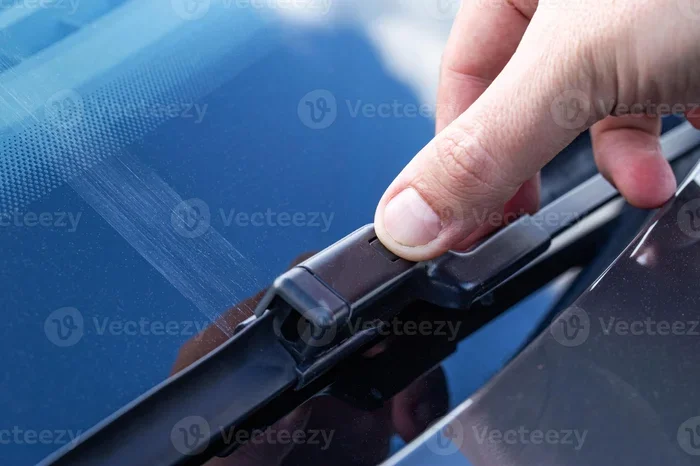
Before winter hits, check your windshield wipers. Worn blades can scratch a new windshield and damage the edges near the seal. Replace them at least once a year.
Rainy Season Precautions
Heavy rain tests your windshield seal like nothing else. In the first few weeks after replacement, keep an eye on your interior. If you notice any water dripping near the edges, contact your installer immediately. Small leaks caught early are easy to fix. Ignored leaks can lead to mold, rust, and structural damage.
Dealing with Common Problems After Replacement
Even with the best installation and care, issues can sometimes arise. Knowing what is normal and what is not helps you act quickly. Here are the most common problems people face after a windshield replacement.
Wind Noise After Replacement
A little wind noise in the first few days is normal. The car body and glass are adjusting to a new seal. But if the noise persists after a week, something may be wrong.
Common causes include an uneven adhesive bead, a gap in the seal, or improper windshield positioning. Do not ignore persistent wind noise. It can worsen over time and lead to a failed seal. Contact your installer for a follow-up inspection.
Water Leaks Around the Edges
Water leaks are one of the most common complaints after a new windshield installation. They usually happen when the seal does not bond properly to the frame.
Sometimes the leak is caused by debris left on the bonding surface before installation. Other times, it is a result of curing too quickly in dry, hot conditions. Either way, a water leak should never be ignored. It can damage your car’s interior, electrical systems, and frame over time.
ADAS Recalibration Needs
If your vehicle has advanced driver assistance systems, your after windshield replacement care routine must include ADAS calibration. These systems include lane departure warning, automatic emergency braking, adaptive cruise control, and more.
Many of these systems rely on a camera mounted near the top of the windshield. When the glass is replaced, the camera position shifts slightly. Even a millimeter of misalignment can affect how the system performs.
Always ask your installer if they offer ADAS calibration services. If they do not, they can refer you to a certified technician. Skipping this step can compromise your vehicle’s safety features and may even affect your insurance coverage.
| Issue | Normal? | Action Needed |
|---|---|---|
| Slight wind noise for 2-3 days | Yes | Monitor and wait |
| Persistent wind noise after 1 week | No | Contact installer |
| Small water spots near edges | Maybe | Inspect seal closely |
| Active water leak inside car | No | Contact installer immediately |
| ADAS warning light on dashboard | No | Get ADAS recalibration |
Maximizing the Lifespan of Your New Windshield
A quality windshield replacement should last the lifetime of your vehicle. But that only happens if you take care of it properly. Here are the habits that help your new glass stay strong and clear for years to come.
Preventive Measures That Make a Difference
- Avoid tailgating other vehicles. Rocks and debris kicked up by trucks can chip or crack your new windshield. Keep a safe distance, especially on highways.
- Address rock chips quickly. A small chip can spread into a full crack if left untreated. Fix it early and it often costs much less than a full replacement.
- Use a sunshade in hot climates. UV rays degrade the urethane adhesive over time. A sunshade reduces heat buildup inside the car.
- Inspect the seal regularly. Look for any gaps, cracks, or discoloration around the edges of the windshield. Catching problems early prevents costly repairs.
- Choose quality replacement glass. OEM (Original Equipment Manufacturer) windshields meet the same standards as the original glass in your car. Aftermarket options vary widely in quality.
Understanding Your Windshield Warranty
Most reputable installers offer a windshield warranty that covers both the glass and the labor. But warranties come with conditions. You must follow proper care guidelines to keep the warranty valid.
Read the warranty document carefully before you leave the shop. Know what is covered. Know the timeframe. Know what actions could void the warranty. If something goes wrong, having this information makes the claims process much smoother.
When to Call Your Installer for a Follow-Up
Not every issue after a windshield replacement is a cause for panic. But certain signs should trigger an immediate call to your installer. Here is what to watch for:
- The windshield feels loose or rattles when you drive over bumps.
- You see daylight or gaps around the edges of the glass.
- Water enters the car during rain.
- You hear a new whooshing or whistling sound while driving.
- The ADAS system is not functioning correctly after the replacement.
Do not wait for these problems to get worse. Most installers will inspect and fix issues at no extra cost if the problem is related to the original installation. The sooner you report it, the easier the fix will be.
Final Thoughts on After Windshield Replacement Care
Taking care of your new windshield after installation is not complicated. But it does require attention and patience. The first 24 to 72 hours are the most important. During this window, the adhesive is curing and the seal is forming. Treat this time with care, and your new windshield will serve you well for years.
From avoiding the car wash to getting ADAS recalibration, each step plays a role in your safety and the longevity of the installation. Do not skip any of them. A little effort now saves you from headaches — and expensive repairs — later.
Remember, your windshield is not just a piece of glass. It is a critical part of your vehicle’s structural integrity. It supports the roof in a rollover. It helps airbags deploy correctly. It keeps you protected in a crash. Treating it right after replacement is one of the best investments you can make in your safety.
Follow the tips in this guide. Stay vigilant. And if anything feels off, reach out to your installer. Proper after windshield replacement care gives you peace of mind and keeps your car road-ready for the long haul.
Frequently Asked Questions
How long should I wait before washing my car after a windshield replacement?
Wait at least 24 to 48 hours before taking your car through a car wash or using a hose near the windshield edges. High-pressure water can seep under the curing seal and weaken the bond. Stick to gentle hand washing during the first week.
Can I drive my car immediately after a windshield replacement?
No. Always wait for the recommended drive-away time provided by your installer. Most vehicles need at least one to two hours before it is safe to drive. Full adhesive cure takes 24 to 72 hours. Driving too soon can compromise the bond and your safety.
Why does my new windshield have wind noise?
A slight wind noise for the first few days is normal as the adhesive settles. However, if the noise persists beyond a week, it could indicate an improper seal or alignment issue. Contact your installer for a follow-up inspection to resolve the problem.
Do I need ADAS recalibration after a windshield replacement?
Yes, if your vehicle has advanced driver assistance systems like lane departure warning or automatic emergency braking. The camera or sensors mounted near the windshield need recalibration after any glass replacement. Skipping this step can affect your safety features.
What should I do if I notice a water leak after windshield replacement?
Contact your installer right away. Water leaks usually indicate a problem with the seal or adhesive bond. Most reputable shops will inspect and fix installation-related leaks at no additional cost. Addressing it early prevents interior damage and mold growth.
How long does a windshield replacement typically last?
A quality windshield replacement, done with OEM glass and proper adhesive, can last the lifetime of your vehicle. Regular care, prompt repair of rock chips, and seasonal maintenance all contribute to a long-lasting result. Following proper after windshield replacement care is the key to maximizing its lifespan.