Can You Drive a Car With Transmission Problems Safely
Driving a car with transmission problems is risky and can lead to costly repairs or dangerous situations on the road. Your transmission controls how your car shifts gears, so when it starts failing, you may experience slipping, grinding, or sudden loss of power. Understanding the warning signs and knowing when to stop driving can save you money and keep you safe.
You are driving down the road, and your car starts acting strange. Maybe the gears slip. Maybe there is a weird grinding sound. Or perhaps the check engine light just popped on. Your first thought might be, “Can you drive a car with transmission problems?” It is a question many car owners face, and the answer is not as simple as yes or no.
Your transmission is one of the most important parts of your vehicle. It controls how power flows from the engine to the wheels. When it starts to fail, your car can become unsafe to drive. But sometimes, you might need to get it to a shop or home. Understanding what is going on helps you make the right call.
This guide breaks down everything you need to know about driving with transmission problems. We will cover the warning signs, the risks, and what you should do right away. Whether you drive an automatic transmission or a manual transmission, this article has you covered.
Key Takeaways
- Driving with transmission problems can cause further damage: Continuing to drive may turn a minor repair into a full transmission rebuild.
- Warning signs include slipping gears, strange noises, and fluid leaks: Recognizing these early can prevent serious breakdowns.
- Automatic and manual transmissions fail differently: Each type has unique symptoms you should know about.
- Short, careful drives may be okay in some cases: But only if the problem is minor and you reach a mechanic quickly.
- Ignoring transmission issues is expensive: Delayed repairs can cost thousands of dollars more than early intervention.
- Regular maintenance prevents transmission failure: Fluid changes and inspections go a long way in protecting your drivetrain.
📑 Table of Contents
- What Happens When Your Transmission Starts Failing
- Warning Signs Your Transmission Is Going Bad
- Can You Still Drive With Transmission Problems?
- The Risks of Driving With a Bad Transmission
- How to Protect Your Car When You Have Transmission Issues
- When to Stop Driving and Call a Mechanic
- Preventing Transmission Problems Before They Start
- How Mechanics Diagnose and Fix Transmission Problems
- Conclusion
What Happens When Your Transmission Starts Failing
Before we talk about driving, let us understand what a failing transmission actually does. Your car’s transmission manages gear ratios. It makes sure your wheels get the right amount of power at the right speed. When something goes wrong, the whole system suffers.
Transmission problems can range from minor to severe. A small leak in the transmission fluid line is very different from a completely worn-out clutch pack. The type of problem determines whether you can keep driving safely.
How the Transmission Works in Simple Terms
Think of your transmission like a bicycle. When you shift gears on a bike, you change how hard or easy it is to pedal. Your car does the same thing, but with gears inside a sealed housing. Transmission fluid keeps everything lubricated and cool. Without proper fluid levels, the internal parts grind against each other.
In an automatic transmission, the car shifts gears on its own. In a manual transmission, you use a clutch pedal to change gears. Both types can develop problems, but the symptoms differ. Knowing the difference helps you understand what is happening under the hood.
Common Types of Transmission Failure
Transmission failure does not always look the same. Here are the most common types of problems car owners face:
- Slipping gears: The transmission unexpectedly shifts out of gear or fails to hold gear.
- Delayed engagement: There is a long pause before the car moves when you shift into drive or reverse.
- Rough or jerky shifts: The car jerks hard when changing gears, especially in an automatic transmission.
- Fluid leaks: Red or brown fluid pools under your car, indicating a leak in the system.
- Burning smell: Overheated transmission fluid creates a distinct burning odor.
- Unusual noises: Grinding, whining, or clunking sounds when shifting or in neutral.
Each of these issues points to a different level of severity. Some are easy to fix. Others mean your transmission is on its way out.
Warning Signs Your Transmission Is Going Bad
Catching transmission problems early can save you a lot of money and stress. Most warning signs show up well before a complete failure. The key is knowing what to look for and not ignoring them.
Check Engine Light and Transmission Warning Lights
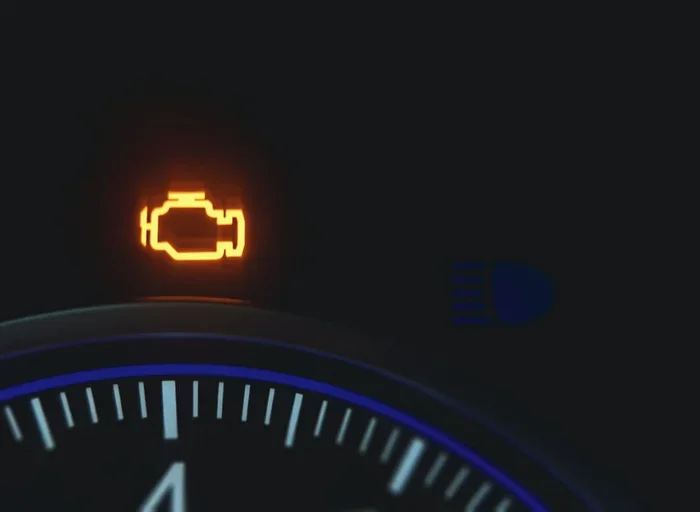
Your car’s check engine light can mean many things. But when it comes on alongside a transmission warning light, you should pay attention. Modern cars have sensors that detect problems in the drivetrain. These sensors send codes to your car’s computer. A mechanic can read these codes with a diagnostic tool.
Do not assume the check engine light is nothing. Even if the car seems to drive fine, a transmission issue might be brewing underneath.
Changes in How the Car Shifts
One of the clearest warning signs is a change in shifting behavior. If your automatic transmission hesitates before shifting, that is a red flag. If the shifts feel harsh or abrupt, something is wrong. Manual transmission owners might notice the gear lever feels different or the clutch feels spongy.
These changes often start small. You might barely notice them at first. But they get worse over time if you do not address the problem.
Transmission Fluid Condition
Healthy transmission fluid is red and translucent. It should not smell burnt. If your fluid looks dark brown or black, the transmission has been running too hot for too long. Low fluid levels also cause problems because the internal parts do not get enough lubrication.
Checking your transmission fluid is a simple task. Most cars have a dipstick for the transmission. Check it when the engine is warm and the car is parked on a level surface. If the fluid smells bad or looks dark, it is time for a transmission flush.
Can You Still Drive With Transmission Problems?
Now for the big question. The short answer is: it depends. The longer answer requires understanding the severity of the problem and the risks involved.
In some cases, you can drive a short distance with minor transmission issues. For example, if you notice a small fluid leak but the car still shifts normally, you might be able to get to a nearby mechanic. However, you should not drive far or for long periods.
If the transmission is slipping or making loud noises, stop driving immediately. Continuing to drive with a slipping transmission can destroy the internal components completely. What might have been a simple repair becomes a full transmission rebuild, which costs thousands of dollars.
Driving With Minor Transmission Issues
Minor issues include slight delays in engagement or a small fluid leak. If you experience these symptoms, drive carefully to a repair shop. Keep the trip as short as possible. Avoid highway driving or heavy traffic where you need to shift frequently.
Pay close attention to how the car feels. If the problem gets worse while driving, pull over safely. Do not push your luck. A tow truck is always cheaper than a new transmission.
Driving With Severe Transmission Problems
Severe transmission problems include complete gear failure, the car going into limp mode, or a total loss of gear engagement. In these situations, do not drive the car at all. Call a tow truck and have the vehicle transported to a mechanic.
Limp mode is a safety feature in modern cars. When the transmission computer detects a serious problem, it limits the car to one gear, usually second or third. This protects the drivetrain from further damage. If your car enters limp mode, drive directly to a safe location and stop.
The Risks of Driving With a Bad Transmission
Driving with transmission problems is not just bad for your car. It can also be dangerous. Understanding the risks helps you make informed decisions.
Safety Risks on the Road
A failing transmission can cause sudden loss of power. Imagine driving on a highway and the car drops out of gear. You lose the ability to accelerate quickly, which is dangerous in traffic. In worse cases, the transmission might lock up entirely, causing the wheels to stop moving suddenly.
These scenarios are rare but possible. The risk increases the longer you drive with a known transmission problem. Your safety and the safety of others on the road should always come first.
Financial Risks: From Small Repair to Full Replacement
This is where the real cost of ignoring transmission problems hits hard. A small transmission fluid leak might cost $150 to fix. But if you keep driving and the internal parts wear out, a transmission rebuild can cost anywhere from $1,800 to $3,500. A full replacement? That can go well beyond $5,000.
The financial damage compounds quickly. Every mile you drive with a bad transmission adds more wear to the internal components. What starts as a minor issue snowballs into a major expense.
Damage to Other Car Components
Transmission problems do not stay isolated. A failing drivetrain can put extra stress on the engine, the axles, and the wheels. The car’s computer may also compensate for transmission issues, which can affect fuel efficiency and engine performance.
Over time, you might find yourself facing multiple repairs that could have been avoided. Fixing one transmission problem early is almost always cheaper than dealing with a cascade of related issues.
How to Protect Your Car When You Have Transmission Issues
If you find yourself in a situation where you must drive with transmission problems, there are steps you can take to minimize damage. These tips can help you get to a mechanic safely.
Keep Trips Short and Simple
Avoid long drives or highway cruising. Stick to short trips at low speeds. The less strain you put on the transmission, the better your chances of reaching a repair shop without causing more damage.
If you need to go to the grocery store or the mechanic down the street, that is usually fine. Just keep the distance short and drive gently.
Avoid Heavy Loads and Towing
Your transmission already struggles with the problem it has. Adding heavy cargo or towing a trailer puts even more stress on the drivetrain. Avoid these activities until the transmission is repaired.
Even driving uphill can be harder on a compromised transmission. If you can avoid steep inclines, do so until you get the car fixed.
Monitor Your Transmission Fluid
Check the transmission fluid level regularly if you suspect a problem. Low fluid makes everything worse. If you notice the fluid is low, top it off with the type recommended in your owner’s manual.
Keep an eye out for fresh leaks. If you see new puddles of red fluid under your car, that means the leak is getting worse. Get the car to a mechanic as soon as possible.
Listen to Your Car
Your car talks to you. Strange noises, vibrations, or changes in how the car drives are all messages. Learn to listen. If something sounds different or feels off, trust your instincts.
Many car owners ignore small symptoms because the car still moves. That is a mistake. Small problems become big problems fast when it comes to transmissions.
Get Professional Help Quickly
The best thing you can do for a car with transmission problems is to see a professional as soon as possible. A qualified mechanic can diagnose the exact issue and recommend the right repair. Delaying only makes things worse.
Many repair shops offer free or low-cost diagnostics. Take advantage of these services. You might be surprised at how affordable a simple fix can be compared to a full transmission replacement.
When to Stop Driving and Call a Mechanic
Knowing when to stop driving is just as important as knowing when it is safe to keep going. Here are clear signs that you should not drive the car anymore:
- The transmission completely refuses to shift gears.
- The car goes into limp mode and stays there.
- You hear loud grinding or clunking noises while driving.
- The check engine light is flashing, not just steady.
- You smell burning fluid coming from under the hood.
- The car shakes violently when you try to accelerate.
- Transmission fluid is leaking heavily underneath the car.
If you notice any of these signs, pull over safely and call for a tow. Do not try to push the car or drive it to the next exit. You risk causing irreversible damage to the transmission and putting yourself in danger.
Keep a trusted tow truck number in your phone. It is much better to pay for a tow than to end up stranded on the side of the road with a destroyed transmission.
Preventing Transmission Problems Before They Start
The best way to deal with transmission problems is to prevent them from happening in the first place. Regular maintenance goes a long way in keeping your transmission healthy and your car running smoothly.
Follow the manufacturer’s recommended service schedule for transmission fluid changes. Most cars need a transmission flush every 30,000 to 60,000 miles, but check your owner’s manual for the exact interval. Using the right type of fluid matters too. Not all transmission fluids are the same, and using the wrong one can cause problems.
Pay attention to how your car drives every day. Catching small changes early gives you the best chance of fixing problems before they become expensive. A little attention goes a long way when it comes to your car’s drivetrain.
How Mechanics Diagnose and Fix Transmission Problems
When you take your car to a mechanic for transmission issues, they follow a systematic process. First, they connect a diagnostic scanner to read error codes from the car’s computer. These codes point them toward the specific problem area.
Next, they inspect the transmission fluid. The color, smell, and level of the fluid tell a lot about the health of the transmission. They also check for leaks in the system, including the transmission pan, seals, and fluid lines.
Depending on the diagnosis, repairs might include replacing the transmission solenoid, fixing a leak, changing the fluid, or rebuilding the entire transmission. The mechanic will explain the options and costs so you can make the best decision for your car and your budget.
Always ask questions if you do not understand something. A good mechanic will walk you through the repair process and help you understand what needs to be done and why.
Conclusion
So, can you drive a car with transmission problems? The honest answer is that it depends on how bad the problem is. Minor issues might allow for a short, careful drive to a repair shop. But serious transmission problems mean you should stop driving and call for a tow.
Ignoring transmission problems is never a good idea. The risks to your safety and your wallet are too high. Pay attention to the warning signs, address problems early, and trust your mechanic’s advice. Your transmission is a vital part of your car, and taking care of it keeps you safe on the road and saves you from expensive repairs down the line.
Stay proactive with your vehicle maintenance. Check your fluids, listen to your car, and do not ignore strange symptoms. A little care today can prevent a major transmission failure tomorrow.
Frequently Asked Questions
What are the first signs of transmission problems?
The first signs include slipping gears, delayed engagement when shifting, strange noises like grinding or whining, and transmission fluid leaks. You might also notice the check engine light coming on or a burning smell from under the hood. Catching these symptoms early makes repairs much easier and less expensive.
How much does it cost to fix a transmission problem?
Costs vary widely depending on the issue. A simple fluid change might cost around $100, while replacing a transmission solenoid could run $300 to $500. A full transmission rebuild typically costs between $1,800 and $3,500, and a complete replacement can exceed $5,000. Getting an early diagnosis saves you money.
Can I drive my car if the transmission is slipping?
You should avoid driving a car with a slipping transmission. Slipping means the gears are not holding properly, which can cause sudden loss of power. Continuing to drive risks catastrophic damage to the internal components. Call a tow truck and have the vehicle taken to a mechanic instead.
How long can you drive with low transmission fluid?
Driving with low transmission fluid is very risky. The fluid lubricates and cools the internal parts. Without enough fluid, the transmission can overheat and suffer severe damage within just a few miles. Check your fluid level regularly and top it off if needed, but get the leak fixed as soon as possible.
Is it safe to drive with the check engine light on and a transmission issue?
It depends on how the car is performing. If the car drives normally and the light is steady, you might be able to drive a short distance to a mechanic. However, if the light is flashing or the car is acting strangely, do not drive it. A flashing check engine light often signals a serious problem that needs immediate attention.
Can regular maintenance prevent transmission problems?
Yes, regular maintenance is one of the best ways to prevent transmission issues. Changing the transmission fluid on schedule, checking for leaks, and addressing small problems early all help keep the transmission healthy. Following your manufacturer’s service recommendations goes a long way in avoiding costly repairs.