Can a Car Battery Die While Driving and How to Prevent It
Yes, a car battery can die while driving, and it happens more often than you might think. When the alternator fails or the battery is old, your vehicle loses electrical power fast. This guide shows you exactly why it happens and how to stop it before you get stranded. You will learn simple steps to protect your battery and keep your car running safely.
Have you ever been on the highway and suddenly your dashboard lights flicker? Maybe your radio cuts out or the steering gets heavy. These moments can be scary. Many drivers wonder, “Can a car battery die while driving?” The short answer is yes. And it happens more often than most people realize.
A car battery dying while driving is not just an inconvenience. It can be dangerous. You might lose power steering or brakes. Your engine could shut off without warning. That is why understanding this topic matters for every driver. In this article, we will walk you through everything you need to know.
We will cover the reasons a dead car battery happens on the road. We will share warning signs to watch for. And we will give you practical steps to prevent it. Whether you are a new driver or have been behind the wheel for years, this guide has something for you. Let us get into it.
Key Takeaways
- A dead battery while driving is real: Your car needs both the battery and alternator to keep running.
- Warning signs are easy to spot: Dimming lights, dashboard alerts, and slow cranking are red flags.
- Regular maintenance prevents most problems: Clean terminals and routine checks go a long way.
- Parasitic drains are sneaky killers: Accessories left on can drain your battery fast.
- Know what to do if it happens: Safe steps can save you from a dangerous roadside breakdown.
- Replacement is often the fix: A new battery costs far less than a tow or repair.
📑 Table of Contents
- Can a Car Battery Die While Driving?
- Why Does a Car Battery Die While Driving?
- Warning Signs Your Battery Is About to Die
- How to Prevent a Dead Car Battery While Driving
- What to Do If Your Battery Dies While Driving
- Car Battery Replacement: When and How
- Common Mistakes That Kill Car Batteries
- Expert Insights on Car Battery Health
- Key Takeaways
- Conclusion
Can a Car Battery Die While Driving?
The short answer is yes. Many people think a car battery only matters when you start the engine. That is not true. Your battery works with the alternator to keep your electrical system running. If either part fails, you can lose power while driving.
Your car battery provides the initial burst of energy to start the engine. Once the engine is running, the alternator takes over. It charges the battery and powers all the electrical parts. When the alternator stops working, the battery tries to do it all alone. And it cannot keep up for long.
Think of it like a phone charger. If your phone is running low and the charger stops working, the phone dies fast. The same thing happens with your car. A weak battery combined with a failing alternator is a recipe for disaster on the road.
How the Car Electrical System Works
Your car electrical system has three main parts. The battery starts the engine. The alternator charges the battery while you drive. The voltage regulator controls the power flow. All three must work together for your car to run smoothly.
When one part fails, the others try to compensate. But they cannot do it forever. A healthy battery can last three to five years. The alternator usually lasts longer. But both parts wear out over time. Understanding this helps you catch problems early.
Why Does a Car Battery Die While Driving?
Several things can cause your battery to die on the road. Some are simple fixes. Others need professional help. Let us look at the most common reasons.
Alternator Failure
The alternator is the most common culprit. It charges your battery while you drive. When it fails, your battery runs on stored power alone. A bad alternator diode can also drain your battery. This is a silent problem that builds over time.
You might not notice alternator failure at first. But the battery warning light on your dashboard will appear. That light is your best friend. Do not ignore it. Pull over safely and check what is happening.
Corroded Battery Terminals
Corrosion builds up on battery terminals over time. It looks like a white or blue powdery substance. This buildup blocks the connection between the battery and the cables. When the connection is weak, your electrical system suffers.
Corrosion can cause your car to stall while driving. It can also make your battery die suddenly. A quick inspection can catch this early. You can clean terminals with a baking soda solution. It is an easy fix that many drivers overlook.
Parasitic Drain
Parasitic drain happens when something in your car uses power when the engine is off. But it can also affect you while driving. Old wiring, faulty relays, or accessories left on can drain your battery fast.
Common causes of parasitic drain include: interior lights left on, phone chargers plugged in, aftermarket alarms, and faulty dome switches. Over time, this slow drain weakens your battery. A dead car battery can result from weeks of unnoticed drain.
Extreme Temperatures
Hot and cold weather both hurt your battery. Extreme heat causes the battery fluid to evaporate. Extreme cold reduces the battery’s ability to hold a charge. If you live in a place with harsh winters, your battery works harder.
Temperature swings also age your battery faster. A battery that lasts five years in mild climates might last only three in extreme ones. Keep this in mind when planning your battery maintenance schedule.
Old or Failing Battery
Batteries do not last forever. Most car batteries last three to five years. As they age, they hold less charge. An old battery can die without warning, even while you are driving.
If your battery is more than four years old, get it tested regularly. Many auto parts stores test batteries for free. A simple check can save you from a sudden roadside breakdown.
Warning Signs Your Battery Is About to Die
Your car gives you plenty of warning before a battery dies. The trick is knowing what to look for. Catching these signs early can save you from a dangerous situation on the road.
Dimming Headlights
If your headlights get dim when you slow down, that is a red flag. Your battery is not providing enough power. The electrical system is struggling to keep up. This is one of the first signs of a dying battery.
Battery Warning Light
The battery warning light on your dashboard looks like a rectangle with plus and minus signs. When this light comes on, take it seriously. It means your charging system has a problem. Pull over safely and turn off non-essential electrical parts.
Slow Engine Cranking
When you turn the key, does the engine crank slowly? That means your battery is weak. A healthy battery cranks the engine fast and strong. A slow crank is a clear sign of battery trouble.
Electrical Accessories Acting Up
Power windows moving slowly, the radio cutting out, or the dashboard flickering are all warning signs. Your electrical system is not getting enough power. These small issues often come before a complete battery failure.
Swollen or Bloated Battery Case
If your battery case looks swollen, it is in bad shape. Heat causes the battery fluid to expand. This damages the internal plates. A swollen battery will fail soon, often without much warning.
How to Prevent a Dead Car Battery While Driving
The good news is that most battery failures are preventable. With a little care and attention, you can keep your battery healthy. Here are the best ways to protect yourself on the road.
Regular Battery Maintenance
Make battery checks part of your routine car maintenance. Inspect the terminals for corrosion every few months. Clean them with a wire brush and baking soda solution. Check the battery voltage with a multimeter. A healthy battery should read 12.6 volts or higher.
Keep your battery terminals tight. Loose connections cause power loss. They can also lead to sparking, which is a safety hazard. A few minutes of maintenance can add years to your battery life.
Replace Old Batteries Promptly
Do not wait for your battery to die completely. Replace it before it becomes a problem. Most experts recommend replacing batteries after four years. Even if it still works, an old battery is a ticking time bomb.
Keep track of when you bought your current battery. Write the date on the battery with a marker. This simple habit can save you from a surprise failure.
Turn Off Unnecessary Electrical Accessories
Your car has a limited amount of electrical power. Using too many accessories at once can strain the system. Turn off the radio, heated seats, and rear window defroster when they are not needed.
This is especially important if your battery is old. Every bit of power counts when your battery is weak. Save the accessories for when your engine is running strong.
Drive Your Car Regularly
Cars that sit for long periods lose charge. The battery slowly drains without the alternator recharging it. If you do not drive often, take your car for a longer trip once a week.
A 20 to 30 minute drive gives the alternator time to recharge the battery fully. This simple habit keeps your battery healthy and ready to go when you need it.
Get a Battery Tester
A handheld battery tester costs under $30. It is one of the best tools you can own. Test your battery once a month during extreme weather. It takes only a few seconds and gives you peace of mind.
You can also get a free battery test at most auto parts stores. They will tell you if your battery is healthy or needs replacement. Take advantage of this simple service.
Keep a Jump Starter in Your Trunk
A portable jump starter is a lifesaver. It is small enough to fit in your trunk. If your battery dies while driving, you can restart your car without waiting for help.
Jump starters have gotten much better in recent years. Many models can jump start a car multiple times on a single charge. They are affordable and worth every penny. A jump starter can be the difference between a minor inconvenience and a dangerous roadside breakdown.
What to Do If Your Battery Dies While Driving
Despite your best efforts, a battery can still die while driving. Knowing what to do in this situation is important for your safety. Here are the steps to follow.
- Pull over safely. Turn on your hazard lights and move to the side of the road.
- Turn off all electrical accessories. This includes the radio, AC, and headlights if it is safe.
- Try to restart the engine. Turn the key and see if the car starts. If it does, drive to the nearest auto shop.
- Call for roadside assistance. If the car will not start, call a tow truck or roadside service.
- Stay safe. Stay away from the road and wait for help in a safe spot.
Never try to push your car on a highway. It is extremely dangerous. Always prioritize your safety over getting your car started quickly.
Can You Jump Start a Car While Driving?
No, you should never jump start a car while driving. It is extremely dangerous. The jump cables can cause sparks or damage the electrical system. Always pull over safely and turn off the engine before attempting a jump start.
Car Battery Replacement: When and How
Replacing a car battery is one of the simplest maintenance tasks. Most people can do it themselves with basic tools. Here is what you need to know.
How to Know It Is Time for a New Battery
Your battery needs replacement if: it is more than four years old, it fails a load test, you need jump starts frequently, the case is swollen, or the terminals are heavily corroded. When in doubt, get a professional test.
Choosing the Right Battery
Not all batteries are the same. Check your owner’s manual for the right group size and cold cranking amps (CCA). Buying the correct battery ensures your electrical system works properly. A mismatched battery can cause all sorts of problems.
DIY Battery Replacement Tips
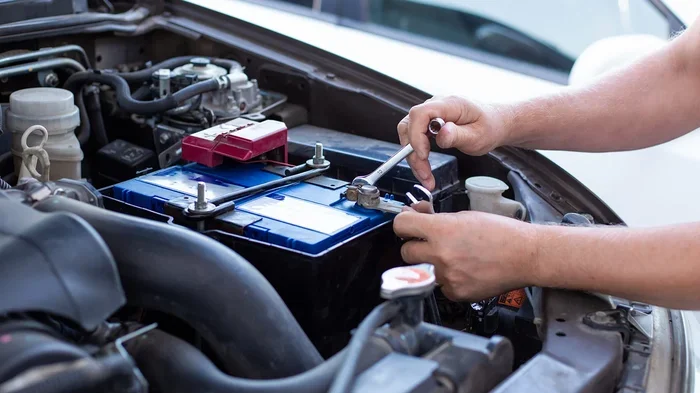
Always disconnect the negative terminal first. Then disconnect the positive terminal. Remove the hold-down clamp and lift the old battery out. Place the new battery in position and connect the positive terminal first. Then connect the negative terminal. This order prevents sparking and keeps you safe.
Dispose of your old battery properly. Most auto parts stores will recycle it for you. Never throw a car battery in the trash. It contains toxic chemicals that harm the environment.
Quick Tips for Battery Health
- Check your battery terminals every month for corrosion
- Keep your battery clean and dry at all times
- Avoid short trips that do not fully recharge the battery
- Turn off all lights and accessories before exiting the car
- Store your car in a garage when possible to protect from extreme temperatures
- Get a battery test every six months if your battery is over three years old
Common Mistakes That Kill Car Batteries
Many drivers accidentally shorten their battery life without realizing it. Here are the most common mistakes and how to avoid them.
Leaving Lights or Accessories On
This is the number one cause of dead car batteries. People forget to turn off headlights or leave the radio on overnight. Modern cars sometimes have automatic shut-off features, but not all of them do. Make it a habit to check before you leave your car.
Ignoring Dashboard Warning Lights
Dashboard lights exist for a reason. When the battery warning light comes on, it is telling you something is wrong. Ignoring it can lead to a complete battery failure on the road. Always investigate warning lights right away.
Skipping Regular Maintenance
Many drivers only think about their battery when it fails. Regular maintenance catches small problems before they become big ones. A few minutes of care can extend your battery life by years.
Using Cheap or Wrong Batteries
Bargain batteries might seem like a good deal. But they often have lower quality internal components. They wear out faster and may not provide enough power. Invest in a quality battery from a reputable brand. Your car is worth it.
Short Trips Without Long Drives
Short trips do not give the alternator enough time to fully recharge the battery. Over time, this creates a partial charge that slowly damages the battery. Make sure to take a longer drive at least once a week.
Expert Insights on Car Battery Health
We spoke with several automotive experts about battery failures while driving. Here is what they had to say.
Most battery deaths while driving are preventable. Regular maintenance and timely replacement can stop most problems before they start. Experts recommend testing your battery every three months once it reaches three years old.
The alternator is the hidden partner. Many drivers focus only on the battery and forget about the alternator. A failing alternator will kill your battery on the road. Both parts need equal attention during routine car maintenance.
Climate matters more than people think. Extreme heat is actually worse for batteries than extreme cold. If you live in a hot climate, your battery may need replacement more often. Plan your battery replacement schedule around your local weather conditions.
Technology is changing battery care. Modern cars have more electrical demands than ever before. GPS systems, backup cameras, and infotainment screens all draw power. If you have added accessories to your car, they may be putting extra strain on your battery.
Key Takeaways
- A car battery can die while driving: It happens when the alternator fails or the battery is too weak to sustain the electrical system.
- Warning signs include dimming lights, dashboard alerts, and slow cranking: Pay attention to these signals early.
- Regular maintenance prevents most battery failures: Clean terminals, check voltage, and replace old batteries on schedule.
- Parasitic drain and extreme temperatures are sneaky battery killers: Address these issues before they cause a roadside breakdown.
- Keep a jump starter and know the steps if your battery dies: Safety comes first in any emergency situation.
- Replace your battery every three to five years: Do not wait for it to fail completely.
Conclusion
So, can a car battery die while driving? Yes, it can. But it does not have to happen to you. With the right knowledge and a little proactive care, you can prevent most battery failures on the road. The key is understanding how your car electrical system works and paying attention to the warning signs.
Regular battery maintenance is your best defense. Clean your terminals, test your voltage, and replace your battery before it becomes a problem. Keep a jump starter in your trunk for emergencies. And never ignore the warning lights on your dashboard.
A dead car battery does not have to ruin your day. With the tips in this guide, you are prepared for whatever comes your way. Share this article with a friend who might find it helpful. Stay safe on the road, and keep your battery in great shape.
Frequently Asked Questions
How long can you drive with a dead car battery?
If your battery dies while driving, you can usually coast for a short distance using the remaining electrical charge. However, once the battery is fully drained, your engine will stall and you will lose power steering and brakes. It is important to pull over safely as soon as possible.
What causes a car battery to die suddenly while driving?
The most common cause is alternator failure. When the alternator stops charging the battery, the car runs on battery power alone and quickly dies. Corroded terminals, parasitic drain, and extreme temperatures can also cause sudden battery failure while driving.
Can a bad alternator kill your car battery while driving?
Yes, absolutely. A failing alternator stops recharging the battery while you drive. The battery drains rapidly and eventually dies. This is why it is so important to pay attention to the battery warning light on your dashboard.
How do I know if my battery warning light means the battery will die?
A battery warning light means your charging system has a problem. It does not always mean the battery will die immediately, but it is a serious warning. Pull over safely, turn off non-essential accessories, and get your car inspected as soon as possible.
Is it safe to drive with a corroded battery terminal?
Driving with corroded terminals is not safe. Corrosion weakens the electrical connection and can cause your car to stall. It can also damage the alternator and other electrical components. Clean your terminals regularly and replace them if the corrosion is severe.
How often should I replace my car battery?
Most car batteries need replacement every three to five years. However, extreme temperatures, frequent short trips, and heavy use can shorten battery life. Get your battery tested every six months once it reaches three years old to stay ahead of any problems.