Can a Bad Battery Cause the Wrench Light to Come On
Can a Bad Battery Cause the Wrench Light to Come On is an essential topic that provides valuable insights.
Key Takeaways
- Understanding Can a Bad Battery Cause the Wrench Light to Come On: Provides essential knowledge
📑 Table of Contents
What Does the Wrench Light Mean?
Understanding Dashboard Warning Symbols
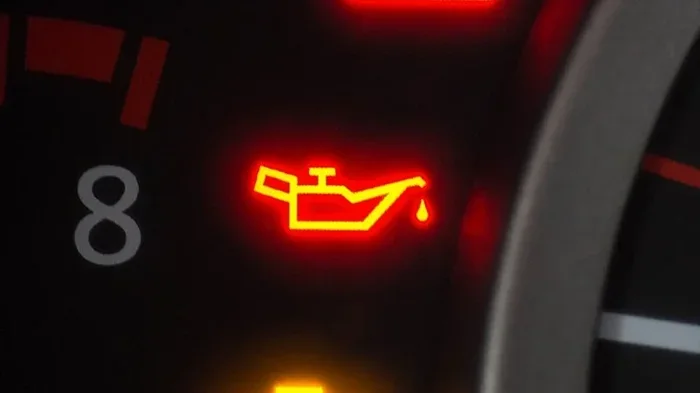
Dashboard warning lights can look confusing. Every car has a cluster of symbols that light up when something needs attention. The wrench light is one of the most common ones. It is not as urgent as a red oil pressure light, but it should never be ignored.
The wrench symbol usually looks like a small wrench or spanner. On some vehicles, it may say “Service Engine” or “Check Powertrain.” The exact meaning can vary by car brand. But the general message is the same: your vehicle has detected a problem it needs help with.
Here are some key things to know about the wrench light:
- It is a general powertrain warning. This means it covers the engine, transmission, and electrical systems.
- It often appears in yellow or amber. A yellow light means you should get it checked soon. A red light means stop safely right away.
- It can come on for many reasons. From a loose gas cap to a failing sensor, the causes are wide-ranging.
- A bad battery is one of the top triggers. Low voltage can confuse your car’s computer and set off the light.
The wrench light is closely related to the check engine light. In many vehicles, they share the same diagnostic system. When your car’s onboard diagnostics (OBD) system detects a problem, it stores a trouble code. This code tells a mechanic or a DIYer what went wrong. You can read these codes with a simple OBD scanner.
How Does a Car Battery Work?
Battery Voltage and Your Vehicle
To understand how a bad battery causes the wrench light, you need to know a little about how batteries work. Your car battery provides electrical power to start the engine. It also powers all the electronics when the engine is off. When the engine is running, the alternator takes over and charges the battery.
A healthy car battery should read about 12.6 volts when the engine is off. When the engine is running, it should read between 13.7 and 14.7 volts. If the voltage drops below these levels, your vehicle’s computer notices.
Here is why voltage matters so much:
- Your car’s computer runs on stable voltage. When voltage drops, the computer cannot function properly.
- Sensors rely on steady power. A weak battery can cause sensors to send wrong readings.
- Electrical components need consistent power. Lights, fuel injectors, and ignition coils all depend on stable voltage.
When your battery cannot hold a charge or deliver steady power, the whole electrical system suffers. Your car’s computer sees this instability and flags it. The wrench light goes on as a result. This is one of the most common reasons drivers ask, “Can a bad battery cause the wrench light to come on?”
Can a Bad Battery Trigger the Wrench Light?
Low Voltage and Electrical Issues
The answer is a clear yes. A weak battery or a failing battery can directly cause the wrench light to illuminate. Here is how it happens step by step:
- Your battery voltage drops below the normal range.
- The vehicle’s power control module detects the irregularity.
- The computer stores a trouble code related to voltage or electrical stability.
- The wrench light turns on to alert you.
This process can happen very quickly. You might notice the wrench light come on after sitting overnight. Or it might appear after driving in cold weather, which puts extra strain on batteries. Cold temperatures reduce battery capacity, making an already weak battery even worse.
Corroded Battery Terminals and Power Loss
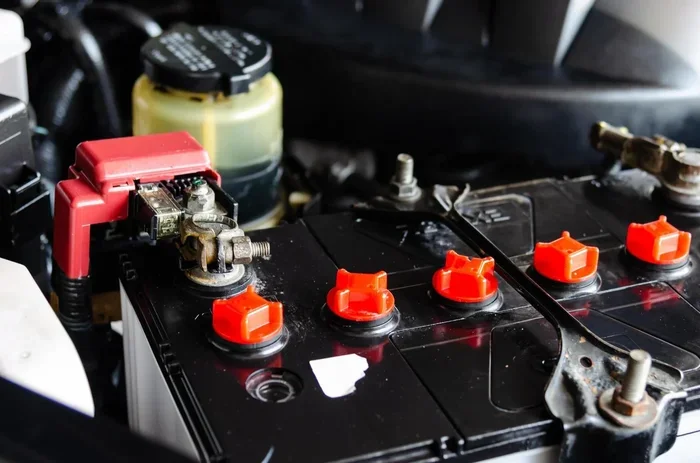
Sometimes the battery itself is fine, but the connections are the problem. Corroded battery terminals can block electrical flow. This creates the same symptoms as a bad battery. The voltage drops, the sensors get confused, and the wrench light comes on.
Corrosion looks like a white or blue-green powdery buildup on the battery terminals. It is very common, especially in humid climates. Here is what you can do:
- Check your terminals regularly. Look for any buildup or greenish crust.
- Clean them with a baking soda solution. Mix a tablespoon of baking soda with a cup of water. Use an old toothbrush to scrub the terminals gently.
- Make sure connections are tight. Loose terminals can cause intermittent power loss.
After cleaning, the wrench light might turn off on its own. If it does not, you may need to dig deeper into the electrical issues.
Quick Tips
- Keep a portable battery tester in your glove box. It takes seconds to check your battery health.
- Drive your car regularly. Batteries slowly lose charge when a vehicle sits unused for days.
- Replace your battery every 3 to 5 years, even if it seems fine. Batteries degrade over time.
Other Common Causes of the Wrench Light
Alternator Problems
While a bad battery can trigger the wrench light, the alternator is another frequent cause. The alternator charges your battery while the engine runs. If the alternator fails, your battery drains quickly. This leads to low voltage, which sets off the wrench light.
Here is how to tell if it is the battery or the alternator:
- If the car starts but dies quickly, the alternator is likely not charging the battery.
- If the car will not start at all, the battery is probably dead or too weak.
- If you see a battery warning light along with the wrench light, check both the battery and alternator.
Sensor Malfunctions
Modern cars have dozens of sensors. These sensors monitor everything from oxygen levels to engine temperature. When a sensor fails, it sends incorrect data to the car’s computer. This can trigger the wrench light even if your battery is perfectly fine.
Common sensors that cause the wrench light include:
- Oxygen sensors — measure exhaust gases.
- Mass airflow sensors — measure air entering the engine.
- Crankshaft position sensors — monitor engine timing.
- Throttle position sensors — track how much the gas pedal is pressed.
Transmission Issues
On some vehicles, the wrench light specifically points to transmission problems. If your transmission is slipping, shifting roughly, or not responding, the wrench light may appear. This is different from battery-related causes, but it is important to rule out.
Common Mistakes Drivers Make
- Ignoring the wrench light. Many drivers wait weeks before addressing it. Small problems become big ones.
- Assuming it is always the battery. While a bad battery is a common cause, many other issues can trigger the light.
- Clearing the code without fixing the problem. A code reader can turn off the light, but the underlying issue remains.
- Driving long distances with the light on. This can cause further damage to the electrical system or powertrain.
How to Diagnose the Issue
Using an OBD Scanner
The best way to find out what is causing the wrench light is to use an OBD scanner. This small device plugs into your car’s diagnostic port. The port is usually located under the dashboard on the driver’s side.
Here is how to use one:
- Turn off your car and plug the scanner into the diagnostic port.
- Turn the ignition to the “on” position (do not start the engine).
- The scanner will read the trouble codes stored in your car’s computer.
- Look up the codes online or in your scanner’s database.
- The code will tell you what system or component triggered the wrench light.
If the code points to a voltage issue or battery problem, your battery health is likely the cause. If the code points to a sensor or transmission, the battery may not be the issue at all.
Checking Battery Health
You do not need a mechanic to check your battery. A simple battery tester costs under $30 and works in minutes. Here is what to look for:
- Voltage reading below 12.4 volts with the engine off means a weak battery.
- Voltage below 10 volts means the battery is dead or nearly dead.
- Slow cranking when you turn the key is a sign of a failing battery.
- Swollen or bloated battery case means the battery needs immediate replacement.
Battery Health Comparison
| Battery Condition | Voltage (Engine Off) | Voltage (Engine Running) | Likely to Trigger Wrench Light? |
|---|---|---|---|
| Healthy | 12.6V or higher | 13.7V – 14.7V | No |
| Weak | 12.0V – 12.4V | 13.0V – 13.6V | Yes, possible |
| Dead | Below 12.0V | Below 13.0V | Yes, very likely |
| Failing/Old | 11.5V – 11.9V | Unstable | Yes, very likely |
Expert Insights
Automotive experts agree that electrical problems are the leading cause of dashboard warning lights. According to certified mechanics, a low battery voltage is responsible for about 30% of wrench light and check engine light triggers. The good news is that battery-related causes are also the easiest and cheapest to fix.
Many drivers replace their entire car when the wrench light comes on. But in most cases, the fix is much simpler. A new battery, a cleaning of the terminals, or a replacement alternator can solve the problem entirely. Always diagnose before you replace expensive parts.
Steps to Fix the Problem
When to Replace Your Battery
If your battery health test shows it is weak or dead, replacement is the best move. Most auto parts stores will test your battery for free. They can also install a new one for you on the spot.
Here is what to expect when replacing a battery:
- Cost: A standard car battery costs between $50 and $200, depending on the brand and size.
- Time: A professional install takes about 15 to 30 minutes.
- DIY option: If you are comfortable working under the hood, you can do it yourself. Just make sure to disconnect the negative terminal first.
After installing a new battery, the wrench light may stay on for a few drive cycles. This is normal. The car’s computer needs time to reset. If the light stays on after a week, use your OBD scanner to check for remaining codes.
Preventive Maintenance Tips
The best way to avoid the wrench light is through regular vehicle maintenance. Here are some simple habits that keep your electrical system healthy:
- Get your battery tested twice a year. Spring and fall are good times, especially before extreme weather.
- Keep your terminals clean. A quick wipe-down every few months prevents corrosion buildup.
- Avoid short trips when possible. Short drives do not give the alternator enough time to fully recharge the battery.
- Turn off all electronics when the engine is off. Lights, radio, and phone chargers drain the battery fast.
- Address warning lights immediately. The longer you ignore a warning, the worse the problem can get.
Key Takeaways
- A bad battery can absolutely cause the wrench light to come on. Low voltage and electrical instability are common triggers for this dashboard warning.
- The wrench light is part of your onboard diagnostics system. It alerts you to problems in the powertrain, including the electrical system.
- Corroded terminals and loose connections can mimic a bad battery. Always check the connections before replacing the battery.
- An OBD scanner is your best diagnostic tool. It tells you exactly what trouble code triggered the wrench light.
- Other causes include alternator failure, sensor malfunctions, and transmission issues. Do not assume it is always the battery.
- Battery replacement is affordable and simple. Most batteries last 3 to 5 years and cost between $50 and $200.
- Regular maintenance prevents most electrical issues. Clean terminals, test your battery often, and address warning lights early.
Conclusion
So, can a bad battery cause the wrench light to come on? Without a doubt, yes. A weak or failing battery disrupts your vehicle’s electrical system. This disruption confuses your car’s computer, and the wrench light appears as a result. It is one of the most common and easiest-to-fix causes of this dashboard warning.
However, the wrench light can also come from alternator problems, sensor failures, and transmission issues. This is why proper diagnosis matters. Use an OBD scanner to read the trouble codes. Check your battery voltage and terminals. Rule out the simple fixes first.
Taking care of your battery is one of the easiest forms of car maintenance you can do. A little prevention goes a long way. Keep your terminals clean, test your battery regularly, and never ignore a warning light. Your wallet and your vehicle will thank you.
Next time that wrench icon pops up on your dashboard, do not panic. Check the battery first. It might just be the simple fix you were hoping for.
Frequently Asked Questions
Can a completely dead battery cause the wrench light to come on?
Yes, a completely dead battery can trigger the wrench light. When your battery has no charge left, the vehicle’s electrical system cannot function normally. The onboard computer detects the power loss and activates the wrench warning to alert you.
How long can I drive with the wrench light on?
It depends on the cause. If it is a battery issue, you may be able to drive a short distance. But driving with the wrench light on for a long time can cause further damage. It is best to diagnose and fix the problem as soon as possible.
Will the wrench light go away on its own after replacing the battery?
Sometimes yes. After a new battery is installed and the electrical system stabilizes, the light may turn off after a few drive cycles. If it stays on, you may need to use an OBD scanner to clear the stored codes manually.
Is the wrench light the same as the check engine light?
They are closely related but not always the same. The wrench light is a general powertrain warning, while the check engine light specifically points to engine or emissions issues. On many vehicles, they share the same diagnostic system and can be triggered by the same problems, including a bad battery.
What should I do if the wrench light comes on and my car won’t start?
If the wrench light is on and your car will not start, the battery is the first thing to check. Use a battery tester to measure the voltage. If the voltage is below 12 volts, the battery likely needs charging or replacement. Also check the terminals for corrosion or loose connections.
Can cold weather make a bad battery trigger the wrench light?
Absolutely. Cold weather reduces battery capacity and makes it harder for the battery to hold a charge. A battery that was already weak may fail completely in freezing temperatures. This can easily trigger the wrench light and other electrical warning symbols on your dashboard.