Can You Really Go Two Years Without Changing Synthetic Oil
Can you go two years without changing synthetic oil? The short answer is: it depends. Modern full synthetic oils are engineered to last longer than conventional oils, but many factors affect how long they truly protect your engine. Driving habits, climate, and manufacturer recommendations all play a role in determining your ideal synthetic oil change interval.
You love your car. You take care of it. You use the best full synthetic oil money can buy. So why do people keep telling you to change your oil every few months? What if you could stretch that interval to two full years? Is that even possible?
The question of whether you can go two years without changing synthetic oil has sparked countless debates among car owners, mechanics, and gearheads. Some swear by extended drain intervals. Others say it is a recipe for disaster. The truth lies somewhere in between, and it depends on more than just the type of oil in your engine.
In this article, we will break down everything you need to know. We will look at how synthetic oil works, what the manufacturers say, and what real-world driving does to your engine oil maintenance schedule. By the end, you will know exactly whether stretching your oil change to two years makes sense for your situation.
Key Takeaways
- Synthetic oil can last longer than conventional oil, but two years is not always the right choice for every vehicle or driver.
- Manufacturer recommendations vary widely, and following your owner’s manual is the safest approach.
- Driving conditions matter more than time alone. Short trips, extreme heat, and stop-and-go traffic degrade oil faster.
- Oil additives break down over time, even if the oil looks clean on the dipstick.
- Skipping oil changes risks engine damage, sludge buildup, and costly repairs.
- Oil filters should be changed with every oil change, regardless of the oil type.
- Regular oil analysis can help you make informed decisions about your personal change interval.
📑 Table of Contents
- What Happens to Synthetic Oil Over Time?
- Manufacturer Recommendations and Warranty Considerations
- Factors That Affect How Long Synthetic Oil Lasts
- Risks of Going Too Long Between Oil Changes
- Can You Really Go Two Years? Expert Opinions and Real-World Cases
- Best Practices for Maximizing Synthetic Oil Life
- Quick Tips for Oil Change Confidence
- Common Mistakes People Make With Oil Change Intervals
- Conclusion
What Happens to Synthetic Oil Over Time?
Synthetic oil is not magic. It is a carefully engineered lubricant designed to protect your engine. But like anything, it does not last forever. Understanding what happens to oil over time helps you make smarter decisions about your oil change interval.
The Chemistry of Oil Breakdown
Every time you run your engine, the oil faces heat, pressure, and combustion byproducts. These forces start to break down the oil additives that give synthetic oil its superpowers. Detergents, dispersants, anti-wear agents, and antioxidants all work hard to keep your engine clean.
Over time, these additives get used up. The oil may still look golden and clean on the dipstick, but its protective abilities may be fading. This is called additive depletion, and it is one of the main reasons oil needs to be changed.
Here is what happens inside your oil over months of use:
- Thermal breakdown occurs when high engine temperatures break down the oil molecules.
- Oxidation happens when oil reacts with oxygen, forming sludge and varnish.
- Fuel dilution occurs when unburned fuel leaks past the rings and mixes with the oil.
- Moisture accumulation happens during short trips when the engine never reaches full operating temperature.
- Contamination builds up from dust, metal particles, and combustion soot.
Synthetic oil handles all of these stressors better than conventional oil. It resists thermal breakdown more effectively and maintains its oil viscosity longer. But it is not immune to the passage of time.
Does Time Matter More Than Mileage?
This is a big question. Many people think oil only needs changing based on miles driven. But time matters too. Even if you barely drive your car, the oil inside is still aging.
Moisture can build up in the crankcase, especially in vehicles that sit unused for long periods. Condensation forms when the engine warms up slightly and then cools down. Over months, this moisture contaminates the oil and promotes engine sludge formation.
Most manufacturers recommend changing oil at least once a year, even if you have not hit the mileage limit. So if you are considering going two years, you need to factor in time as a real variable.
Manufacturer Recommendations and Warranty Considerations
Car manufacturers spend millions testing their engines. They know what kind of engine oil maintenance their specific designs need. That is why their recommendations carry weight.
What Your Owner’s Manual Says
Most modern vehicles using synthetic oil come with an extended drain interval recommendation. Common intervals include 7,500 miles, 10,000 miles, or even 15,000 miles. Some manufacturers, like certain BMW or Volkswagen models, have historically recommended intervals around 10,000 to 15,000 miles.
But here is the catch. Very few manufacturers explicitly recommend going two full years between oil changes. Most set a time limit of 12 months, regardless of mileage. This means even if you only drive 3,000 miles in a year, you should still change the oil.
Always check your owner’s manual. Look for both the mileage interval and the time interval. Following both gives your engine the best protection and keeps your vehicle warranty intact.
Warranty and Oil Change Compliance
If your car is still under warranty, skipping recommended oil changes can void that warranty. Manufacturers track service history, and failing to follow their guidelines can come back to bite you if something goes wrong with the engine.
Even if you use the best synthetic blend or full synthetic oil, the warranty may not cover engine damage caused by neglected maintenance. Keep detailed records of every oil change, including the date, mileage, oil brand, and filter used.
Factors That Affect How Long Synthetic Oil Lasts
Not all driving is the same. Your personal driving habits and environment play a huge role in how quickly your oil degrades. Understanding these factors helps you decide if a two-year interval is realistic for you.
Driving Conditions
Some driving conditions are brutal on oil. Others are gentler. Here are the main categories:
- Severe driving: Short trips under 5 miles, extreme heat, towing, stop-and-go traffic, and dusty environments all fall into this category.
- Moderate driving: Highway cruising at steady speeds, moderate temperatures, and longer trips.
- Light driving: Infrequent use, low mileage, and mild climate conditions.
Most manufacturers define “severe” driving conditions in their manuals. If your driving fits the severe category, a two-year oil change interval is risky. Stick closer to the recommended 5,000 to 7,500-mile intervals.
Climate and Temperature Extremes
Hot weather breaks down oil faster. Cold weather makes oil thicker and harder to circulate. Both extremes affect oil viscosity and the overall health of your lubricant.
If you live in a desert climate with temperatures regularly above 100 degrees Fahrenheit, your oil works overtime. The same goes for Arctic winters where engines struggle to reach operating temperature. In both cases, two years is likely too long.
Vehicle Type and Engine Design
Different engines have different needs. A modern turbocharged engine runs hotter than a naturally aspirated one. A high-performance engine puts more stress on oil than a basic commuter car.
Diesel engines, for example, produce more soot and combustion byproducts than gasoline engines. They typically need oil changes more frequently, even with synthetic oil. If you drive a turbocharged engine, the oil faces extra heat and pressure, which can accelerate degradation.
Risks of Going Too Long Between Oil Changes
It is tempting to push the limits. You saved money on oil. You did not have to visit the shop. But what are you risking?
Engine Sludge and Deposit Buildup
The biggest risk of extended oil change intervals is engine sludge. Sludge is a thick, tar-like substance that forms when oil breaks down and mixes with contaminants. It clogs oil passages, restricts flow, and starves critical engine components of lubrication.
Sludge buildup can lead to oil pump failure, bearing damage, and in severe cases, complete engine seizure. Repairing sludge damage is expensive and often preventable with regular oil changes.
Increased Wear on Engine Components
When oil loses its protective additives, metal-on-metal contact increases. Pistons, camshafts, bearings, and valve trains all suffer from inadequate lubrication.
Over time, this accelerated wear reduces engine life. You might not notice the damage immediately, but it adds up. By the time you feel symptoms like reduced power or unusual noises, the damage may already be significant.
Oil Filter Saturation
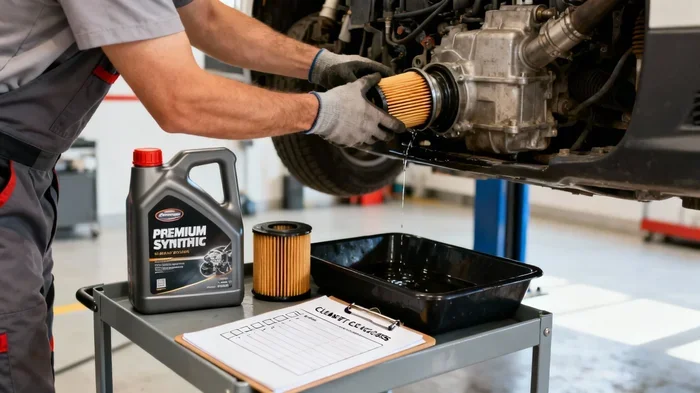
Even if the oil itself were somehow still good after two years, the oil filter would not be. Filters trap contaminants, but they have a limited capacity. A saturated filter can no longer trap particles, allowing them to circulate through the engine.
This is why changing your oil filter with every oil change is non-negotiable. A clean filter paired with degraded oil is not a winning combination either.
Can You Really Go Two Years? Expert Opinions and Real-World Cases
So what do the experts say? And what happens to real cars that go two years without an oil change?
What Mechanics Say
Most experienced mechanics recommend against going two years between oil changes. They have seen the damage firsthand. Engines that went too long without oil changes tend to show signs of premature wear, sludge, and reduced performance.
That said, some mechanics acknowledge that certain vehicles with low annual mileage might stretch to 18 months if driven under ideal conditions. But two full years? That raises red flags for most professionals.
Real-World Examples
Some car owners have reported going two years without an oil change and experiencing no issues. These are typically vehicles that:
- Drive mostly on highways at steady speeds
- Sit in moderate climates
- Have relatively low engine hours
- Use high-quality full synthetic oil
But for every success story, there are others who pushed their luck and paid the price. Engine rebuilds do not come cheap, and the savings from skipping a few oil changes rarely cover the cost.
Best Practices for Maximizing Synthetic Oil Life
If you want to get the most out of your synthetic oil without taking unnecessary risks, follow these practical tips.
Stick to a Regular Schedule
Create a personal oil change schedule based on your driving habits. For most drivers, changing synthetic oil every 7,500 to 10,000 miles or once a year strikes a good balance between protection and convenience.
Set calendar reminders on your phone. Track your mileage. Make oil changes a habit, not an afterthought.
Use Quality Oil and Filters
Not all synthetic oils are created equal. Look for oils that meet API SN or API SP ratings. These certifications ensure the oil meets current industry standards for engine protection.
Pair your oil with a high-quality filter. Cheap filters may not capture small particles effectively, reducing the overall protection of your lubricant.
Monitor Your Oil Between Changes
Check your oil level regularly. Look at the color and consistency. Fresh synthetic oil is typically amber and translucent. Dark, gritty oil signals it is time for a change, regardless of the mileage or time elapsed.
Some advanced vehicles come with oil life monitoring systems. These systems use algorithms to estimate when your oil needs changing based on driving conditions. Trust these systems, but do not rely on them blindly.
Consider Oil Analysis
For the truly curious, oil analysis kits are available. You send a sample of your used oil to a lab, and they test it for metal content, contamination, and additive levels. This data gives you a clear picture of your engine’s health and whether the oil still has life left in it.
Oil analysis is especially useful for people who want to extend their change intervals safely. It takes the guesswork out of the equation.
Quick Tips for Oil Change Confidence
- Always check your owner’s manual for the manufacturer’s recommended interval.
- Change your oil filter every time you change the oil.
- Keep a log of every oil change with dates and mileage.
- Do not rely on oil color alone. Additive depletion is invisible to the naked eye.
- When in doubt, change early. It is cheaper than an engine rebuild.
- Use synthetic oil consistently. Switching between oil types can cause compatibility issues.
- Drive your car regularly. Vehicles that sit too long develop moisture problems in the oil.
Common Mistakes People Make With Oil Change Intervals
Avoid these common pitfalls that lead to engine problems and unnecessary expenses.
- Assuming the oil looks fine, so it must be fine. Oil can be contaminated internally while appearing clean on the surface.
- Ignoring the time interval. Mileage is not the only factor. Time degrades oil too.
- Using the wrong oil specification. Not all synthetic oils meet the requirements for every engine. Check your manual.
- Skipping oil filter changes. A dirty filter undermines even the best oil.
- Following internet advice over manufacturer guidelines. Every engine is different. Generic advice does not account for your specific vehicle.
Conclusion
So, can you really go two years without changing synthetic oil? The honest answer is: it is possible, but it is not recommended for most drivers. Synthetic oil lasts longer than conventional oil, and modern engines are more efficient than ever. However, two years pushes the boundaries of safe engine oil maintenance for nearly all vehicles and driving conditions.
Your best approach is to follow your manufacturer’s recommendations, consider your personal driving conditions, and stay proactive about oil change schedule management. The small cost of regular oil changes is nothing compared to the cost of engine repairs caused by neglected maintenance.
Take care of your engine, and it will take care of you. Stick to a sensible interval, use quality products, and drive with confidence knowing your engine is properly protected.
Frequently Asked Questions
What is the longest recommended synthetic oil change interval?
Most manufacturers recommend changing synthetic oil every 7,500 to 15,000 miles or once a year, whichever comes first. Some vehicles with low annual mileage may stretch to 18 months, but going beyond that increases the risk of oil degradation and engine wear.
Can synthetic oil last 2 years if I drive very little?
Even with low mileage, time degrades oil. Moisture accumulates, additives deplete, and contamination builds up over months. Most experts recommend changing oil at least once a year, even if you have not reached the mileage limit. Two years is generally too long regardless of driving frequency.
Does synthetic oil break down even if the car sits unused?
Yes. Oil degrades over time due to oxidation, moisture absorption, and additive breakdown. A car that sits for extended periods can develop sludge and contamination in the oil. If your vehicle sits unused, start it regularly and change the oil at least once a year.
What are the signs that my synthetic oil needs changing?
Look for dark or gritty oil on the dipstick, reduced fuel efficiency, unusual engine noises, dashboard warning lights, and a burning oil smell. Regular oil analysis can also detect degradation before visible symptoms appear.
Will going too long between oil changes void my warranty?
It can. Most warranties require following the manufacturer’s recommended maintenance schedule. If engine damage occurs and records show skipped or delayed oil changes, the manufacturer may deny the warranty claim. Always keep detailed service records.
Is it better to change oil by mileage or by time?
Both matter. Change your oil when you reach either the mileage limit or the time limit, whichever comes first. For most synthetic oils, this means changing every 7,500 to 10,000 miles or every 12 months. Time and mileage work together to determine oil health.