Can You Reset Check Engine Light Without Disconnecting It
Yes, you can reset the check engine light without disconnecting the battery. The most reliable way is to use an OBD-II scanner to clear the stored fault codes. You can also try a simple reset tool, a drive cycle, or specific key-turn sequences, but each method works only if the underlying issue is fixed first.
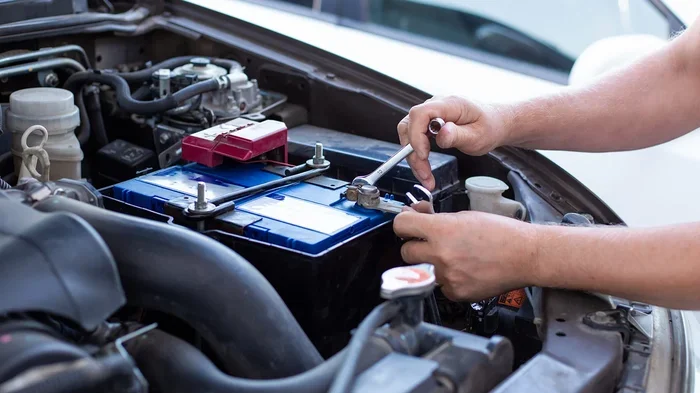
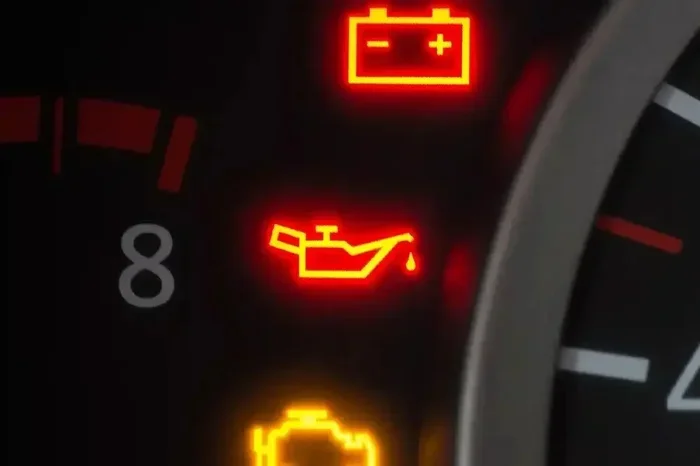
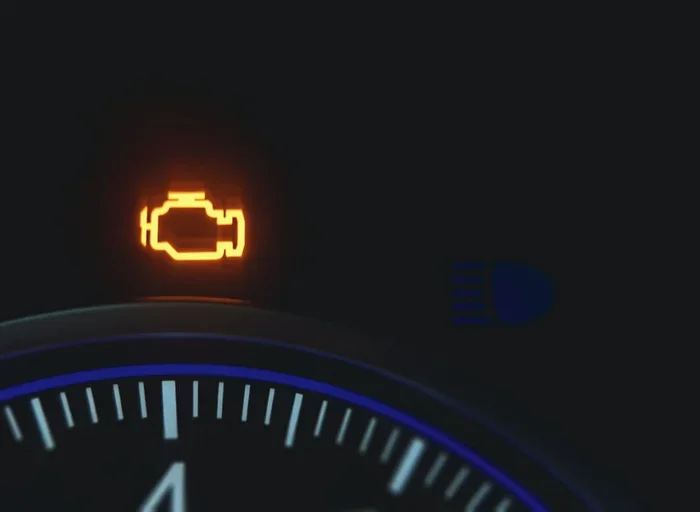
That little yellow engine-shaped warning light on your dashboard can send a chill down your spine. One moment you’re driving fine, and the next, the check engine light is glowing on the dash. You might wonder if you can simply turn it off without going under the hood or popping the hood to disconnect the battery. The good news is that you can reset the check engine light without disconnecting it in most modern vehicles. You don’t have to lose your radio presets or deal with other annoying glitches that come with a full battery disconnect.
In this guide, we’ll walk you through exactly how to reset the light safely. We’ll cover the tools you need, the methods that work best, and the mistakes you should avoid. Whether you’re a DIY enthusiast or just curious, you’ll find clear, step-by-step advice. Let’s dive in and take the mystery out of that pesky warning light.
Key Takeaways
- You don’t need to disconnect the battery: Modern cars store fault codes in memory that can be erased with a scanner or reset tool.
- An OBD-II scanner is the safest and most accurate method: It reads and clears diagnostic trouble codes without harming your vehicle’s computer.
- Resetting the light doesn’t fix the problem: If the root cause isn’t repaired, the light will return, often with more severe symptoms.
- Try a drive cycle after clearing codes: This lets the onboard diagnostics re-run tests and confirm the repair was successful.
- Avoid quick fixes like holding the odometer button: These can vary by car and may not clear all codes properly.
- Know when to see a mechanic: Flashing lights, performance issues, or persistent codes mean professional help is needed.
📑 Table of Contents
- What Is the Check Engine Light and Why Does It Come On?
- Why You Might Want to Reset It Without Disconnecting the Battery
- The OBD-II Scanner Method: The Best Way to Reset the Light
- Other Ways to Reset the Light Without Battery Disconnect
- When Resetting Won’t Fix the Problem (and What to Do Instead)
- Preventing the Check Engine Light from Coming Back
What Is the Check Engine Light and Why Does It Come On?
The check engine light is part of your car’s onboard diagnostics system, known as OBD-II. This system has been standard in all passenger vehicles sold in the U.S. since 1996. When the engine control module (ECM) or powertrain control module (PCM) detects something is off, it stores a diagnostic trouble code (DTC) and turns on the light. The light is also called the Malfunction Indicator Lamp, or MIL.
The light can come on for many reasons. A loose gas cap is one of the simplest triggers. A faulty oxygen sensor, a failing catalytic converter, or a misfiring spark plug are common culprits too. Sometimes it’s a temporary glitch, like a brief voltage spike. Other times, it signals a real problem that needs attention. Understanding why the light is on is the first step before you try to reset it.
Common Reasons the Check Engine Light Activates
- Loose or damaged gas cap: A loose cap lets fuel vapors escape and triggers an emissions code.
- Faulty oxygen sensor: This sensor measures unburned oxygen in the exhaust. A bad one can reduce fuel economy.
- Catalytic converter issues: A failing converter increases harmful emissions and can cause the light to flash.
- Mass airflow sensor problems: This sensor tells the computer how much air enters the engine. Dirt or damage can throw off the reading.
- Spark plug or ignition coil failure: A misfire can damage the catalytic converter if ignored.
Why You Might Want to Reset It Without Disconnecting the Battery
Disconnecting the battery was once the go-to trick to clear a check engine light. You’d clip the negative cable off, wait a few minutes, and reconnect it. The computer would lose all stored codes, and the light would go off. But this method has downsides. You can lose your radio station presets, clock settings, and power window calibration. On some newer cars, a full battery disconnect can even force a relearn procedure for the idle air control or anti-theft system.
Resetting the light without disconnecting the battery keeps all your personalized settings intact. It’s faster, cleaner, and avoids potential computer glitches. Modern OBD-II scan tools communicate directly with the car’s computer through a port under the dashboard. They can read the codes, display what they mean, and clear them safely. This is the method professionals use, and it’s now available to car owners at an affordable price.
When Battery Disconnect Might Still Be Necessary
There are rare cases where a battery disconnect is the only option. Some older vehicles or specific models don’t respond well to scanner clears. If the engine warning light stays on after a proper scan tool reset, a battery disconnect might reset the entire system. However, this should be a last resort. Always check your vehicle’s service manual first. Many newer cars also require a professional-level scan tool that can access certain modules beyond just the engine.
The OBD-II Scanner Method: The Best Way to Reset the Light
Using an OBD-II scanner is the most reliable way to reset your check engine light without touching the battery. A scanner plugs directly into the OBD-II port, which is almost always located under the dashboard on the driver’s side. Once connected, the tool talks to your car’s computer and can read or erase fault codes.
Step-by-Step: How to Use an OBD-II Scanner
- Locate the OBD-II port: It’s usually under the steering column, near the knee area. You might need to remove a small cover.
- Plug in the scanner: Insert the connector firmly into the port. The tool should power on automatically.
- Turn the ignition to the “ON” position: Do not start the engine. Just turn the key to the position where the dash lights come on.
- Follow the scanner prompts: Most modern scanners will ask for your vehicle’s year, make, model, and engine type. Enter this information accurately.
- Read the fault codes: The scanner will display a list of codes, like P0420 or P0301. Write them down or take a photo.
- Look up the codes: Many scanners have a built-in database. You can also search the codes online to understand what they mean.
- Clear the codes: Once you’ve noted them, use the scanner’s menu to erase the codes. The check engine light should turn off.
- Verify the reset: Turn the scanner off, then restart the engine. The light should stay off if the problem was temporary or has been fixed.
Choosing the Right OBD-II Scanner
Not all scanners are the same. A basic code reader will only show and clear codes. A full OBD-II scan tool offers live data, readiness monitors, and advanced diagnostics. If you plan to do your own car maintenance, investing in a good scan tool pays off quickly. Look for one that supports all OBD-II protocols and has a user-friendly interface. Bluetooth or Wi-Fi models that pair with a smartphone app are especially popular and affordable.
| Feature | Basic Code Reader | Full OBD-II Scan Tool |
|---|---|---|
| Reads and clears codes | Yes | Yes |
| Live data stream | No | Yes |
| Readiness monitors | No | Yes |
| Bluetooth/Wi-Fi app support | Rare | Common |
| Price range | $20–$50 | $50–$300+ |
Other Ways to Reset the Light Without Battery Disconnect
If you don’t have an OBD-II scanner, there are a few other methods you can try. These work for some vehicles, but they’re not as reliable as a proper scan tool. Always make sure the underlying issue is fixed before attempting any reset.
Method 1: The Reset Button on the Scanner Tool
Some basic code readers have a dedicated reset button. After you plug the reader in and read the codes, you simply press this button to erase them. This is essentially the same as using a full scan tool’s clear function. The key is to ensure the scanner is compatible with your vehicle’s onboard diagnostics system.
Method 2: The Ignition Cycle Trick
For certain car models, a specific key-turn sequence can reset the light. This often involves turning the ignition on and off a set number of times, then quickly turning it to the “ON” position and pressing the accelerator pedal. This method is not universal and can vary even between model years of the same car. Check your owner’s manual or a trusted online forum for your specific vehicle. Use this method only as a last resort, since it doesn’t give you any diagnostic information.
Method 3: A Drive Cycle
A drive cycle is a series of driving conditions that allow the car’s computer to run all its self-tests. After you’ve fixed the problem and cleared the codes with a scanner, you perform a drive cycle to let the ECM verify that everything is working. The exact drive cycle varies by vehicle, but it usually involves a mix of cold starts, highway driving, and idle periods. Once the drive cycle completes successfully, the check engine light should stay off and the readiness monitors will be set to “ready.”
- Clearing codes without fixing the problem: The light will just come back, often with more codes.
- Using a cheap, incompatible scanner: Some budget readers can’t communicate with newer vehicles or certain modules.
- Ignoring pending codes: A pending code hasn’t triggered the light yet, but it will if the problem repeats. Clearing pending codes can hide early warnings.
When Resetting Won’t Fix the Problem (and What to Do Instead)
Resetting the check engine light is not a repair. It’s simply erasing a stored warning. If the root cause isn’t fixed, the light will return, often within a few days or even a few minutes of driving. You might also notice other symptoms, like rough idle, reduced power, or poor fuel economy. Ignoring these signs can lead to expensive damage over time.
If you’ve cleared the codes and the light comes back immediately, it means the problem is still present. Here’s what you should do next:
- Check the codes again: Write down the exact codes that returned. This tells you if the same issue persists or if a new one appeared.
- Inspect the obvious fixes first: Re-check your gas cap, look for loose wires, or see if a hose popped off.
- Use live data to diagnose: A good scan tool lets you watch sensor values in real time. Look for values that are far outside the normal range.
- Consult a professional mechanic: If the codes point to a complex issue like a catalytic converter failure or internal engine problem, a certified technician has the tools and expertise to fix it properly.
Understanding Pending vs. Confirmed Codes
Your car’s computer sets codes in stages. A pending code means a problem was detected once, but it wasn’t serious enough to turn on the light yet. A confirmed code means the same problem happened multiple times, or the issue was severe enough to trigger the MIL. When you clear codes, both pending and confirmed codes are erased. However, if the problem that caused the pending code isn’t fixed, it will become a confirmed code and the light will return.
Preventing the Check Engine Light from Coming Back
Once you’ve successfully reset the light and fixed the issue, you want to keep it off. Regular car maintenance is the best prevention. Follow your vehicle’s service schedule for spark plug changes, air filter replacements, and sensor cleanings. A few simple habits can keep your engine warning light from returning.
Simple Habits That Help
- Tighten your gas cap until it clicks: This alone prevents a surprising number of emissions-related codes.
- Use the right fuel: Always use the octane level recommended by your manufacturer.
- Don’t ignore early warning signs: If you notice a slight drop in fuel economy or a subtle rough idle, get the codes read before the light even comes on.
- Keep your scan tool handy: Owning a basic OBD-II reader lets you catch problems early, long before the check engine light illuminates.
Remember, the check engine light is your car’s way of talking to you. It’s trying to tell you something needs attention. By learning how to read and reset it properly, you become a smarter, more confident car owner. You can handle minor issues quickly and avoid costly repairs down the road. So the next time that little engine icon pops up, don’t panic. Grab your scanner, find the code, and take control.
Whether you use a professional-grade tool or a simple Bluetooth reader, the process is straightforward. You don’t need to be a mechanic to clear a code and turn off the light. Just be sure you’ve addressed the real issue, and you’ll keep your car running smoothly and your dashboard worry-free.
Frequently Asked Questions
Can I drive with the check engine light on after resetting it?
If the light came on for a minor reason like a loose gas cap and you’ve fixed it, driving is usually safe. However, if the light returns immediately or you notice performance issues, stop driving and get the car inspected. A persistent light means there’s an active problem that could worsen.
Will resetting the check engine light erase my stored fault codes permanently?
Using an OBD-II scanner clears the codes from the current memory, but it doesn’t delete them from the permanent history in some vehicles. A professional scan tool can often erase both. Even if the codes remain in permanent memory, they won’t turn the light back on as long as the problem is resolved and the readiness monitors pass.
How long does it take for the check engine light to turn off after a reset?
If the repair was successful, the light should stay off right away. Some vehicles require a drive cycle for the computer to verify the fix. During this cycle, the light may stay off, but the readiness monitors need time to complete their tests before the system is fully ready.
Is it illegal to reset the check engine light?
Resetting the light itself is not illegal. However, intentionally clearing the light to hide a known emissions problem can violate environmental regulations. In many states, a vehicle with an illuminated MIL cannot pass an emissions inspection. Always fix the underlying issue before resetting.
Can I use an OBD-II scanner on any car?
All cars sold in the U.S. since 1996 and light trucks since 1997 are required to have a standardized OBD-II port. The scanner plug will fit, but the tool’s features may vary. Older or specialty vehicles might need a different protocol adapter, but most modern scanners handle all standard systems.
What’s the difference between a code reader and a scan tool?
A basic code reader can only retrieve and clear diagnostic trouble codes. A full scan tool offers advanced features like live data streaming, readiness monitor status, and the ability to reset specific modules. For most homeowners, a mid-range scan tool with live data provides the best value and diagnostic power.