Can a Flex-Fuel Car Use Regular Gas – Full Breakdown
Yes, a flex-fuel car can use regular gas without any problems. These vehicles are designed to run on multiple fuel types, including standard gasoline and E85 ethanol blends. The flex-fuel system automatically adjusts the engine settings to match the fuel you use. However, there are a few things to keep in mind, like fuel economy and engine performance differences. Understanding how your flex-fuel vehicle works helps you make the best choice at the pump every time.
If you own a flex-fuel vehicle or are thinking about buying one, you have probably wondered about fuel options. Can you just pull up to any pump and grab regular gasoline? The short answer is yes. But there is more to the story than a simple yes or no. Let us walk through everything you need to know about using regular gas in a flex-fuel engine.
Flex-fuel cars offer a unique advantage. They give you the freedom to choose between different fuel types. You can fill up with standard gasoline or switch to E85 ethanol blend. This fuel flexibility is built right into the engine and fuel system. But how does it all work? And what happens when you use regular gas instead of E85? Let us break it down.
Key Takeaways
- Flex-fuel vehicles accept regular gas: Your flex-fuel car can safely run on standard gasoline without any damage.
- The system adapts automatically: The engine control module adjusts timing and fuel injection based on the fuel type detected.
- Regular gas may reduce fuel economy: E85 contains less energy per gallon, so switching to regular gas can improve your miles per gallon.
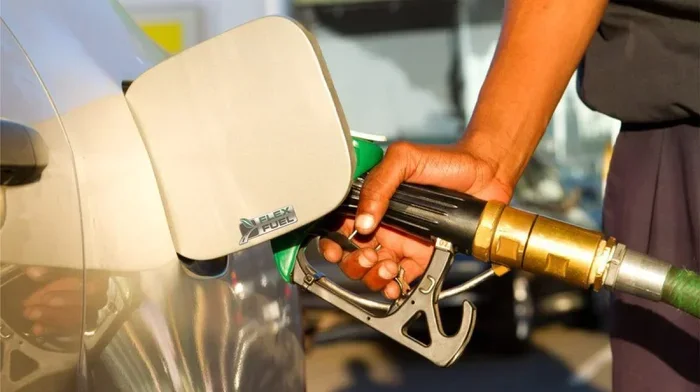
- Check your fuel cap or manual: Look for the yellow gas cap or the flex-fuel badge to confirm compatibility.
- No need for premium fuel: Most flex-fuel vehicles run fine on regular unleaded gasoline.
- Mixing fuels is safe: You can switch between regular gas and E85 without harming the engine.
- Performance may vary slightly: You might notice small differences in power and responsiveness between fuel types.
📑 Table of Contents
- What Is a Flex-Fuel Vehicle?
- Can a Flex-Fuel Car Use Regular Gas?
- Regular Gas vs. E85: What Are the Differences?
- What Happens When You Put Regular Gas in a Flex-Fuel Car?
- When Should You Use Regular Gas in a Flex-Fuel Car?
- Common Mistakes to Avoid
- Expert Tips for Flex-Fuel Owners
- Frequently Asked Questions
- Final Thoughts
What Is a Flex-Fuel Vehicle?
A flex-fuel vehicle (FFV) is a car or truck designed to run on more than one type of fuel. Most commonly, these vehicles use either regular gasoline or E85. E85 is a blend that contains up to 85 percent ethanol and 15 percent gasoline. The exact ratio can change depending on the season and the manufacturer.
The key component that makes this possible is the flex-fuel system. This system includes special sensors and software that detect what type of fuel is in the tank. Once the system identifies the fuel, it adjusts the engine settings accordingly. This means the combustion engine gets the right air-fuel mixture no matter what you pour in.
Many popular car brands offer flex-fuel models. Ford, Chevrolet, and GMC are just a few examples. These vehicles often look just like their regular gasoline counterparts. The easiest way to spot one is by looking for a yellow gas cap or a flex-fuel badge on the vehicle.
How the Flex-Fuel System Works
The fuel sensor inside the tank sends a signal to the engine control module (ECM). The ECM then reads the ethanol content of the fuel. Based on this reading, it changes the fuel injection timing and the air-fuel ratio. This entire process happens in milliseconds. You never have to flip a switch or make any adjustments yourself.
When you use E85, the engine runs a bit richer. This means it uses more fuel relative to air. When you use regular gas, the system leans things out. The fuel mixture becomes more balanced for gasoline combustion. This automatic adjustment is what makes flex-fuel vehicles so convenient and user-friendly.
Can a Flex-Fuel Car Use Regular Gas?
The direct answer to this question is absolutely yes. Can a flex-fuel car use regular gas? Yes, it can. Flex-fuel vehicles are engineered to handle a wide range of fuel types. Regular unleaded gasoline, which typically has an octane rating of 87, is perfectly safe for these engines.
You do not need to worry about causing any damage. The flex-fuel system is built to accommodate regular gas. It will adjust the engine timing and fuel delivery to match. Your vehicle will run smoothly and efficiently on standard gasoline. In fact, most flex-fuel car owners use regular gas for the majority of their driving.
Fuel Compatibility and Safety
One of the biggest advantages of a flex-fuel vehicle is fuel compatibility. You are not locked into one type of fuel. If E85 is too expensive or hard to find in your area, regular gas is always a reliable backup. The fuel cap label on your car will confirm what fuels are safe to use.
Here is a quick list of fuels that are safe for most flex-fuel vehicles:
- Regular unleaded gasoline (87 octane)
- Mid-grade gasoline (89 octane)
- Premium gasoline (91-93 octane)
- E10 (10 percent ethanol blend)
- E15 (15 percent ethanol blend)
- E85 (up to 85 percent ethanol blend)
As you can see, the range is quite broad. You have a lot of freedom to choose. This is a major selling point for anyone considering a flex-fuel vehicle.
Regular Gas vs. E85: What Are the Differences?
Now that you know both fuels are safe, let us compare them. Understanding the differences helps you make informed decisions at the pump. Each fuel type has its own strengths and weaknesses.
Energy Content and Fuel Economy
Regular gasoline contains more energy per gallon than E85. This means you will generally get better fuel economy on regular gas. E85 has a lower energy density, so your engine needs to burn more of it to produce the same amount of power.
In practical terms, this means your miles per gallon will drop when you use E85. Some drivers notice a 15 to 25 percent decrease in fuel economy. If you do a lot of highway driving, this difference can add up quickly at the pump.
Performance and Power
E85 actually has a higher octane rating than regular gasoline. This means it can handle more compression before igniting. In some high-performance engines, this translates to more horsepower and torque. However, most flex-fuel engines do not produce noticeably more power on E85 compared to regular gas.
On the other hand, regular gas provides a consistent and predictable driving experience. Your engine performance will feel smooth and responsive. For everyday commuting and city driving, regular gas works great.
Cost Comparison
E85 is often cheaper per gallon than regular gasoline. But because you burn through it faster, the savings may not be as big as they seem. Here is a simple comparison:
- Regular gas costs more per gallon but gives you more miles.
- E85 costs less per gallon but reduces your fuel economy.
- The overall cost depends on local fuel prices and your driving habits.
A quick tip: keep track of your fuel costs over a few tanks. This helps you figure out which fuel saves you more money in the long run.
Environmental Impact
E85 is often marketed as a greener fuel choice. It contains a high percentage of ethanol, which is a renewable resource made from corn and other plant materials. Burning E85 can produce fewer greenhouse gas emissions compared to pure gasoline.
However, the full picture is more complex. Growing the crops needed for ethanol production requires land, water, and energy. The overall environmental benefit depends on how the ethanol is produced and sourced. Regular gasoline, while not renewable, benefits from a well-established refining and distribution infrastructure.
What Happens When You Put Regular Gas in a Flex-Fuel Car?
If you have been filling up with E85 and switch to regular gas, you might wonder if anything changes. The good news is that your car handles the switch seamlessly. The fuel sensor detects the change in ethanol content. The engine control module then recalibrates the fuel delivery and ignition timing.
You probably will not notice any difference in how the car drives. It will start normally. It will idle smoothly. And it will accelerate just fine. The flex-fuel system does all the heavy lifting in the background.
Short-Term Effects
In the short term, using regular gas in a flex-fuel car has no negative effects. Your engine performance remains stable. The fuel economy may actually improve slightly because regular gas has more energy per gallon. There is no need to worry about engine knocking or damage.
Long-Term Effects
Using regular gas over the long term is also perfectly safe. The engine components are designed to handle both fuel types. The fuel lines, injectors, and seals are made from materials that resist both gasoline and ethanol blends. You can switch back and forth between regular gas and E85 without any concerns about wear or deterioration.
One thing to keep in mind is that some drivers report slightly different throttle response between the two fuels. This is minor and varies from vehicle to vehicle. Overall, the long-term reliability of your flex-fuel engine is not affected by your fuel choice.
When Should You Use Regular Gas in a Flex-Fuel Car?
There are several situations where regular gas makes the most sense. Understanding these scenarios helps you get the best value from your vehicle.
When E85 Is Not Available
E85 fueling stations are not as common as regular gas stations. If you live in an area with limited access to E85, regular gas is your best bet. The flex-fuel system will still work perfectly with standard gasoline. You do not need to change anything about how you drive or maintain your car.
When You Need Better Fuel Economy
If you are planning a long road trip and want to maximize your range, regular gas is the way to go. The higher energy content means you travel farther on each gallon. This reduces the number of stops you need to make. It also saves you time on the road.
When You Want to Save Money Upfront
E85 is not always cheaper than regular gas. In some regions, the price difference is minimal or even reversed. When E85 costs nearly the same as regular gas, there is little reason to choose it. Regular gas gives you more energy per dollar spent in these cases.
When You Want Consistent Performance
Regular gasoline provides a predictable and consistent driving experience. The fuel mixture is well understood by the engine control module. You get reliable performance in all weather conditions and driving situations. This consistency is one of the reasons many flex-fuel owners prefer regular gas for daily driving.
Common Mistakes to Avoid
Even though flex-fuel vehicles are forgiving, there are a few mistakes worth avoiding. These tips help keep your car running at its best.
- Never use diesel fuel: Diesel is not compatible with gasoline engines. Putting diesel in a flex-fuel car can cause serious damage.
- Do not ignore the fuel cap label: Always check the label on your gas cap for approved fuel types.
- Do not assume all flex-fuel cars are the same: Some models have specific fuel requirements. Always consult your vehicle manual if you are unsure.
- Do not mix up fuel types at the pump: While flex-fuel cars handle both regular gas and E85, make sure you are not accidentally putting E85 in a non-flex-fuel vehicle.
- Do not skip regular maintenance: Even with fuel flexibility, your car still needs routine oil changes, air filter replacements, and spark plug checks.
These are simple habits that go a long way. They keep your flex-fuel vehicle healthy and running smoothly for years to come.
Expert Tips for Flex-Fuel Owners
Want to get the most out of your flex-fuel car? Here are some practical tips from experienced owners and automotive experts.
Monitor Your Fuel Economy
Keep an eye on your miles per gallon for each fuel type. Many modern cars have a trip computer that tracks this information. By comparing your fuel economy on regular gas versus E85, you can make smarter choices at the pump. This data helps you understand which fuel gives you the best value.
Keep Your Fuel Tank at Least a Quarter Full
This tip applies to all cars, but it is especially important for flex-fuel vehicles. Keeping a healthy fuel level prevents moisture buildup inside the tank. It also ensures the fuel sensor has enough fuel to accurately read the ethanol content.
Use a Quality Fuel Filter
Ethanol can attract moisture over time. A good fuel filter helps catch any contaminants before they reach the engine. Replace your fuel filter according to the manufacturer’s recommended schedule. This simple step protects your flex-fuel engine and maintains optimal performance.
Experiment With Different Fuels
One of the best things about a flex-fuel car is the ability to experiment. Try different fuel types and see how your car responds. You might find that regular gas works better for your daily commute, while E85 is a good choice for weekend driving. There is no single right answer. It depends on your driving habits, local fuel prices, and personal preferences.
Frequently Asked Questions
Is it safe to use regular gas in a flex-fuel car?
Yes, it is completely safe. Flex-fuel vehicles are specifically designed to run on regular gasoline. The engine and fuel system can handle standard fuel without any issues. Your car will adjust automatically to match the fuel type.
Will regular gas damage my flex-fuel engine?
No, regular gas will not damage a flex-fuel engine. The materials used in the fuel system are compatible with both gasoline and ethanol blends. Switching between fuel types is safe and will not cause any long-term harm to your vehicle.
Can I mix E85 and regular gas in the same tank?
Yes, you can mix E85 and regular gas. The flex-fuel system will detect the blended fuel and adjust the engine settings accordingly. However, mixing fuels may change the ethanol content, which can slightly affect performance and fuel economy.
Does using regular gas void my flex-fuel warranty?
No, using regular gas does not void your warranty. Manufacturers design flex-fuel vehicles to accept multiple fuel types. As long as you follow the recommended maintenance schedule and use approved fuels, your warranty remains intact.
Will I get better gas mileage with regular gas?
Yes, you will generally get better gas mileage with regular gasoline. E85 has a lower energy content per gallon, which means you burn more of it to travel the same distance. Switching to regular gas can improve your fuel economy by 15 to 25 percent.
How do I know if my car is a flex-fuel vehicle?
Look for a yellow gas cap, a flex-fuel badge on the vehicle, or check the fuel cap label. You can also refer to your vehicle manual. The manual will list all approved fuel types for your specific model.
Final Thoughts
The answer to the question can a flex-fuel car use regular gas is a clear and reassuring yes. Your flex-fuel vehicle is built to handle regular gasoline with ease. The smart flex-fuel system takes care of all the adjustments automatically. You get the freedom to choose the fuel that works best for your budget, your driving habits, and your local fuel availability.
Regular gas offers solid fuel economy, consistent performance, and wide availability. E85 has its own benefits, especially in regions where it is affordable and easy to find. The beauty of a flex-fuel vehicle is that you do not have to commit to just one option.
So the next time you pull up to the pump, remember that your car is ready for whatever you choose. Use regular gas for your daily commute. Switch to E85 when it makes sense. Your vehicle will handle it all without a hiccup. Enjoy the flexibility and confidence that comes with owning a flex-fuel car. Make the choice that fits your life, and drive with peace of mind knowing your car is built to handle it.