Can an Engine Survive Overheating Without Permanent Damage
Can an engine survive overheating? The short answer is: it depends on how hot it gets and how long it stays hot. A brief overheat may cause no lasting harm, but sustained high temperatures can destroy internal parts like the head gasket, warped cylinder head, and even the engine block itself. In this guide, we break down exactly what happens inside your cooling system during an overheat, the overheating symptoms you should never ignore, and the steps you can take to prevent engine damage for good.
Every driver has seen smoke billowing from a hood at the worst possible moment. You glance at the temperature gauge. It’s in the red. Your heart drops. The first question that hits your mind is simple: can an engine survive overheating?
The truth is more nuanced than a yes or no answer. Some engines bounce back from a brief overheat with zero issues. Others suffer catastrophic engine damage in minutes. What determines the outcome? Temperature, duration, and what you do next.
In this article, we will walk through exactly what happens inside your engine when it overheats. We will look at the real overheating causes, the warning signs you need to watch for, and the steps that can save your engine from permanent harm. Whether you are dealing with a right-now emergency or want to prevent future problems, this guide covers it all.
Let us start with the basics. Your engine runs hot. Really hot. Normal operating temperature sits around 195 to 220 degrees Fahrenheit. Anything above that range starts pushing your cooling system to its limits. And once temperatures climb past 230 degrees, things get dangerous fast.
Key Takeaways
- Engines can survive minor overheating: A short temperature spike often causes no lasting harm if you act quickly.
- Sustained overheating causes serious damage: Prolonged high heat warps metal, blows gaskets, and can seize the engine entirely.
- Know the warning signs: A rising temperature gauge, steam from the hood, and strange smells all point to trouble.
- Coolant and the cooling system are your best friends: Regular maintenance keeps the thermostat, radiator, and water pump working properly.
- Immediate action matters: Pulling over and shutting off the engine can mean the difference between a small repair and a total engine replacement.
- Prevention is always cheaper than repair: Simple habits like checking coolant levels and watching your temperature gauge save hundreds of dollars.
📑 Table of Contents
- What Happens Inside an Engine When It Overheats
- Common Causes of Engine Overheating
- Signs Your Engine Is Overheating
- Can an Engine Survive Overheating? The Truth
- How to Prevent Engine Overheating
- What to Do If Your Engine Overheats Right Now
- How Much Does Overheating Damage Cost to Fix?
- Expert Insight: What Mechanics Want You to Know
- Key Takeaways
- Conclusion
What Happens Inside an Engine When It Overheats
When your engine overheats, a chain reaction starts. Metal parts expand. Fluids break down. Seals fail. The damage builds fast, and every second matters. Let us look at what goes wrong step by step.
Metal Expansion and Warping
Engine parts are made of metal. Metal expands when it gets hot. Normal heat is fine. But extreme heat causes parts to swell beyond their designed limits. The cylinder head can warp. The engine block can distort. Once metal warps, it rarely goes back to its original shape.
A warped cylinder head means the seal between the head and the block fails. This leads to compression loss, oil leaks, and coolant mixing with oil. None of these are good news for your engine.
Coolant Breakdown
Your coolant does more than just look pretty in the reservoir. It absorbs heat from the engine and carries it to the radiator for cooling. When temperatures spike, coolant can boil. Boiled coolant turns into steam, which pushes pressure through the cooling system.
Once coolant boils, it loses its ability to absorb heat. The engine gets hotter. The coolant boils more. This vicious cycle accelerates engine damage very quickly.
Head Gasket Failure
The head gasket sits between the cylinder head and the engine block. It seals combustion chambers and keeps coolant and oil in their proper channels. When an engine overheats, the head gasket is one of the first casualties.
A blown head gasket is a serious repair. It allows coolant into cylinders, oil into coolant passages, and combustion gases into the cooling system. Signs include white smoke from the exhaust, a milky oil cap, and constant coolant loss.
Engine Seizure
In the worst cases, an overheating engine seizes. This happens when metal parts expand so much they fuse together. The pistons weld to the cylinder walls. The engine stops dead. A seized engine often needs a full replacement or a very expensive rebuild.
Common Causes of Engine Overheating
Understanding why engines overheat helps you prevent it. Most overheating causes come down to failures in the cooling system. Let us explore the most common culprits.
Low Coolant Levels
This is the number one reason engines overheat. Coolant leaks happen over time. Hoses crack. Radiators develop pinholes. Water pumps fail. When coolant levels drop too low, there is not enough fluid to carry heat away from the engine.
Checking your coolant level takes two minutes. Do it once a month. It is one of the easiest engine maintenance habits you can build.
Faulty Thermostat
The thermostat controls the flow of coolant through the engine. When the engine warms up, the thermostat opens and lets coolant circulate. When it gets too hot, the thermostat closes to help the engine warm faster.
A stuck thermostat causes big problems. If it stays closed, coolant cannot flow. The engine overheats fast. If it stays open, the engine never reaches proper operating temperature, which causes other issues.
Broken Water Pump
The water pump pushes coolant through the engine and radiator. Without a working water pump, coolant sits still. Heat builds up. The engine temperature climbs.
Water pumps fail because of worn bearings, corroded impellers, or simple age. Most water pumps last between 60,000 and 90,000 miles. But they can fail earlier, especially if coolant quality is poor.
Radiator Problems
The radiator releases heat from the coolant into the air. If the radiator gets clogged, clogged fins, or a broken cooling fan, it cannot do its job. Heat stays trapped in the system.
Older vehicles are especially prone to radiator issues. Rust and sediment build up inside over the years. Flushing the coolant system regularly helps prevent this.
Soft Hose Connections
The hoses that carry coolant are rubber. Rubber cracks, swells, and weakens over time. A soft hose connection can spray coolant onto the hot engine. Within seconds, you lose enough coolant to trigger an overheat.
Inspect your hoses for cracks, bulges, and wet spots. Replace any hose that looks worn. It costs very little and saves a lot of headaches.
Signs Your Engine Is Overheating
Catching an overheat early is the key to survival. The longer you drive with an overheating engine, the worse the damage gets. Learn these overheating symptoms and act fast.
Temperature Gauge in the Red
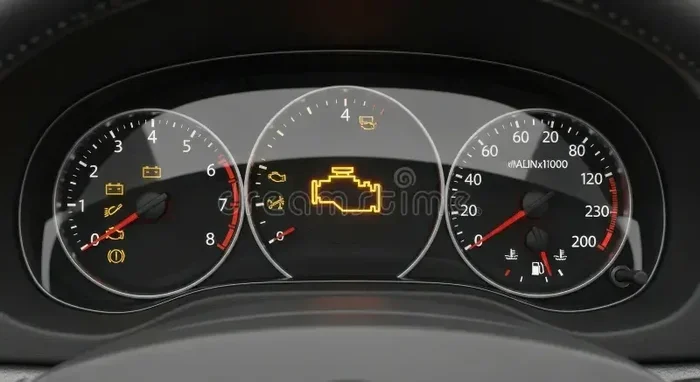
The most obvious sign is the temperature gauge climbing into the red zone on your dashboard. Your temperature gauge gives you a real-time reading of your engine temperature. If it starts climbing past normal, pull over safely.
Do not ignore a gauge that sits higher than usual, even if it is not in the red. A gauge that runs warm all the time points to a cooling system problem that needs attention.
Steam or Smoke From the Hood
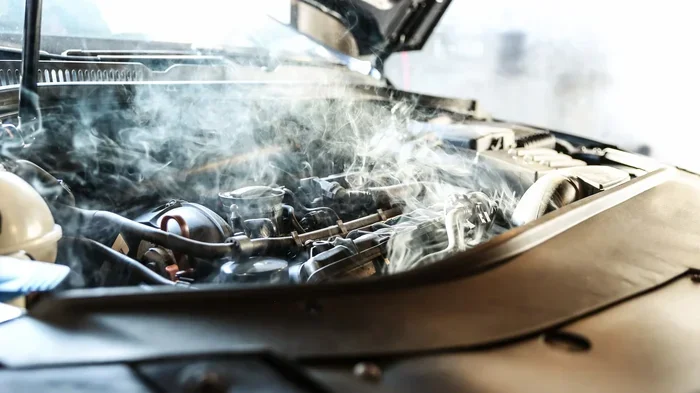
Steam pouring from under the hood is a clear signal. It usually means coolant has hit a hot surface and boiled off. You might see white vapor or hear a hissing sound.
If you see steam, do not pop the hood right away. Hot coolant can spray out and burn you. Pull over, turn off the engine, and wait several minutes before opening anything.
Strange Smells
Your nose can detect overheating before the gauge tells you. Burning coolant smells sweet and syrupy. Burning oil smells sharp and acrid. Both smells mean something is getting too hot inside the engine bay.
If you notice an unusual smell while driving, check the temperature gauge immediately. A strange smell combined with a rising gauge is a clear danger sign.
Coolant Leaks Under the Car
Puddles of green, orange, or pink fluid under your car mean a coolant leak. Even a small leak can lead to a sudden overheat if the level drops low enough.
Check the ground where you park. Look for fresh drips or puddles. Also inspect the coolant reservoir for low levels between fill-ups.
Thumping or Knocking Noises
An overheating engine may make loud knocking or thumping sounds. This happens when the air-fuel mixture ignites unevenly due to hot spots in the engine. Knocking means the engine is under serious stress.
If you hear knocking combined with a high temperature reading, stop driving immediately. Continuing to drive at this point almost guarantees engine damage.
Can an Engine Survive Overheating? The Truth
This is the question everyone wants answered. The honest answer depends on three factors: how hot, how long, and what you do about it.
Brief Overheating: Minor Damage or None
If your engine briefly hits high temperatures and you cool it down quickly, the damage is often minimal. A short spike to 230 or 240 degrees might not cause any permanent harm. The cooling system recovers, and the engine goes back to normal.
This is why many drivers ask, can an engine survive overheating, and the answer is yes in these cases. A few minutes in the red zone usually does not cause lasting problems if you respond fast.
Sustained Overheating: Serious and Often Permanent Damage
Driving for 10, 20, or 30 minutes with an overheating engine is a different story. Sustained high temperatures cause the damage we talked about earlier. The head gasket fails. The cylinder head warps. The engine block cracks.
At this point, the repair bill goes from a few hundred dollars for a thermostat replacement to several thousand for a head gasket job or worse. The engine may not survive.
Comparison: Brief Overheat vs. Sustained Overheat
| Factor | Brief Overheat (1-3 minutes) | Sustained Overheat (10+ minutes) |
|---|---|---|
| Engine Damage Risk | Low to none | High to severe |
| Head Gasket | Usually safe | Likely blown |
| Cylinder Head | No warping | Possible warping |
| Coolant System | Minor stress | Major damage possible |
| Repair Cost | Low or none | High ($500-$4,000+) |
| Engine Survival | Very likely | Uncertain |
How Long Can an Engine Overheat Before Damage Occurs?
There is no single answer. Some engines can handle a few minutes of high heat. Others begin to suffer damage in under five minutes. The general rule is simple: do not drive an overheating engine. Every minute over normal temperature increases the risk of engine damage.
If the gauge climbs into the red, pull over within one to two minutes. Turn off the engine. Let it cool. Then investigate the cause.
How to Prevent Engine Overheating
Prevention is always better than repair. A well-maintained cooling system keeps your engine running at the right temperature for years. Here are the best ways to prevent overheating.
Regular Coolant Checks and Flushes
Check your coolant level every month. Look at the reservoir when the engine is cold. The level should sit between the minimum and maximum marks.
Flush the entire cooling system every 30,000 to 50,000 miles. Old coolant loses its ability to absorb heat. Fresh coolant keeps the engine temperature stable and protects internal parts from corrosion.
Replace the Thermostat on Schedule
The thermostat is a small part that does a big job. Replacing it every 50,000 to 100,000 miles prevents failures. A new thermostat costs very little compared to the cost of an overheat-related repair.
Keep the Radiator and Cooling Fan in Good Shape
Make sure your radiator fins are clean and not clogged with dirt or bugs. Check that the cooling fan turns on when the engine gets hot. A fan that does not kick in is a common cause of overheating, especially in traffic or on hot days.
Watch for Early Warning Signs
Do not wait for the temperature gauge to hit red. If you notice a slight rise in temperature, a faint smell, or a small puddle under the car, get it checked. Early detection prevents major engine damage.
Use the Right Coolant
Not all coolants are the same. Use the type recommended by your vehicle manufacturer. Mixing different coolant types can cause chemical reactions that damage the water pump and clog the radiator.
What to Do If Your Engine Overheats Right Now
You are driving and the temperature gauge spikes. What do you do? Follow these steps to protect your engine and stay safe.
Step 1: Turn Off the Air Conditioning
Your A/C puts extra load on the engine. Turning it off reduces heat immediately. This small action can buy you valuable time.
Step 2: Turn the Heater to Full Blast
This sounds counterintuitive, but it works. The heater core acts as a secondary radiator. It pulls heat from the coolant into the cabin. Crank the heat and the fan to full. It will be hot inside, but it helps cool the engine.
Step 3: Pull Over Safely
Find a safe spot to stop. Do not keep driving. Turn off the engine and let it cool. Do not try to open the radiator cap while the engine is hot. Pressurized steam and boiling coolant can cause severe burns.
Step 4: Check the Coolant Level
After the engine cools for at least 15 minutes, open the hood carefully. Check the coolant reservoir. If the level is low, add a 50/50 mix of coolant and water. Do not add plain water alone for an extended period.
Step 5: Call for Help If Needed
If the coolant level is fine and the engine still overheats, something else is wrong. Call a tow truck and get the vehicle to a mechanic. Driving an overheating engine to a shop often causes more damage than the tow itself.
Common Mistakes People Make When the Engine Overheats
Many drivers make mistakes that make things worse. Here are the ones to avoid.
- Continuing to drive: Even a few more minutes can turn a minor repair into a major one.
- Popping the radiator cap immediately: Hot pressurized coolant sprays out and causes burns.
- Pouring cold water into a hot engine: The sudden temperature change can crack the engine block or warp the cylinder head.
- Ignoring the problem: A small coolant leak today can become a blown head gasket tomorrow.
How Much Does Overheating Damage Cost to Fix?
The cost of repairing overheating damage varies widely. A small coolant leak repair might cost $100 to $200. A new thermostat runs $150 to $300. But a blown head gasket repair can range from $1,000 to $3,000 depending on the vehicle.
A cracked engine block or a seized engine can cost $3,000 to $7,000 or more. In many cases, the repair cost exceeds the value of the vehicle. This is why prevention and quick action are so important.
Regular engine maintenance is the best investment you can make. A few dollars spent on coolant flushes and hose replacements can save thousands in the long run.
Expert Insight: What Mechanics Want You to Know
Experienced mechanics see the results of ignored overheating every day. Their advice is simple and consistent.
“The temperature gauge is your best friend,” says ASE-certified technician Mike Torres. “Most people ignore it until it is too late. By the time steam is coming out of the hood, the damage is already done. If your gauge runs even slightly above normal, get it checked.”
Another common piece of advice from professionals: do not rely on water as a long-term coolant substitute. Water works in a pinch, but it does not have the same heat-absorbing properties as proper coolant. It also does not protect against corrosion, which can damage the water pump and radiator over time.
Mechanics also stress the importance of the cooling fan. Many overheating problems in modern vehicles trace back to a fan that is not working correctly. The fan keeps air flowing through the radiator when the car is not moving fast enough to create natural airflow. If your fan fails, overheating can happen even on a mild day.
One final tip from the pros: keep an emergency coolant bottle in your trunk. A spare quart of mixed coolant can get you to a shop safely if you notice a slow leak. It will not fix the root cause, but it can prevent a roadside engine seizure.
Key Takeaways
- Engines can survive brief overheating episodes: A short temperature spike usually causes no permanent harm if you respond quickly.
- Sustained overheating causes serious damage: Prolonged high heat warps metal, blows gaskets, and can seize the engine entirely.
- Know the warning signs: A rising temperature gauge, steam from the hood, strange smells, and coolant leaks all point to trouble.
- The cooling system is your engine’s lifeline: The thermostat, radiator, water pump, and cooling fan all work together to manage heat.
- Immediate action saves engines: Pulling over and shutting off the engine at the first sign of overheating can mean the difference between a small fix and a total replacement.
- Prevention costs pennies compared to repair: Regular coolant checks, hose inspections, and scheduled flushes keep your cooling system reliable for years.
Conclusion
So, can an engine survive overheating? The answer is yes and no. A brief temperature spike does not have to mean the end of your engine. But sustained overheating is a different story entirely. It can warp metal, blow gaskets, and seize the engine beyond repair.
The best thing you can do is take engine overheating seriously from day one. Pay attention to your temperature gauge. Maintain your cooling system regularly. Know the overheating symptoms and act immediately when you see them.
Your engine is a complex machine that relies on proper heat management to function. The coolant, the thermostat, the radiator, and the water pump all play critical roles. When one part fails, the whole system suffers. But when everything works as it should, your engine runs cool, smooth, and strong for hundreds of thousands of miles.
Take care of your cooling system, and it will take care of your engine. Start with a simple coolant check today. It takes five minutes and could save you from a very expensive day at the mechanic.
Frequently Asked Questions
How long can you drive an overheating engine before it breaks?
There is no safe time limit. Some engines begin to suffer damage within minutes of sustained overheating. As soon as the temperature gauge enters the red zone, pull over and turn off the engine. Continuing to drive increases the risk of head gasket failure, warped cylinder heads, and engine seizure.
Can a little bit of overheating hurt my engine?
A very brief overheat, lasting one to two minutes, often causes no lasting harm if you address it quickly. However, even short overheating episodes stress internal components. Repeated minor overheat events can add up over time and shorten the life of your cooling system and engine parts.
What is the most common cause of engine overheating?
The most common cause is low coolant, usually from a leak in the hoses, radiator, water pump, or head gasket. Other frequent causes include a faulty thermostat, a broken water pump, a clogged radiator, or a non-functioning cooling fan.
How much does it cost to fix an overheated engine?
Costs vary widely. A simple thermostat replacement costs $150 to $300. A blown head gasket repair ranges from $1,000 to $3,000. A cracked engine block or seized engine can require a full replacement costing $3,000 to $7,000 or more. Regular maintenance keeps costs low.
Should I pour cold water into an overheated engine?
No. Pouring cold water into a hot engine can cause the metal to contract rapidly, leading to cracks in the engine block or warping of the cylinder head. Always let the engine cool for at least 15 to 30 minutes before opening the hood or adding coolant.
Can overheating cause a car to stall?
Yes. When an engine overheats, the air-fuel mixture can ignite unevenly, causing knocking and stalling. In severe cases, the engine seizes completely and stalls without warning. If your car stalls and the temperature gauge was high, do not restart the engine until a mechanic inspects it.