Check Engine Light vs Maintenance Required Light Difference
The check engine light vs maintenance required light difference is one of the most misunderstood topics among car owners. The check engine light signals a serious problem in your vehicle’s emission or engine system, while the maintenance required light simply reminds you that scheduled service is due. Knowing which light is on can save you from unnecessary panic or costly repairs down the road.
You are driving down the road, minding your own business, when suddenly a glowing symbol lights up on your dashboard. Your heart skips a beat. Is your car about to break down? What does that light even mean? If you have ever stared at your dashboard wondering about the check engine light vs maintenance required light difference, you are not alone. Millions of drivers face this confusion every single day.
Understanding what each warning light means can make the difference between a quick fix and a costly repair. It can also give you peace of mind when those little symbols start glowing. In this guide, we will break down everything you need to know about these two dashboard indicators. We will cover what triggers them, how serious they are, and exactly what you should do when they come on.
Key Takeaways
- Different purposes: The check engine light warns of a specific problem, while the maintenance required light is a routine service reminder.
- Severity matters: A flashing check engine light demands immediate attention, but a steady maintenance required light is usually low urgency.
- Different triggers: The check engine light activates from sensor faults and emission issues, while the maintenance light tracks your service interval.
- Diagnostic tools help: An OBD-II scanner can read fault codes tied to the check engine light but won’t reset the maintenance light.
- Ignoring either is risky: Dismissing the check engine light can lead to expensive repairs, and ignoring the maintenance light can shorten your vehicle’s lifespan.
- Reset methods differ: Each light requires a different approach to clear and reset after the issue is resolved.
📑 Table of Contents
- What Is the Check Engine Light?
- What Is the Maintenance Required Light?
- Check Engine Light vs Maintenance Required Light Difference
- Common Causes for Each Warning Light
- How to Diagnose and Fix Each Warning Light
- Common Mistakes Drivers Make with Dashboard Warning Lights
- When to See a Professional
- Conclusion
What Is the Check Engine Light?
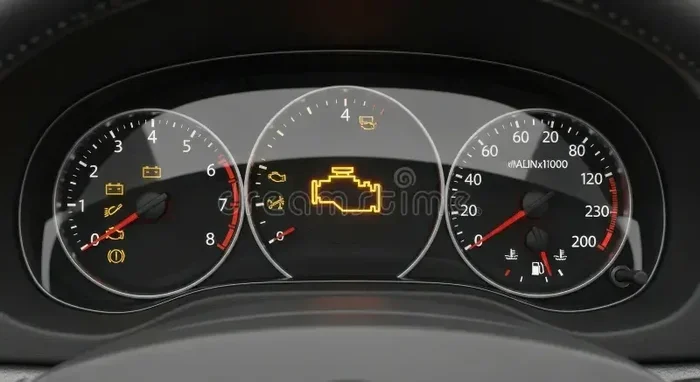
The check engine light is one of the most recognized symbols on any vehicle dashboard. It usually looks like the outline of an engine or sometimes says “CHECK ENGINE” in plain text. This light is part of your vehicle’s onboard diagnostics system, which monitors dozens of sensors and systems in real time.
When the check engine light turns on, it means the vehicle’s computer has detected a problem within the emission control system, the engine management system, or another critical component. The system stores a diagnostic trouble code, commonly called a DTC, in its memory. A mechanic or car owner can retrieve this code using an OBD-II scanner, which plugs directly into the vehicle’s diagnostic port.
Why Does the Check Engine Light Come On?
The check engine light can activate for many different reasons. Some causes are minor, while others are serious. Here are the most common triggers:
- Loose or damaged gas cap: This is the number one reason people see the check engine light come on. A loose cap lets fuel vapors escape, which messes with the emission system.
- Faulty oxygen sensor: This sensor measures unburned oxygen in the exhaust. When it fails, fuel economy drops and emissions rise.
- Catalytic converter issues: A failing catalytic converter is a serious problem that can lead to expensive repairs if ignored.
- Mass airflow sensor failure: This sensor tells the computer how much air enters the engine. A bad reading causes poor performance.
- Spark plug or ignition coil problems: Worn spark plugs can cause misfires, which trigger the check engine light immediately.
- EVAP system leak: The evaporative emission control system prevents fuel vapors from escaping into the atmosphere. A leak sets off this warning.
How Serious Is the Check Engine Light?
The seriousness of the check engine light depends on how it behaves. A solid yellow or orange light usually means there is a problem, but it is not an emergency. You should get your vehicle checked soon, but you can likely drive a short distance safely.
A flashing red or blinking check engine light is a completely different story. A flashing light means the problem is severe and could cause immediate damage to the catalytic converter or other expensive components. If you see a flashing light, pull over safely and turn off the engine. Call for roadside assistance if needed.
What Is the Maintenance Required Light?
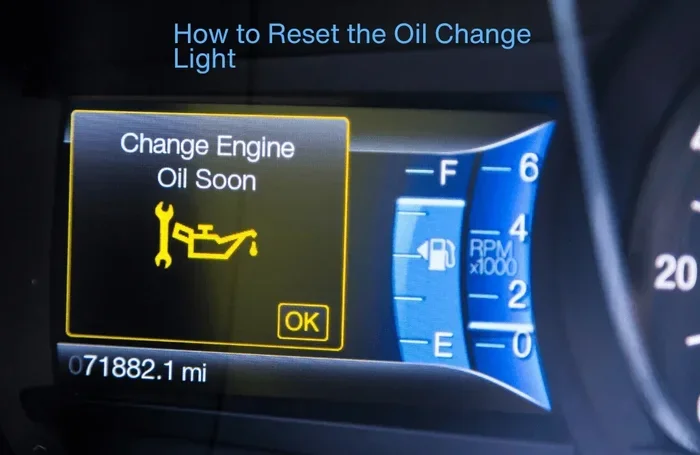
The maintenance required light is a service reminder, plain and simple. It is not a warning about a specific mechanical problem. Instead, it tracks your vehicle’s service interval and reminds you when it is time for routine maintenance, most commonly an oil change.
This light is part of the oil life monitoring system built into modern vehicles. The system does not measure oil quality directly. Instead, it uses an algorithm that considers driving conditions, mileage, engine temperature, and other factors to estimate when the oil needs to be replaced. When the system determines the oil life has reached a certain percentage, it triggers the maintenance required light.
What Triggers the Maintenance Required Light?
The maintenance required light is designed to remind you about scheduled preventive maintenance. Here are the typical reasons it activates:
- Oil change due: The most common trigger. The vehicle’s computer calculates that the oil has reached the end of its useful life based on driving patterns.
- Tire rotation needed: Some vehicles track tire maintenance intervals and light up when rotation is due.
- Air filter replacement: Certain models remind you when the engine air filter needs changing.
- Transmission fluid service: Some advanced systems track transmission maintenance schedules.
- General service interval: Many manufacturers set the light to come on every 5,000 to 10,000 miles as a general service reminder.
How Does It Differ from the Check Engine Light?
The maintenance required light is purely informational. It does not indicate any malfunction or failure in your vehicle. Think of it as a nudge from your car saying, “Hey, I am due for some routine care.” There is no fault code stored in the computer when this light comes on. It is simply a countdown timer based on the service interval programmed by the manufacturer.
Check Engine Light vs Maintenance Required Light Difference
The check engine light vs maintenance required light difference comes down to purpose, severity, and what triggers each light. Let us break it down side by side so the distinction is crystal clear.
| Feature | Check Engine Light | Maintenance Required Light |
|---|---|---|
| Purpose | Warns of a specific problem or fault | Reminds you of scheduled service |
| Severity | Can range from minor to critical | Low urgency, routine reminder |
| Trigger | Sensor fault, emission issue, component failure | Mileage-based service interval |
| Stored Code | Yes, diagnostic trouble code stored | No fault code stored |
| Diagnostic Tool Needed | OBD-II scanner to read codes | No scanner needed to reset |
| Flashing Version | Yes, indicates urgent problem | No, it does not flash |
| Common Fix | Repair the faulty component or sensor | Perform scheduled maintenance and reset |
| Ignoring the Risk | Can lead to major engine or emission damage | Missed maintenance, reduced vehicle longevity |
The check engine light vs maintenance required light difference is not just cosmetic. Each light communicates a fundamentally different message about the health of your vehicle. One is an alert about a specific problem, and the other is a calendar reminder for routine care.
Visual Differences on the Dashboard
You can also tell these two lights apart by what they look like on the dashboard. The check engine light typically shows an engine icon or the words “CHECK ENGINE.” The maintenance required light usually displays a wrench or a service symbol. The color can also give you clues. The check engine light is almost always yellow or orange, while the maintenance required light is often yellow, orange, or sometimes blue or green depending on the vehicle brand.
Common Causes for Each Warning Light
Understanding what triggers each light helps you respond appropriately. Here is a deeper look at the most common causes for both.
Common Causes of the Check Engine Light
The check engine light activates when the vehicle’s computer detects something outside normal operating parameters. The most frequent culprits include:
- Loose gas cap: About 20 percent of all check engine light incidents are caused by a loose or missing gas cap. It is the easiest fix of all.
- Oxygen sensor failure: This is one of the most common reasons the light stays on. Replacing an oxygen sensor typically costs between $100 and $300.
- Catalytic converter failure: This is the most expensive repair triggered by the check engine light, often costing $1,000 or more.
- Mass airflow sensor issues: Dirty or failed sensors cause poor engine performance and reduced fuel economy.
- Ignition system problems: Worn spark plugs, plug wires, or ignition coils cause engine misfires that set off the light.
- EVAP system leaks: Cracked hoses, faulty purge valves, or loose gas caps can trigger EVAP-related codes.
Common Causes of the Maintenance Required Light
The maintenance required light is much simpler in its causes. It almost always comes down to one thing: your vehicle has reached its scheduled service interval. The most common reasons include:
- Oil change overdue: The oil life monitor has determined that the oil needs replacement based on your driving habits.
- Mileage milestone: The vehicle has hit a specific mileage threshold set by the manufacturer for routine service.
- Time-based service: Some systems also track time, not just mileage, and will remind you even if you have not driven many miles.
- After maintenance not completed: If you recently had service done but the technician did not reset the counter, the light will remain on.
How to Diagnose and Fix Each Warning Light
Knowing how to respond when either light comes on is essential for every vehicle owner. The steps you take depend entirely on which light is glowing.
Diagnosing the Check Engine Light
When the check engine light comes on, follow these steps:
- Check the gas cap first: Turn off the engine, remove the gas cap, inspect it for cracks or damage, and reseat it firmly. Drive for a few miles and see if the light goes off.
- Observe the behavior: Is the light solid or flashing? A solid light means you have time to plan a visit to a mechanic. A flashing light means you should reduce speed and avoid heavy acceleration.
- Use an OBD-II scanner: Plug the scanner into the diagnostic port, which is usually located under the steering column. The scanner will read the diagnostic trouble codes stored in the vehicle’s computer.
- Look up the codes: Many OBD-II scanners come with built-in code definitions. You can also search the codes online or ask a mechanic to interpret them.
- Address the root cause: Based on the code, have the necessary repair performed. Do not simply clear the code and ignore the problem.
Resetting the Maintenance Required Light
Once you have completed the scheduled vehicle maintenance, you need to reset the maintenance required light. The method varies by vehicle brand and model, but here are the most common approaches:
- Turn the ignition to the ON position without starting the engine.
- Press and hold the trip meter reset button located on the instrument cluster.
- Turn the ignition to the OFF position while still holding the button.
- Turn the ignition back to ON and continue holding the button until the light resets or the odometer shows a maintenance code.
- Release the button and start the engine. The light should be off.
Some vehicles require a specific sequence or use the steering wheel controls on the digital dashboard display. Check your owner’s manual for the exact reset procedure for your specific make and model.
Quick Tips for Handling Dashboard Warning Lights
- Do not panic: Most dashboard lights are not emergencies. Stay calm and assess the situation.
- Note the behavior: Is the light solid, flashing, or intermittent? This information helps a mechanic diagnose the issue faster.
- Check for other symptoms: Does the vehicle feel different? Are there unusual sounds, vibrations, or performance changes? Note everything.
- Keep a scanner handy: A basic OBD-II scanner is an inexpensive tool that every car owner should have in the trunk.
- Do not ignore the lights: Even if a light seems minor, addressing it early prevents bigger problems and higher costs later.
Common Mistakes Drivers Make with Dashboard Warning Lights
Even experienced drivers sometimes make mistakes when dealing with dashboard warning lights. Here are the most common errors to avoid.
Mistake 1: Ignoring the Check Engine Light Because It Is Solid
A solid check engine light does not mean the problem is minor. It means the issue is not immediately dangerous, but it still needs attention. Many drivers ignore a solid light for weeks or even months, only to discover that a small problem has turned into a major repair. A simple oxygen sensor replacement that costs $150 can turn into a $1,500 catalytic converter replacement if left unaddressed.
Mistake 2: Treating the Maintenance Required Light Like the Check Engine Light
Some drivers see the maintenance required light and assume their car is broken. This causes unnecessary stress and trips to the mechanic. Remember, this light is a service reminder, not a malfunction warning. You can safely drive your vehicle until you have time to complete the scheduled maintenance.
Mistake 3: Clearing Codes Without Fixing the Problem
Using an OBD-II scanner to clear the diagnostic trouble codes and turn off the check engine light without fixing the underlying problem is a bad idea. The light will come back on once the computer detects the same fault again. Worse, you will have lost valuable diagnostic information that could help identify the root cause.
Mistake 4: Never Resetting the Maintenance Light After Service
If you get an oil change but the technician forgets to reset the maintenance required light, the light will stay on indefinitely. This creates confusion the next time a light comes on. Always confirm that the light has been reset after any scheduled service.
When to See a Professional
Not every dashboard warning requires a trip to the mechanic, but some situations demand professional attention. Here is when you should seek help.
For the check engine light, see a professional if the light is flashing, if you notice any of the following symptoms: reduced power, strange noises, poor fuel economy, or rough idling. Even if the light is solid, getting the codes read within a few days is a smart move. The longer you wait, the more potential damage can occur.
For the maintenance required light, you do not need to rush to a mechanic. Simply schedule the next available service appointment at your regular shop or dealership. Complete the recommended maintenance, and make sure the light gets reset properly.
Conclusion
The check engine light vs maintenance required light difference is straightforward once you understand what each light represents. The check engine light is a warning system that alerts you to specific problems within your vehicle’s engine, emission system, or sensors. It uses diagnostic trouble codes to communicate what is wrong, and it requires proper diagnosis and repair. The maintenance required light is a service reminder that tracks your vehicle’s service interval and nudges you to complete routine maintenance like oil changes and inspections.
Both lights serve important purposes, but they are not interchangeable. Ignoring the check engine light can lead to serious and expensive damage. Ignoring the maintenance required light can result in missed services that shorten your vehicle’s lifespan and reduce its reliability.
Now that you understand the check engine light vs maintenance required light difference, you can respond to each warning with confidence. Keep a basic OBD-II scanner in your glove box, stay on top of your vehicle maintenance schedule, and never let a dashboard light catch you off guard. Your car will thank you with years of reliable service.
Take a moment today to familiarize yourself with the lights on your specific dashboard. Open your owner’s manual and locate the section that explains each symbol. This small investment of time will pay off the first time a warning light appears on your drive home.
Frequently Asked Questions
Can the maintenance required light mean my car needs an oil change?
Yes, in most cases the maintenance required light is triggered when your vehicle’s oil life monitor determines that an oil change is due. It is the most common reason this light comes on. However, it can also remind you about other scheduled services like tire rotation or air filter replacement depending on your vehicle model.
Will the check engine light turn off by itself?
Sometimes. If the issue was minor, like a loose gas cap, the light may turn off on its own after a few driving cycles. However, if the problem is more serious, the light will stay on until the fault is repaired and the diagnostic trouble codes are cleared with an OBD-II scanner. You should never assume a check engine light will fix itself.
Is it safe to drive with the maintenance required light on?
Yes, it is generally safe to drive with the maintenance required light on. This light is simply a reminder that scheduled service is due. It does not indicate any immediate problem with your vehicle. Just make sure you schedule maintenance soon to keep your car running at its best.
Can I reset the check engine light myself?
You can clear the check engine light with an OBD-II scanner, but this is not recommended unless you have already fixed the underlying problem. Clearing the light without repairing the issue will cause it to come back on. Additionally, in some states, a lit check engine light will cause your vehicle to fail an emissions inspection.
What should I do if both lights come on at the same time?
If both the check engine light and the maintenance required light come on simultaneously, address the check engine light first. It indicates a specific problem that needs diagnosis. The maintenance light can be dealt with after the repair is complete. Use an OBD-II scanner to read the fault codes and determine the urgency of the check engine light issue.
How often does the maintenance required light need to be reset?
The maintenance required light should be reset every time you complete a scheduled service, such as an oil change or tire rotation. The frequency depends on your driving habits and the vehicle manufacturer’s recommended service interval, which is typically every 5,000 to 10,000 miles for most modern vehicles.